
Call: 07315121789
 Send Inquiry
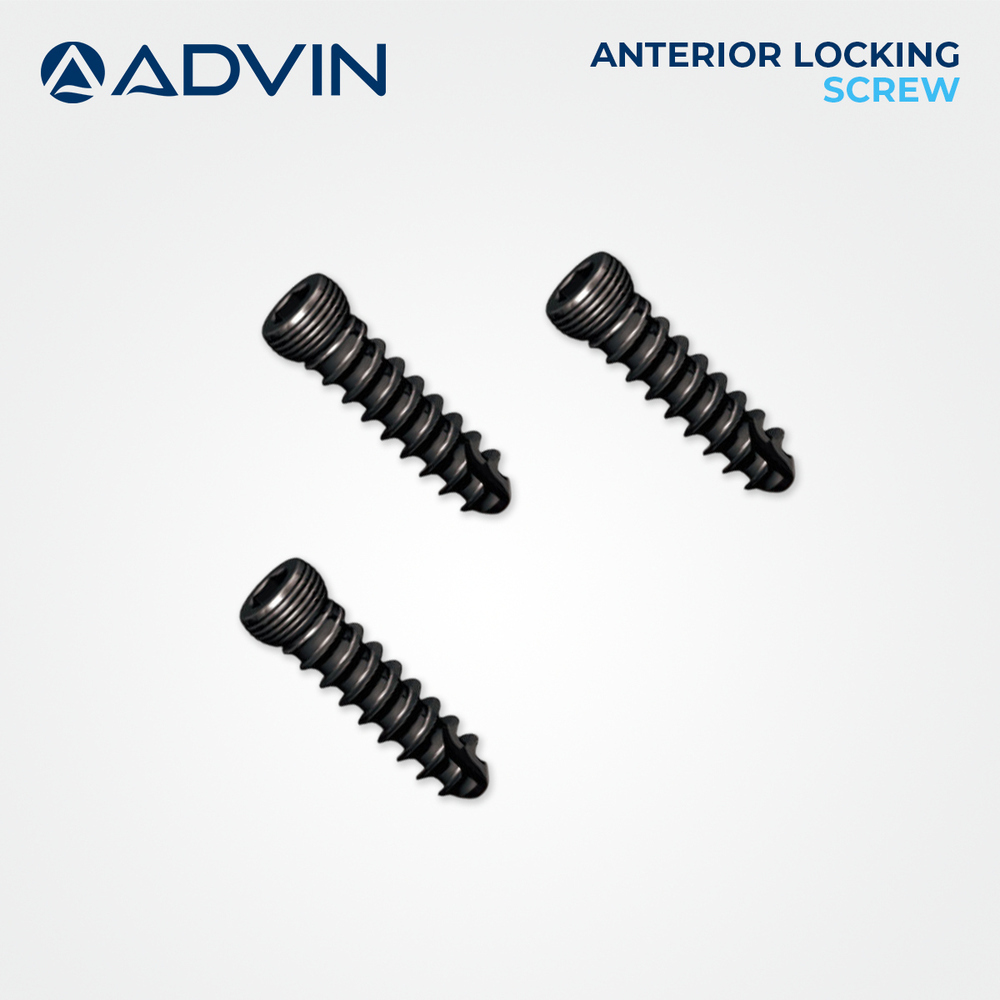
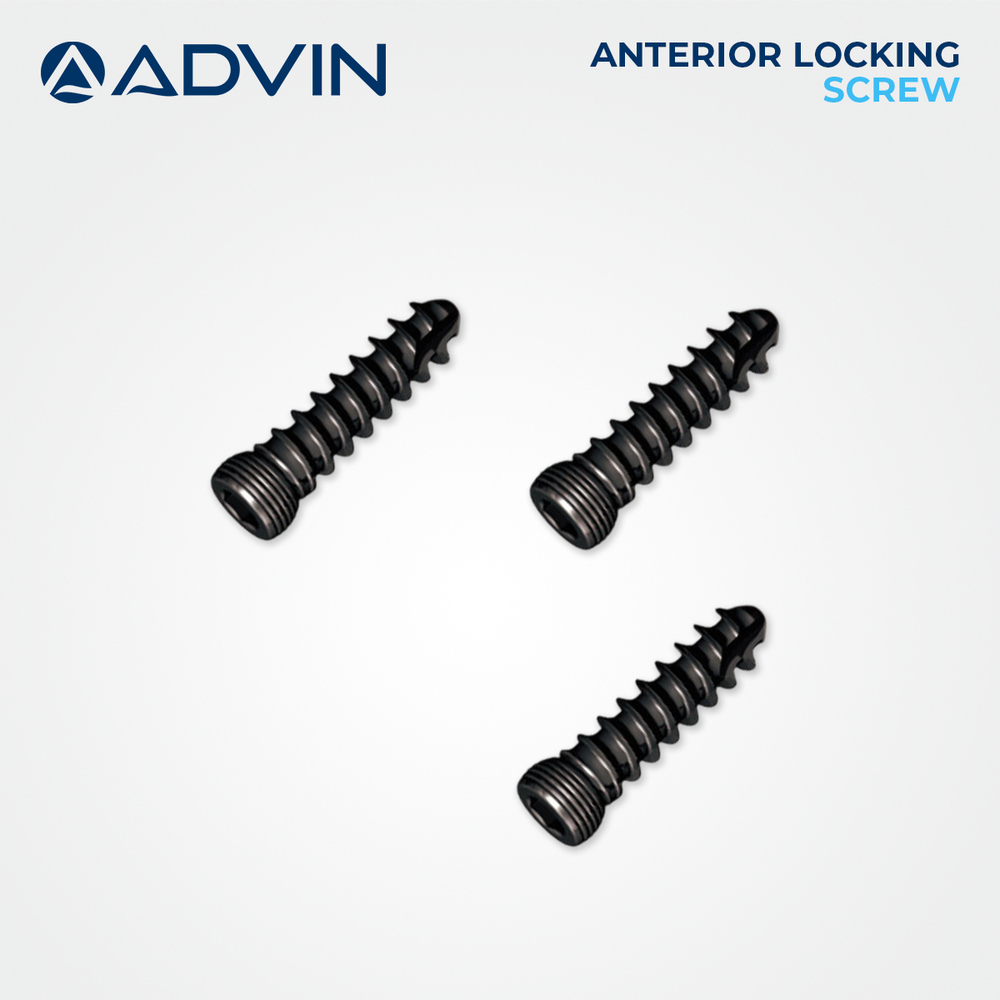
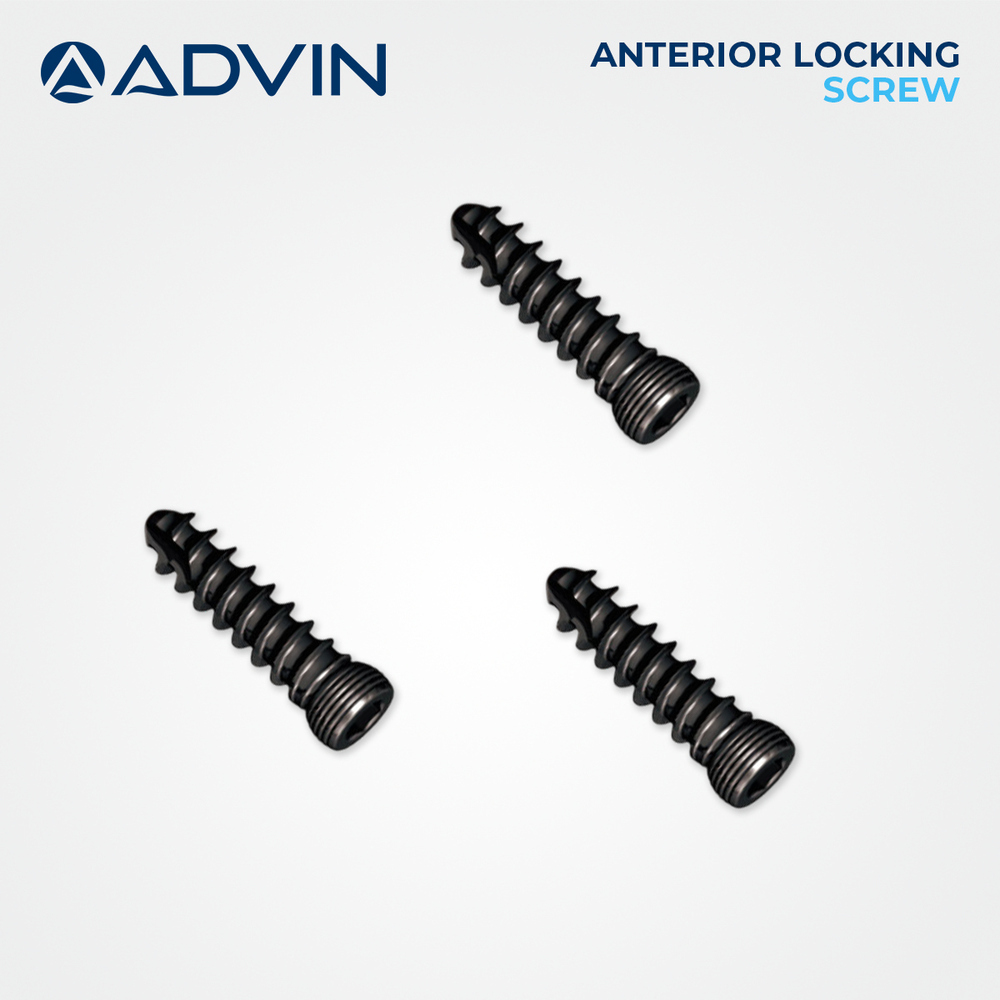
Advanced Features:
High-strength stainless steel construction
Precision threading for secure locking
Compatible with various plating systems
Corrosion-resistant surface for longevity
Available in multiple sizes for versatile use

Price:
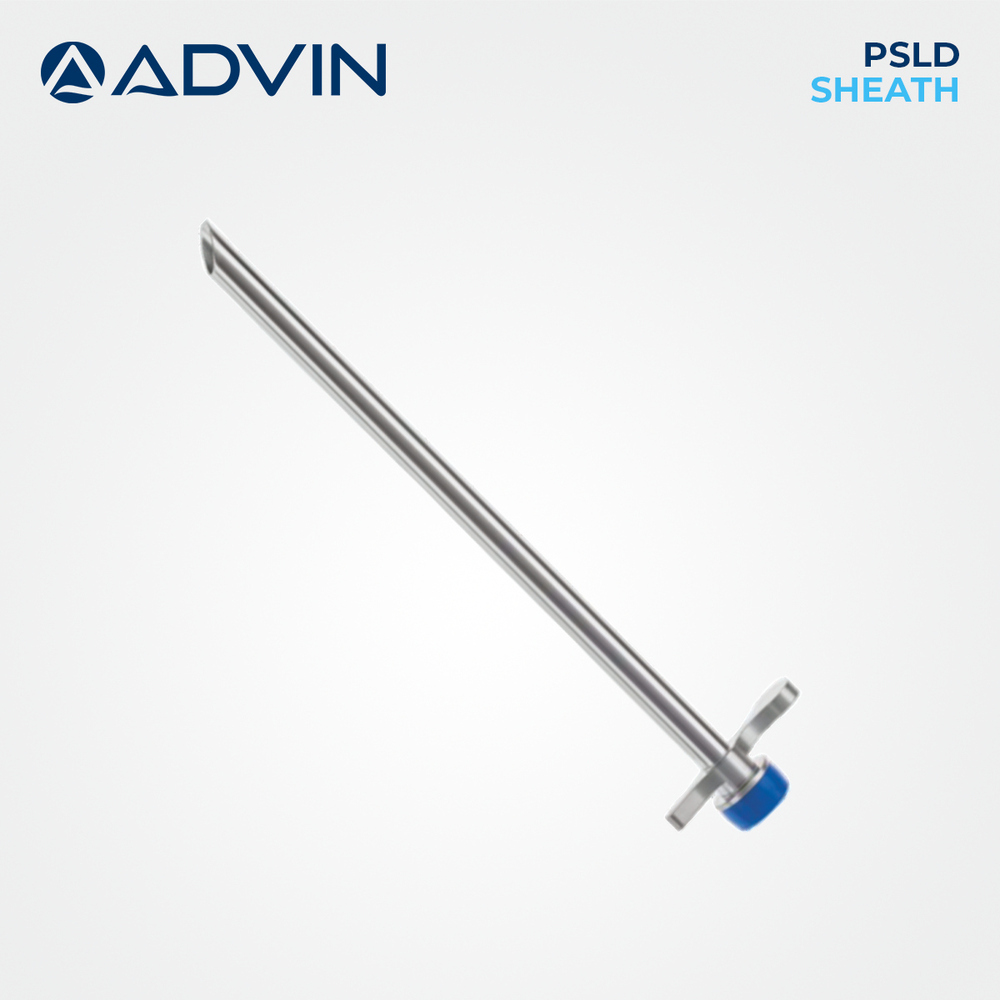
Price 500 USD ($) / Piece
Minimum Order Quantity : 1 Piece
Color : Silver (Cannula), Transparent or Blue (Sheath)
Features : Smooth Finish, Secure Fittings, Durable, Sterilizable
Equipment Type : Arthroscopy Cannula Sheath
Dimension (L*W*H) : Standard sizes: Common lengths 70mm to 120mm, diameter 4mm to 8mm
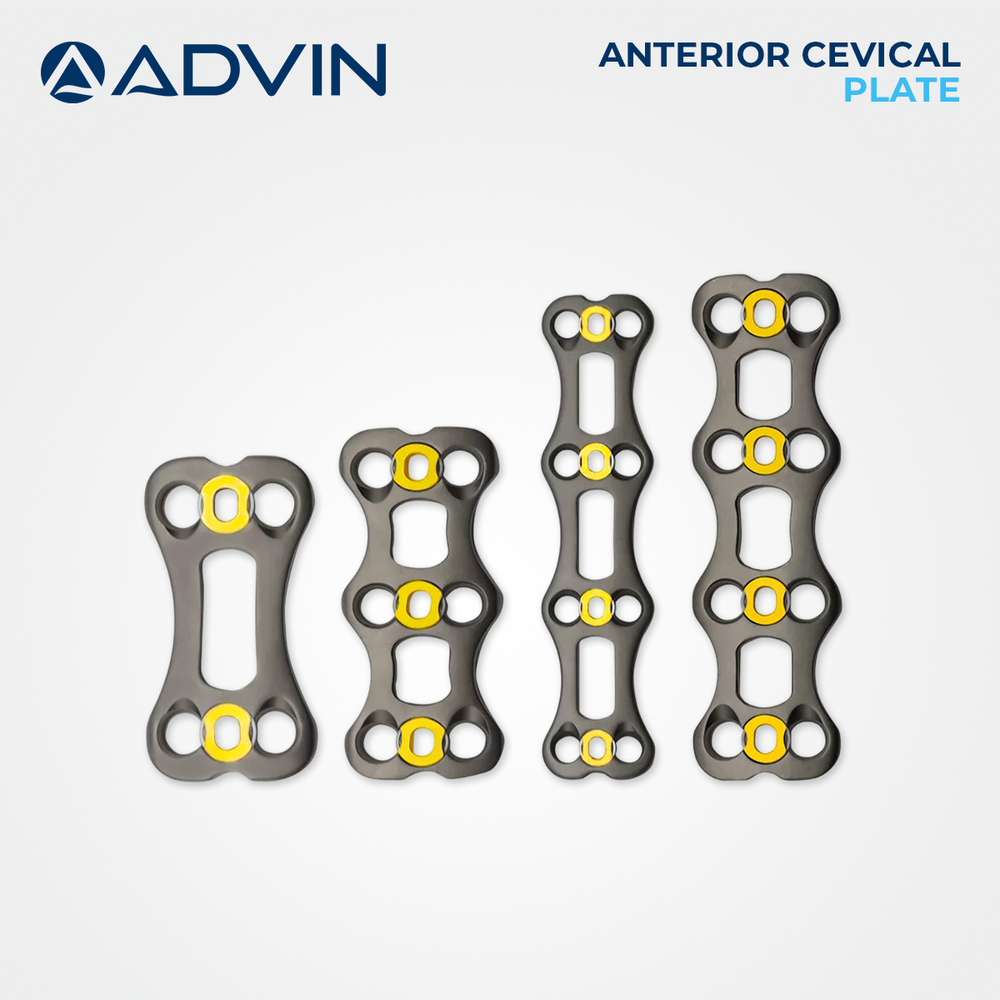
Price 5 USD ($) / Piece
Minimum Order Quantity : 1 Piece
Color : Metallic/Blue/Gray (Depending on Coating)
Features : Low Profile Design, PreContoured Plate, SelfTapping Screw Compatible
Equipment Type : Anterior Cervical Plate (ACP)
Dimension (L*W*H) : Available in Various Lengths (Typically 15 Level Options)
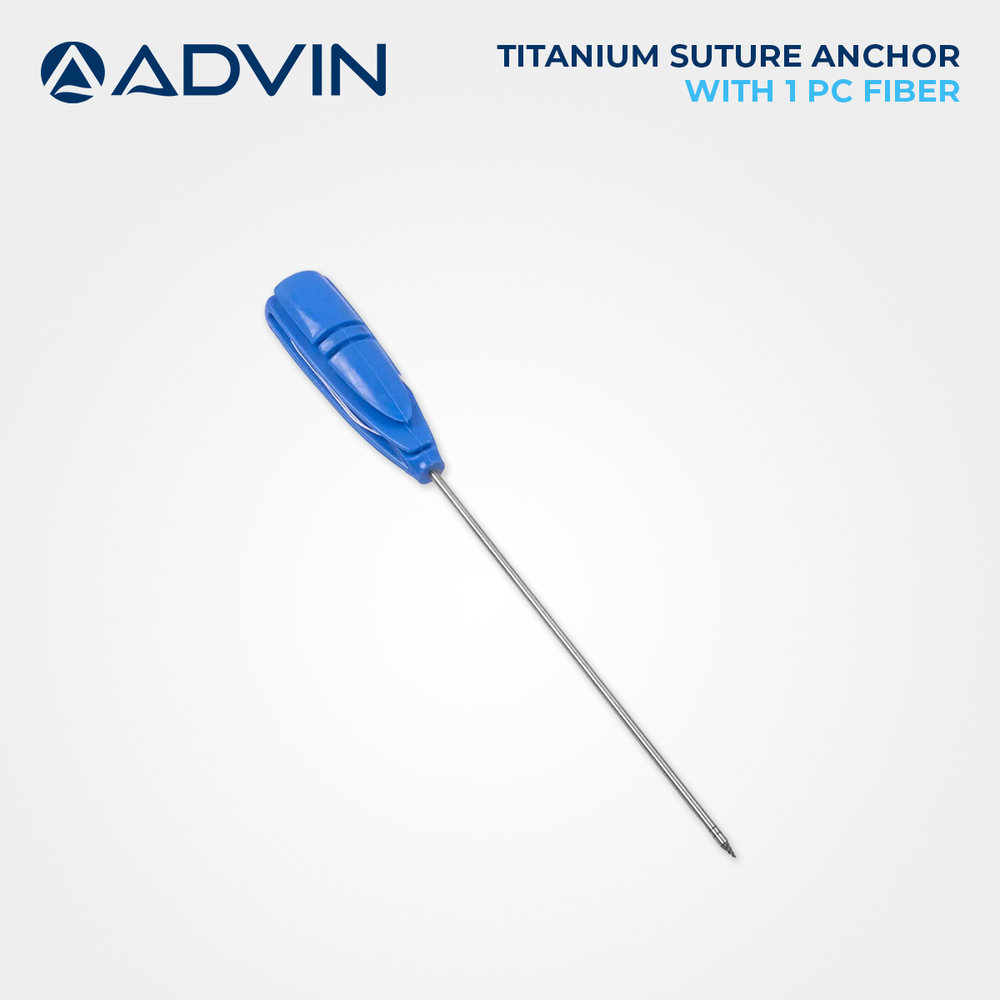
Price 17.50 USD ($) / Piece
Minimum Order Quantity : 1 Piece
Color : Metallic silver (anchor), white/blue (fiber)
Features : Corrosion resistant, MRI compatible, high tensile strength fiber suture, sterile, readytouse
Equipment Type : Suture Anchor
Dimension (L*W*H) : Varies by anchor size (commonly 2.8 mm to 5.5 mm diameter)
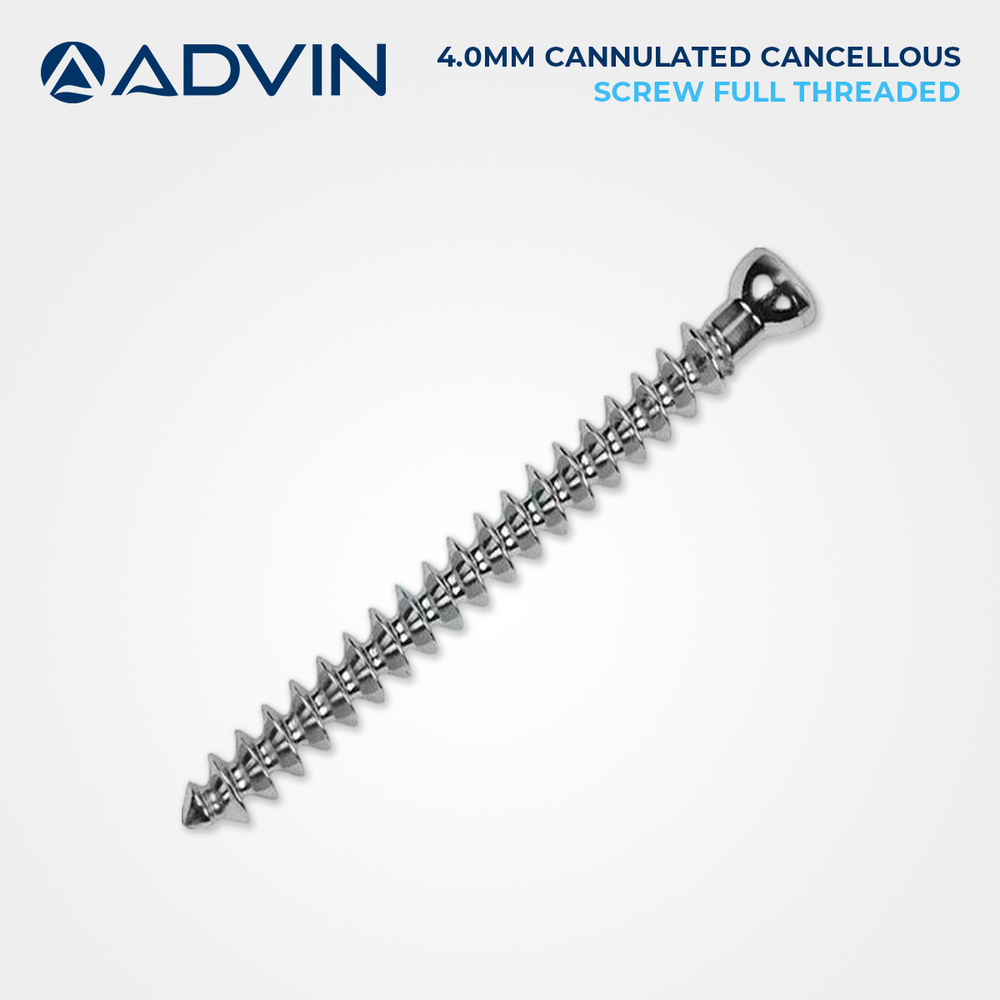
Price 8 USD ($) / Piece
Minimum Order Quantity : 1 Piece
Color : Metallic Silver (Stainless Steel) or Grey (Titanium)
Features : Cannulated shaft for guide wire insertion, Threaded for cancellous bone
Equipment Type : Orthopedic Implant Screw
Dimension (L*W*H) : Available in multiple lengths & diameters (customizable as per clinical need)
GST : 24CTVPS5589L1ZE


 Send Inquiry

 Send Inquiry
 English
 Spanish
 French
 German
 Italian
 Chinese (Simplified)
 Japanese
 Korean
 Arabic
 Portuguese