About Cardiac Guiding Catheter
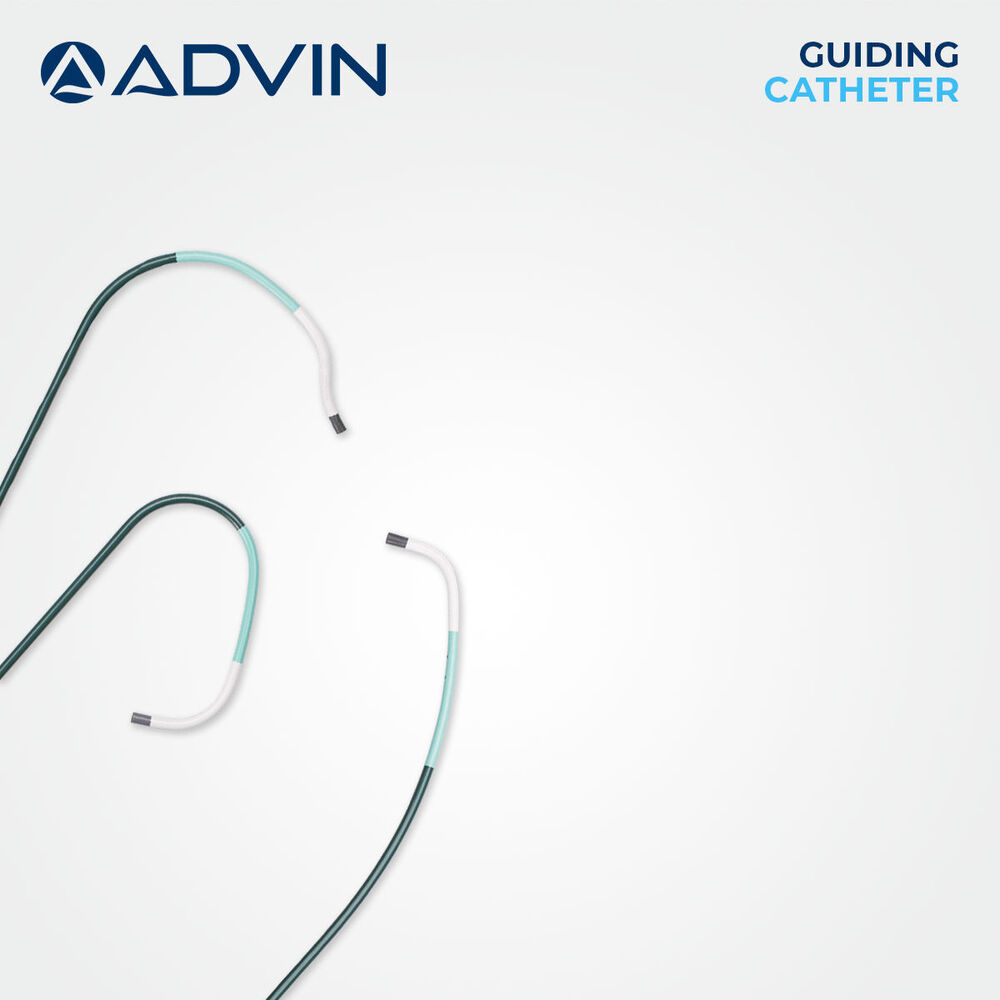
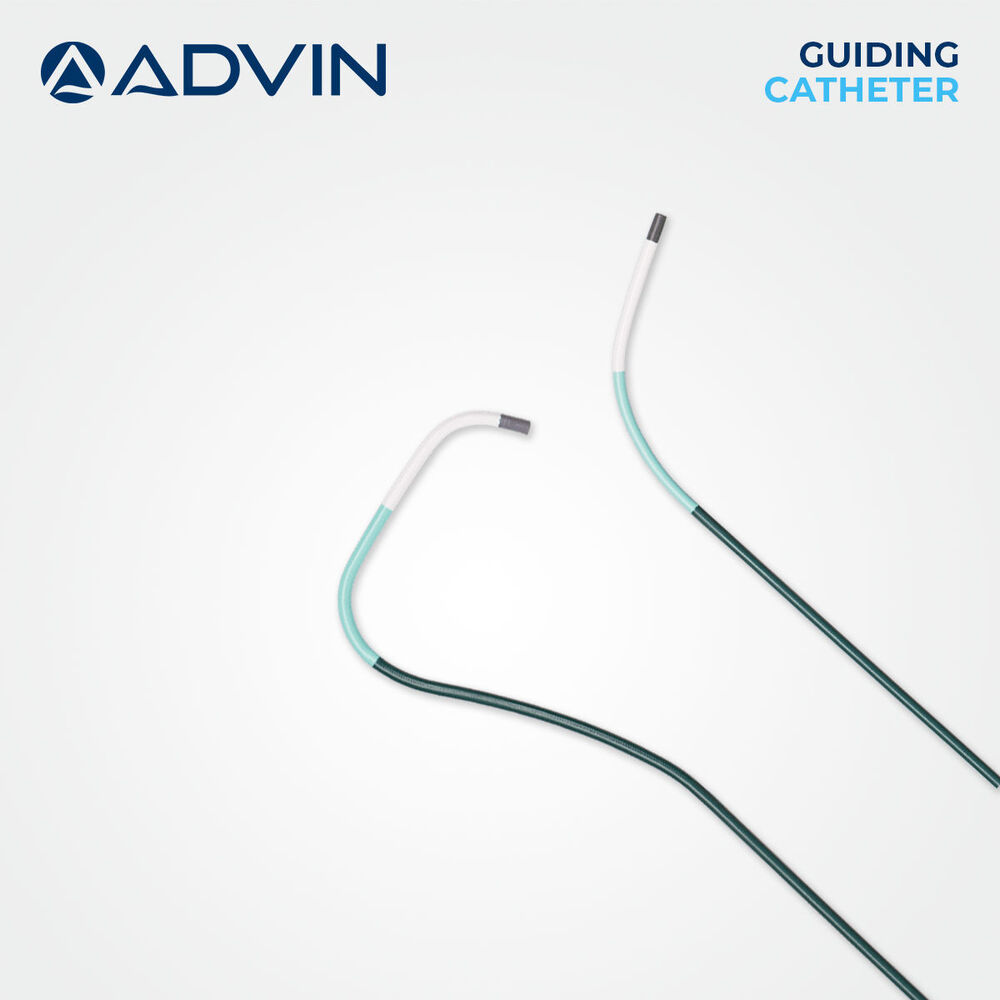
Advin Health Care is a trusted manufacturer of Cardiac Guiding Catheters designed to meet international quality standards. These catheters are used in interventional cardiology procedures to provide stable support and precise guidance for the delivery of balloons, stents, and other interventional devices during complex coronary interventions.
Key Features
- Designed for strong backup support and device stability
- Smooth and trackable catheter for easy navigation through vessels
- Optimal torque control for precise positioning
- Compatible with standard guide wires and interventional devices
Certifications
We are certified with CE, ISO 13485, and ISO 9001 standards.
Product Keywords
Cardiac Guiding Catheter, Guiding Catheter, Interventional Cardiology Catheter, Coronary Guiding Catheter, Vascular Support Catheter
U3 aUUU UUU U3 aUUU U3 UUU Ua UU U3 aUUU U UU UaU U3 1U UU1U U UUU
NNN N 122 3N NN N, 12N2NNN 1 oNNN, oNNN N 12NN212N 341212341 oN 34343 , o34N3412N12N1 12N2NNN 1 oNNN, oNNN N N34NN NN341 34 No .
CatAter guAa cardAaco, catAter guAa, catAter de cardiologAa intervencionista, catAter guAa coronario, catAter de soporte vascular
CathAter de guidage cardiaque, cathAter de guidage, cathAter de cardiologie interventionnelle, cathAter de guidage coronaire, cathAter de soutien vasculaire
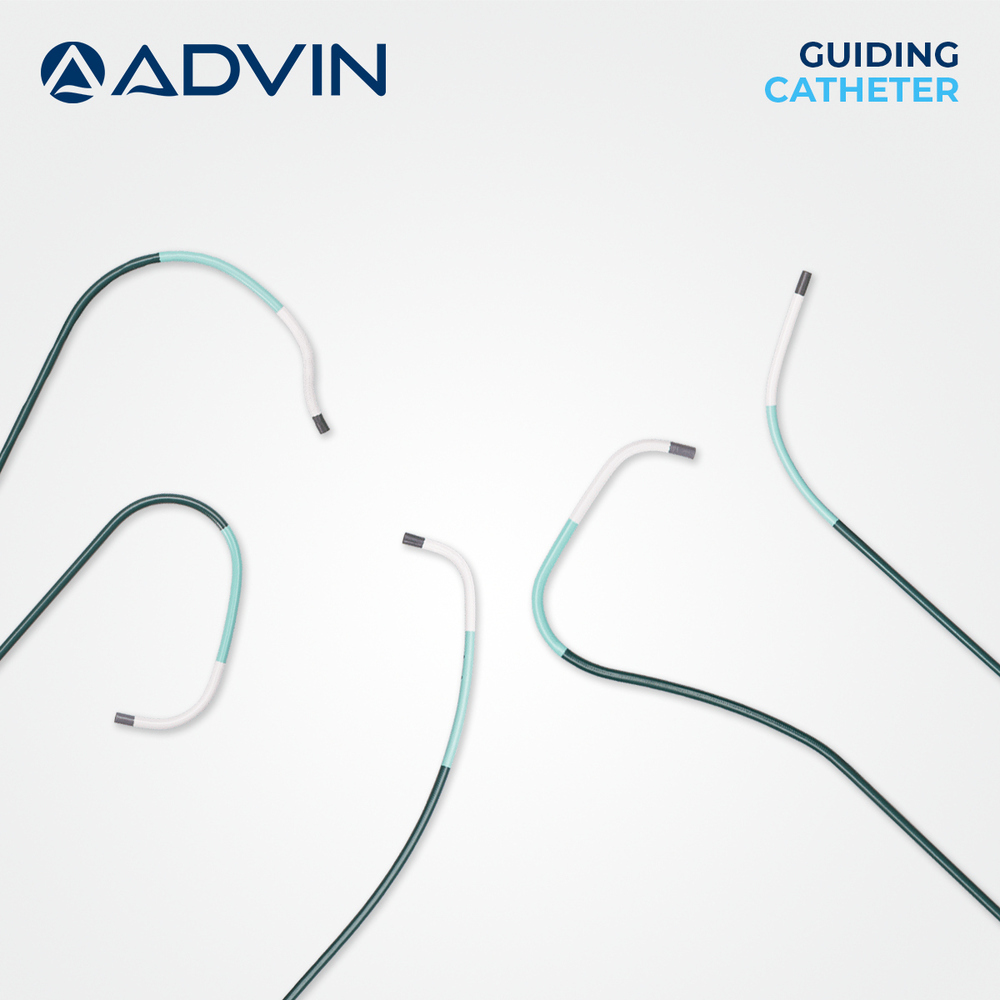
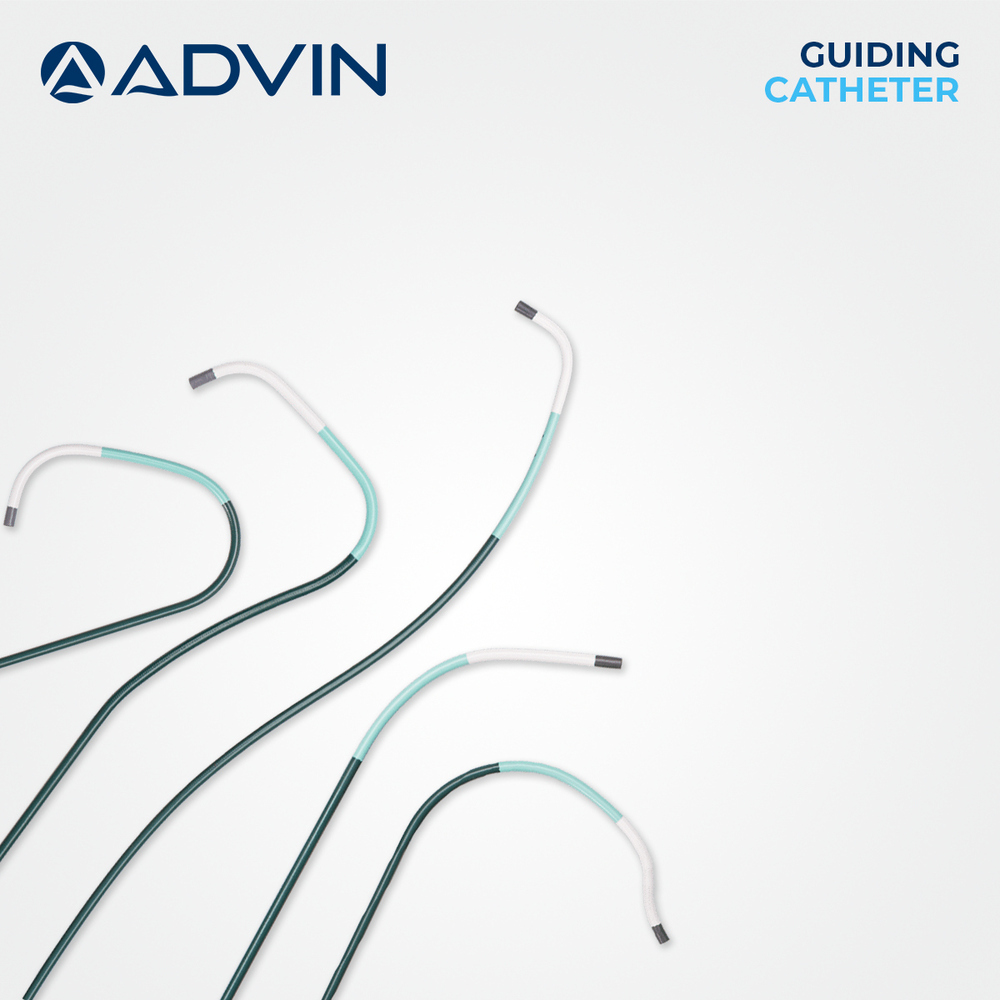
Optimized Navigation and SafetyEngineered for accuracy, the guiding catheter incorporates a radiopaque tip marker and superior torque control for reliable maneuverability during complex cardiac procedures. The multiple pre-formed curve options are designed to suit various anatomical and procedural requirements, ensuring the device adapts to diverse clinical needs while minimizing risk.
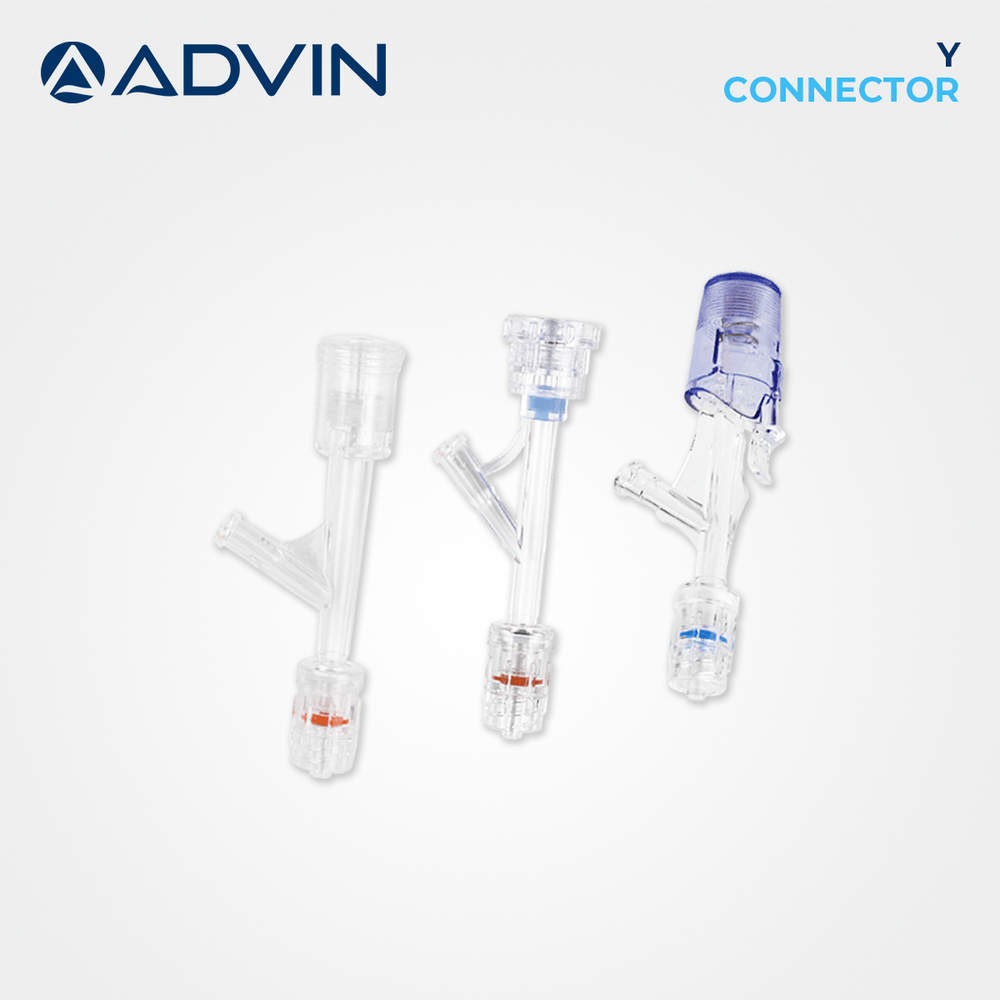
Focus on Usability and ComplianceEach catheter features a user-friendly, color-coded Luer Lock hub for easy identification and secure connections. The single-use, disposable design and ETO sterilization support infection control protocols, while compliance with ISO and CE standards underscores its safety and quality. Storage and handling are simplified by lightweight construction and individual sterile blister packs.
FAQ's of Cardiac Guiding Catheter:
Q: How should the Cardiac Guiding Catheter be used during cardiac catheterization?
A: The device is introduced through a vascular access site and navigated to the cardiac region using its precise torque control and tip shape. Compatible with standard guidewires, it serves as a conduit for diagnostic or interventional devices and should be discarded after single use.
Q: What are the benefits of the radiopaque marker at the catheter's distal tip?
A: The radiopaque marker enhances real-time visualization under fluoroscopy or X-ray, allowing clinicians to confirm accurate placement, optimize guidance, and improve procedural safety.
Q: When should I choose a Judkins, Amplatz, or other curve design?
A: Curve selection depends on patient anatomy and procedural objective. Judkins curves are common for general coronary access, while Amplatz curves may assist with specific anatomical challenges. Your interventional cardiology team will select the most appropriate shape for each case.
Q: Where is the catheter manufactured, and does it comply with regulatory standards?
A: This cardiac guiding catheter is manufactured and supplied in India and fully complies with ISO and CE medical device standards, ensuring it meets international quality and safety requirements.
Q: What is the recommended process for storage and handling of the catheter?
A: Store the catheter in a cool, dry place away from direct sunlight, within its original sterile blister pack. Handle aseptically and do not use if the packaging is damaged or opened prior to use.
Q: What features make this cardiac guiding catheter suitable for professional use?
A: Key features include high navigation precision, kink resistance, a smooth surface, a latex-free composition, soft tip, and availability in multiple French sizes. Its lightweight and portable design allow for convenient use in a variety of clinical settings.
Q: Is the catheter suitable for repeated use or resterilization?
A: No, this device is intended strictly for single use. It must be discarded safely and should never be reused or resterilized, in order to maintain safety and prevent cross-contamination.

 Send Inquiry



 Send Inquiry

 Send Inquiry
 English
 Spanish
 French
 German
 Italian
 Chinese (Simplified)
 Japanese
 Korean
 Arabic
 Portuguese