About Cardiology Nitinol Guide Wire
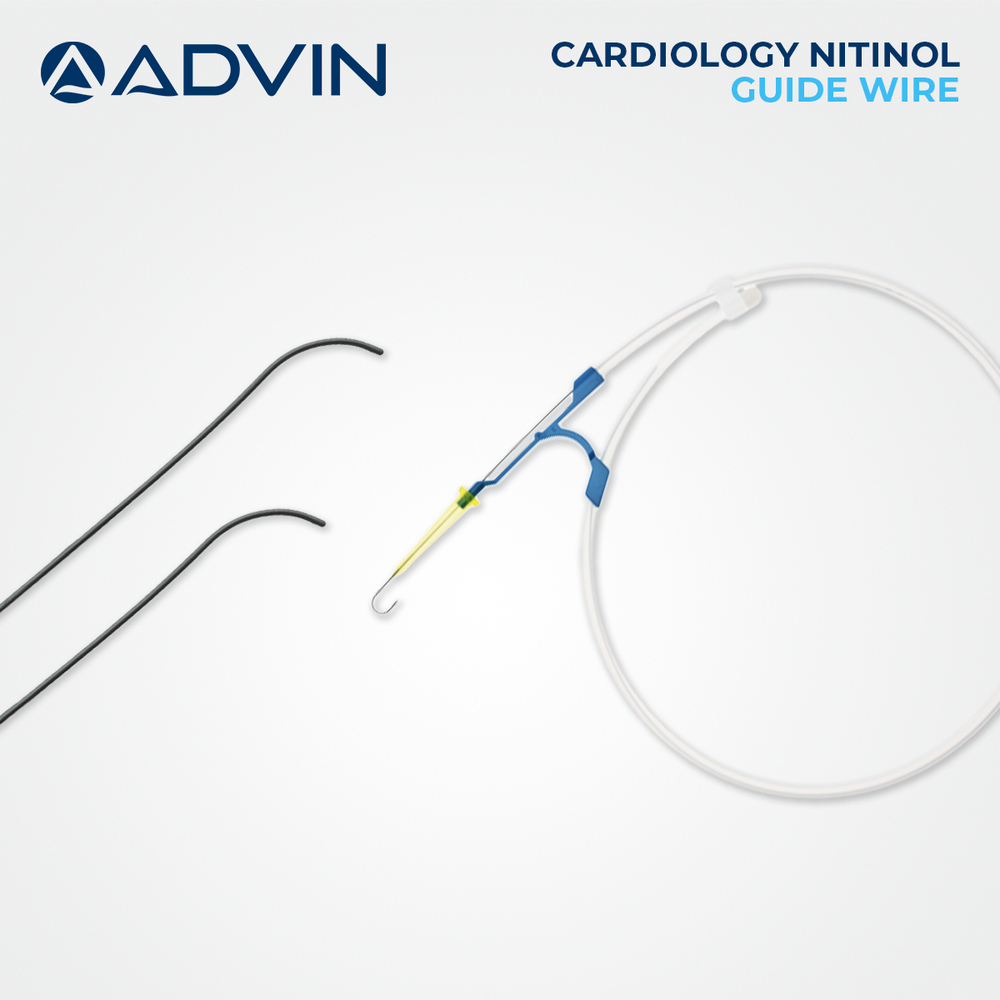
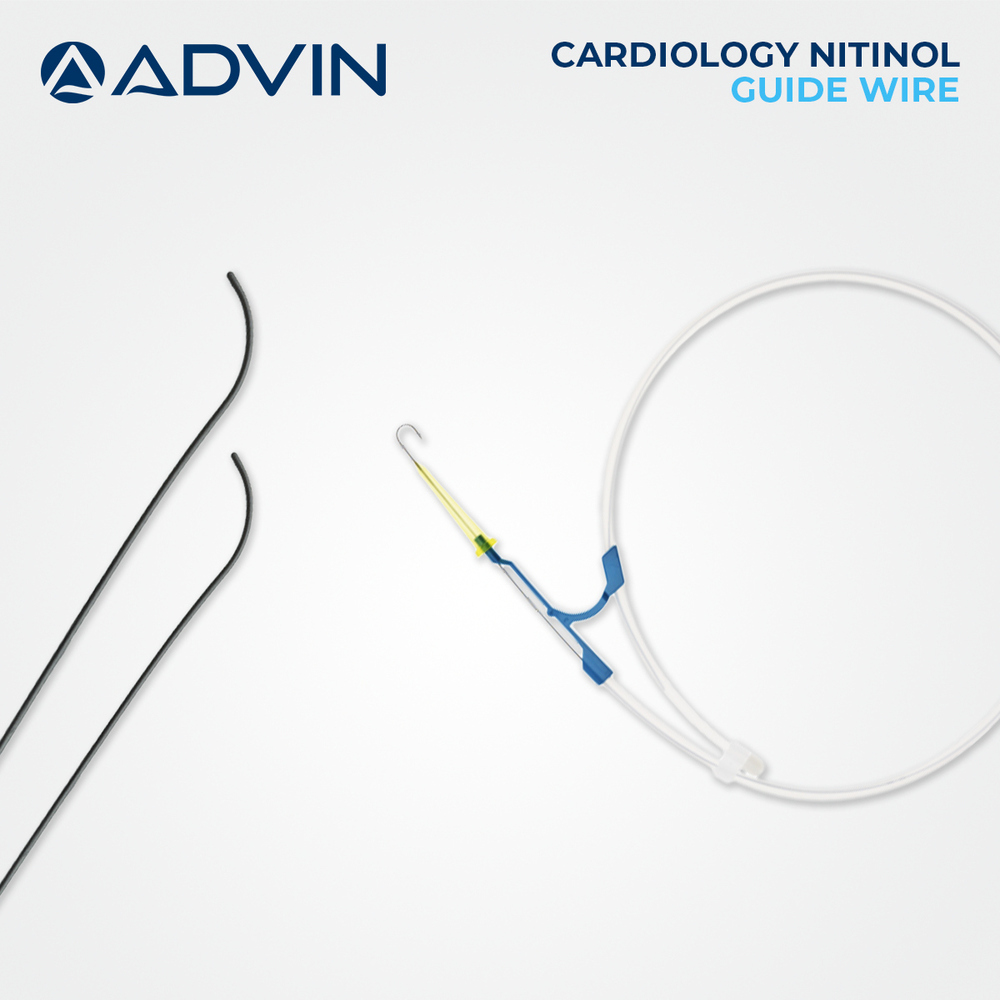
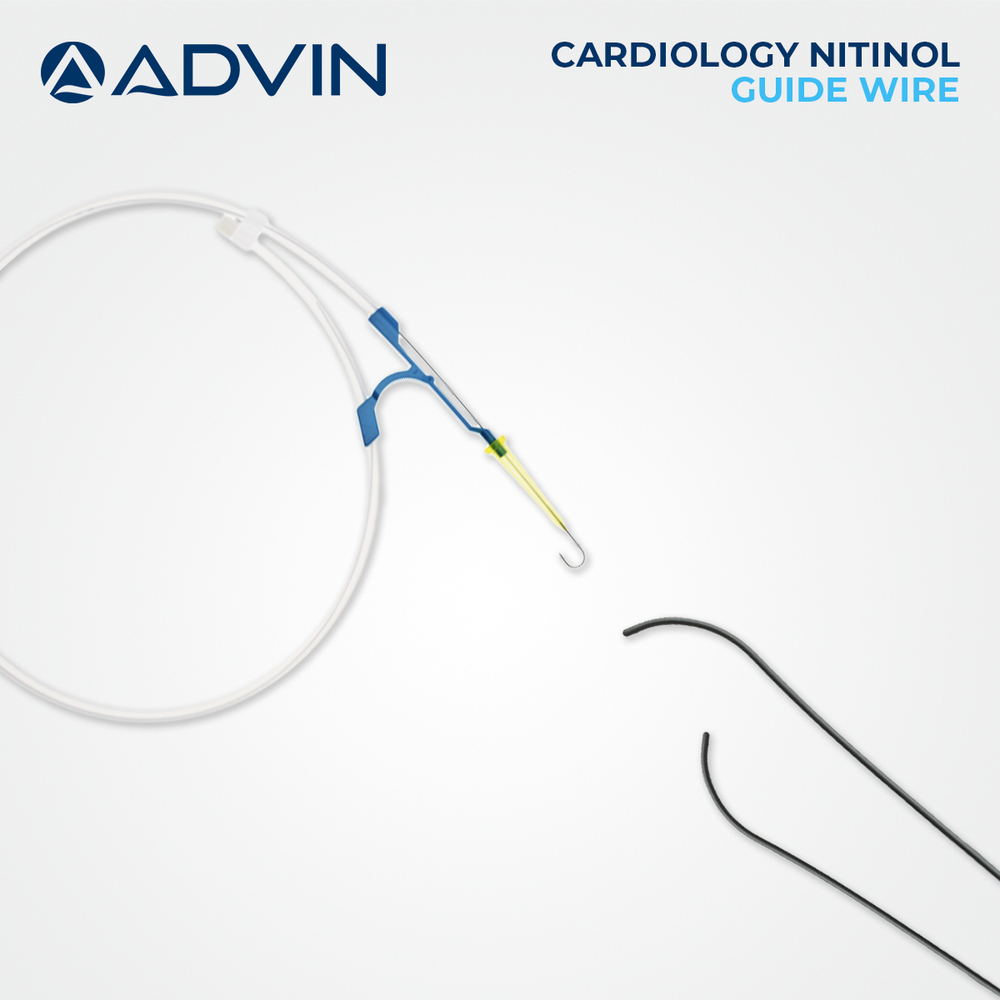
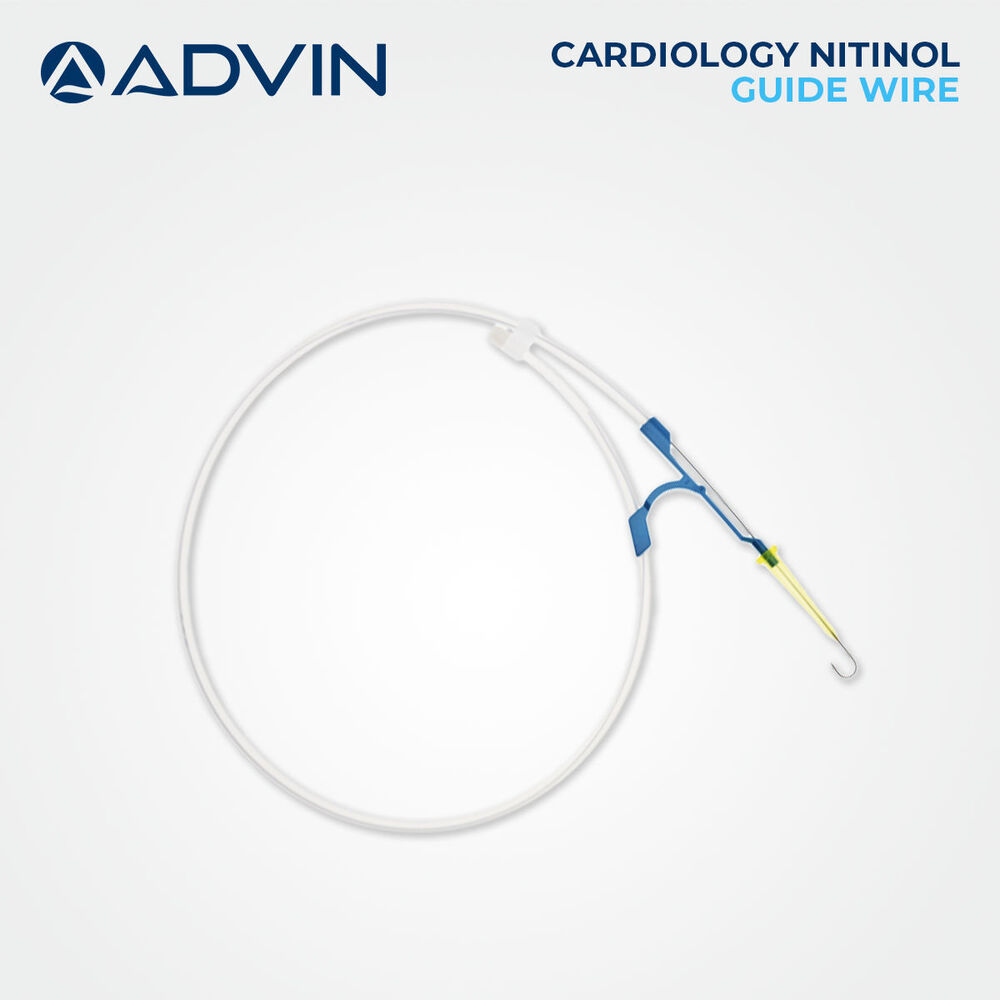
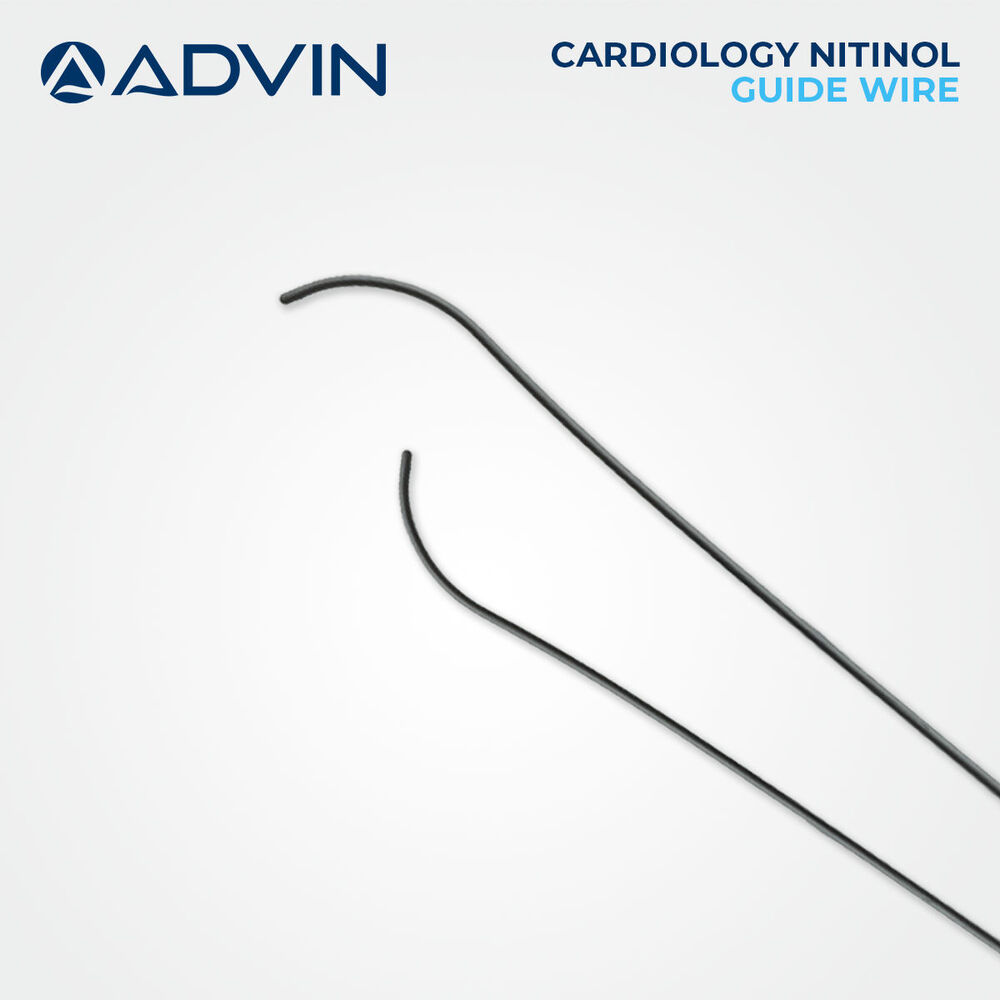
Nitinol guidewire is designed to optimize both functions. Made of a Nitinol core wire it has a hydrophilic coating to aid in insertion and passage of instrumentation. It is available in various wire sizes, tip designs, and shaft configurations. It comes individually packaged, sterile and for single use.
Advanced Features
- Highly maneuverable and kink resistant for navigation through tortuous anatomy
- radiopaque tip
- Super Flexibility
- individually packaged
- Sterile and for single use
Product Keywords
Nitinol Guide Wire Cardiology, Nitinol Guidewire, Interventional Cardiology Guide Wire, PTCA Guidewire, Coronary Guidewire, Endovascular Guide Wire, Flexible Medical Guidewire
, , , , , ,
Gua de nitinol para cardiologa, gua de nitinol, gua de cardiologa intervencionista, gua para PTCA, gua coronaria, gua endovascular, gua mdica flexible
Fil guide en nitinol pour cardiologie interventionnelle, fil guide pour angioplastie coronaire transluminale percutane (ACTP), fil guide coronaire, fil guide endovasculaire, fil guide mdical flexible
Advanced Design for Cardiology ProceduresOur Cardiology Nitinol Guide Wire features a cutting-edge design tailored for complex cardiovascular interventions in hospitals. Crafted from premium nitinol, it offers an excellent balance between flexibility and durability, ensuring reliable guidance through tortuous vessels. Its manual operation allows for controlled and precise maneuvering without the need for wall mounting, complementing various procedural workflows in real-time.
Indian-Manufactured ExcellenceProudly exported, manufactured, supplied, and traded from India, this guide wire adheres to international standards of safety and performance. Each device undergoes meticulous quality checks to deliver consistent results, making it suitable for use in hospitals known for both routine and advanced cardiology practices. The local sourcing supports efficiency and quick availability to healthcare facilities.
FAQs of Cardiology Nitinol Guide Wire:
Q: How is the Cardiology Nitinol Guide Wire used during hospital procedures?
A: The guide wire is manually inserted by cardiology professionals to navigate and position catheters or balloons within blood vessels during interventions like angioplasty. Its flexibility helps smoothly traverse vascular pathways without causing trauma.Q: What are the benefits of using a nitinol guide wire in cardiology procedures?
A: Nitinol provides a unique combination of superelasticity and shape memory, offering excellent adaptability in navigating complex vasculature. This results in fewer complications, more accurate positioning, and reduced risk of vessel injury.Q: When should this guide wire be selected over other types?
A: This guide wire is preferred in cases where flexibility, kink resistance, and real-time feedback are crucial, such as navigating tortuous or delicate arteries during cardiovascular interventions.Q: Where is the Cardiology Nitinol Guide Wire suitable for use?
A: Its design and features make it suitable for use in hospital settings, specifically by cardiology teams in cath labs or procedural suites where high precision and reliability are required.Q: What distinguishes this guide wire from wall-mounted options?
A: Unlike wall-mounted systems, this manual guide wire provides enhanced maneuverability and is designed for direct, hands-on control, enabling real-time adjustments by the operator and better tactile feedback during procedures.Q: How does being manufactured in India benefit healthcare facilities?
A: Local manufacturing ensures shorter lead times, cost-effectiveness, and robust post-sales support for hospitals across India and export markets, ensuring prompt and reliable product availability.Q: What is the process for ensuring real-time operation during procedures?
A: The guide wires manual design allows clinicians to adjust and steer it instantly as needed. Real-time operation is achieved through tactile feedback and visual guidance, supporting safer and more effective navigation through blood vessels.

 Send Inquiry



 Send Inquiry

 Send Inquiry
 English
 Spanish
 French
 German
 Italian
 Chinese (Simplified)
 Japanese
 Korean
 Arabic
 Portuguese