About Cath Lab Cardiac Intervention Tools
Advin Health Care is a trusted manufacturer of Cath Lab Cardiac Intervention Tools designed to meet international quality standards. These tools are used in catheterization laboratories to perform a wide range of minimally invasive cardiac procedures, supporting accurate diagnosis and effective treatment of coronary and vascular conditions.
Key Features
Comprehensive range of tools for interventional cardiology procedures
Designed for precision, control, and reliable clinical performance
Compatible with standard cath lab systems and devices
High-quality materials ensuring safety and durability
Optimized for efficient workflow in complex interventions
Certifications
We are certified with CE, ISO 13485, and ISO 9001 standards.
Product Keywords
Cath Lab Cardiac Intervention Tools, Interventional Cardiology Devices, Cardiac Procedure Instruments, Cath Lab Medical Tools, Coronary Intervention Equipment, Vascular Intervention Devices
, , , , , .
Instrumentos para intervenciones cardacas en laboratorio de cateterismo, dispositivos de cardiologa intervencionista, instrumental para procedimientos cardacos, instrumental mdico para laboratorio de cateterismo, equipos para intervenciones coronarias, dispositivos para intervenciones vasculares.
Outils d'intervention cardiaque en salle de cathtrisme, dispositifs de cardiologie interventionnelle, instruments pour procdures cardiaques, outils mdicaux pour salle de cathtrisme, quipements d'intervention coronarienne, dispositifs d'intervention vasculaire
Versatile Solutions for Cardiac InterventionsOur cardiac intervention tools are engineered for high-precision performance in diverse hospital settings. Featuring advanced polymer, stainless steel, nitinol, and PTFE construction, these instruments support varied procedures-including stent placement, aspiration, and diagnosis. With kink-resistant designs, accurate placement, and radiopaque markers, the tools enhance both safety and procedural success.
Safe, Sterile and Single-Use DesignSterilized using ethylene oxide (EO), our tools remain sterile until opened, making them suitable for single-use applications. Each item is latex-free, reducing allergenic risk, and is packaged in a safe blister pack or medical-grade pouch to maintain device integrity up to its 2-5 year shelf life.
Precision and Reliability for Cardiology ProceduresTailored for both manual and semi-automatic operation, these instruments ensure accurate performance owed to their quality build, ergonomic handling, and radiopaque visibility. Real-time operation enables clinicians to perform interventions seamlessly, ensuring optimal patient care in diagnostic and interventional cardiology.
FAQ's of Cath Lab Cardiac Intervention Tools:
Q: How are these Cath Lab Cardiac Intervention Tools sterilized and packaged for clinical use?
A: These tools are sterilized with ethylene oxide (EO) gas and sealed in either blister packs or medical-grade pouches. This ensures they remain sterile and ready for use as long as package integrity is maintained.
Q: What safety features make these devices suitable for patient care?
A: All instruments are latex-free, CE certified, ISO 13485 compliant, and feature radiopaque markers for enhanced visibility. Various tip designs allow for accurate placement, while kink resistance ensures dependable function during cardiac interventions.
Q: When should these cardiac intervention tools be used?
A: These tools are designed for use during cardiology procedures such as angioplasty, diagnostic catheterization, and other interventional applications in hospitals, cardiac cath labs, and operating theatres.
Q: Where should the tools be stored to maintain sterility and function?
A: Store the instruments in a cool, dry place away from direct sunlight to preserve functionality and sterility throughout the indicated shelf life.
Q: What types of procedures and functions do these tools support?
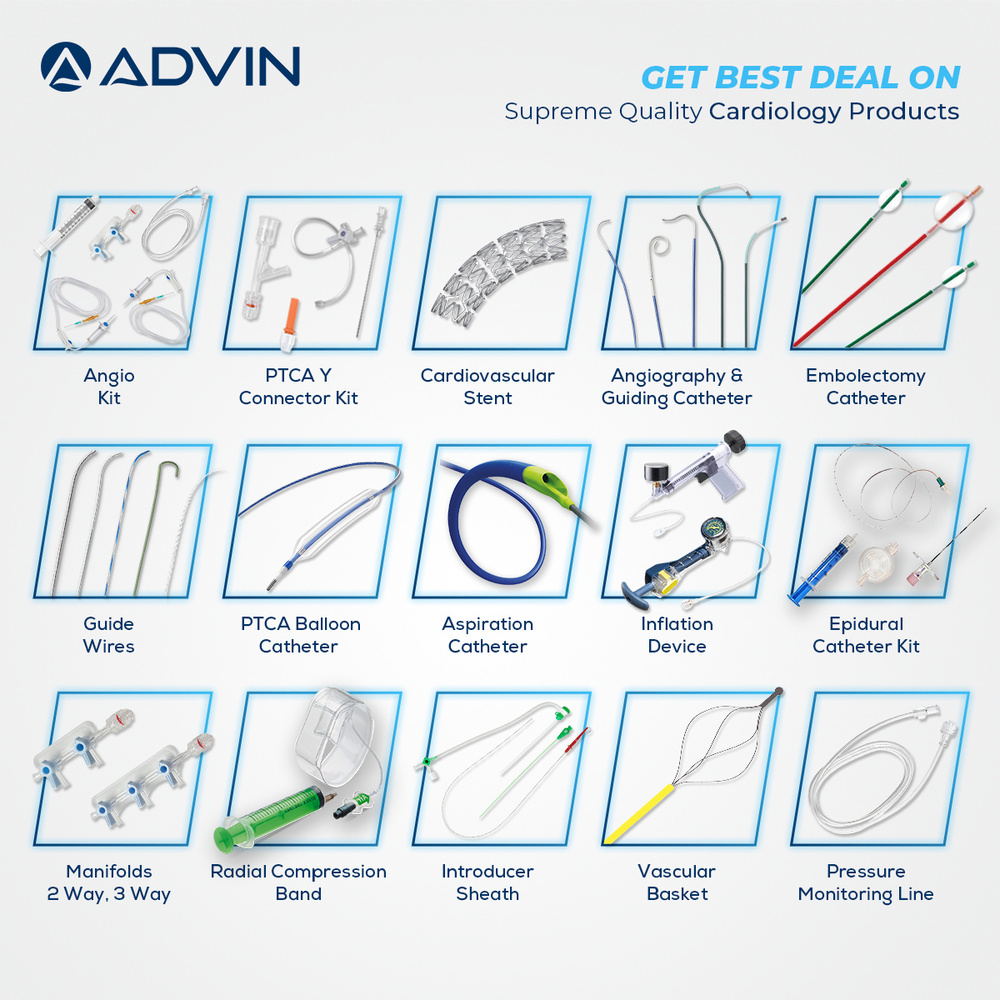
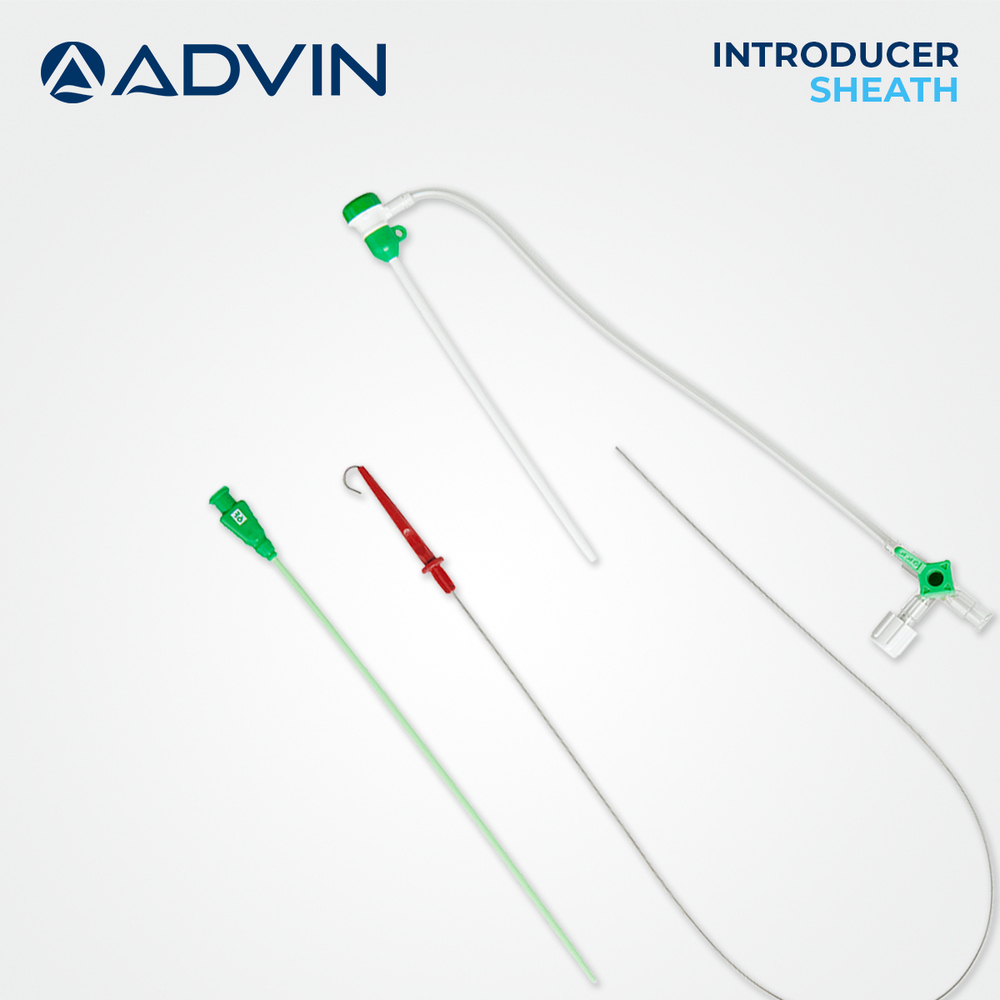
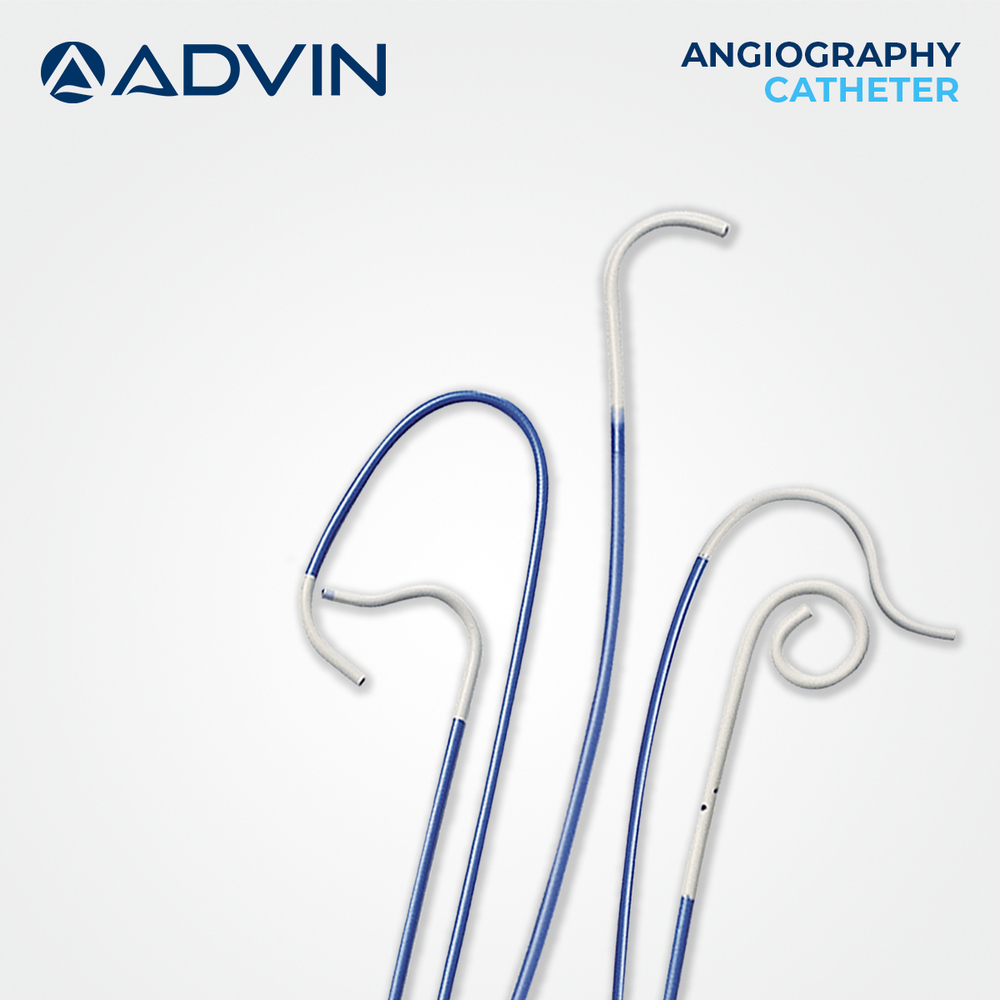
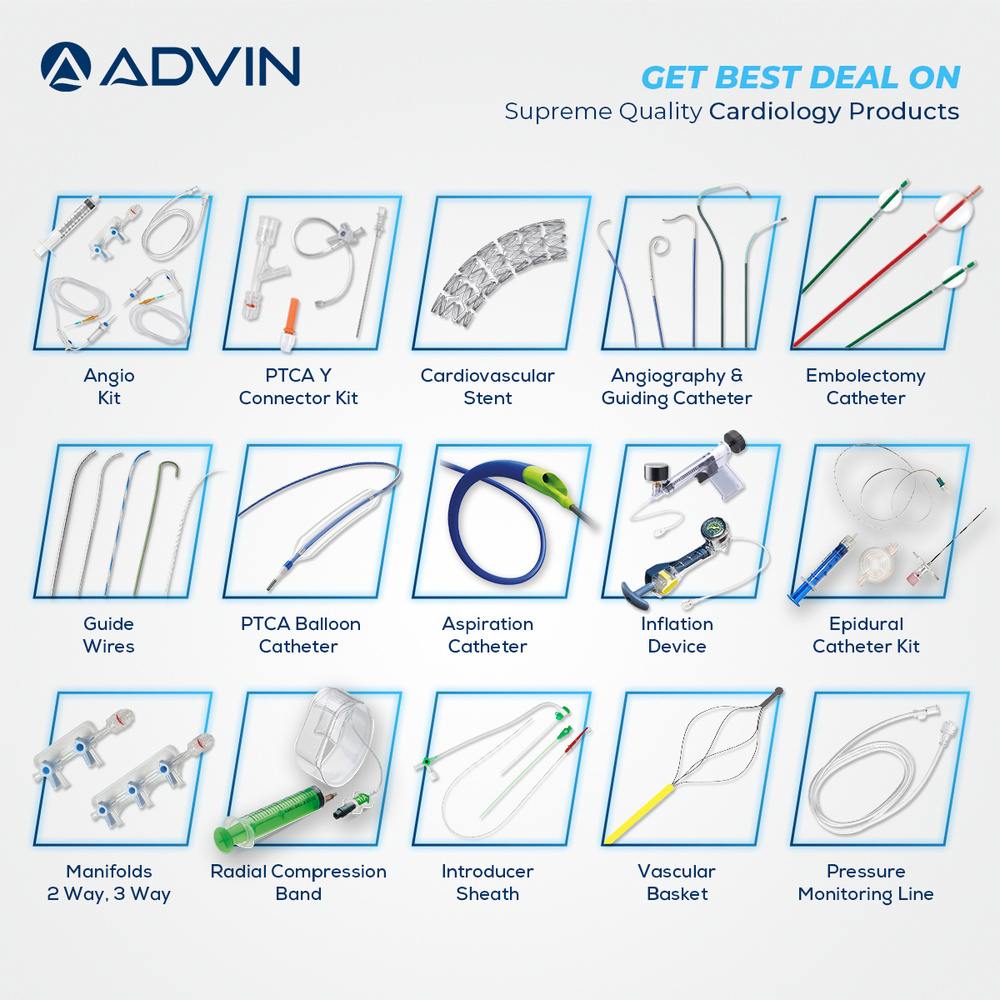
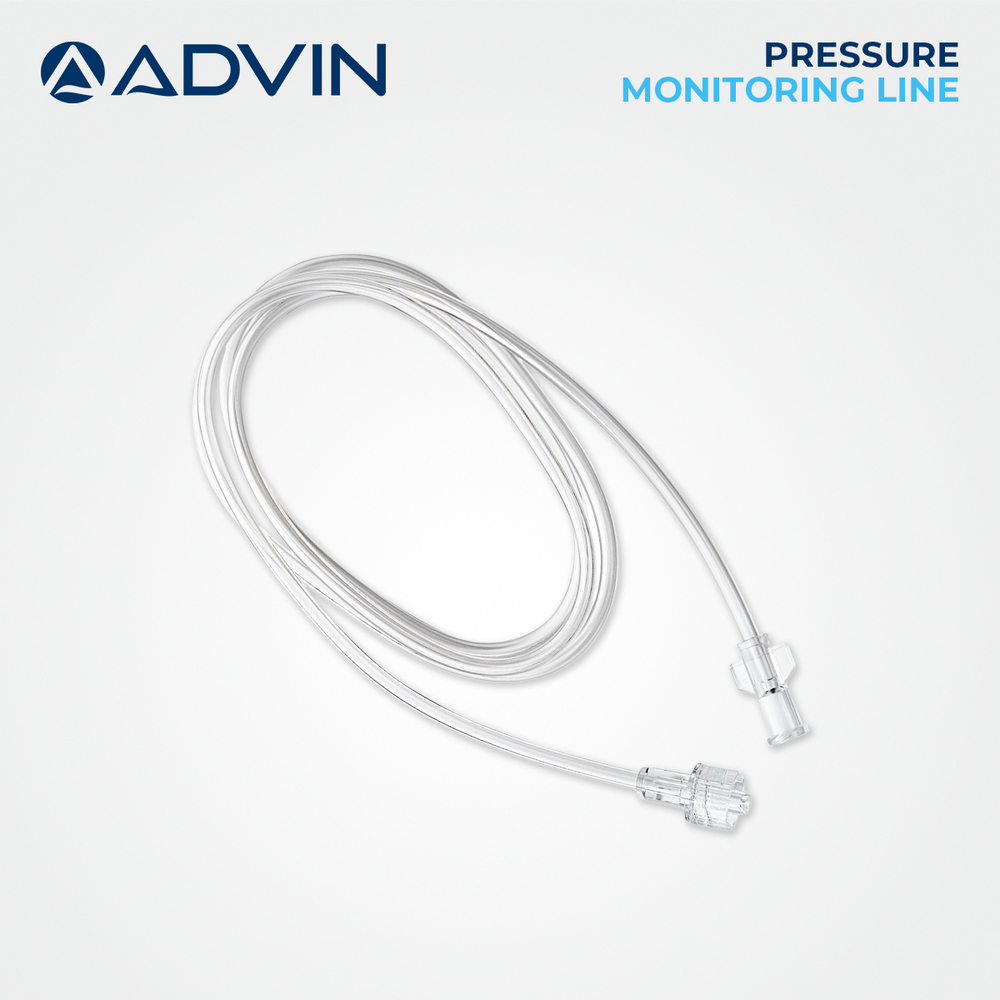
A: They support a range of cardiac interventions, including guidewire navigation, stent placement, pressure monitoring, aspiration, and infusion. Instrument types include angiographic catheters, balloon catheters, guide wires, stents, and aspiration devices.
Q: How does radiopacity benefit clinicians during interventions?
A: Radiopaque markers allow clear visualization of the instruments under X-ray and fluoroscopy, which assists clinicians in precise placement and movement of devices during minimally invasive cardiac procedures.
Q: What is the benefit of multiple tip design options in these tools?
A: Offering straight, curved, soft, and hydrophilic-coated tip designs allows clinicians to select the most suitable instrument for patient anatomy and specific procedural requirements, enhancing accuracy and clinical outcomes.

 Send Inquiry




 Send Inquiry

 Send Inquiry
 English
 Spanish
 French
 German
 Italian
 Chinese (Simplified)
 Japanese
 Korean
 Arabic
 Portuguese