
Call: 07315121789
 Send Inquiry
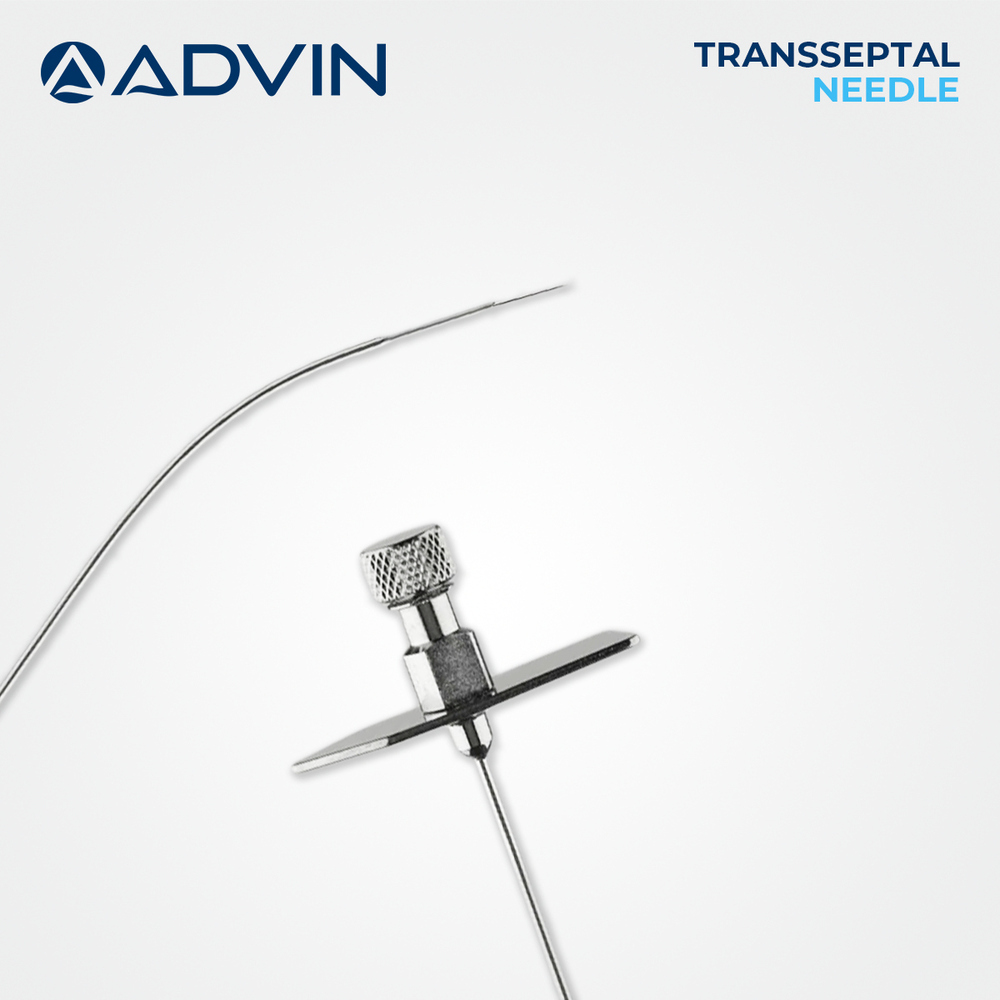
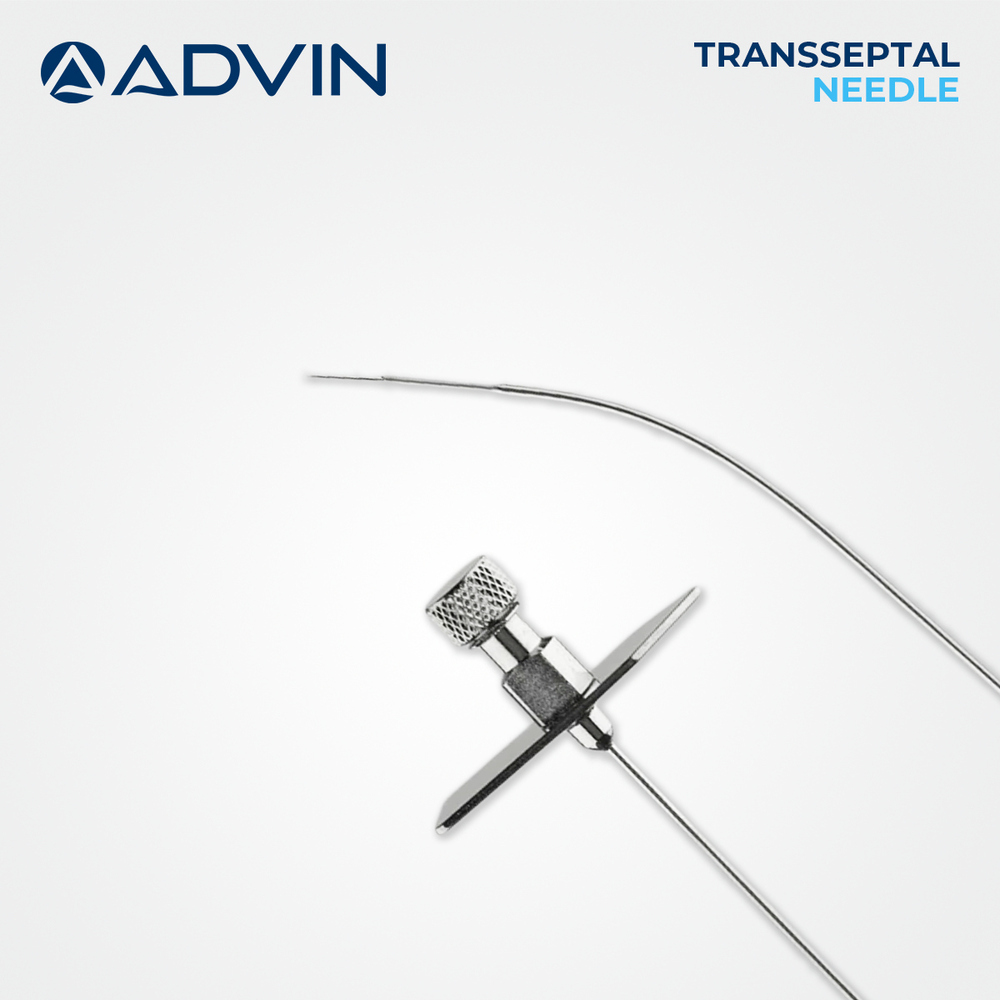
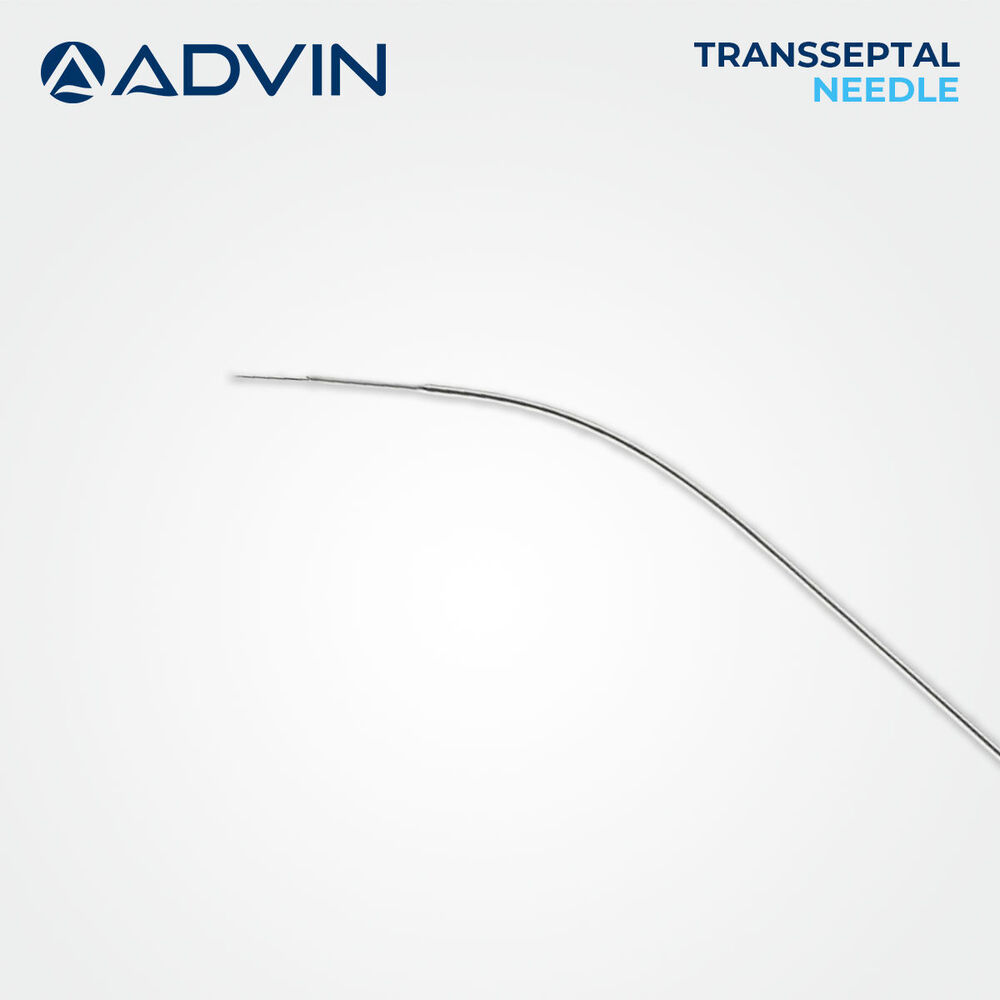
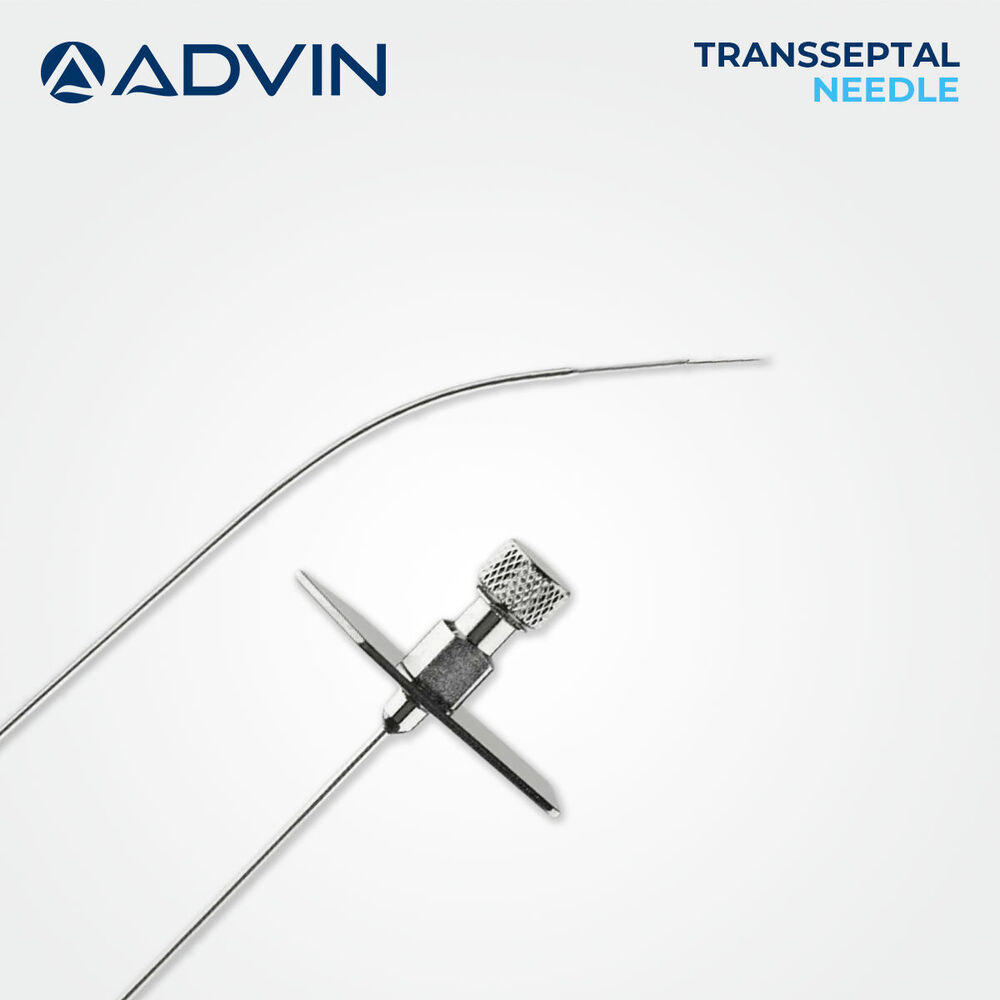
Advin Health Care is a trusted manufacturer of Catheterization Transseptal Needles designed to meet international quality standards. These needles are used in cardiac interventional procedures to safely access the left atrium through the interatrial septum.
Certifications
We are certified with CE, ISO 13485, and ISO 9001 standards.
Catheterization Transseptal Needle, Transseptal Puncture Needle, Cardiac Transseptal Needle, Interventional Transseptal Needle, Left Atrium Access Needle, Septal Access Needle

Price:
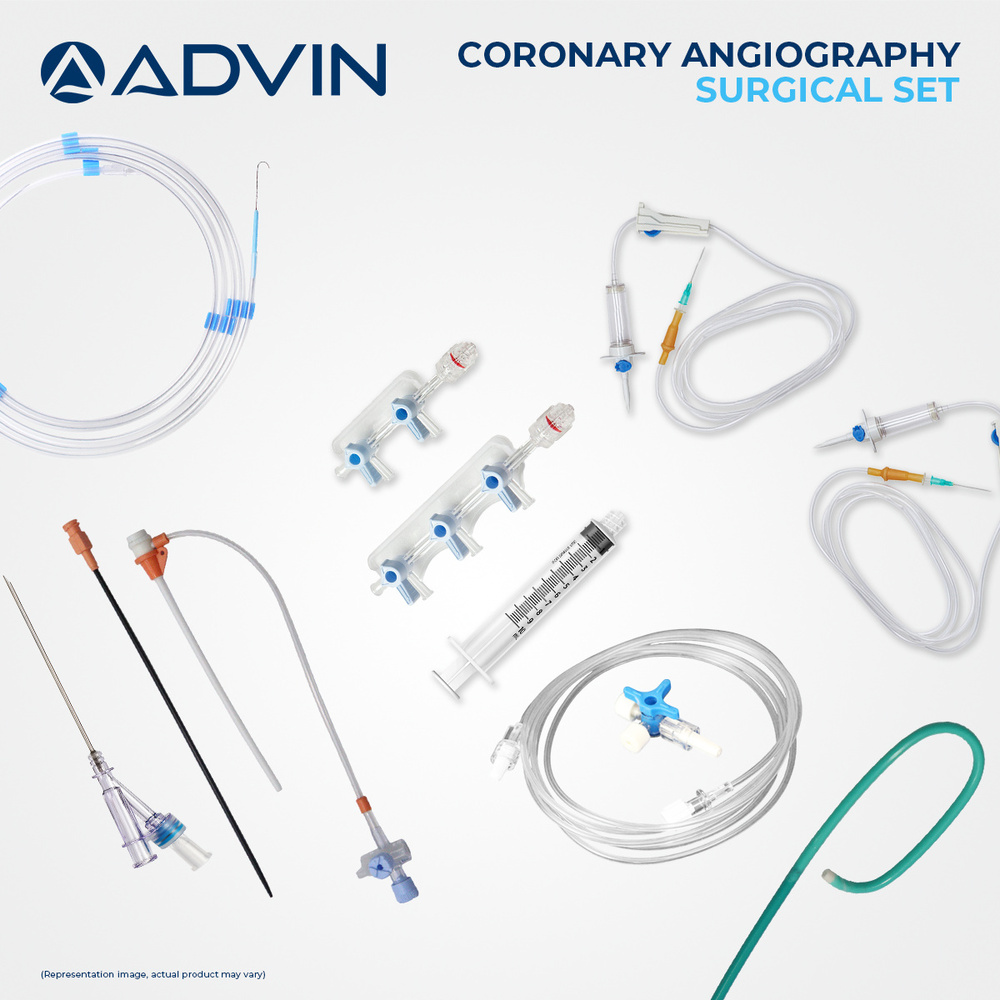
Price 75 USD ($) / Set
Minimum Order Quantity : 1 Set
Condition : New
Real-Time Operation : Yes
Use : Clinical vein visualization and vascular imaging
Wall Mounted : Other, No, Handheld/Portable
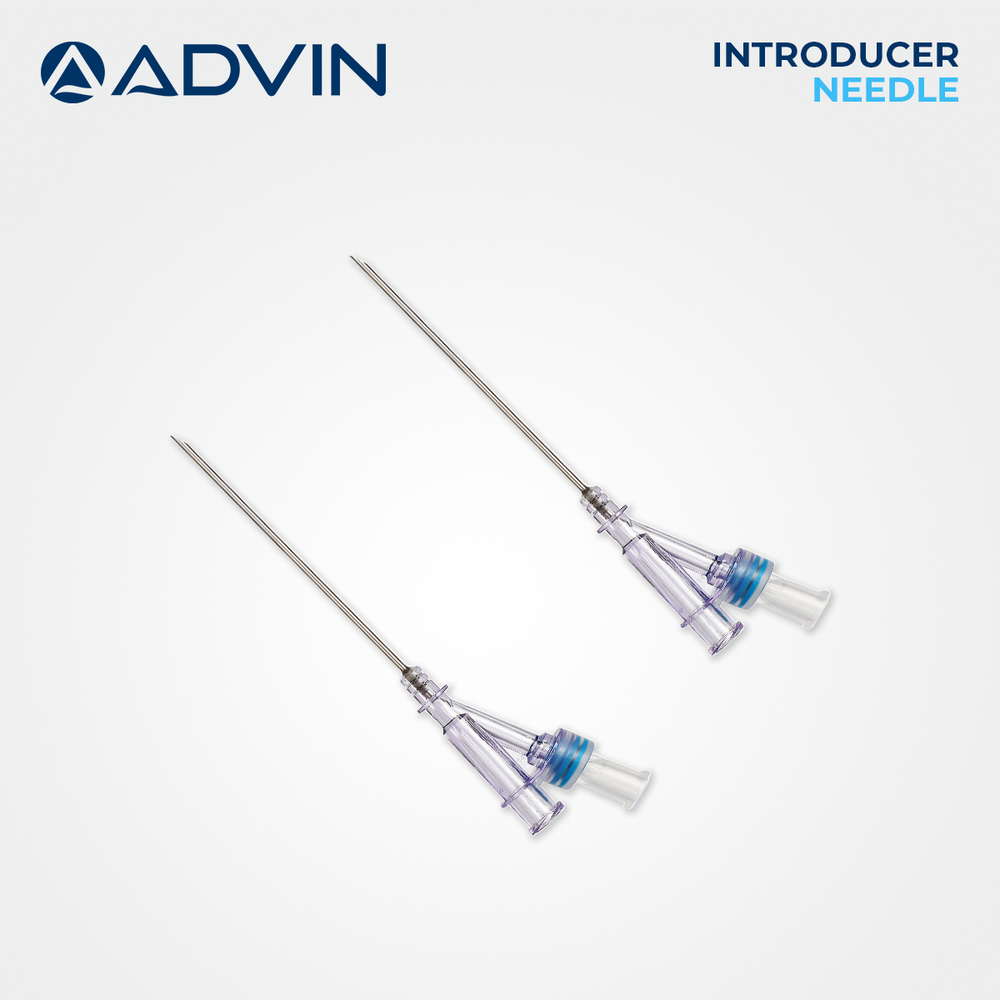
Price 2.3 USD ($) / Piece
Minimum Order Quantity : 1 Piece
Condition : New
Real-Time Operation : No
Use : Used for arterial blood collection, therapeutic, and diagnostic applications
Wall Mounted : No

Price 0.40 USD ($) / Piece
Minimum Order Quantity : 1 Piece
Condition : New
Real-Time Operation : Yes
Use : Fluid flow control in IV therapy and invasive pressure monitoring
Wall Mounted : No
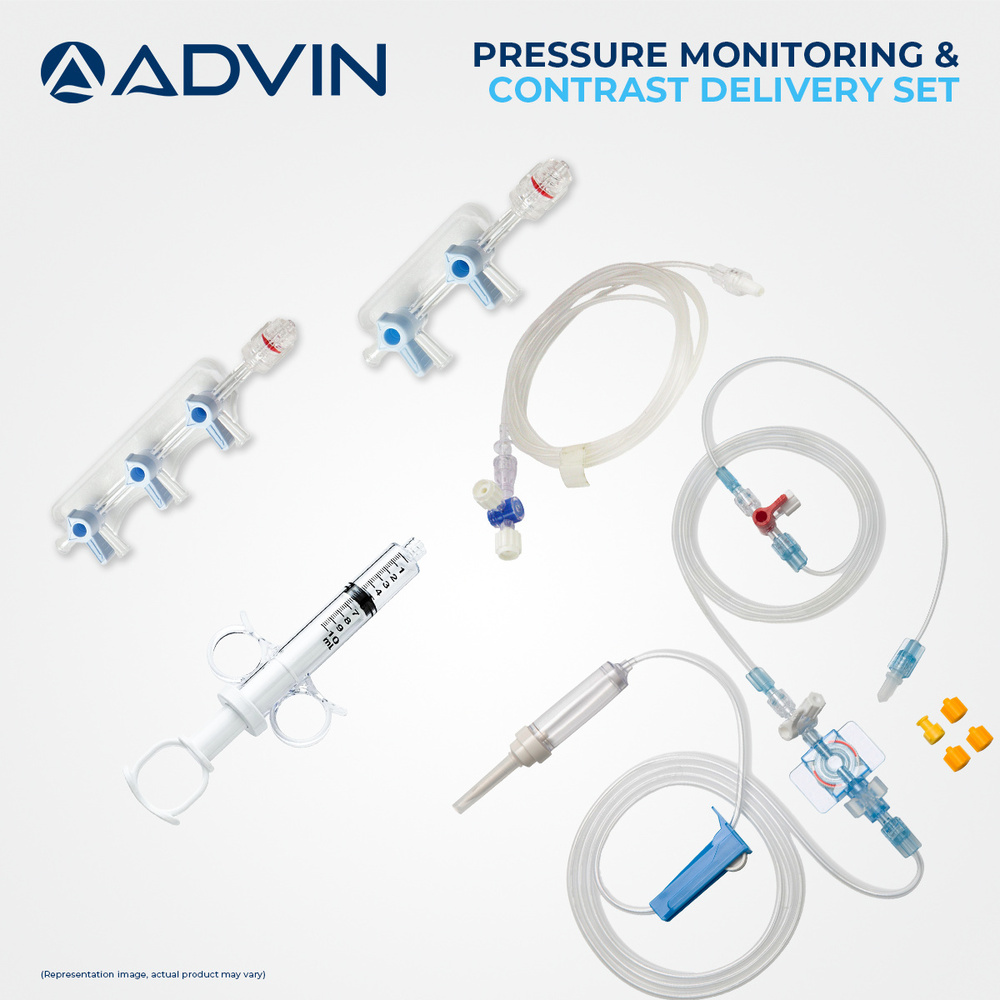
Price 25 USD ($) / Set
Minimum Order Quantity : 1 Set
Condition : New
Real-Time Operation : Yes
Use : For angiography procedures, used to inject contrast media
Wall Mounted : No
GST : 24CTVPS5589L1ZE


 Send Inquiry

 Send Inquiry
 English
 Spanish
 French
 German
 Italian
 Chinese (Simplified)
 Japanese
 Korean
 Arabic
 Portuguese