About Coronary angioplasty and stents (PCI)
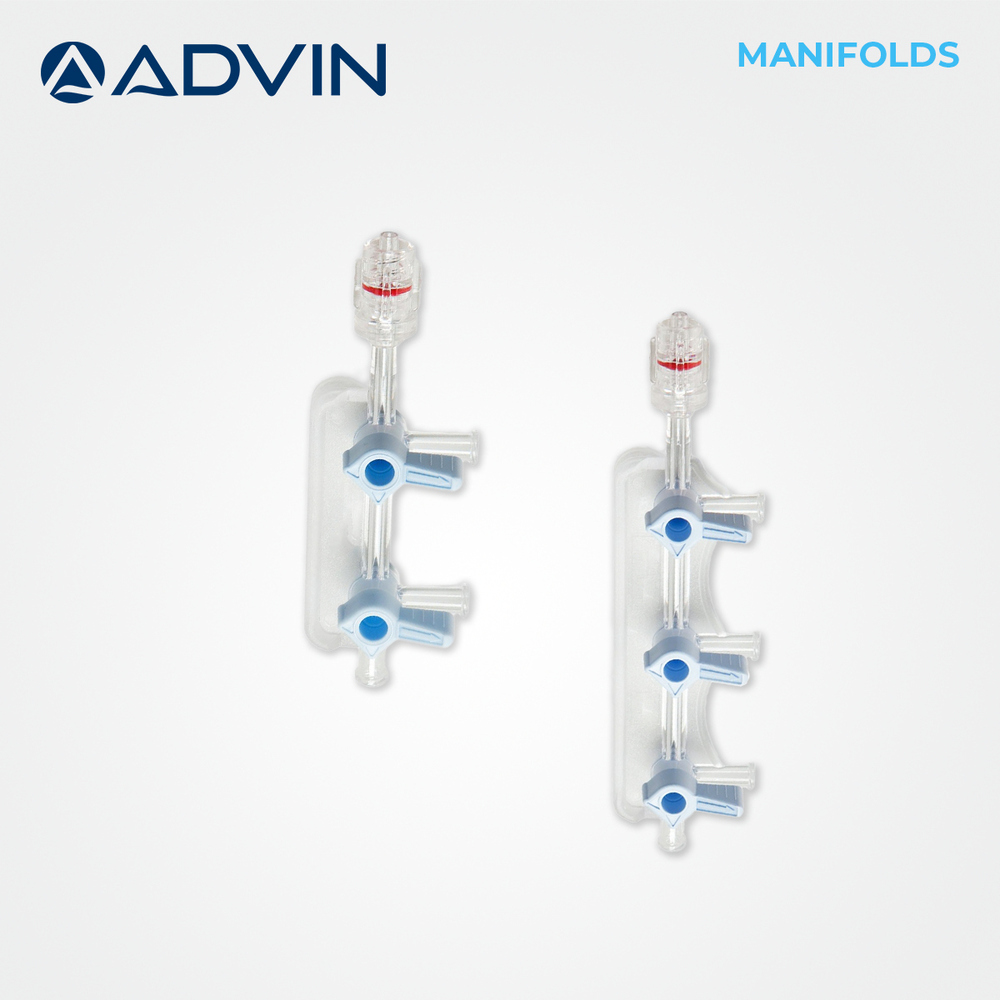
Advin 3-Way Infusion Manifold Angioway is designed for safe and efficient fluid management during angiographic and interventional cardiology procedures. It provides multiple access points for accurate infusion and administration of medications or contrast agents. The manifold ensures smooth operation, secure connections, and compatibility with standard angiographic systems.Advanced Features:
-
Three-way design for multiple infusion access points
-
Smooth and leak-proof operation for safety
-
Compatible with standard angiography systems
-
Durable construction for reliable performance
-
Supports efficient workflow in interventional cardiology procedures
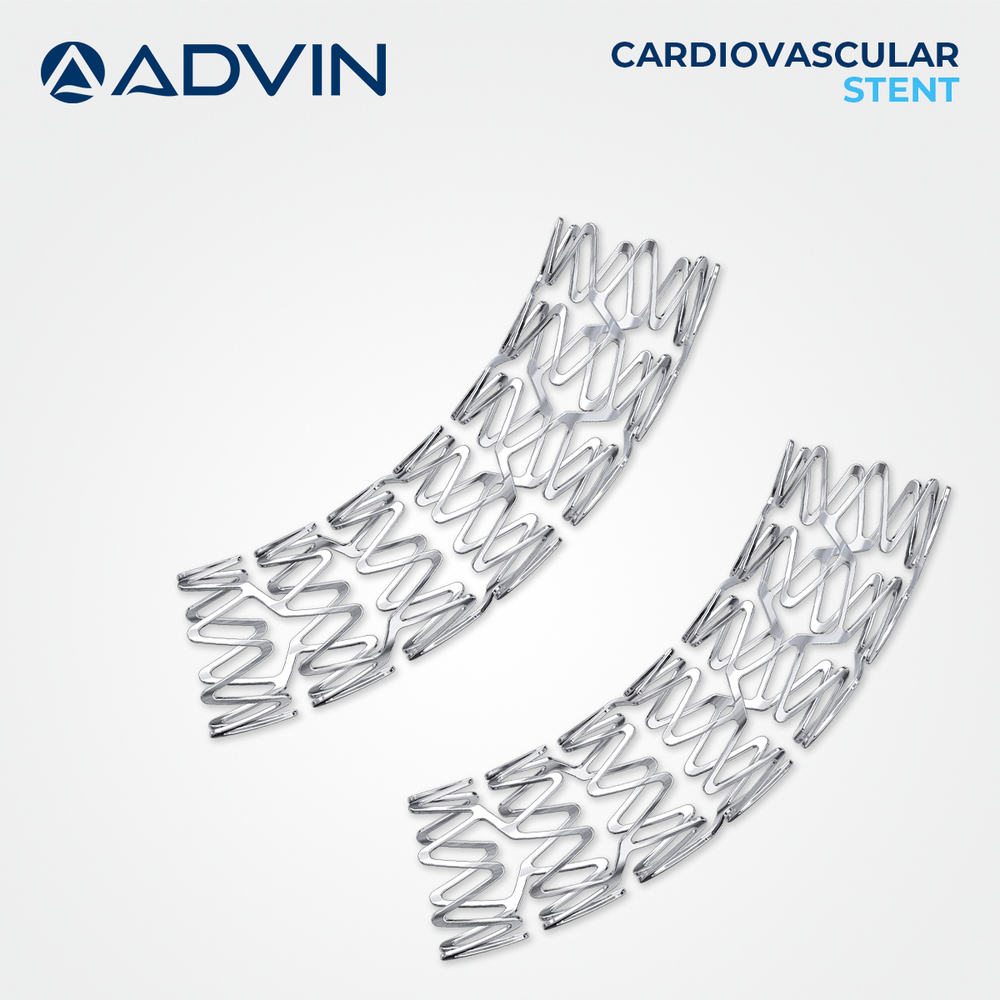
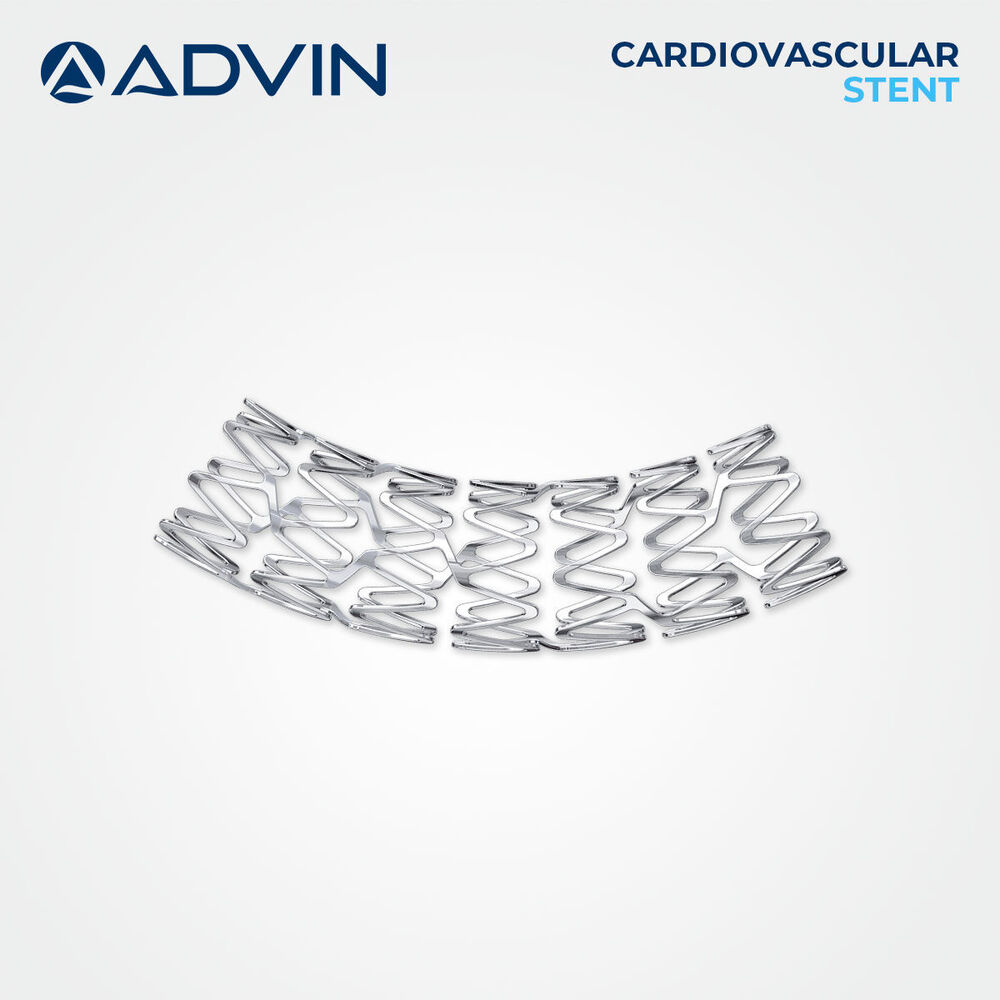
Innovative Stent Technology for Enhanced Patient CareThese PCI systems employ the latest advances in interventional cardiology, providing both drug-eluting and bare metal stents to suit individual patient needs. The high radiopacity, derived from platinum/iridium markers, enables clinicians to achieve highly accurate placement, ensuring optimal blood flow restoration and minimizing post-procedure complications.
Superior Compatibility and VersatilityDesigned with flexibility in mind, the angioplasty and stent delivery system is compatible with common catheter sizes (5F, 6F, 7F) and supports a range of stent dimensions. The equipment adapts to both semi-compliant and non-compliant balloon types, ensuring versatility in different clinical scenarios.
Safety, Quality, and Convenience AssuredWith stringent sterilization (ethylene oxide), secure packaging, and regulatory certifications (CE Marked/US FDA Approved), these disposable, single-use stents ensure maximum safety. Lightweight and portable, they can be used in diverse hospital settings. Their three-to-five-year shelf life allows for flexible inventory management.
FAQs of Coronary angioplasty and stents (PCI):
Q: How are coronary angioplasty and stents (PCI) deployed during the intervention?
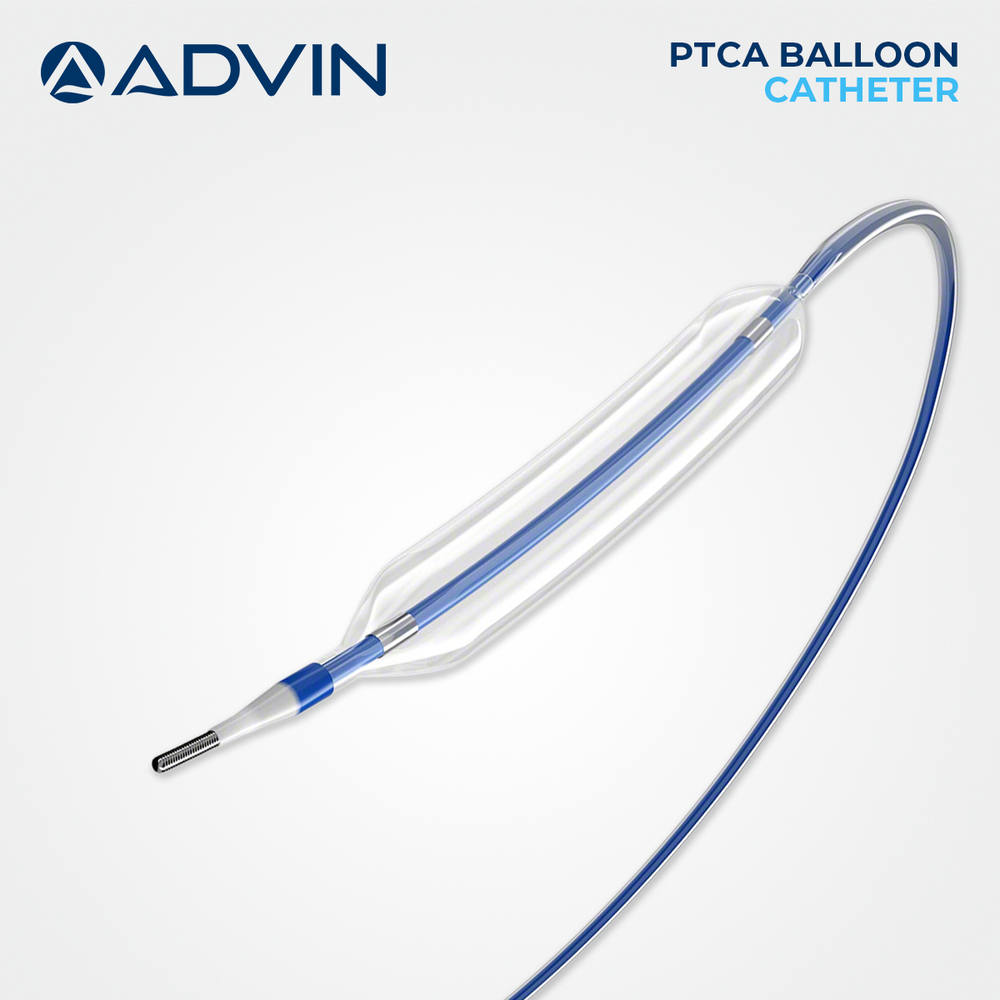
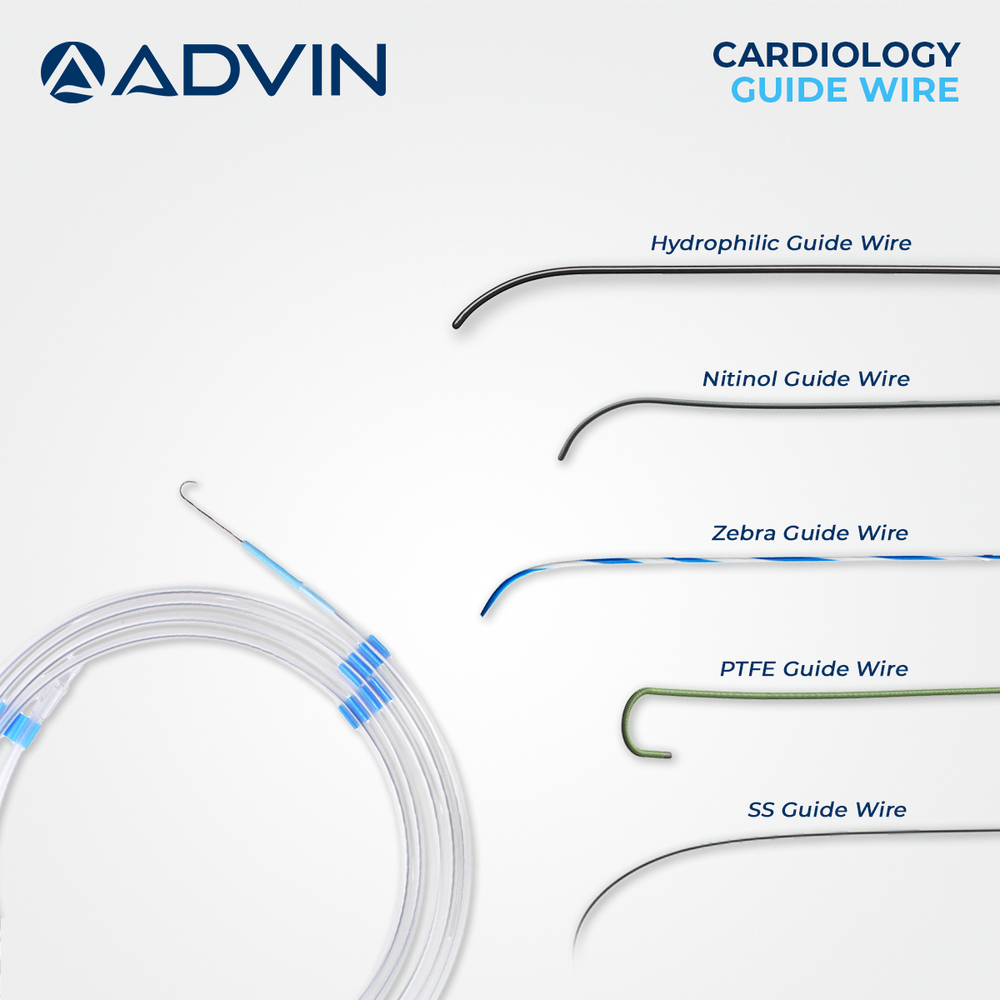
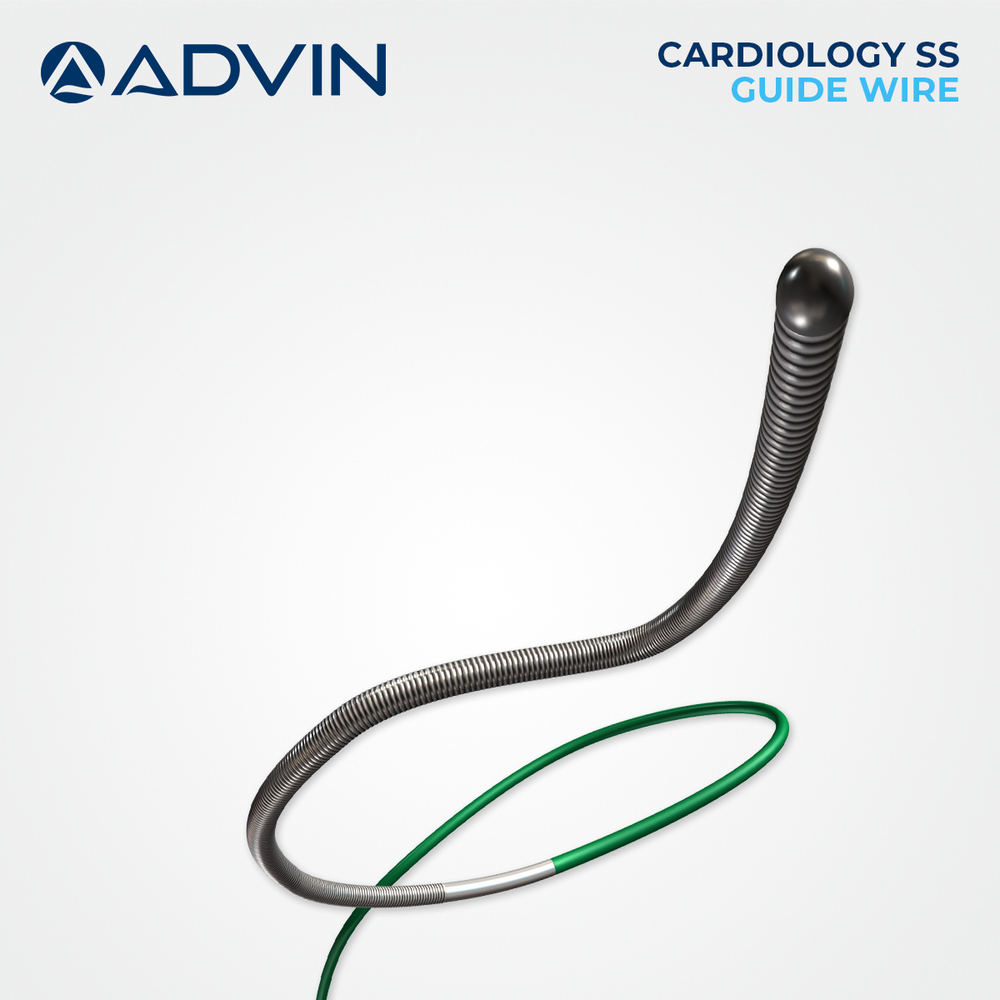
A: Coronary angioplasty and stents (PCI) are deployed manually or with assisted techniques by threading a catheter carrying a balloon and stent over a 0.014" guidewire. Once accurately positioned in the narrowed artery, the balloon is inflated to expand the stent, restoring blood flow. The system is compatible with 5F, 6F, and 7F catheters for versatile access.
Q: What are the main benefits of using drug-eluting or bare metal stents with this PCI system?
A: Drug-eluting stents help minimize the risk of restenosis and thrombosis by slowly releasing medication, while bare metal options may be preferred for certain clinical situations. Both are made from medical-grade materials and deliver high precision due to their radiopaque markers, supporting effective and tailored treatment of coronary artery blockages.
Q: When should this PCI system be used in patient care?
A: This equipment is intended for primary and rescue percutaneous coronary interventions, especially for patients with significant coronary artery narrowing. It is commonly chosen when immediate restoration of blood flow is required during acute cardiac events such as heart attacks.
Q: Where is this angioplasty and stent system utilized?
A: The system is primarily used in hospital catheterization laboratories (cath labs) by cardiologists specializing in interventional cardiology. Its portable and sterile packaging makes it easy to handle across various healthcare facilities.
Q: What special features ensure high accuracy during stent placement?
A: High radiopacity from platinum/iridium markers on the stent facilitates precise visualization under imaging equipment. This, combined with the stents flexibility and variety of size options, allows clinicians to accurately position the device within coronary arteries.
Q: How should these PCI stents be stored to maintain their quality?
A: Stents should be stored in a cool, dry place away from direct sunlight. The sterile double blister pack ensures the product remains uncontaminated with a shelf life of three to five years.
Q: What regulatory approvals do these coronary stents hold, and why is this important?
A: The stents are CE marked and/or US FDA approved, meaning they meet strict international safety and efficacy standards. This ensures clinicians and patients receive a high-quality, trustworthy intervention device for treating coronary artery disease.

 Send Inquiry




 Send Inquiry

 Send Inquiry
 English
 Spanish
 French
 German
 Italian
 Chinese (Simplified)
 Japanese
 Korean
 Arabic
 Portuguese