About Coronary Artery Stents Cardiology
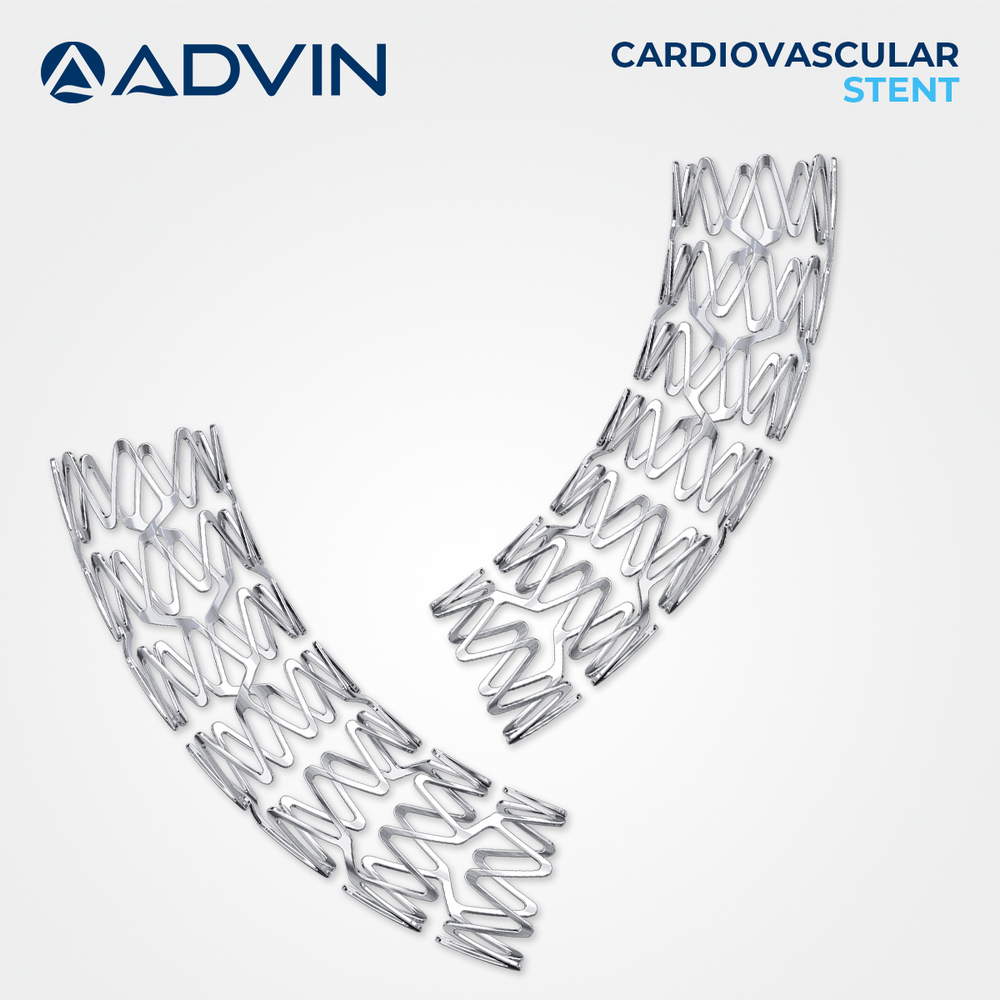
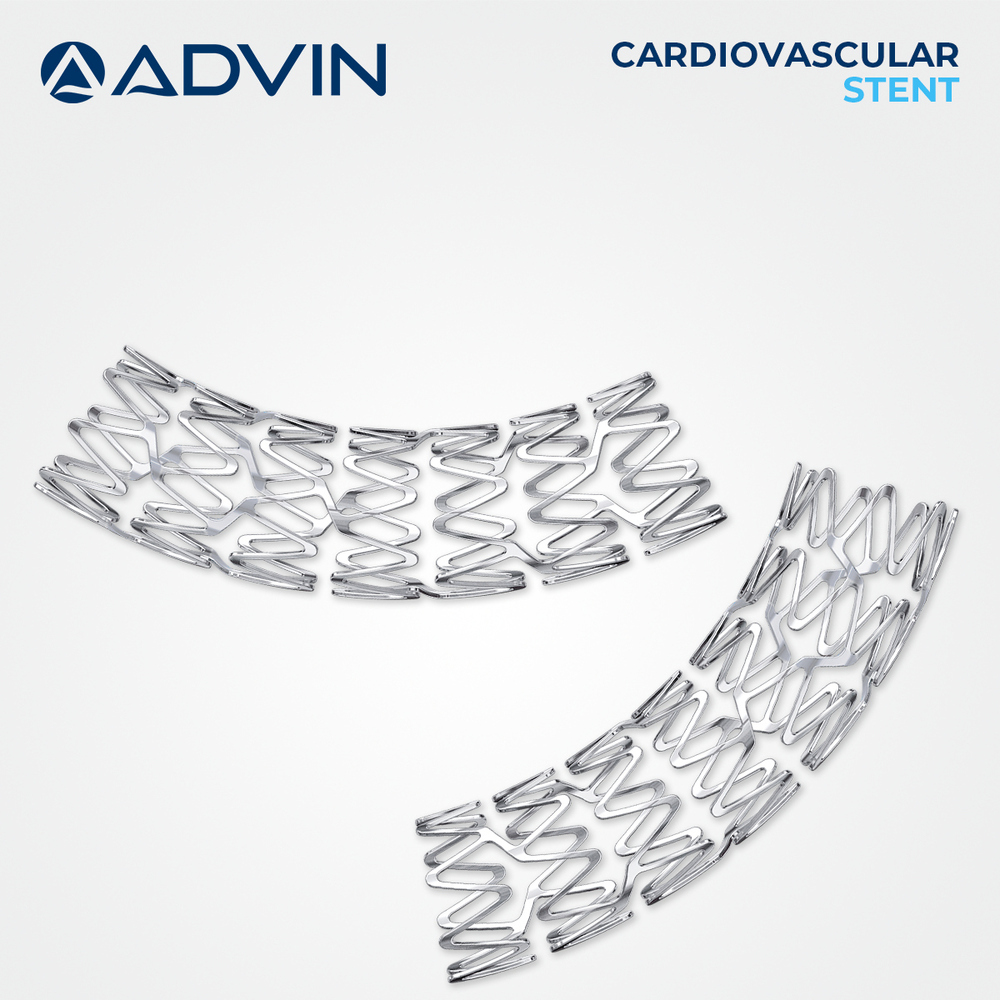
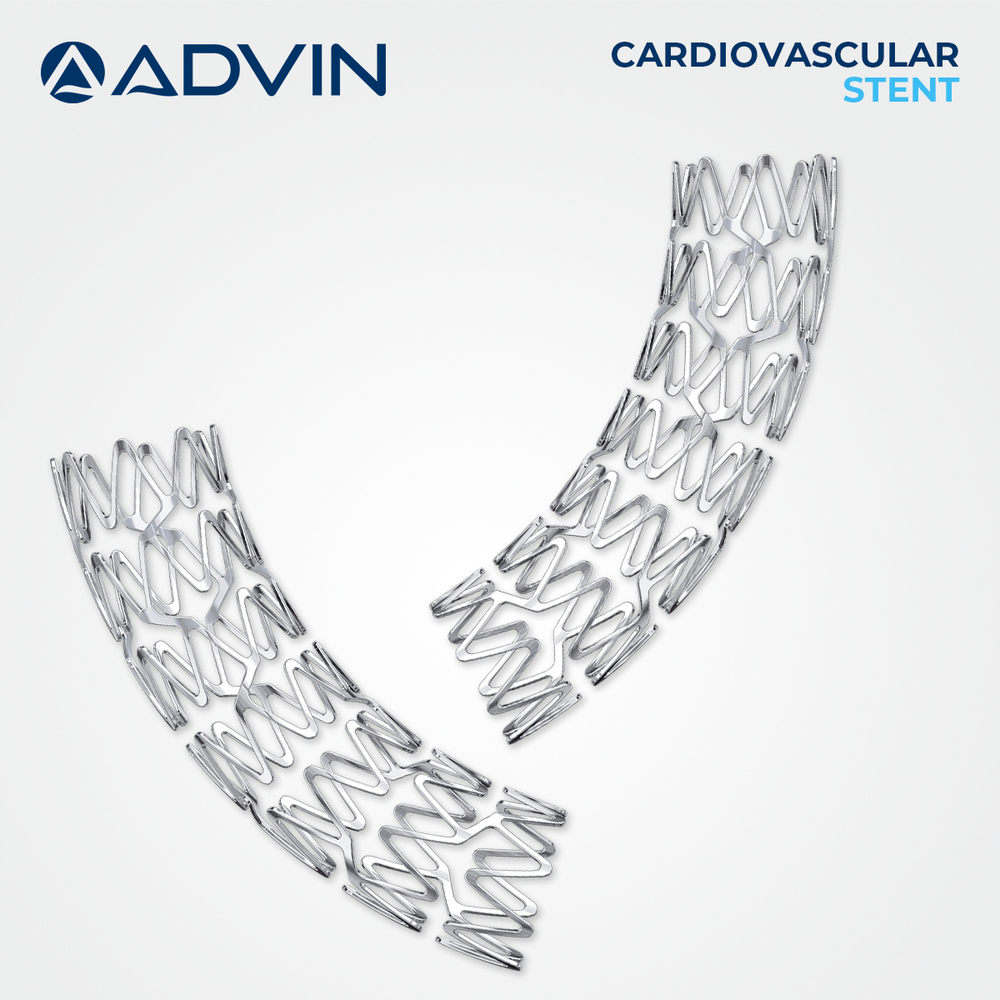
Advin Health Care offers Coronary Artery Stents designed to meet international quality standards. These stents are widely used in cardiology for the treatment of narrowed or blocked coronary arteries, restoring optimal blood flow and supporting long-term vessel patency during percutaneous coronary intervention (PCI) procedures.
Key Features
- Advanced stent design for effective arterial support
- High radial strength for reliable vessel expansion
- Excellent flexibility and trackability in complex lesions
- Smooth and precise deployment system
- Biocompatible materials for enhanced safety and performance
Specifications
- Type: Coronary Artery Stent
- Material: Stainless Steel / Cobalt Chromium
- Variants: Drug Eluting Stent (DES) / Bare Metal Stent (BMS)
- Delivery System: Balloon-expandable system
- Sterilization: EO Sterilized
- Usage: Single-use
- Application: Treatment of coronary artery disease (CAD) in cardiology procedures
Certifications
CE, ISO 13485, and ISO 9001 certified
Product Keywords
Coronary Artery Stents, Cardiology Stents, Coronary Stent, PCI Stent, Drug Eluting Stent, Bare Metal Stent, Cardiac Stent
, , , , , ,
Stents de arteria coronaria, stents de cardiologa, stent coronario, stent para ICP, stent liberador de frmacos, stent metlico desnudo, stent cardaco
Stents coronaires, stents de cardiologie, stent coronaire, stent d'intervention coronarienne percutane (ICP), stent lution de mdicament, stent mtallique nu, stent cardiaque
Advanced Drug-Eluting TechnologyThese coronary artery stents utilize a sophisticated polymer coating infused with proven anti-restenotic drugs like Sirolimus or Paclitaxel. This modern approach significantly reduces the risk of vessel re-narrowing by gradually releasing the medication at the stent site, resulting in improved long-term vascular outcomes.
Precision Delivery and High VisibilityEach stent is balloon-expandable and pre-mounted on a balloon catheter, simplifying the deployment process. Their high radiopacity ensures clear visualization under X-ray, supporting optimal placement and reducing procedural risk. Cobalt-chromium construction offers a balance of strength and flexibility for diverse patient anatomies.
Safe, Sterile, and ReliableEvery stent is sterilized using reliable ethylene oxide, packaged in a secure sterile blister pack, and designed for single use to ensure patient safety. Compatibility with the standard 0.014" guidewire streamlines integration into established interventional cardiology procedures, making it convenient and dependable for healthcare professionals.
FAQ's of Coronary Artery Stents Cardiology:
Q: How is the coronary artery stent used during a PTCA procedure?
A: The stent, pre-mounted on a balloon catheter, is delivered via a standard 0.014" guidewire to the narrowed coronary segment. The balloon is then inflated, expanding the stent against the vessel wall to restore blood flow. The balloon is deflated and withdrawn, leaving the stent in place.
Q: What benefits does the drug-eluting stent provide over bare metal options?
A: The polymer-drug layer, typically Sirolimus or Paclitaxel, minimizes the risk of restenosis by gradually releasing medication that inhibits tissue overgrowth, leading to sustained vessel patency compared to bare metal stents.
Q: When should this type of stent be selected for a patient?
A: This stent is suitable for adult patients diagnosed with coronary artery blockages and indicated for percutaneous transluminal coronary angioplasty, especially where reducing the risk of restenosis is essential.
Q: Where should the stents be stored before use?
A: Stents should be stored in a cool, dry place away from direct sunlight, ensuring the temperature and humidity remain stable to preserve the integrity and sterility of the device.
Q: What is the process for ensuring the stent maintains sterility until use?
A: Each stent undergoes ethylene oxide sterilization and is sealed in a sterile blister pack. The packaging should not be opened until immediately prior to the procedure to maintain sterility.
Q: Is the stent compatible with all guidewire sizes?
A: The stent is specifically designed for use with standard 0.014-inch guidewires, which are commonly used in interventional cardiology.

 Send Inquiry



 Send Inquiry

 Send Inquiry
 English
 Spanish
 French
 German
 Italian
 Chinese (Simplified)
 Japanese
 Korean
 Arabic
 Portuguese