About Diagnostic Guiding Catheter
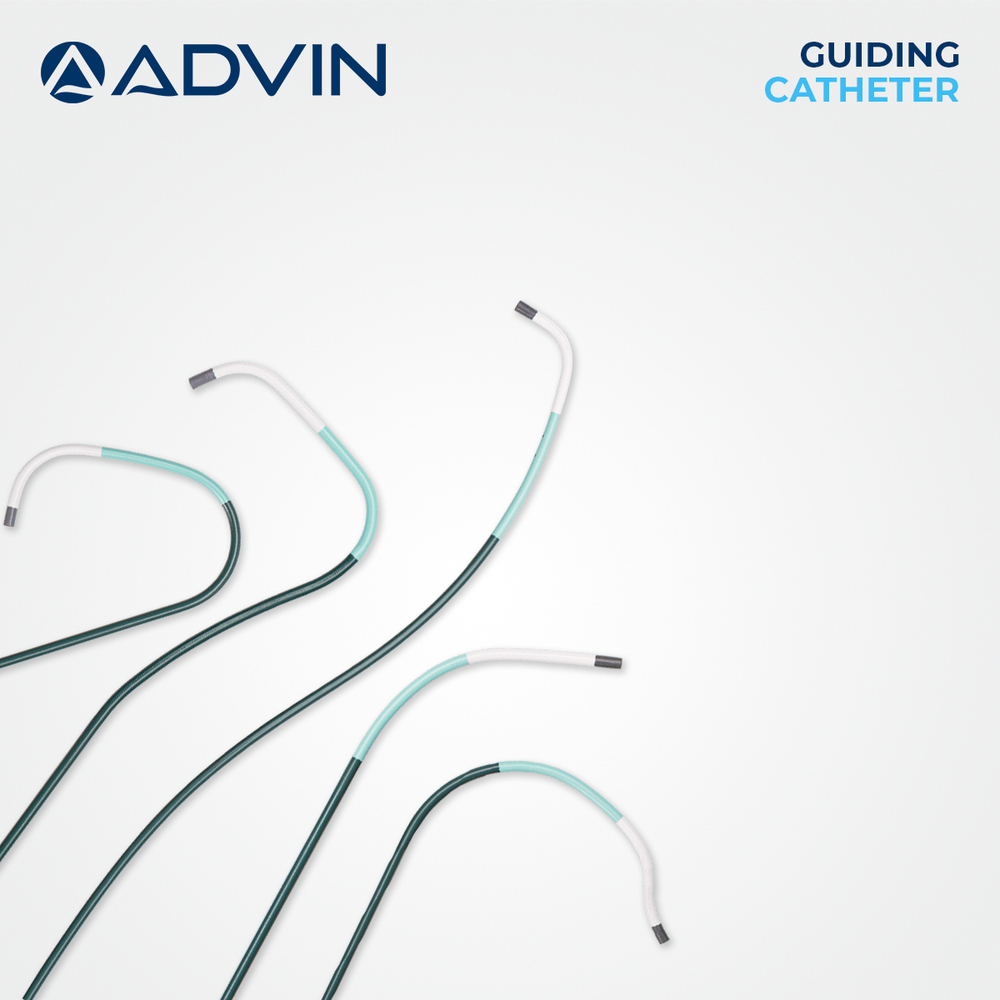
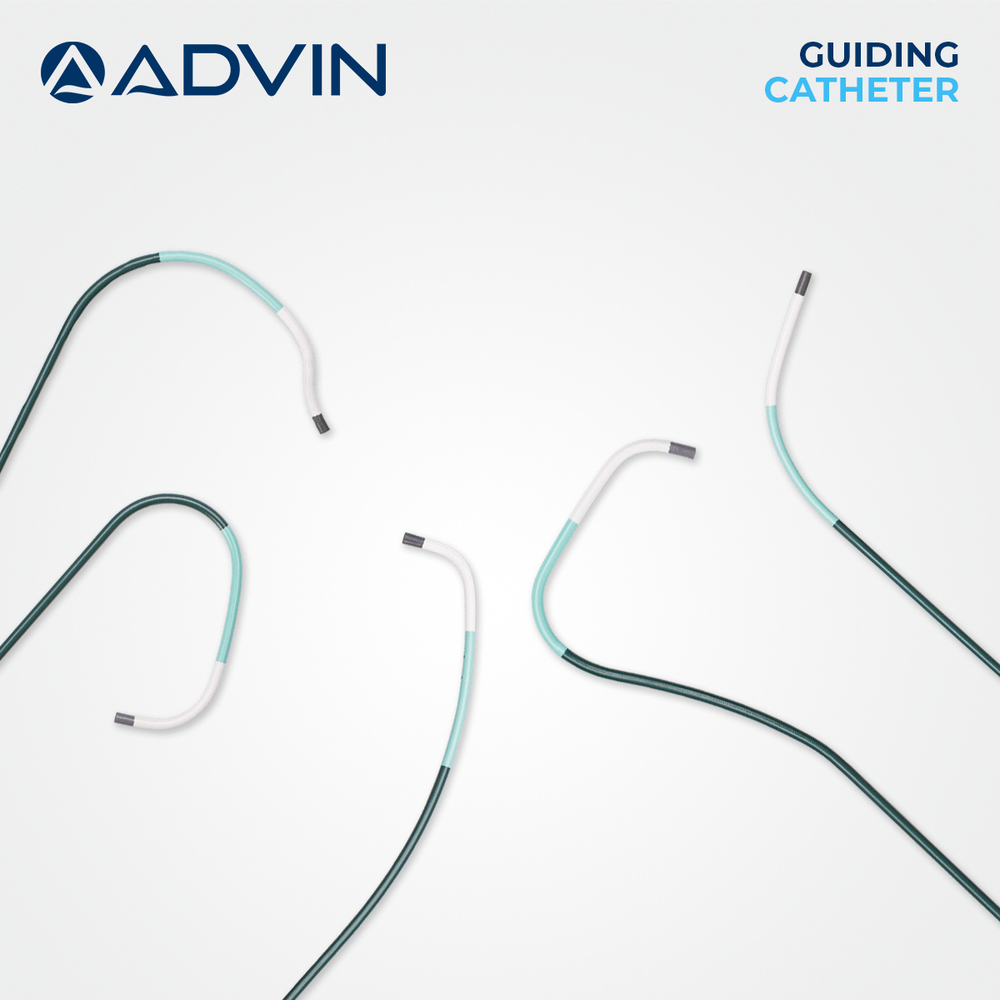
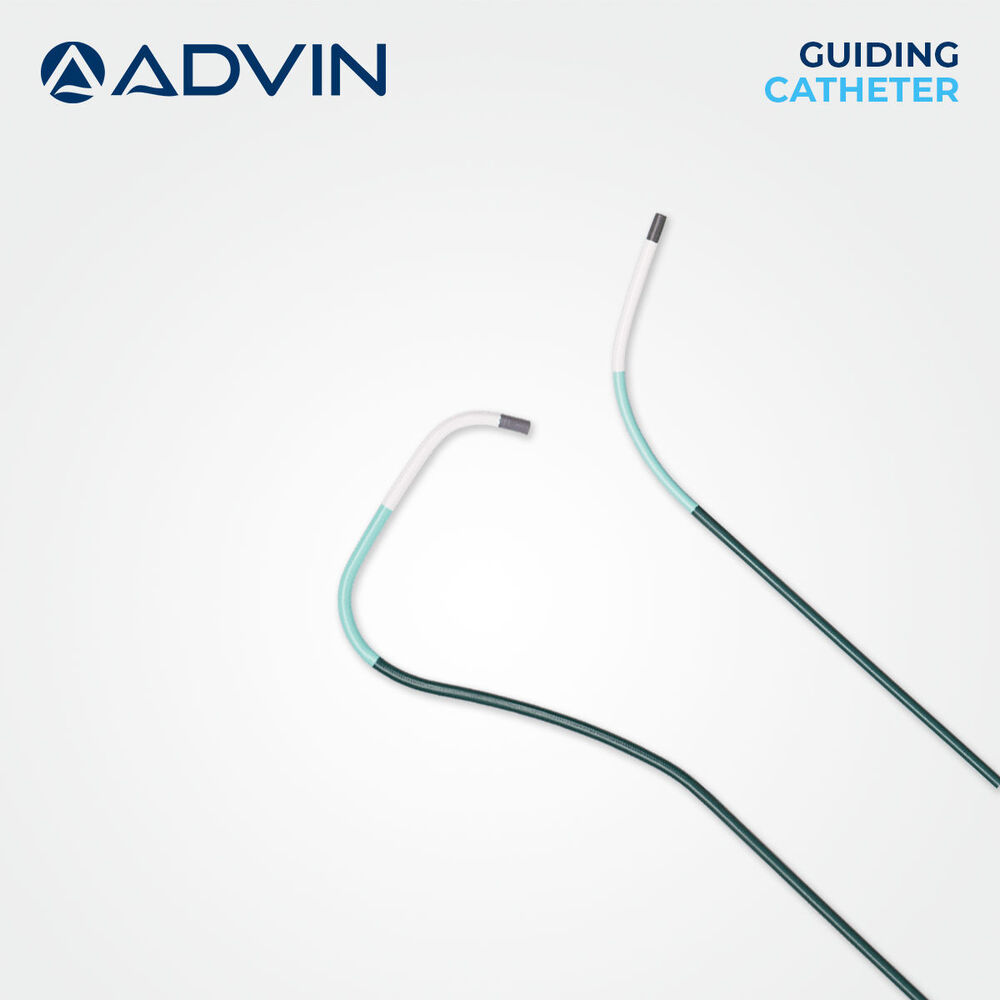
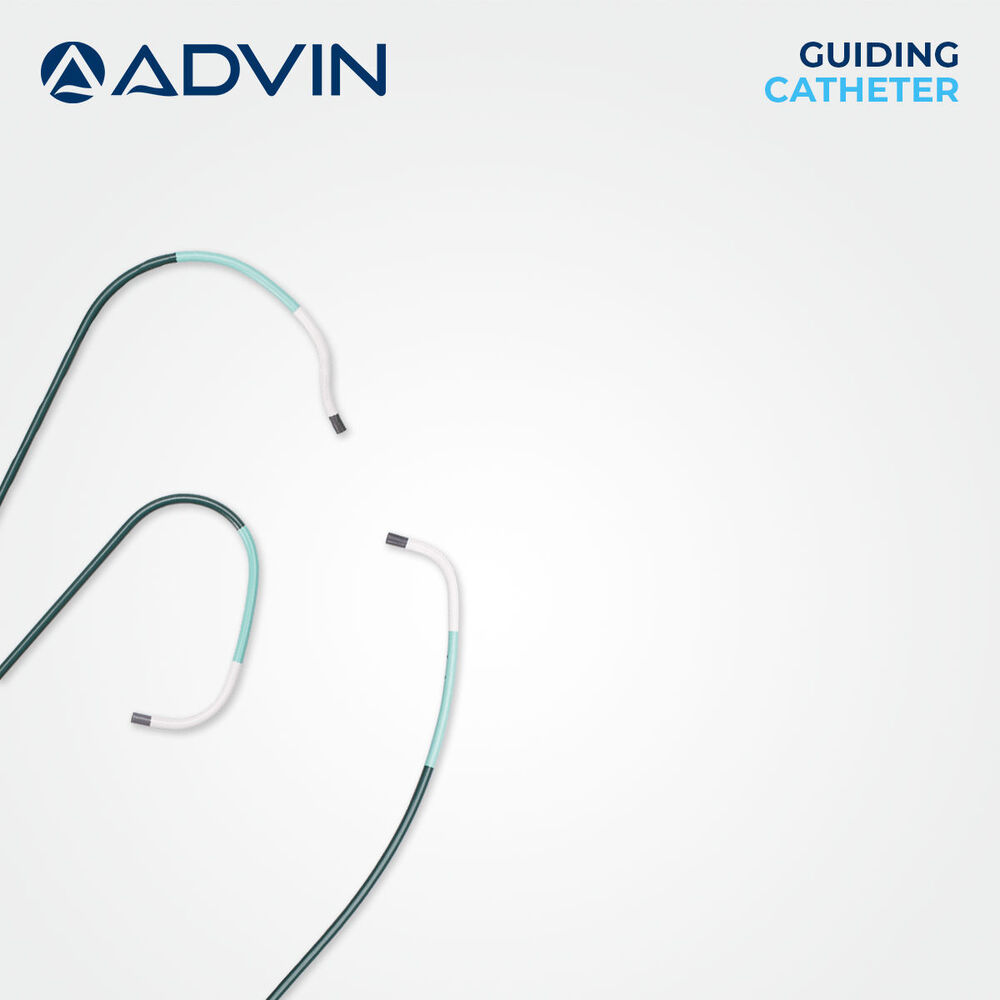
The diagnostic guiding catheter is designed to provide stability and directional control during diagnostic angiography procedures. Its structure allows clinicians to position the catheter accurately for reliable imaging and assessment. Advin Health Care manufactures this catheter with a strong focus on clinical reliability, safety, and consistent performance. The catheter supports efficient procedural workflow and is suitable for a variety of diagnostic cardiovascular applications.
Advanced Features
-
Designed to provide stable access during diagnostic procedures
-
Supports smooth navigation and controlled positioning
-
Compatible with standard diagnostic guide wires and systems
-
Intended for single-use clinical applications
Product Keywords
Diagnostic Guiding Catheter, Guiding Catheter, Coronary Guiding Catheter, Angiography Guiding Catheter, Interventional Support Catheter, Diagnostic Catheter
U3 aUUU a UU U3 aUUU U3 aUUU UU UUU UaU U3 aUUU UaUU UU1U U UUU U3 1U Ua Ua U1UU U3 a UU
31234NN NNo 1 12N2NNN 1 oNNN, 12N2NNN 1 oNNN, o34N3412N12N1 12N2NNN 1 oNNN, 12N2NNN 1 oNNN N 123 343NN , 12NN212N 341212N1 34 N 2NN 1 oNNN, 31234NN NNo 1 oNNN
CatAter guAa de diagnA3stico, CatAter guAa, CatAter guAa coronario, CatAter guAa de angiografAa, CatAter de soporte intervencionista, CatAter de diagnA3stico
CathAter de guidage diagnostique, cathAter de guidage, cathAter de guidage coronaire, cathAter de guidage pour angiographie, cathAter d'assistance interventionnelle, cathAter diagnostiqueSuperior Navigation and PlacementEngineered with a soft, shapeable tip and advanced multi-lumen construction, this catheter offers unmatched navigation through both coronary and peripheral vessels. Its enhanced torque control and kink resistance help clinicians achieve accurate placement, reducing the risk of vessel trauma during diagnostic or guiding procedures.
Advanced Safety and VisibilityEquipped with a radiopaque marker, the catheter ensures excellent visibility under fluoroscopy, enabling real-time monitoring and precise guidance. The latex-free, EO gas-sterilized device meets CE and ISO 10555-8 standards, supporting the highest benchmarks for safety and hygiene.
Versatility and CompatibilityDesigned for flexibility, the catheter comes in French sizes 4 Fr to 8 Fr, with compatibility for guide wires up to 0.038-inch. It fits standard Luer lock connections and is suitable for use in various interventional cardiology and angiography cases. Each catheter is packaged in a sterile barrier blister pack, ready for immediate single-use application.
FAQ's of Diagnostic Guiding Catheter:
Q: How does the soft, shapeable tip benefit vessel navigation during procedures?
A: The soft, shapeable tip allows for atraumatic advancement through blood vessels, minimizing the risk of vessel injury while providing excellent steerability and adaptability to different anatomies during diagnostic and guiding catheterization.
Q: What steps should be followed to ensure proper and sterile use of the diagnostic guiding catheter?
A: Begin by confirming the sterile barrier of the blister pack is intact. Open the packaging in an aseptic environment. Use standard Luer lock connections for secure setup, and only utilize guide wires up to 0.038 inch for compatibility and safety. The catheter is intended for single-use only.
Q: When should this catheter be used in clinical practice?
A: This diagnostic guiding catheter is suitable for both coronary and peripheral vessel catheterization during interventional cardiology and angiography procedures requiring precise placement, enhanced fluoroscopic visibility, and gentle navigation.
Q: Where is the catheter manufactured and how is availability determined?
A: The catheter is supplied by manufacturers, exporters, and suppliers in India. Availability can vary and may include both imported and locally manufactured options depending on procurement and regional distribution channels.
Q: What distinguishes this catheter in terms of visibility and accuracy during procedures?
A: It features a radiopaque marker for superior visualization under fluoroscopy, allowing clinicians to track catheter movement in real time and ensure high placement accuracy within the desired vascular region.
Q: What benefit does the low coefficient of friction provide during use?
A: The low coefficient of friction ensures smooth advancement through vessels, reduces resistance during manipulation, and lowers the risk of vessel spasm or trauma, facilitating safer and more efficient catheterization.

 Send Inquiry



 Send Inquiry

 Send Inquiry
 English
 Spanish
 French
 German
 Italian
 Chinese (Simplified)
 Japanese
 Korean
 Arabic
 Portuguese