
Call: 07315121789
 Send Inquiry
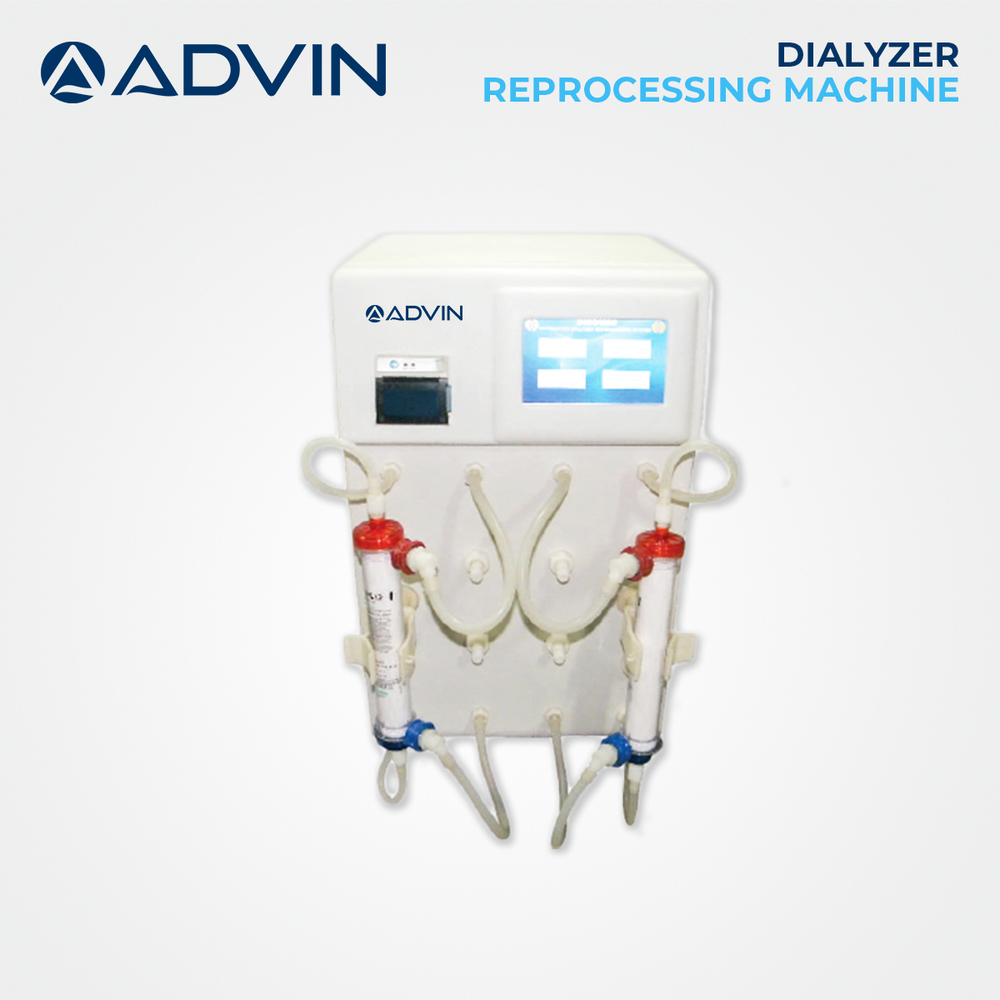
Advin Health Care offers a fully automated Dialyzer Reprocessor that simplifies and standardizes the dialyzer reuse process. This system performs complete cleaning, rinsing, testing, and disinfection cycles automatically. Equipped with advanced microprocessor control, it ensures consistent quality and minimizes human error. The machine conducts pressure and conductivity tests to verify dialyzer integrity before reuse. Built from durable, medical-grade materials, the Dialyzer Reprocessor provides a cost-effective, safe, and sustainable solution for hemodialysis centers.
Advanced Features:
Fully automatic dialyzer reprocessing system
Microprocessor-based control for precise operation
Automatic cleaning, rinsing, and disinfection cycles
Integrity and conductivity test verification
User-friendly operation with digital display
Durable medical-grade construction
Reduces contamination and infection risks
Cost-saving and eco-friendly design
Reliable performance for consistent results
Ideal for dialysis units and hospitals
Also Known As:
Dialyzer Reprocessor, Dialyzer Reprocessing Machine, Hemodialyzer Reprocessor, Dialyzer Reuse System, Dialysis Filter Reprocessing Unit
Reprocesador de Dializadores, Máquina de Reprocesamiento de Dializadores, Reprocesador de Hemodializadores, Sistema de Reutilización de Dializadores, Unidad de Reprocesamiento de Filtros de Diálisis
Reprocesseur de Dialyseurs, Machine de Retraitement des Dialyseurs, Reprocesseur d’Hémodialyseurs, Système de Réutilisation des Dialyseurs, Unité de Retraitement des Filtres de Dialyse
جهاز إعادة معالجة الديالايزر، آلة إعادة معالجة الديالايزر، معالج الديالايزر، نظام إعادة استخدام الديالايزر، ÙˆØدة إعادة معالجة Ùلاتر الغسيل الكلوي
РепроцеÑÑор диализаторов, Машина Ð´Ð»Ñ Ð¿Ð¾Ð²Ñ‚Ð¾Ñ€Ð½Ð¾Ð¹ обработки диализаторов, Ðппарат Ð´Ð»Ñ Ð¿ÐµÑ€ÐµÑ€Ð°Ð±Ð¾Ñ‚ÐºÐ¸ гемодиализаторов, СиÑтема повторного иÑÐ¿Ð¾Ð»ÑŒÐ·Ð¾Ð²Ð°Ð½Ð¸Ñ Ð´Ð¸Ð°Ð»Ð¸Ð·Ð°Ñ‚Ð¾Ñ€Ð¾Ð², УÑтановка обработки диализных фильтров

Price:
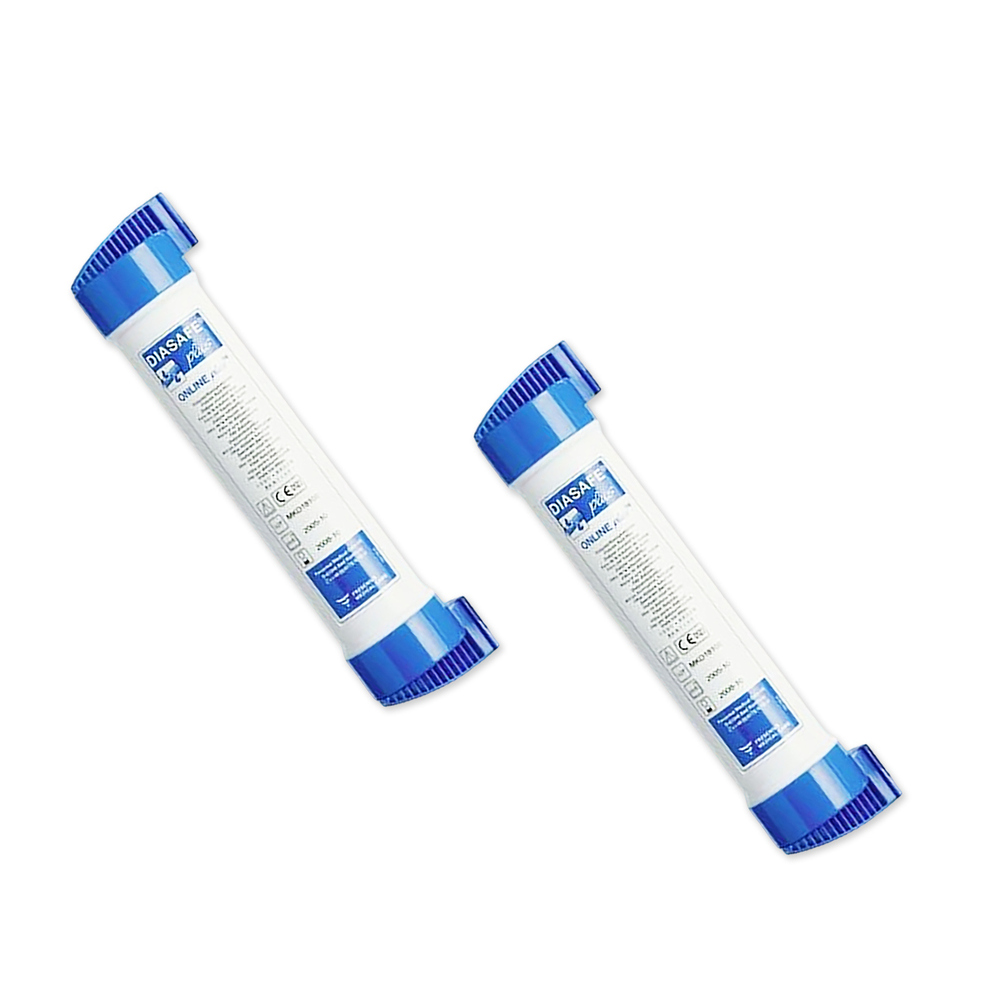
Price 5 USD ($) / Piece
Minimum Order Quantity : 1 Piece
Real-Time Operation : Yes
Wall Mounted : No
Use : Hemodialysis Water Purification
Condition : New
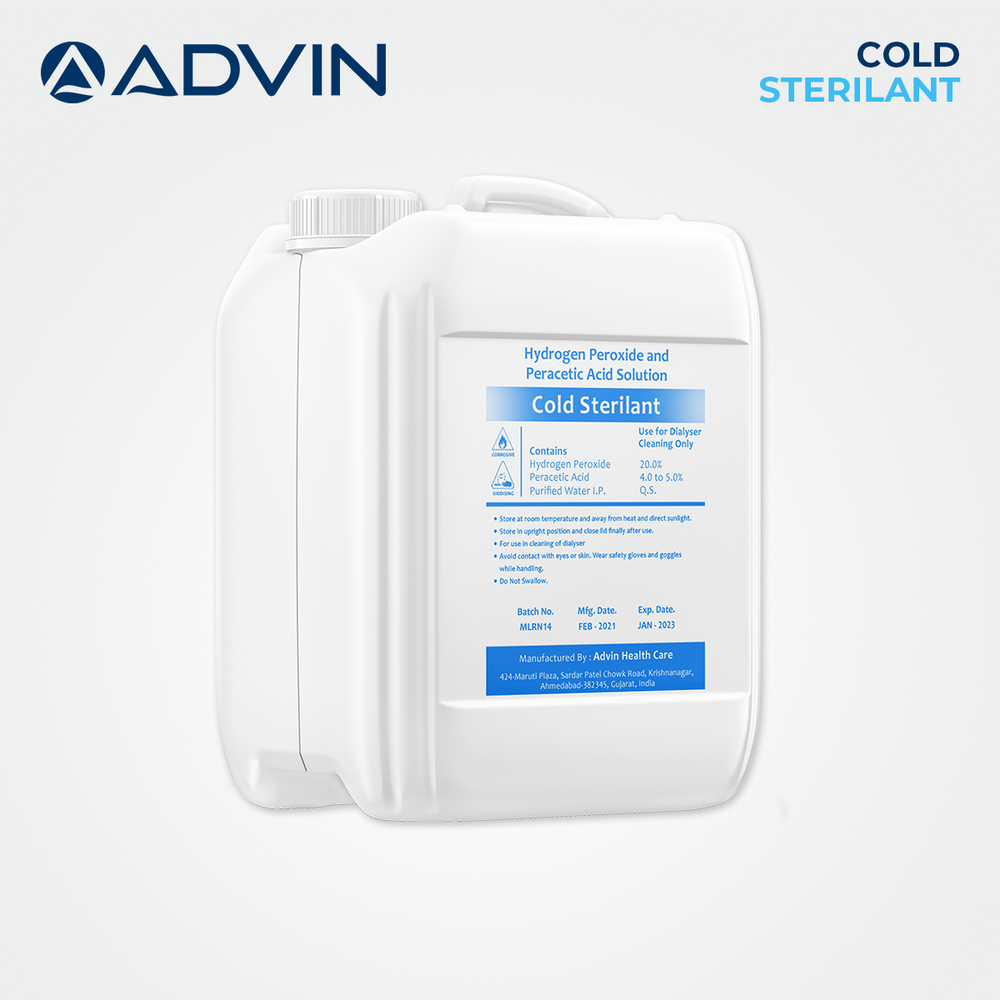
Price 3 USD ($) / Piece
Minimum Order Quantity : 1 Piece
Real-Time Operation : No
Wall Mounted : No
Use : Used for disinfecting dialysis machines and related medical apparatus
Condition : New
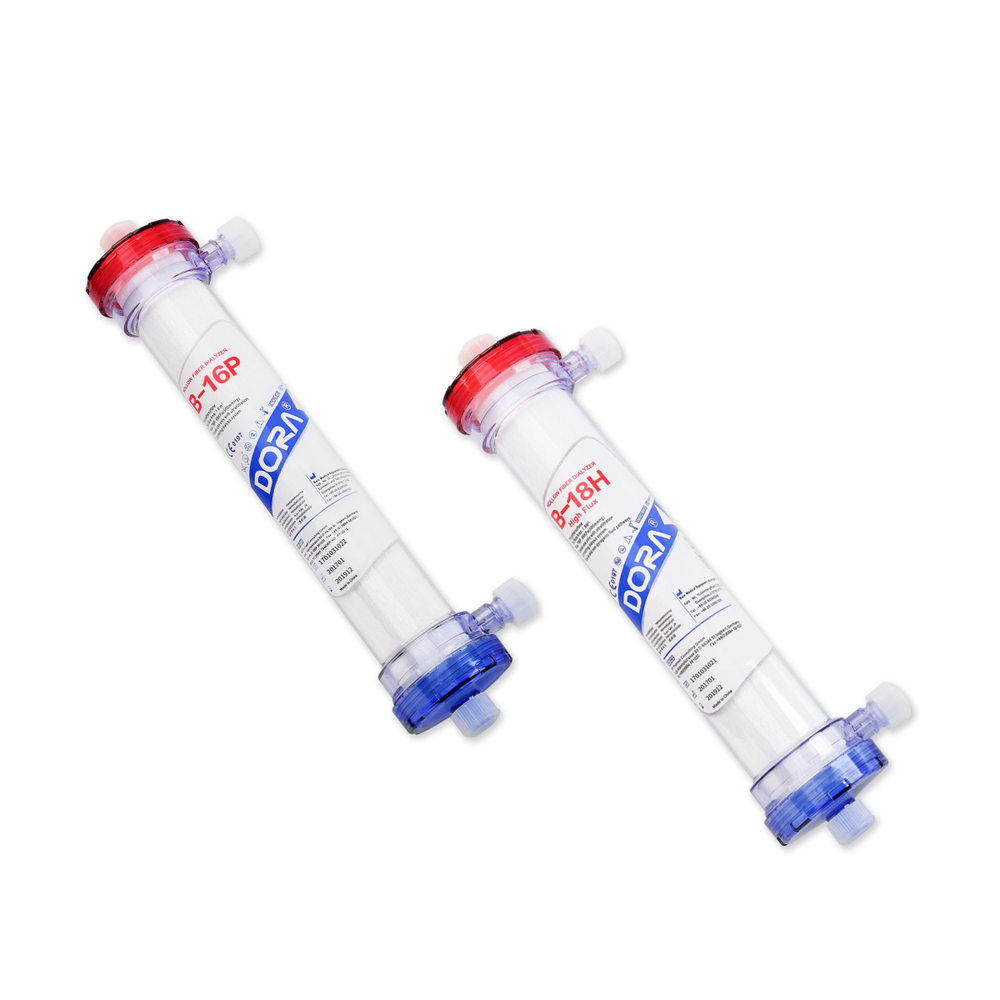
Price 4 USD ($) / Piece
Minimum Order Quantity : 1 Piece
Real-Time Operation : Yes
Wall Mounted : No
Use : Hemodialysis procedure
Condition : New
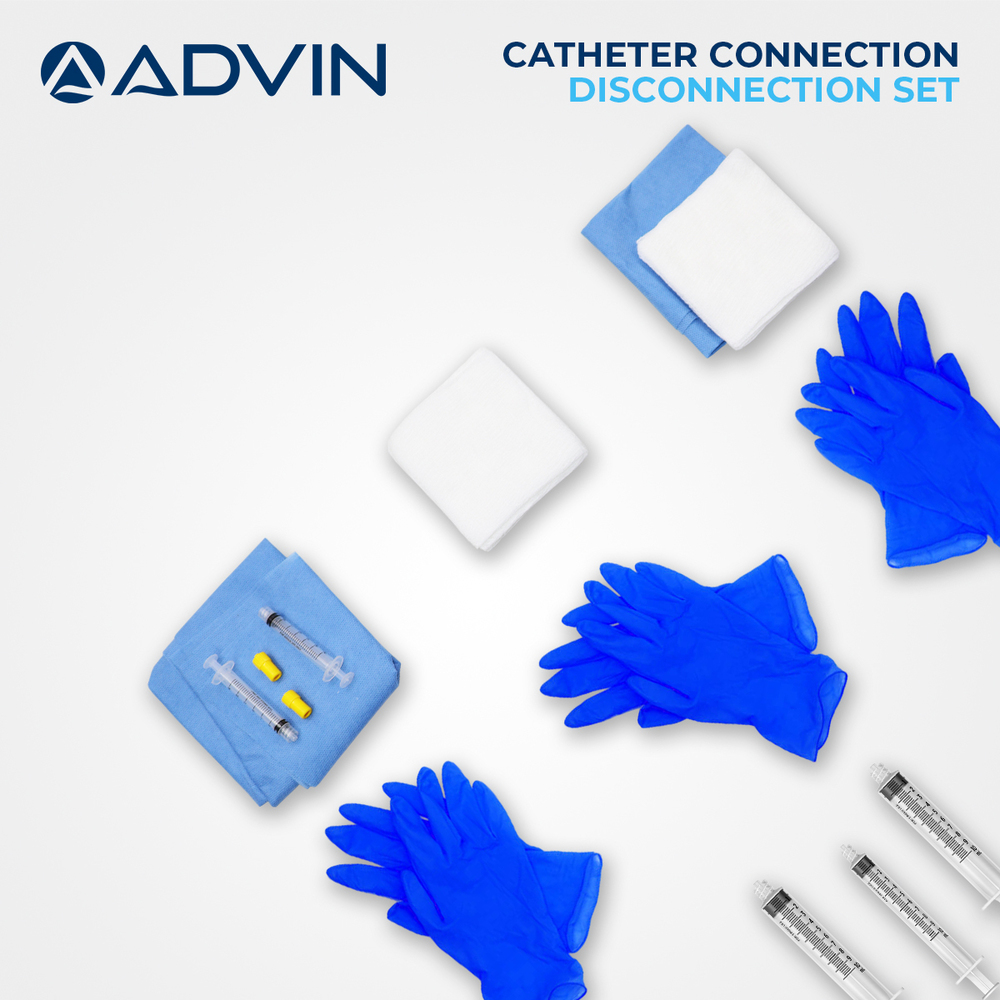
Price 10 USD ($) / Piece
Minimum Order Quantity : 1 Piece
Real-Time Operation : Other, Yes (facilitates realtime blood purification)
Wall Mounted : No
Use : Hemodialysis procedure for renal failure patients
Condition : New
GST : 24CTVPS5589L1ZE


 Send Inquiry

 Send Inquiry
 English
 Spanish
 French
 German
 Italian
 Chinese (Simplified)
 Japanese
 Korean
 Arabic
 Portuguese