About Disposable Guidewires
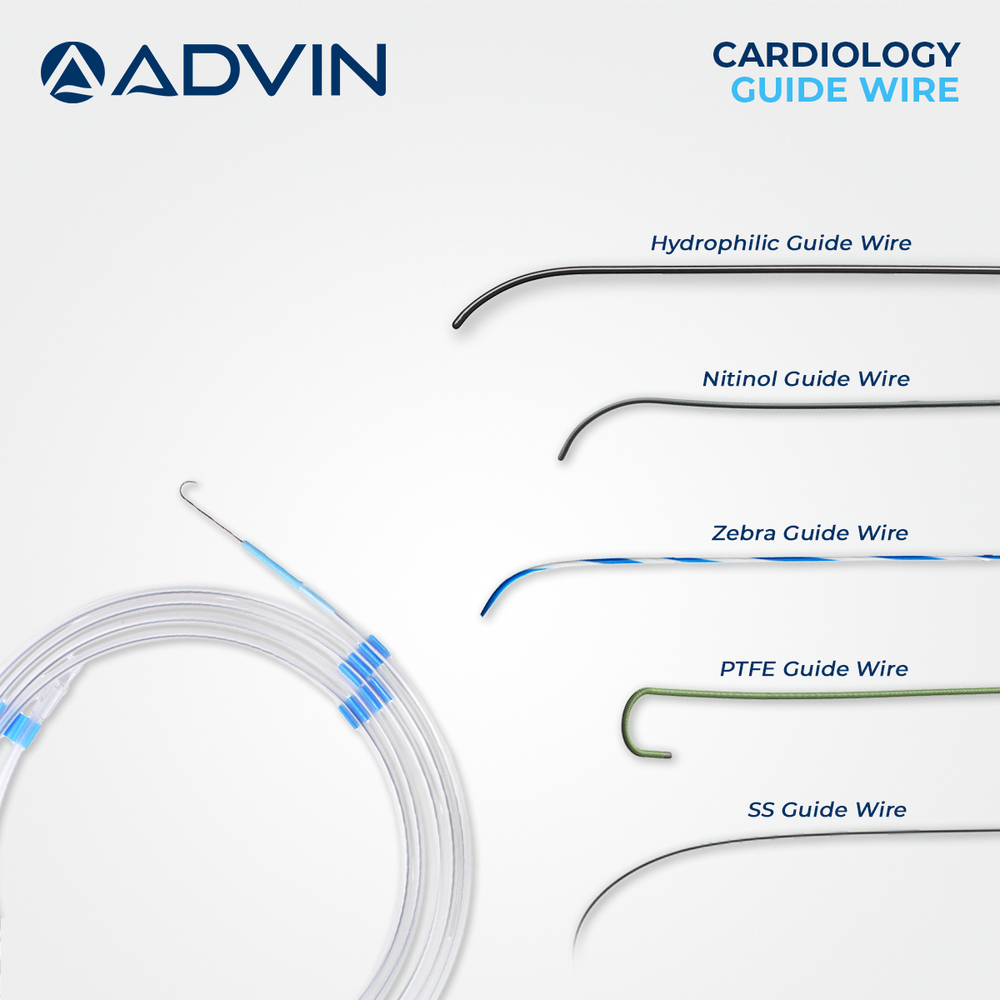
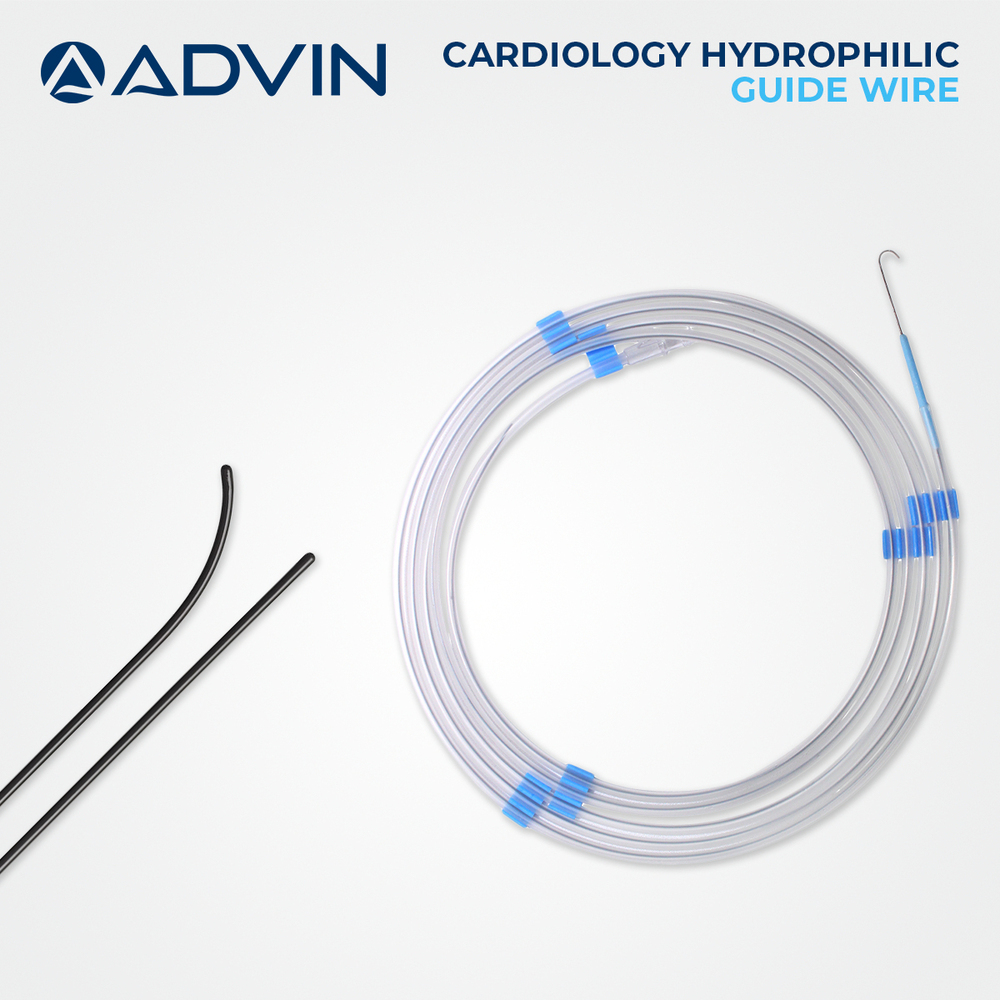
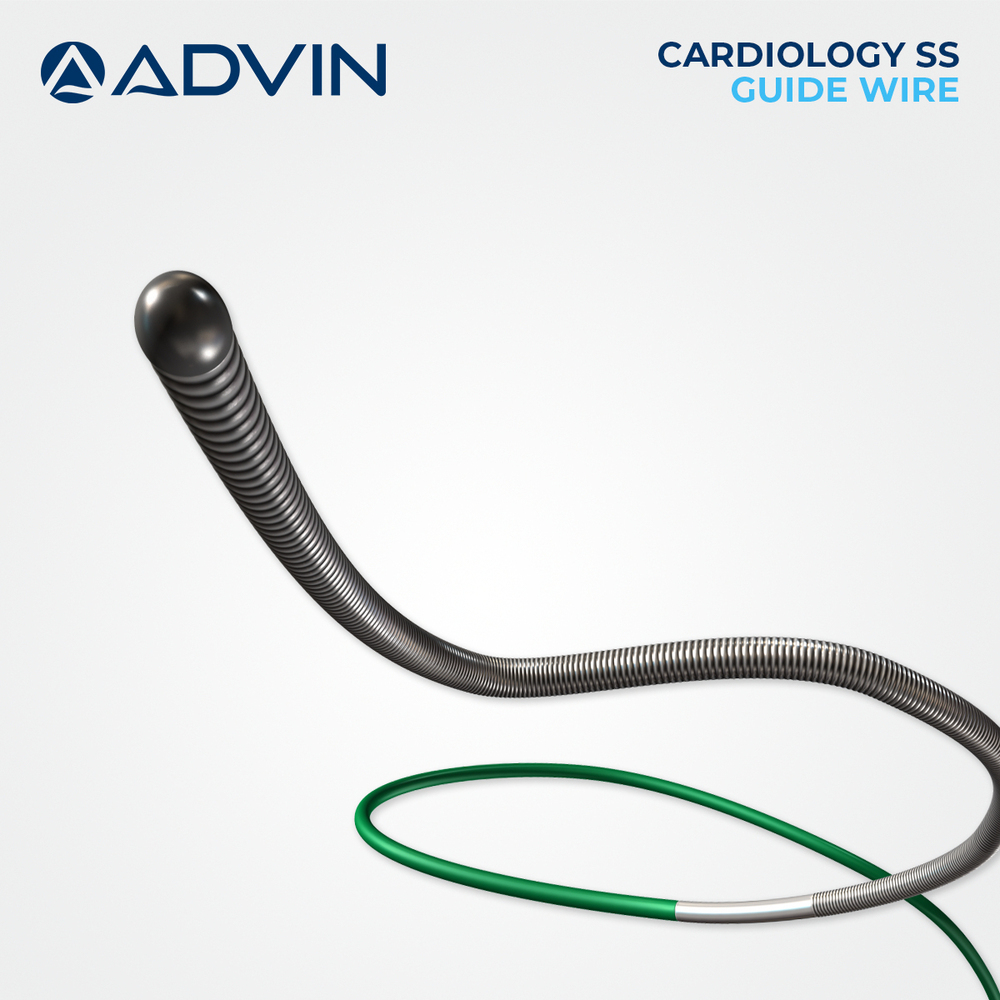
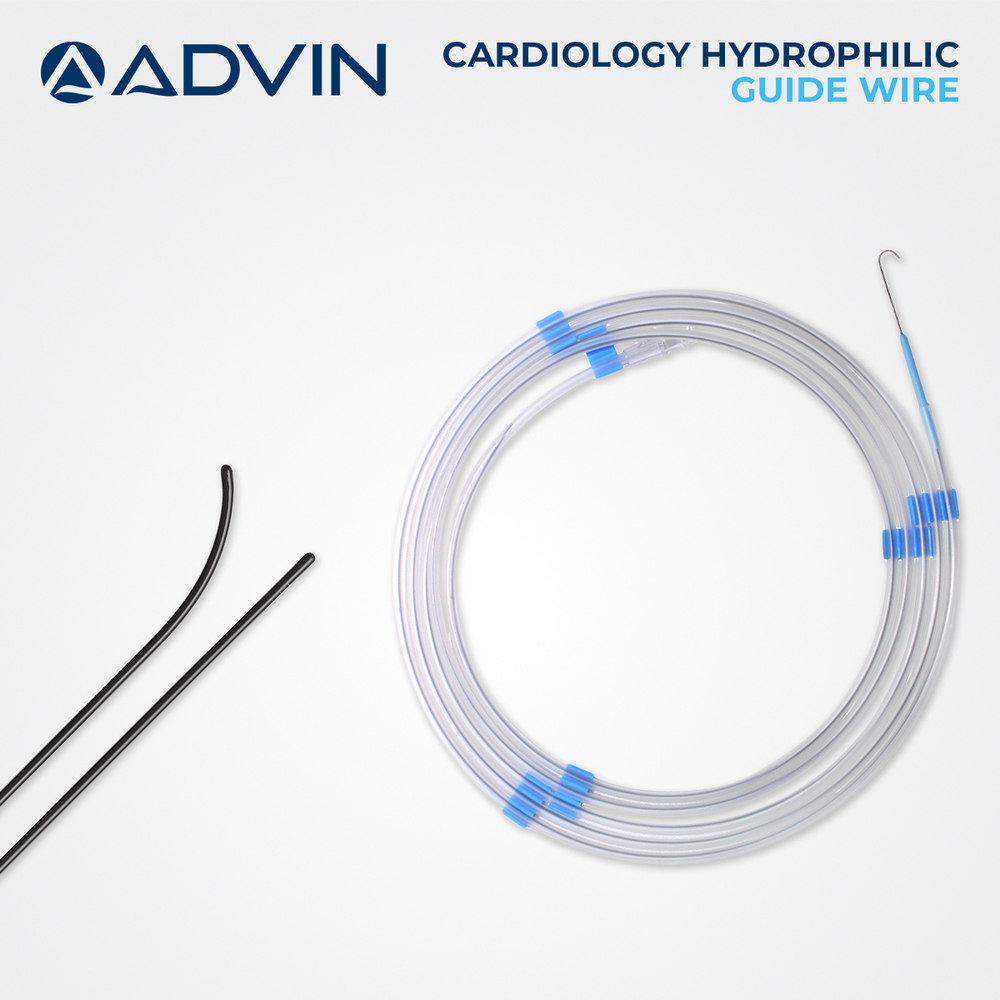
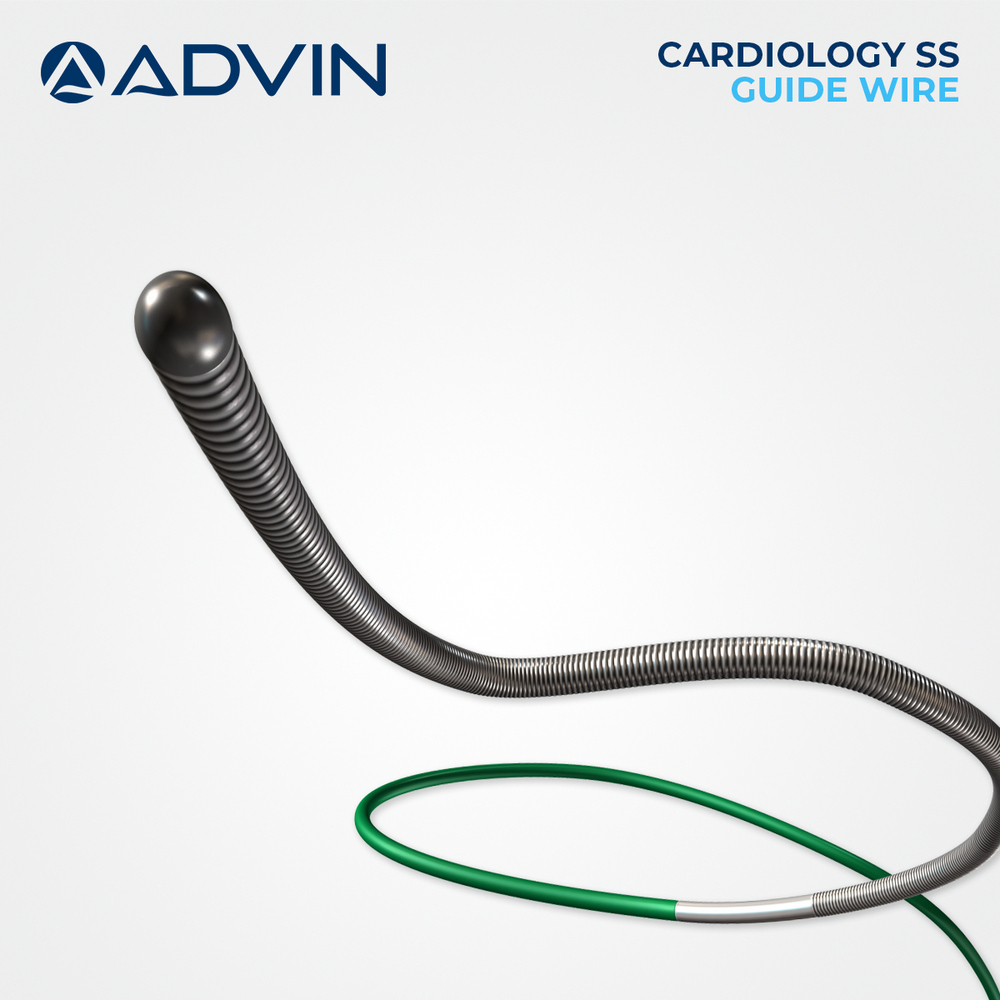
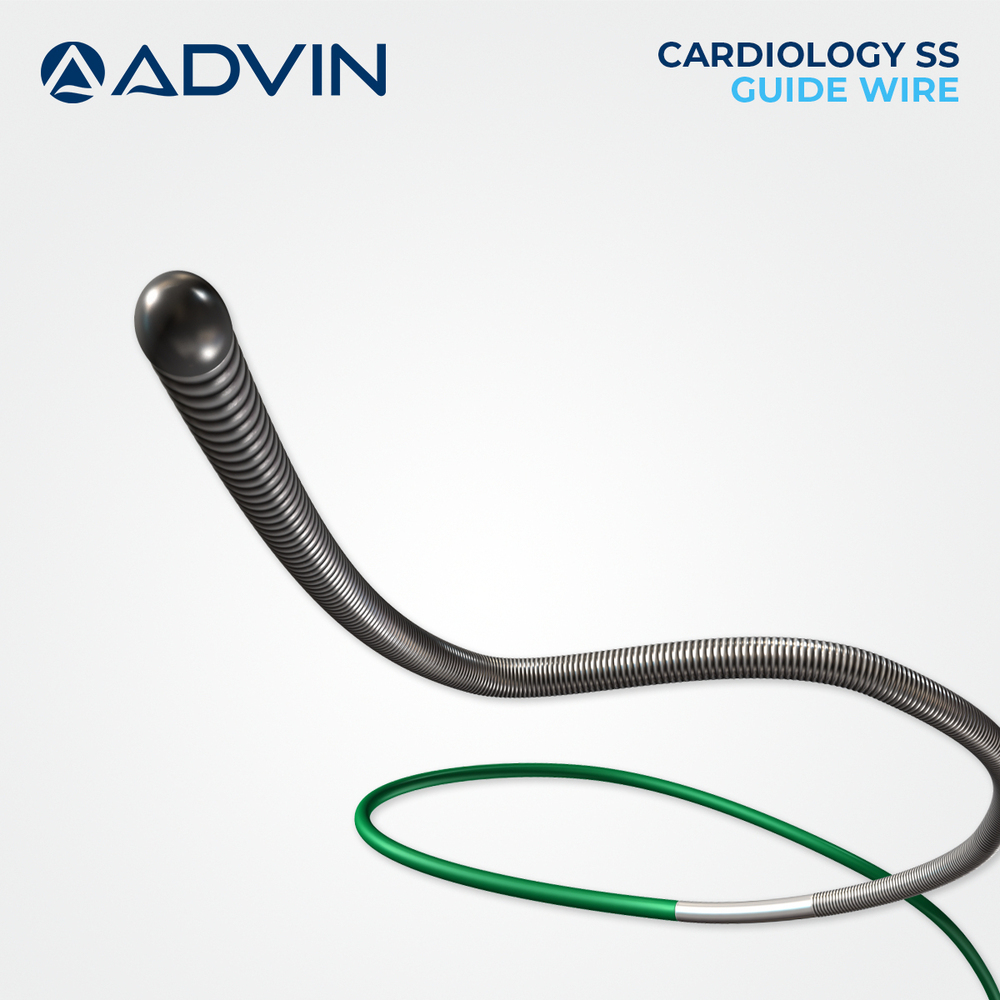
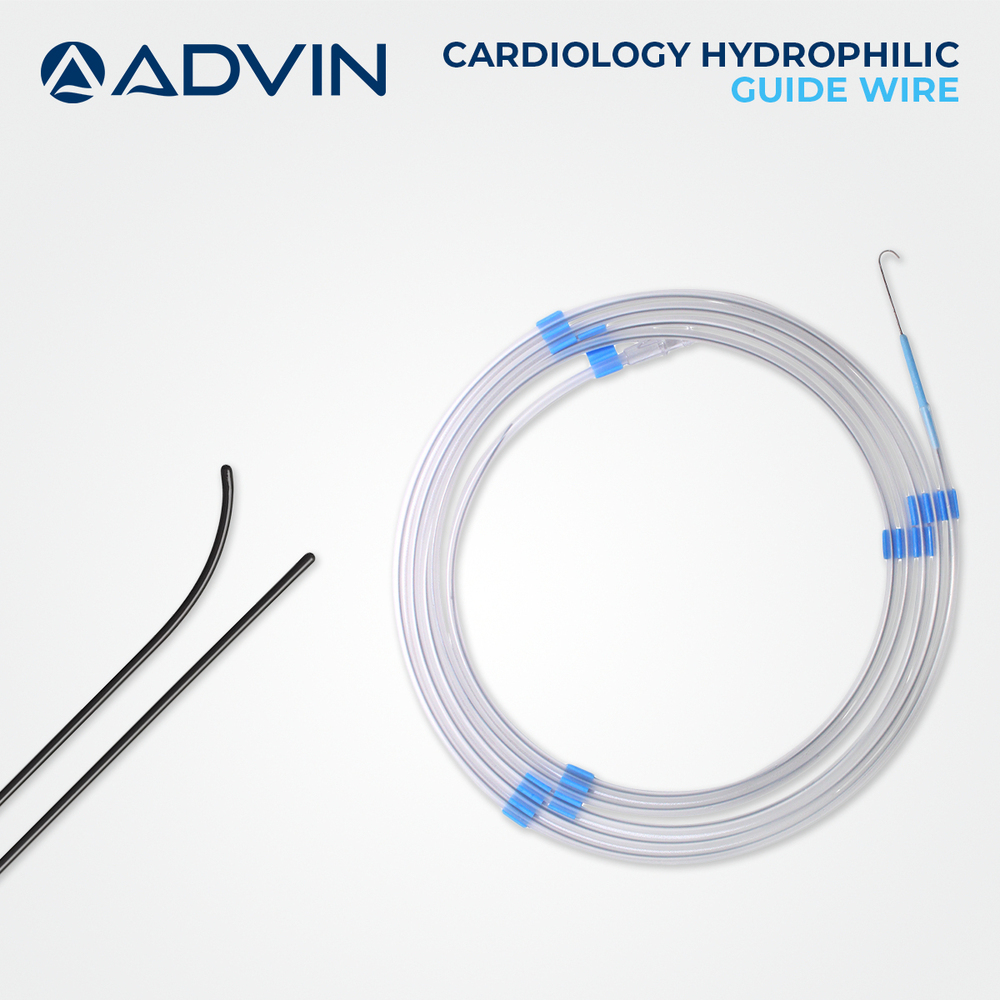
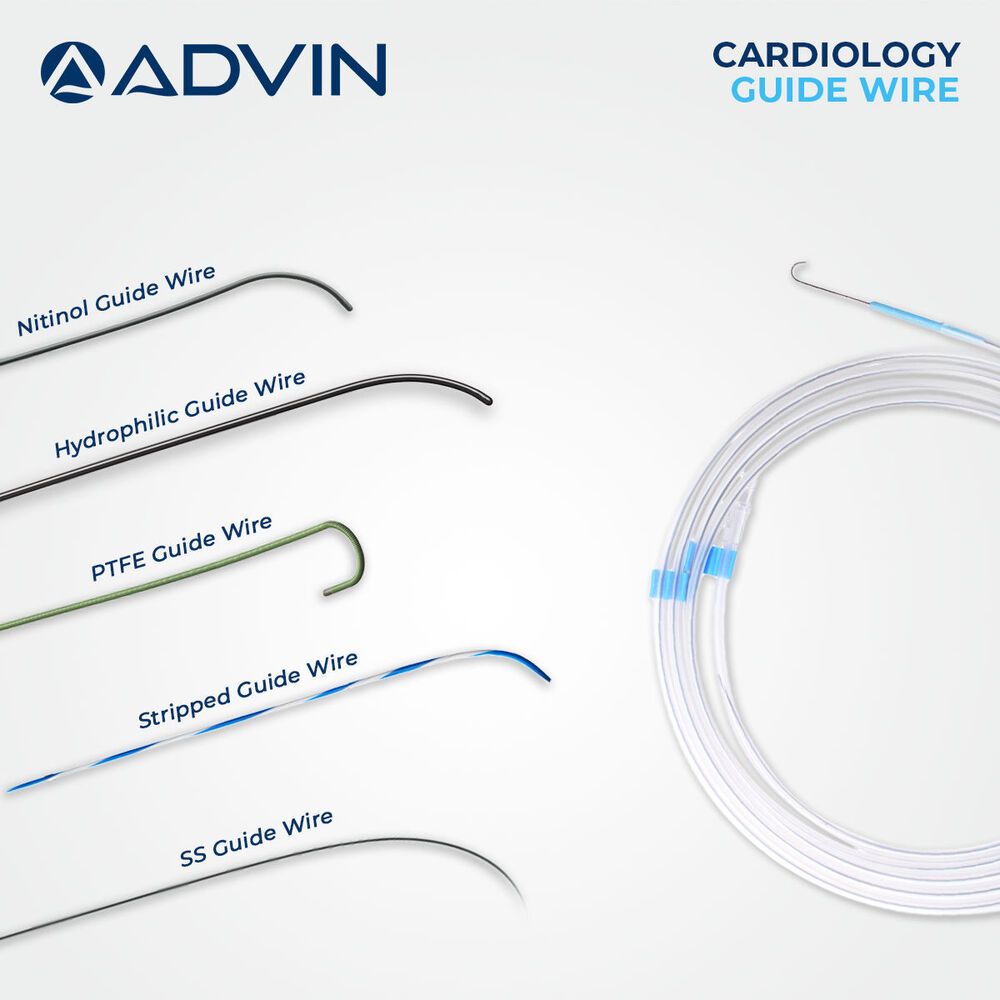
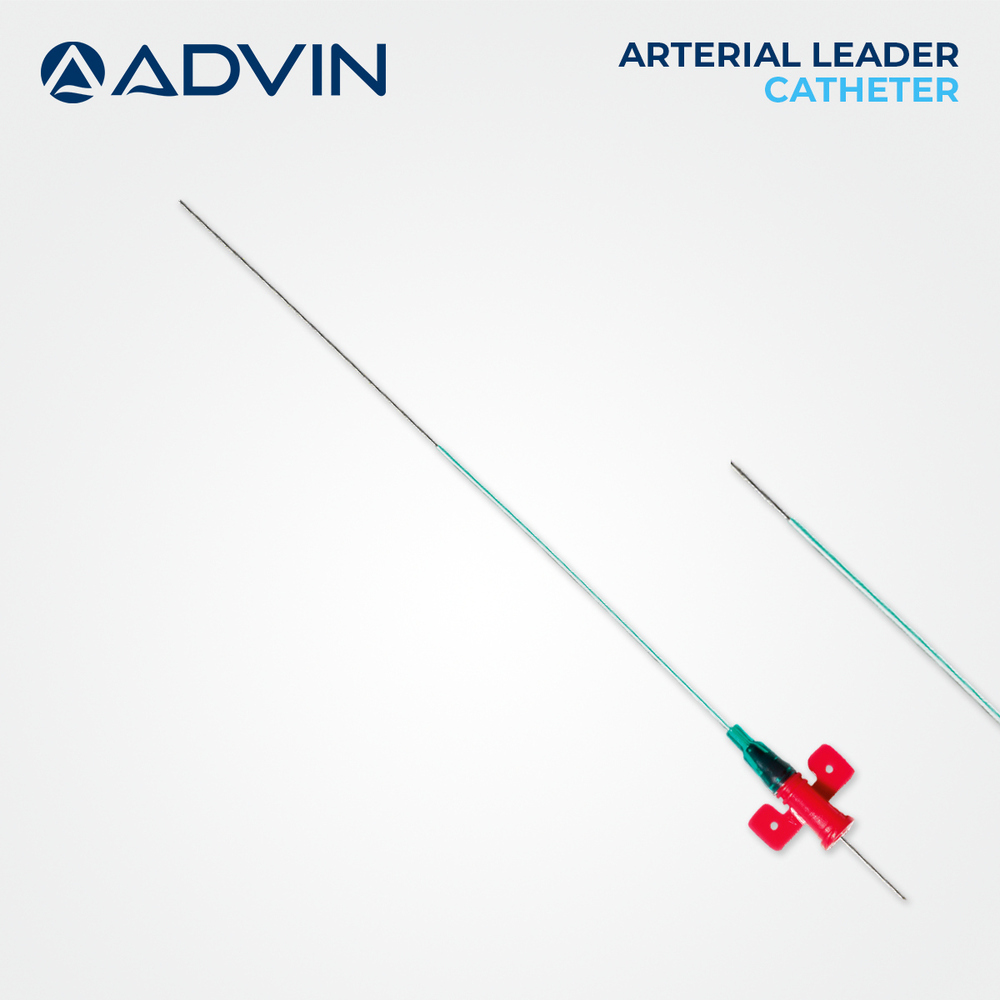
Advin Disposable Guidewires are sterile, single-use medical instruments designed to facilitate the placement of catheters and other devices into blood vessels and body cavities. They are essential for a wide range of interventional procedures, including angiography and angioplasty. These guidewires offer excellent maneuverability and tip shape retention, ensuring precise navigation through the vascular system.Advanced Features:
Superior Navigation and SafetyThe PTFE-coated disposable guidewires are engineered for precision, featuring a flexible, radiopaque tip that enables high visibility under imaging. Their smooth, kink-resistant surface and excellent pushability enhance operator control, supporting safer and more accurate guidewire placement during complex vascular and urological procedures. Biocompatibility and latex-free design safeguard patient safety in every use.
Optimized for Versatility in ProceduresThese guidewires come in a range of diameters (0.018 to 0.038) and lengths (typically 150 cm to 260 cm), allowing clinicians to select the optimal configuration for each case. Compatibility with standard angiographic and urological catheters ensures broad applicability across a variety of interventional procedures, streamlining workflow and reducing equipment needs.
Sterility and Convenient HandlingEvery guidewire is individually EO-sterilized and sealed in a protective pouch, ensuring maximum sterility upon use. Their lightweight, portable design and silent manual operation make them convenient and reliable for both hospital and outpatient settings. Proper storage in a cool, dry place guarantees a 23 year shelf life.
FAQs of Disposable Guidewires:
Q: How are the disposable PTFE-coated guidewires sterilized before use?
A: Each guidewire undergoes Ethylene Oxide (EO) sterilization and is packaged individually in sealed pouches to ensure sterility until the point of use, meeting strict hospital and regulatory standards.
Q: What benefits does the PTFE coating provide for guidewire performance?
A: The PTFE (Polytetrafluoroethylene) coating offers a smoother surface, enhancing the guidewires trackability and pushability through vessels or urinary tracts and reducing friction for easier catheter placement and removal.
Q: When should these guidewires be utilized in clinical practice?
A: These guidewires are intended for single-use applications during vascular and urological procedures, particularly when precise navigation and high radiopacity are essential for instrument placement.
Q: Where can the guidewires be stored to maximize shelf life?
A: For optimal shelf life of 23 years, store the guidewires in a cool, dry place away from direct sunlight and excessive moisture, keeping them sealed in their original packaging.
Q: What process should be followed for safe guidewire placement?
A: Select the appropriate diameter and length, confirm compatibility with the chosen catheter, and use standard aseptic technique. The flexible, radiopaque tip assists in precise advancement under real-time imaging guidance.
Q: How does the high tensile strength benefit clinical procedures?
A: High tensile strength ensures that the guidewire resists breakage or deformation during manipulation, supporting safe access to vessels and reliable passage of other instruments.
Q: What makes these guidewires suitable for export and hospital use?
A: Manufactured under strict quality controls in India, these disposable, biocompatible guidewires meet international standards for safety, effectiveness, and sterility, making them ideal for hospitals, exporters, and suppliers worldwide.

 Send Inquiry











 Send Inquiry

 Send Inquiry
 English
 Spanish
 French
 German
 Italian
 Chinese (Simplified)
 Japanese
 Korean
 Arabic
 Portuguese