Dynamic External Fixators About
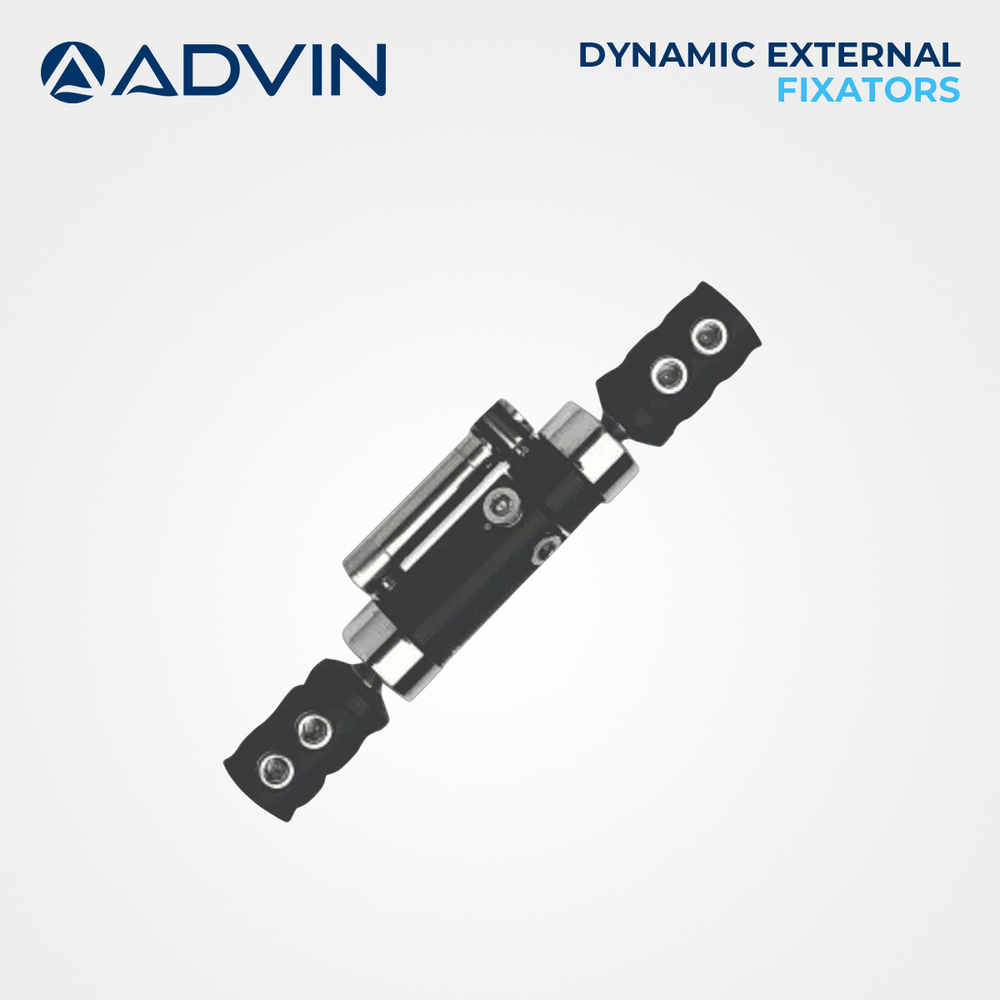
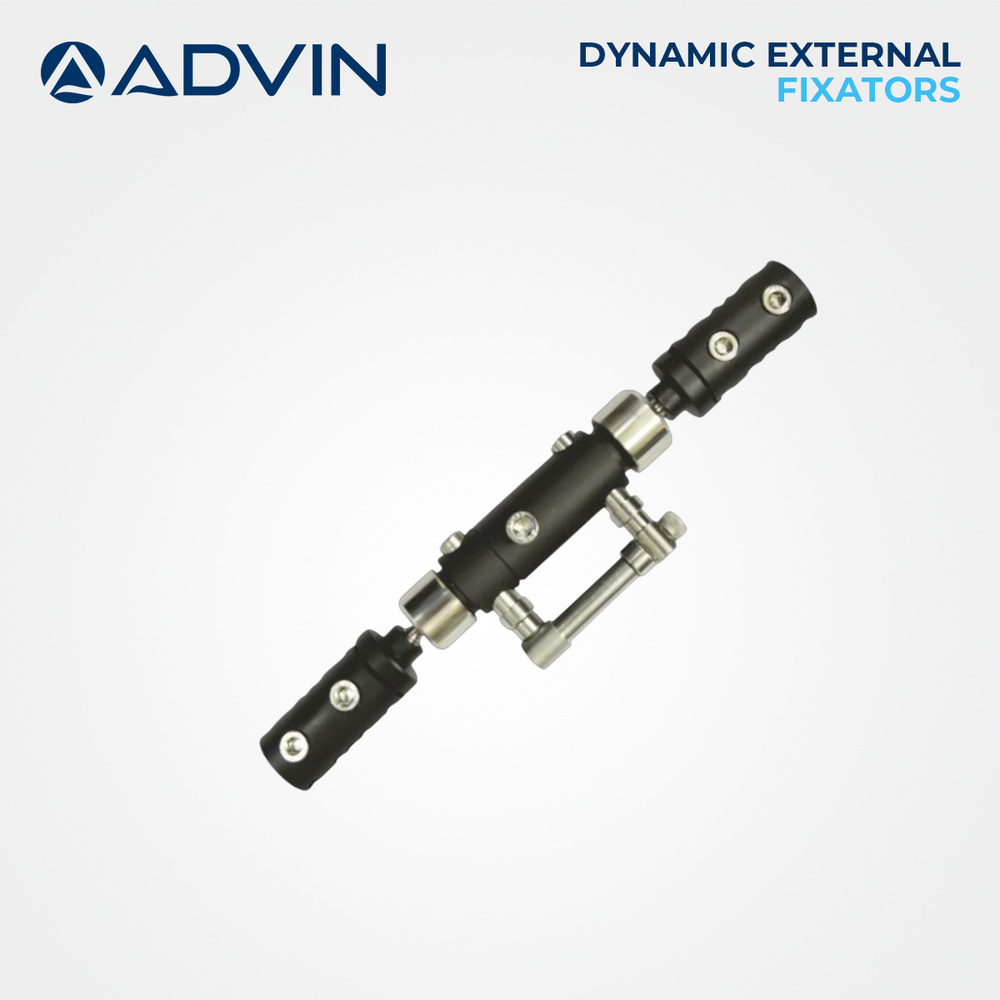
The Dynamic External Fixator (Dynamic Axial Fixator) from Advin Health Care is designed to offer effective stabilization of complex fractures while allowing controlled axial micro-movements that promote natural bone healing. These fixators are commonly used for fractures of the tibia and other long bones where internal fixation is not suitable. Their modular design ensures ease of application, adjustment, and patient comfort during recovery. By maintaining proper alignment and encouraging callus formation, they play a vital role in trauma orthopedic management.
Advanced Features:
- Provides stable fixation for complex and long bone fractures
- Allows controlled axial movement for natural healing
- Modular design for easy application and adjustment
- Made from high-quality durable materials
- Suitable for trauma and reconstructive orthopedic procedures
High-Precision Fracture ManagementDynamic External Fixators ensure accurate bone alignment for effective long bone fracture treatment. Their multi-axis adjustment and secure locking system facilitate controlled movement and stability during the healing process. Properly used, these devices contribute to improved clinical outcomes and patient mobility while minimizing the risk of complications.
Sterilization and ReusabilityDesigned for repeated use, the fixators allow autoclave sterilization without compromising performance. Packaged in a sterile medical pouch, they ensure infection control and safe application in both hospital and clinical environments. Proper sterilization and storage provide longevity and consistent functionality, supporting sustainable clinical practice.
Advanced Material and Safety StandardsManufactured from medical-grade stainless steel, these external fixators are highly resistant to corrosion and maintain structural integrity through multiple sterilization cycles. Biocompatibility and non-toxic construction ensure patient safety, while certification to ISO 13485 and CE Mark standards guarantees quality and regulatory compliance.
FAQs of Dynamic External Fixators:
Q: How are Dynamic External Fixators sterilized before reuse?
A: Dynamic External Fixators are designed to be compatible with autoclave sterilization. After each use, the device should be thoroughly cleaned and then sterilized using a standard autoclave cycle, according to hospital protocols, to ensure safety and readiness for the next patient.
Q: What are the benefits of radiolucency in these fixators?
A: Radiolucency means the fixators do not interfere with X-ray imaging, allowing medical professionals to monitor bone healing and alignment clearly without needing to remove the device. This feature enhances diagnostic accuracy and patient care.
Q: When should Dynamic External Fixators be used for bone fracture fixation?
A: These fixators are primarily indicated for the stabilization of long bone fractures, particularly in cases where precise alignment and controlled movement are required during recovery. Usage is determined by the attending orthopedic surgeon based on the injury type and patient profile.
Q: What is the process of adjusting the Dynamic External Fixator during treatment?
A: Adjustment is performed manually using the devices multi-axis system, which allows fine-tuning of bone position and controlled dynamic movement as needed. The secure clamp system locks adjustments in place, ensuring ongoing stability throughout the healing phase.
Q: Where can Dynamic External Fixators be used?
A: These devices are suitable for use in hospitals and clinics, enabling orthopedic professionals to address fracture fixation in both adults and pediatric patients. Their portability and manual operation make them convenient for various clinical environments.
Q: What customization options are available for these fixators?
A: Custom options are available to accommodate different patient populations, including pediatric and adult sizes. Dimensions and adjustability features can be tailored based on the specific anatomical and clinical needs of each patient.
Q: How does the use of biocompatible, corrosion-resistant stainless steel benefit patient safety?
A: Using medical-grade stainless steel that is both biocompatible and highly resistant to corrosion reduces the risk of adverse reactions and ensures long-term stability, even after repeated sterilizations. This enhances both patient safety and device reliability.

 Send Inquiry



 Send Inquiry

 Send Inquiry
 English
 Spanish
 French
 German
 Italian
 Chinese (Simplified)
 Japanese
 Korean
 Arabic
 Portuguese