About Endoluminal Thrombus Extractor
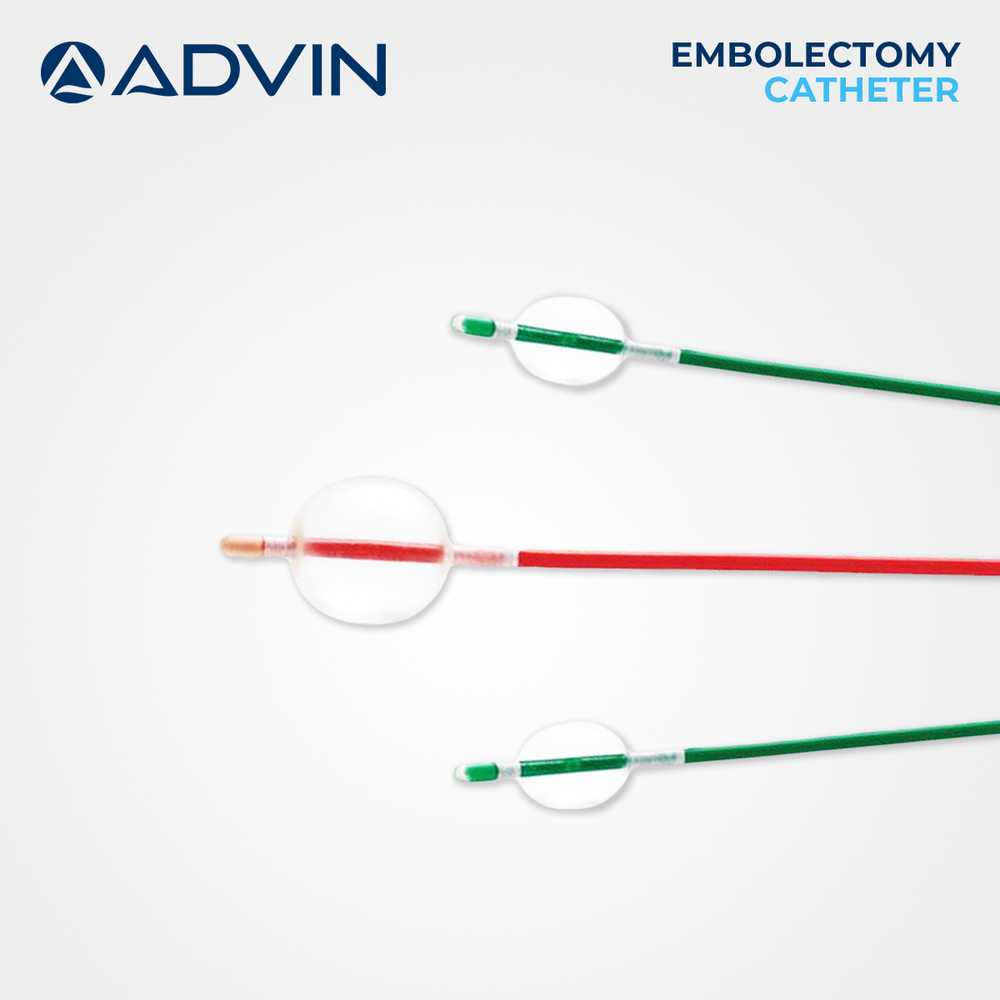
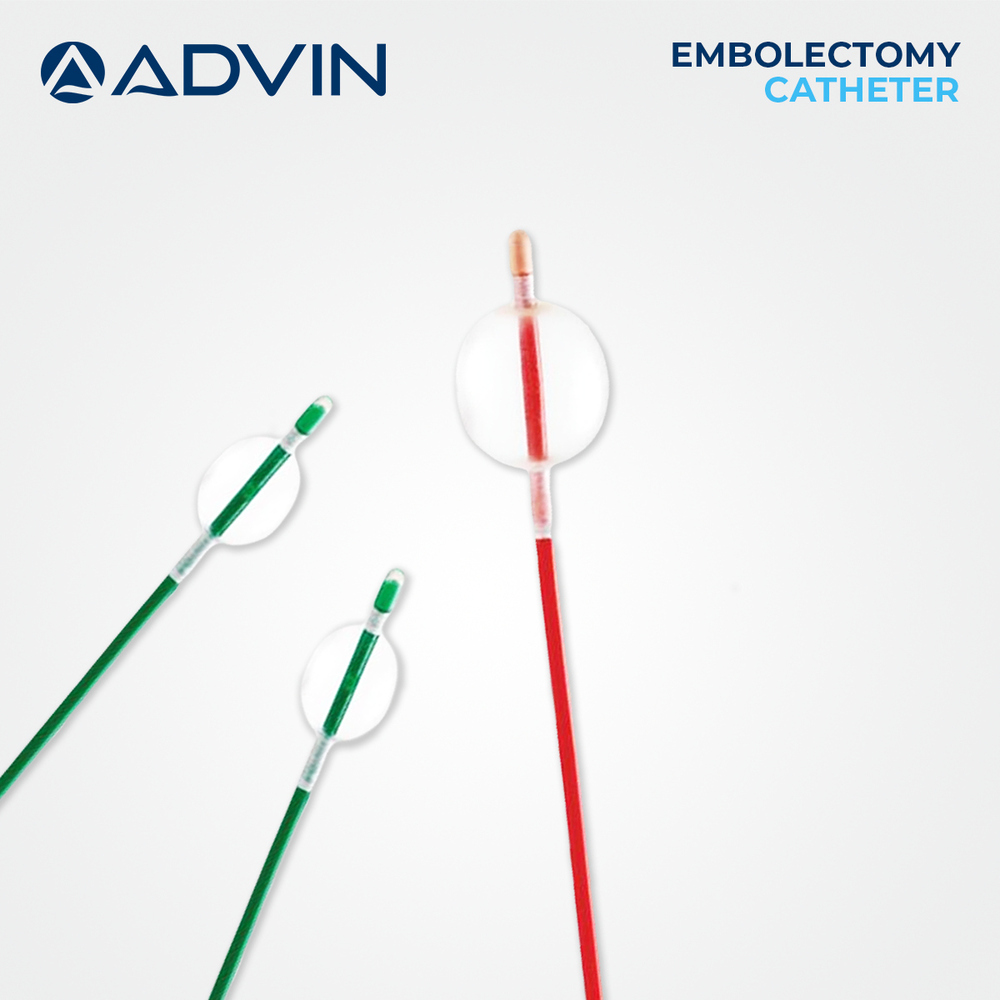
Advin Health Care Endoluminal Thrombus Extractor is designed for efficient removal of thrombus and embolic material from within the vessel lumen. It enables controlled navigation, secure engagement, and effective extraction to restore normal blood flow during interventional procedures.
Key Features:
- Advanced extraction mechanism for thrombus removal
- Smooth navigation through vascular pathways
- Controlled deployment and retrieval system
- Atraumatic design for vessel safety
- Reliable performance in interventional applications
Certifications:
CE, ISO 13485, ISO 9001 Certified
Product Keywords:
Endoluminal Thrombus Extractor, Thrombus Removal Device, Clot Extraction Catheter, Vascular Thrombectomy Device, Embolus Removal System
, , , , .
Extractor de trombos endoluminal, dispositivo de extraccin de trombos, catter de extraccin de cogulos, dispositivo de trombectoma vascular, sistema de extraccin de mbolos
Extracteur endoluminal de thrombus, dispositif d'limination de thrombus, cathter d'extraction de caillot, dispositif de thrombectomie vasculaire, systme d'limination d'emboles
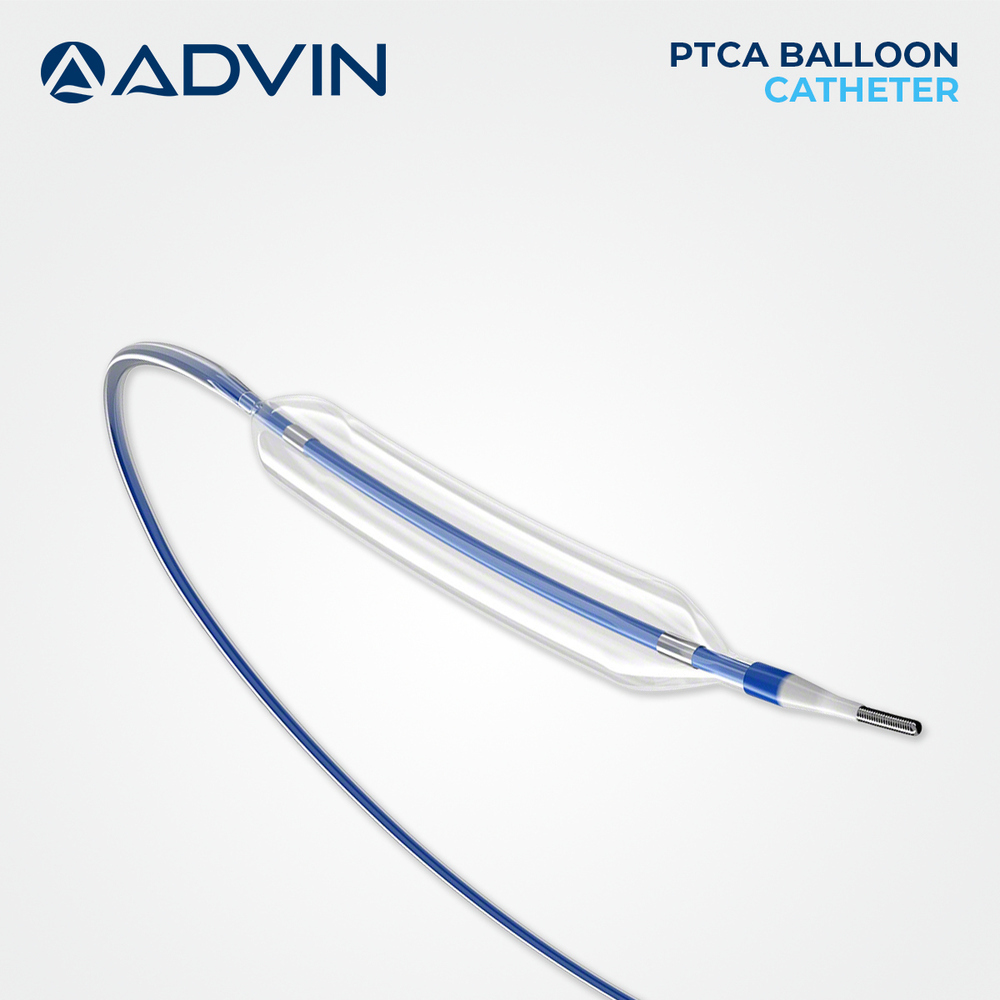
Precision Extraction with Flexible Balloon TechnologyThe Endoluminal Thrombus Extractor leverages balloon catheter extraction technology, allowing for precise and controlled removal of clots or obstructions from blood vessels. Its soft, atraumatic tip and smooth balloon expansion minimize vessel trauma during procedures, making it ideal for delicate vascular interventions.
Designed for Versatility and CompatibilityOffered in a range of lengths and sizes, the catheter adapts to various vessel diameters and clinical situations. Compatibility with standard syringes and multiple material options-including latex-free PVC-enhances its suitability across patient profiles. Its color-coded (green, red) units simplify selection during emergencies.
Reliable, Safe, and Sterile UsageEach device is individually packed, ETO sterilized, and intended for single-use to maintain optimal safety standards. With CE mark or ISO certification and a shelf life of 2-3 years when stored properly, the extractor provides reliable performance, meeting stringent regulatory requirements in clinical practice.
FAQ's of Endoluminal Thrombus Extractor:
Q: How does the Endoluminal Thrombus Extractor with Balloon work during a procedure?
A: The device operates manually by inserting the catheter into the affected vessel, inflating the balloon using a standard syringe, and gently retracting it to capture and extract thrombi or emboli. The flexible shaft and smooth balloon expansion aid in effective clot removal with minimal vessel damage.
Q: What materials are used, and are there latex-free options available for sensitive patients?
A: The extractor is manufactured using medical-grade polymer with a choice of latex or non-latex balloon (PVC available), ensuring compatibility with patients who have latex sensitivities. Latex-free options are explicitly offered to fit clinical requirements.
Q: When should this device be used in clinical settings?
A: This extractor is indicated for use during vascular interventions requiring the removal of blood clots or obstructions from vessels. It is suitable in emergency or planned treatments for patients requiring prompt thrombus or embolus extraction.
Q: Where can the Endoluminal Thrombus Extractor be used, and who typically uses it?
A: This vascular device is used in hospitals, surgical centers, and specialized vascular clinics. It is operated by trained healthcare professionals, including interventional radiologists, vascular surgeons, and cardiologists involved in endovascular procedures.
Q: What is the process for sterilizing and ensuring the device's safety before use?
A: Each unit undergoes sterilization using ethylene oxide (ETO) and is individually packed in sterile packaging to ensure safety. Devices are single-use and should be opened only immediately prior to the procedure.
Q: What are the main benefits of using this thrombus extractor over traditional tools?
A: Advantages include high retrieval efficiency, flexible shaft that resists kinking, atraumatic tip for safe navigation, radiopaque markings for precise placement, and a variety of lengths and sizes to fit diverse vessel types-all contributing to better patient outcomes.

 Send Inquiry



 Send Inquiry

 Send Inquiry
 English
 Spanish
 French
 German
 Italian
 Chinese (Simplified)
 Japanese
 Korean
 Arabic
 Portuguese