
Call: 07315121789
 Send Inquiry
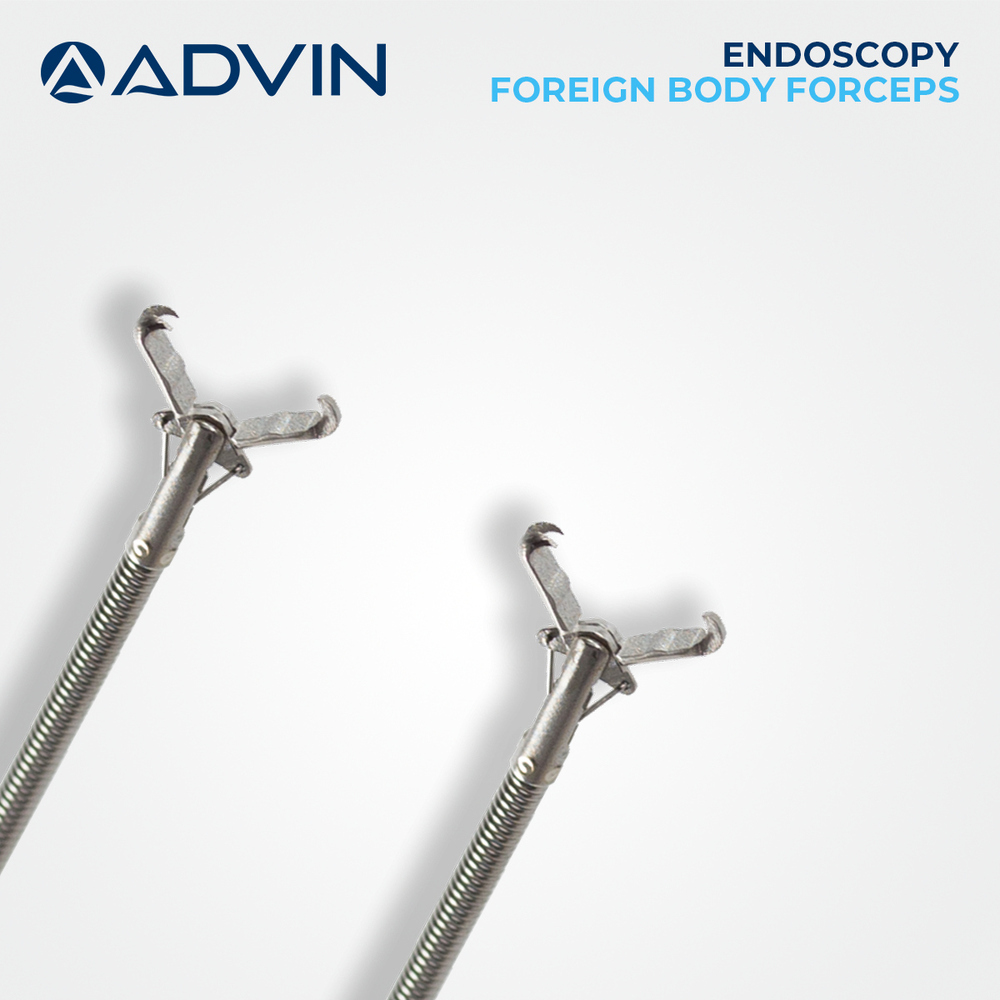
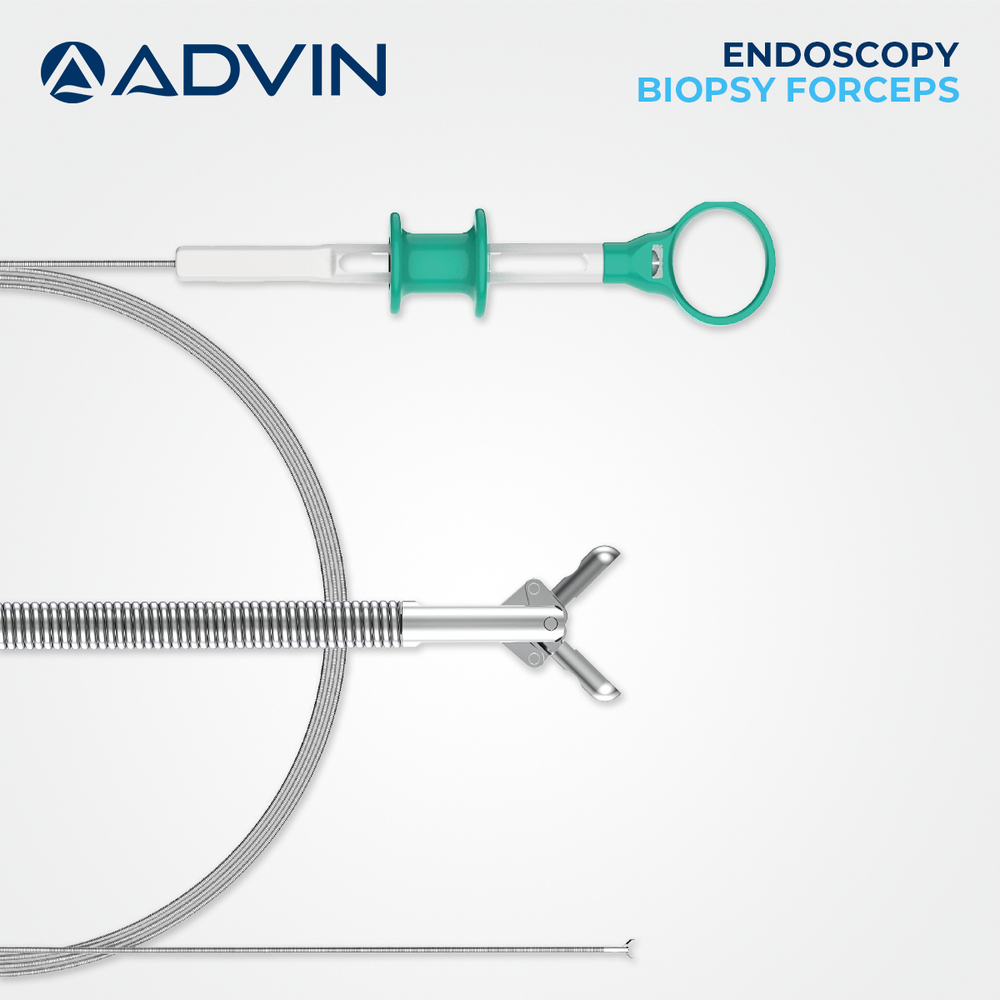
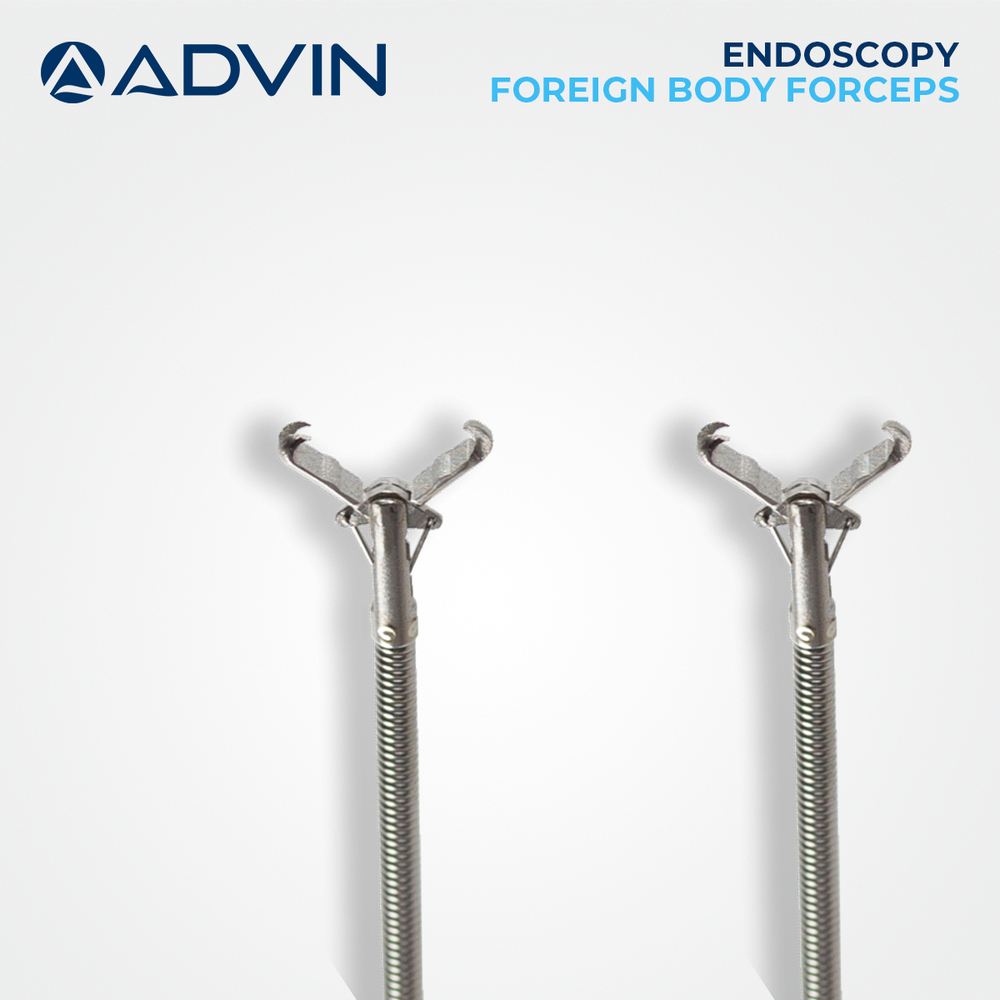
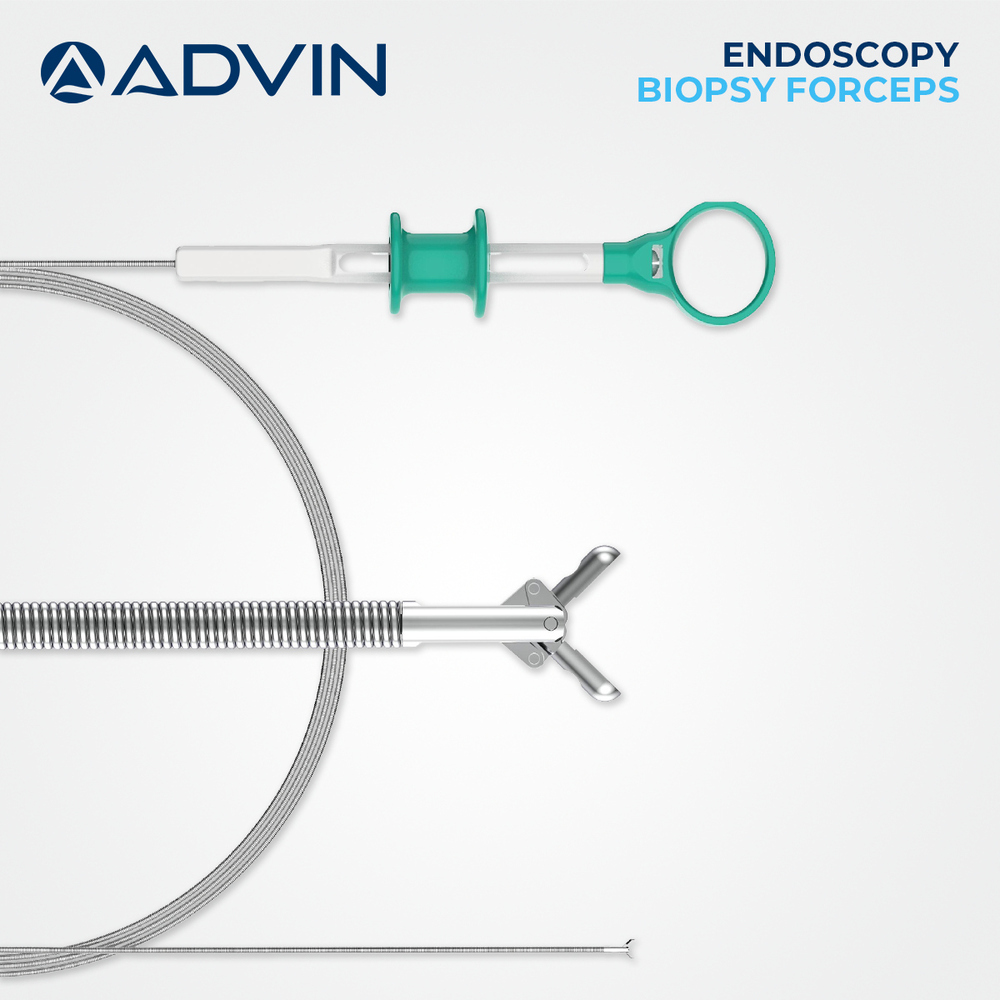
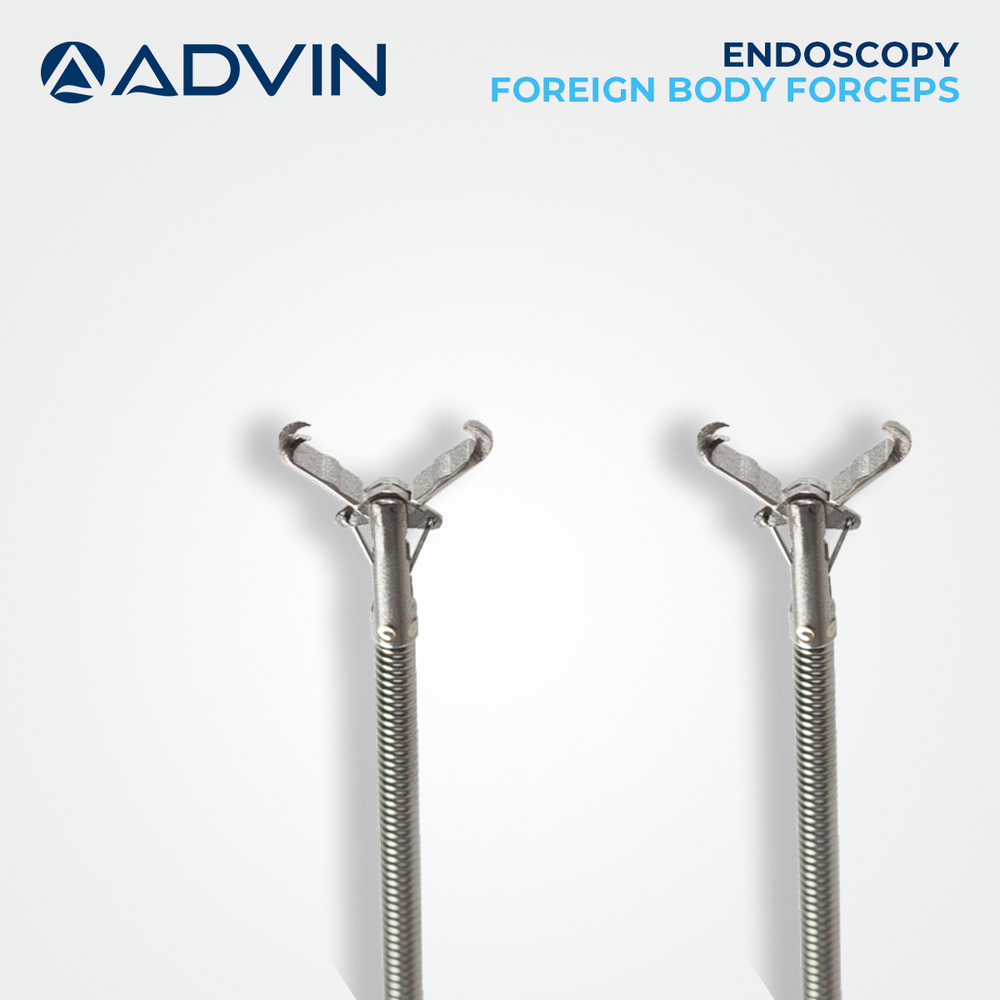
The Endoscopic Forceps for GI Retrieval a Regular a 4 Prong 170cm from Advin Health Care is a specialized instrument developed for foreign body extraction and tissue manipulation during endoscopy. Featuring a 4-prong grasping mechanism, it delivers superior grip stability compared to standard models, making it suitable for retrieving irregular or hard-to-hold objects. The 170cm working length provides optimal access for upper GI applications, while the ergonomic handle ensures precise control and operator comfort. Constructed from medical-grade stainless steel, the instrument offers excellent corrosion resistance, easy sterilization, and long-lasting performance, ensuring safety and reliability in every procedure.
4-prong design for enhanced stability and secure object retrieval
170cm working length suitable for upper GI endoscopy applications
Made from durable, corrosion-resistant stainless steel
Ergonomic handle for smooth, controlled operation
Also Known As: Endoscopy Foreign Body Forceps, Endoscopic Foreign Body Retrieval Forceps, GI Foreign Body Removal Forceps, Endoscopy Grasping Forceps, Foreign Body Extraction Forceps
Pinza para Extracción de Cuerpo Extraño Endoscópico, Pinza de Recuperación de Cuerpo Extraño Endoscópico, Pinza para Remoción de Cuerpo Extraño GI, Pinza de Agarre Endoscópica, Pinza de Extracción de Cuerpo Extraño
Pince pour Extraction de Corps Étranger Endoscopique, Pince de Récupération de Corps Étranger Endoscopique, Pince pour Retrait de Corps Étranger GI, Pince de Préhension Endoscopique, Pince d’Extraction de Corps Étranger
ملقط إزالة جسم غريب بالمنظار، ملقط استرجاع جسم غريب بالتنظير، ملقط إزالة جسم غريب للجهاز الهضمي، ملقط إمساك تنظيري، ملقط استخراج جسم غريب
Щипцы Ð´Ð»Ñ ÑƒÐ´Ð°Ð»ÐµÐ½Ð¸Ñ Ð¸Ð½Ð¾Ñ€Ð¾Ð´Ð½Ñ‹Ñ… тел при ÑндоÑкопии, ÐндоÑкопичеÑкие щипцы Ð´Ð»Ñ Ð¸Ð·Ð²Ð»ÐµÑ‡ÐµÐ½Ð¸Ñ Ð¸Ð½Ð¾Ñ€Ð¾Ð´Ð½Ñ‹Ñ… тел, Щипцы Ð´Ð»Ñ ÑƒÐ´Ð°Ð»ÐµÐ½Ð¸Ñ Ð¸Ð½Ð¾Ñ€Ð¾Ð´Ð½Ñ‹Ñ… тел ЖКТ, Захватывающие ÑндоÑкопичеÑкие щипцы, Щипцы Ð´Ð»Ñ Ð¸Ð·Ð²Ð»ÐµÑ‡ÐµÐ½Ð¸Ñ Ð¸Ð½Ð¾Ñ€Ð¾Ð´Ð½Ñ‹Ñ… тел

Price:
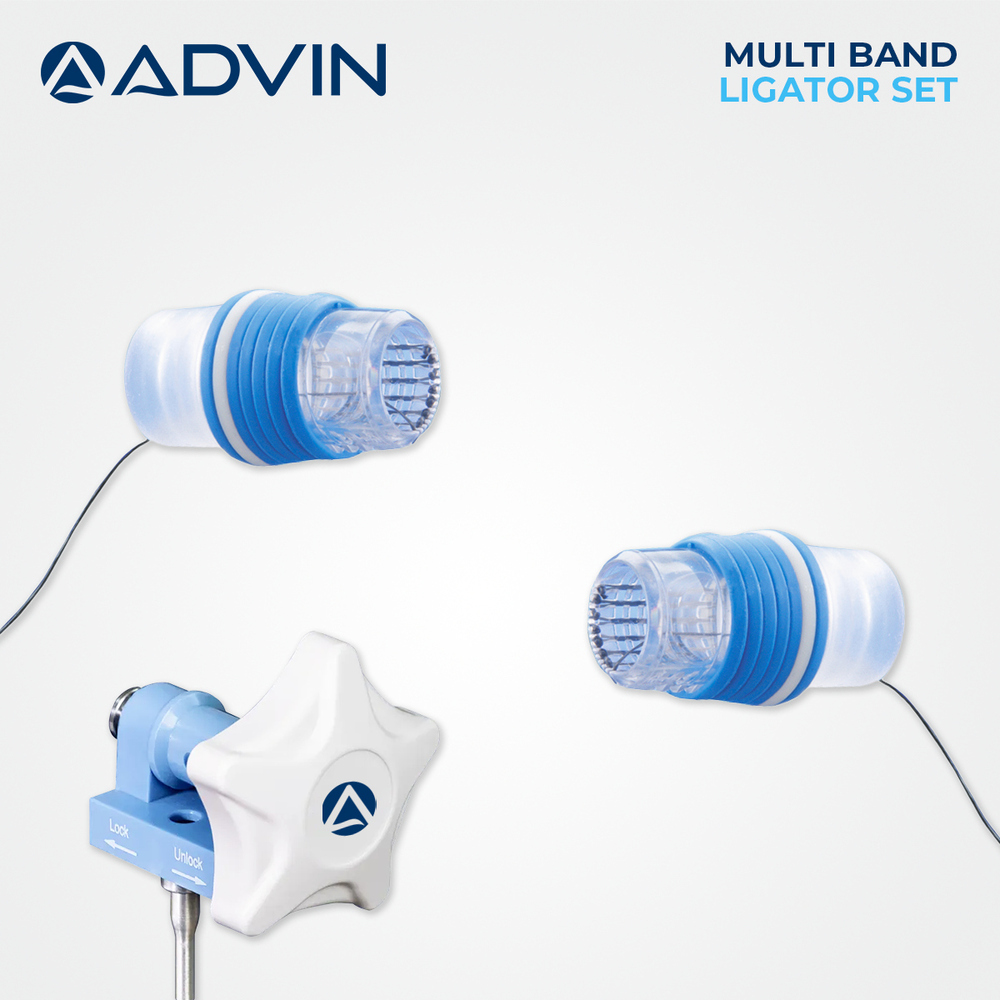
Price 4 USD ($) / Piece
Minimum Order Quantity : 1 Piece
Wall Mounted : No
Condition : New
Material : Other, Medicalgrade Plastic and Stainless Steel
Real-Time Operation : Yes

Price 2.6 USD ($) / Piece
Minimum Order Quantity : 1 Piece
Wall Mounted : No
Condition : New
Material : Other, Medical Grade Polyurethane or Polyethylene
Real-Time Operation : Yes
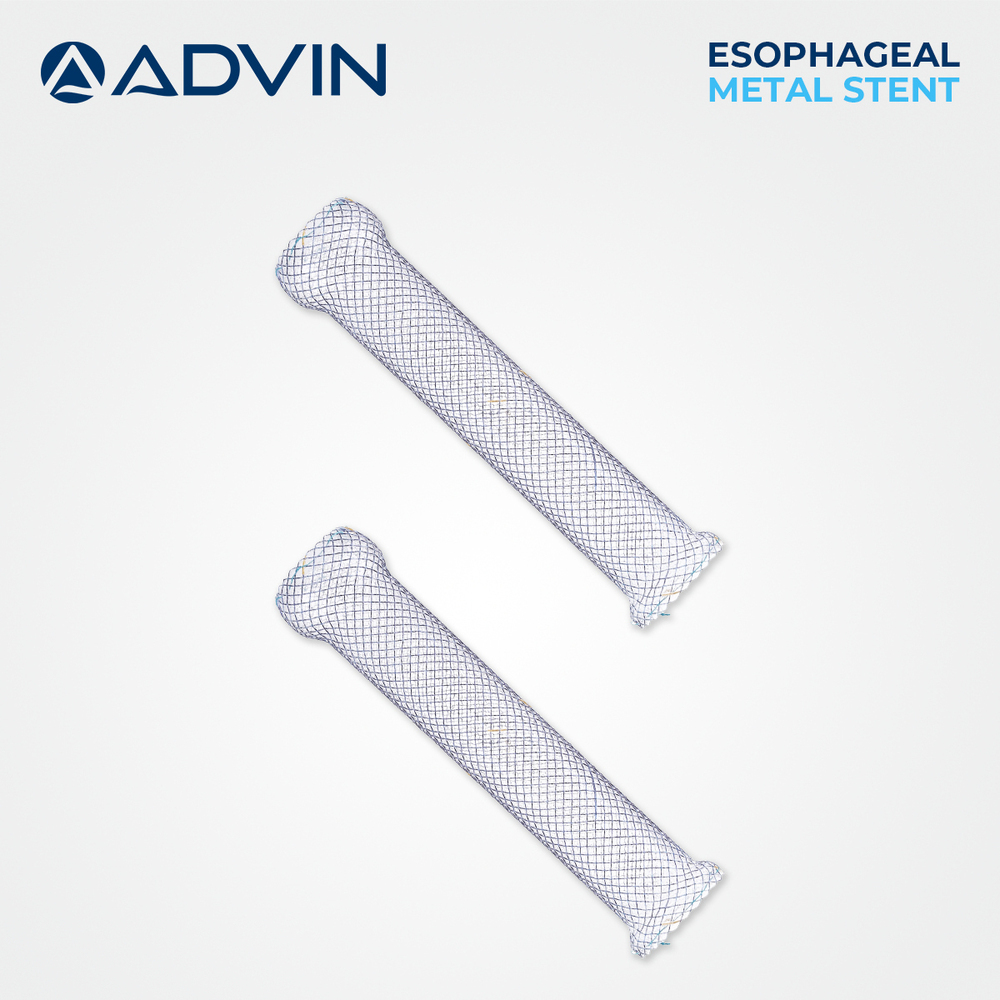
Price 6 USD ($) / Piece
Minimum Order Quantity : 1 Piece
Wall Mounted : No
Condition : New
Material : Other, Nitinol (Nickel Titanium Alloy)
Real-Time Operation : Yes
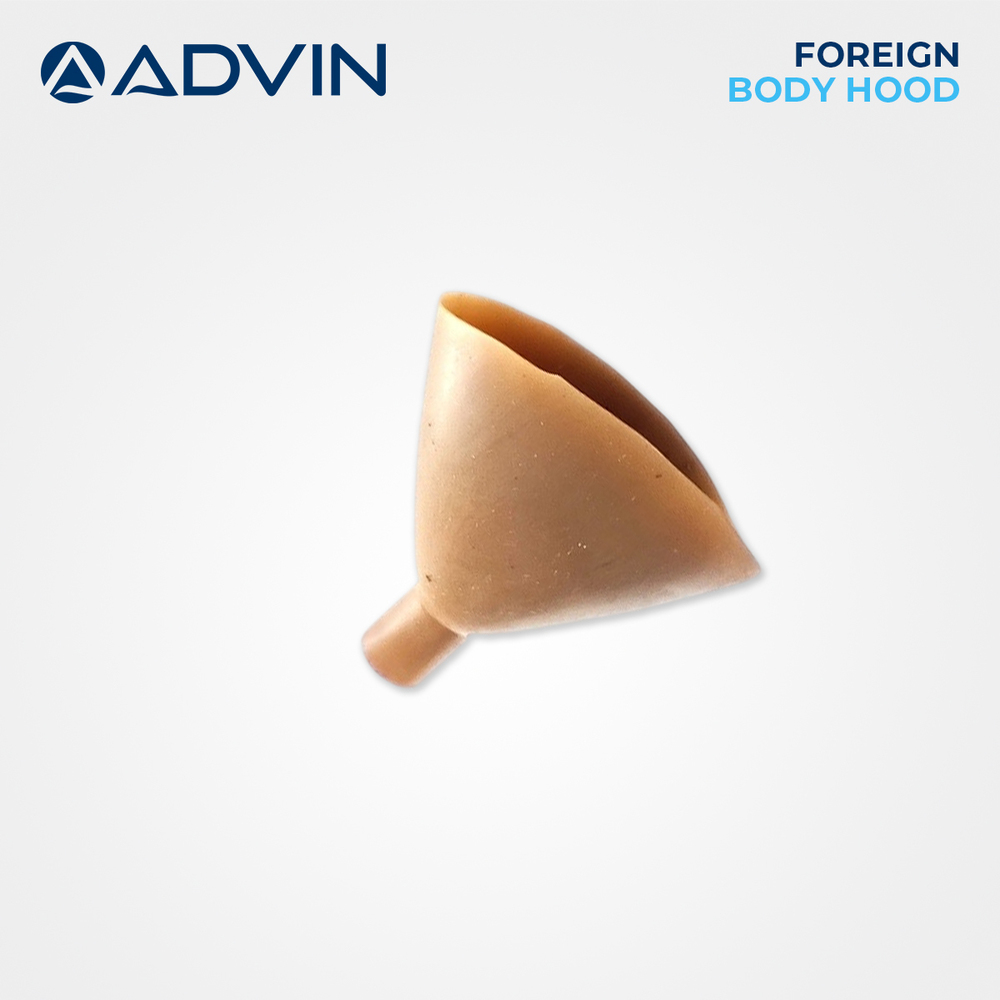
Price 6 USD ($) / Piece
Minimum Order Quantity : 1 Piece
Wall Mounted : No
Condition : New
Material : Other, Medicalgrade Polyethylene (PE)
Real-Time Operation : Yes
GST : 24CTVPS5589L1ZE


 Send Inquiry

 Send Inquiry
 English
 Spanish
 French
 German
 Italian
 Chinese (Simplified)
 Japanese
 Korean
 Arabic
 Portuguese