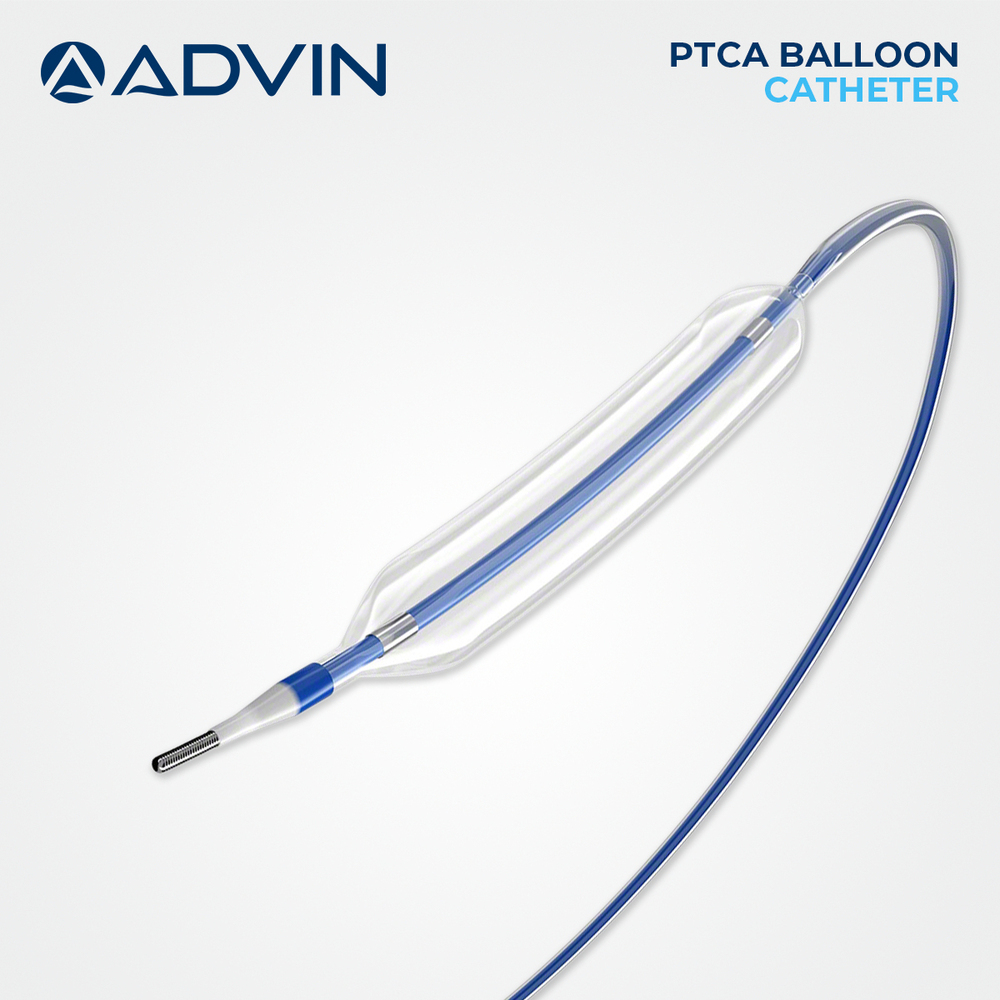
About Endovascular Balloon Catheter
Controlled balloon inflation for accurate vessel dilation
- Flexible design for smooth navigation through vessels
- Reliable performance with high-quality construction
- Compatible with standard angioplasty and stenting systems
- Suitable for coronary and peripheral vascular procedures
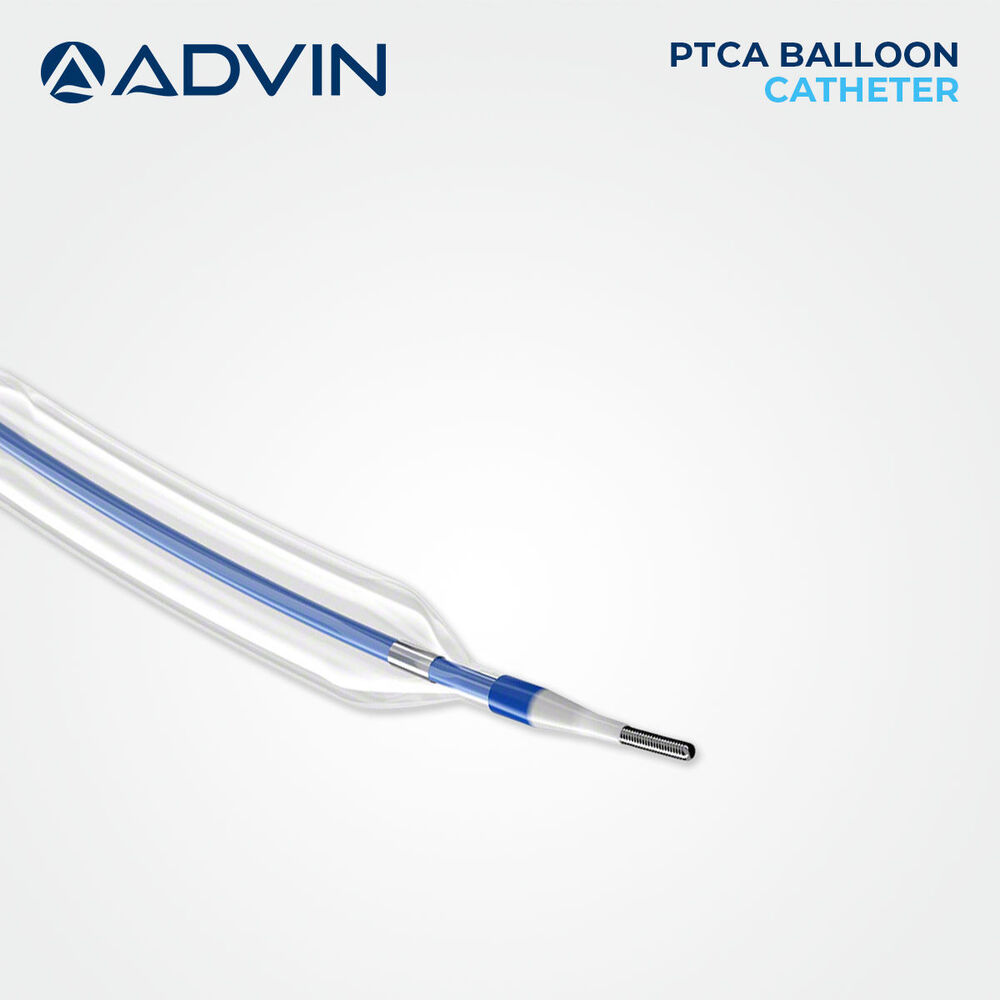
Precision and Safety for Vascular ProceduresOur endovascular balloon catheter combines optimal balloon compliance, enhanced radiopacity, and atraumatic tip design, facilitating accurate vessel dilation and occlusion while minimizing vessel injury. Each catheter is ergonomically crafted for manual, real-time use, supporting interventional cardiology specialists in delivering improved patient outcomes through minimally invasive approaches.
Comprehensive Compatibility and SterilityWith flexible guidewire compatibility (0.014"-0.035") and options for single or dual lumen, this catheter accommodates various procedural demands. Ethylene Oxide sterilization and sterile, individual blister packaging ensure reliable safety and product integrity, supporting both hospital and clinic use across India and global healthcare markets.
Quality Assurance and PortabilityThe balloon catheter features medical-grade materials, silent operation, and lightweight construction, making it highly portable and user-friendly. Its shelf life of 2-3 years and compliance with stringent manufacturing standards position it as an essential, dependable tool for vascular intervention, backed by trusted exporters, manufacturers, suppliers, and traders.
FAQ's of Endovascular Balloon Catheter:
Q: How do I use the endovascular balloon catheter for angioplasty or vessel dilation?
A: The catheter is to be inserted into the target vessel using an appropriate guidewire (0.014"-0.035"), advanced under fluoroscopy, and then manually inflated via the luer lock hub to the recommended pressure (up to 18 atm) for the desired balloon length and diameter. Follow hospital protocol for handling and disposal after single use.
Q: What benefits does the enhanced radiopacity provide during procedures?
A: Radiopaque marker bands on the balloon ensure excellent visibility under fluoroscopy, enabling precise placement and control within the vessel during angioplasty or occlusion procedures, thereby optimizing procedural accuracy and patient safety.
Q: When should the single lumen or dual lumen balloon catheter be selected?
A: Choose between single lumen and dual lumen designs depending on procedural needs; single lumen is standard for dilation, while dual lumen supports specific applications requiring additional fluid delivery or simultaneous functions.
Q: Where should the catheter be stored before use?
A: It should be kept in a cool, dry place away from direct sunlight, maintaining its sterility in the original, individually packed blister packaging until ready for use.
Q: What is the process for balloon inflation and pressure management?
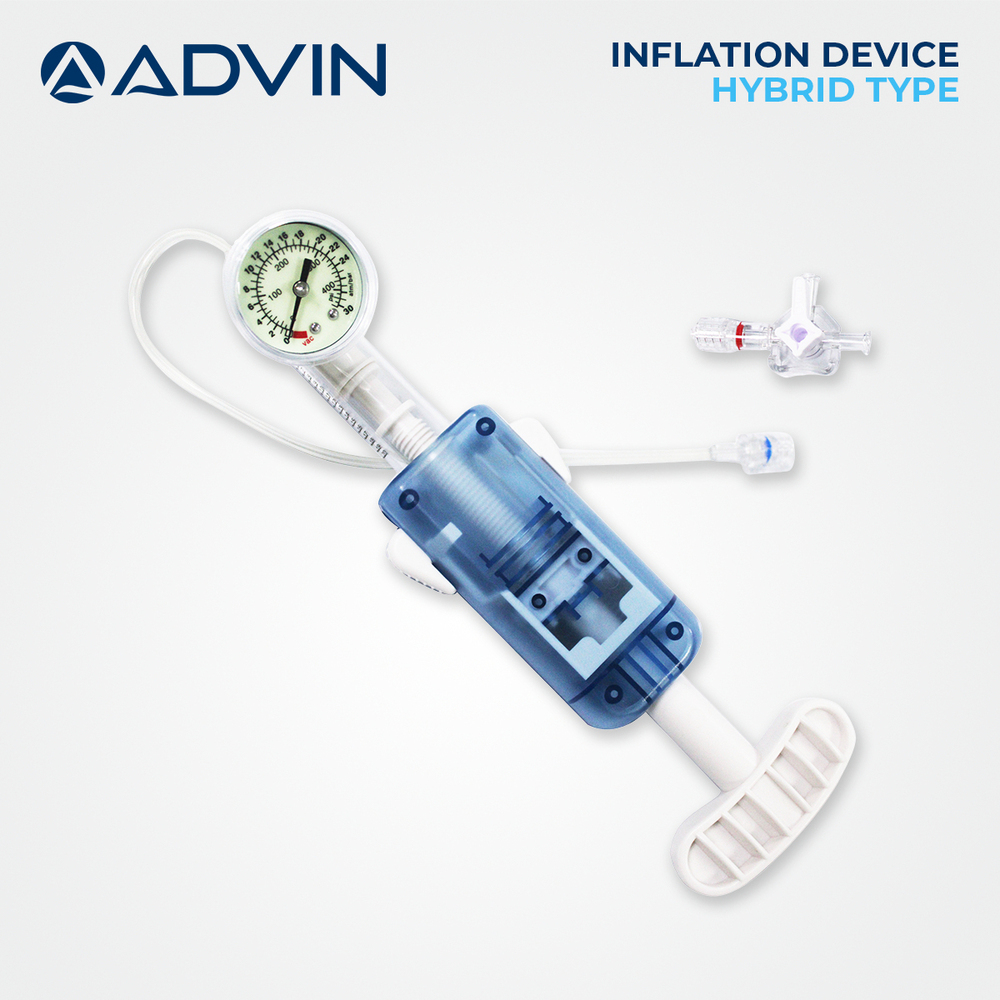
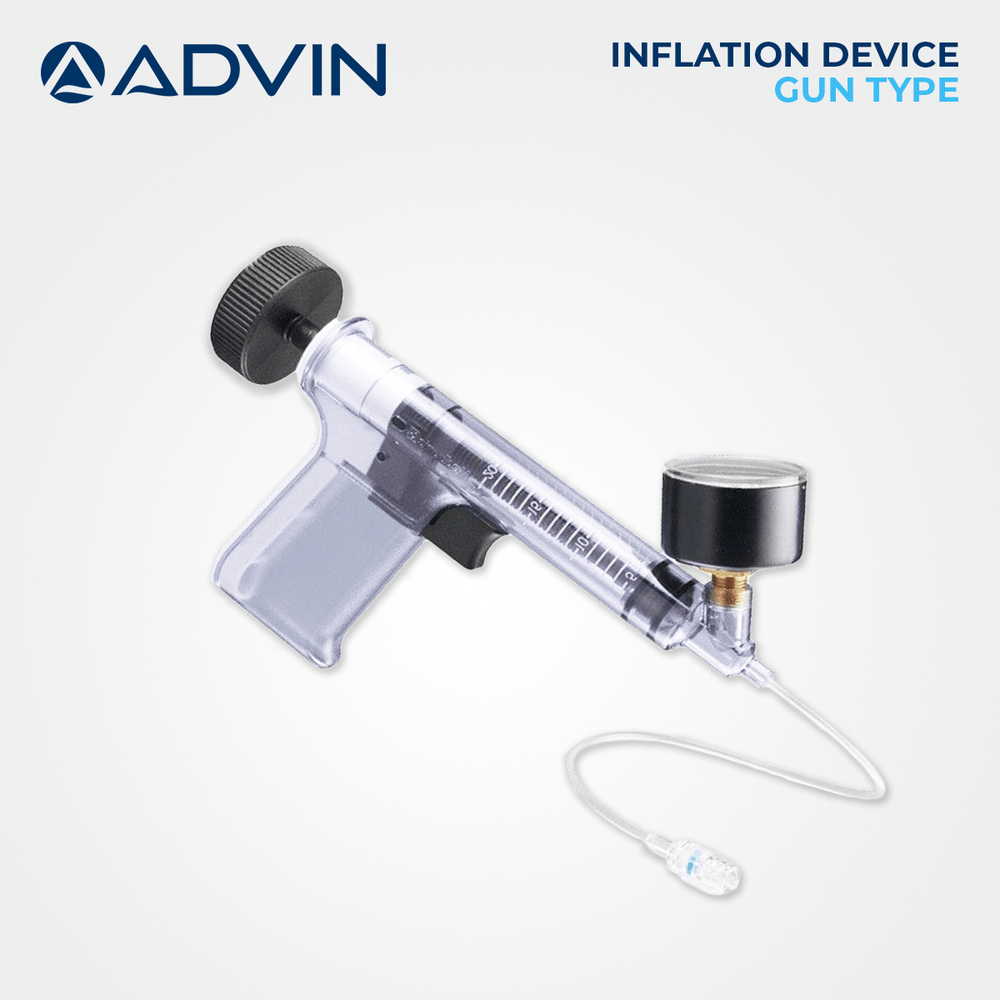
A: Connect the luer lock hub to a manual inflation device, and slowly inflate the balloon, monitoring pressure (up to 18 atm) and size as required for the vessel. Ensure not to exceed recommended pressure limits or the balloon's diameter range (2-12 mm) for safety.
Q: Is this device suitable for all vessel sizes and types of occlusion?
A: The catheter offers various balloon lengths (10-100 mm) and diameters (2-12 mm), suitable for a wide range of arteries and veins. Select appropriate sizing and compliance (semi-compliant or non-compliant) to match the vessel characteristics and the clinical indication.
Q: What is the shelf life and how should expired devices be managed?
A: Each catheter maintains sterility for 2-3 years from its manufacture date. Expired devices should not be used and must be disposed of according to medical waste protocols to ensure patient safety.

 Send Inquiry



 Send Inquiry

 Send Inquiry
 English
 Spanish
 French
 German
 Italian
 Chinese (Simplified)
 Japanese
 Korean
 Arabic
 Portuguese