About Enhanced Tip Control Wire
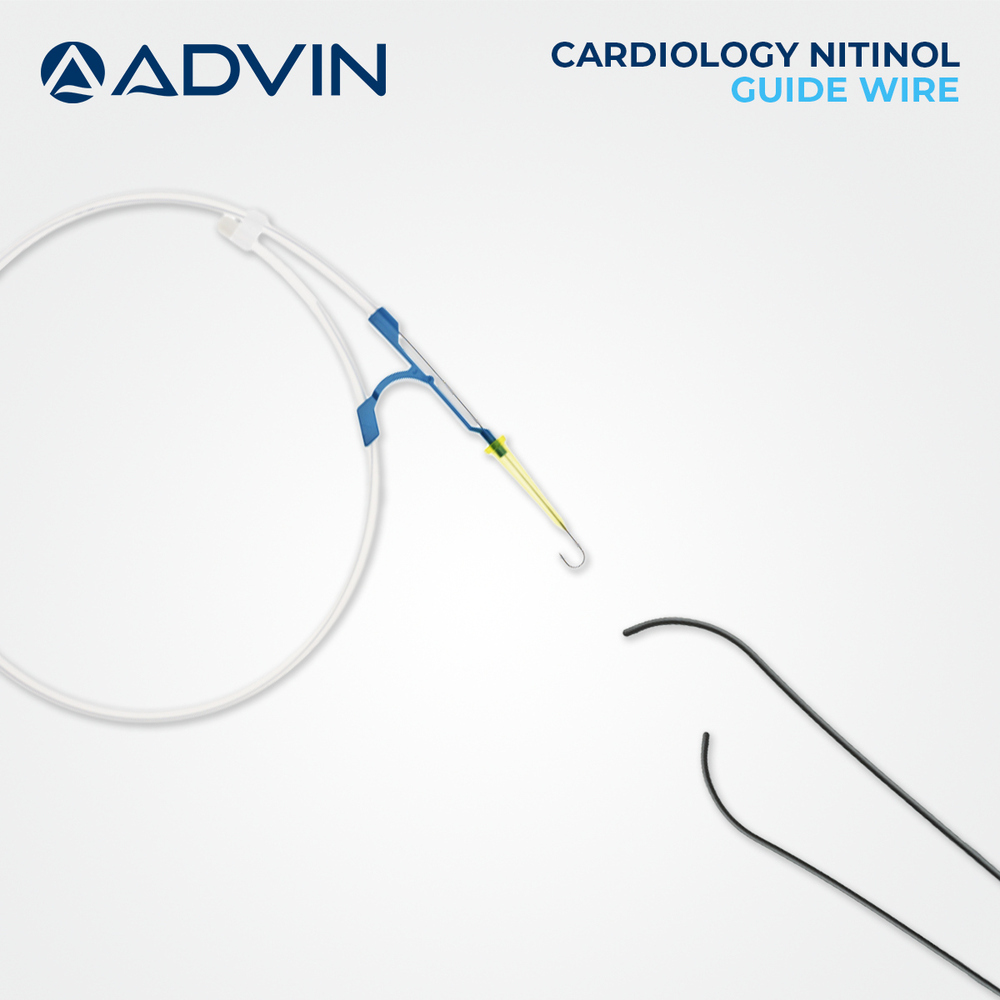
Advin Health Care Enhanced Tip Control Wire is designed to deliver superior tip responsiveness and precise navigation during vascular interventions. It ensures accurate steering, smooth advancement, and reliable performance in complex anatomical pathways.
Key Features:
- Enhanced tip control for precise navigation
- Excellent torque response for accurate steering
- Smooth tracking through complex vessel pathways
- Atraumatic tip design for vessel safety
- Compatible with standard interventional systems
Certifications:
CE, ISO 13485, ISO 9001 Certified
Product Keywords:
Enhanced Tip Control Wire, Guidewire, Steerable Guidewire, Vascular Guidewire, Interventional Guidewire
, , , ,
Alambre gua con control de punta mejorado, alambre gua, alambre gua orientable, alambre gua vascular, alambre gua intervencionista
Fil guide contrle d'extrmit amlior, fil guide orientable, fil guide vasculaire, fil guide interventionnel
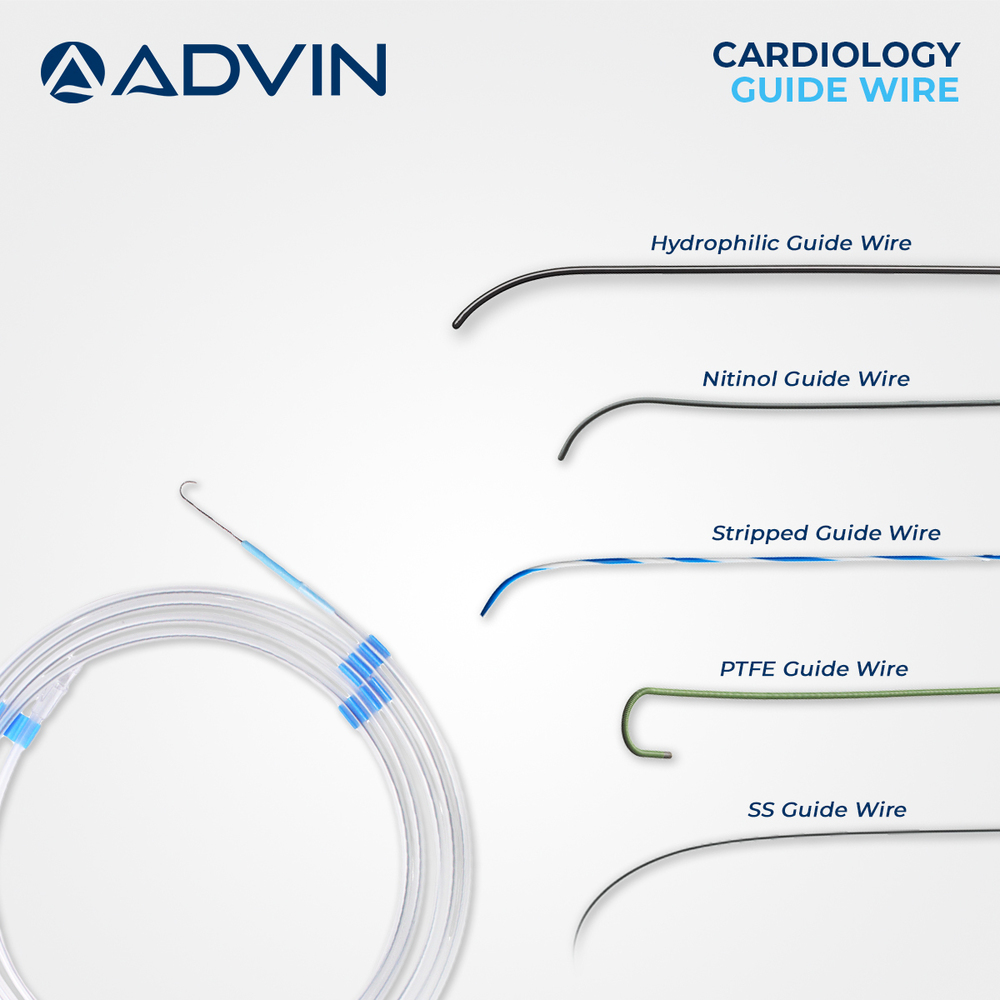
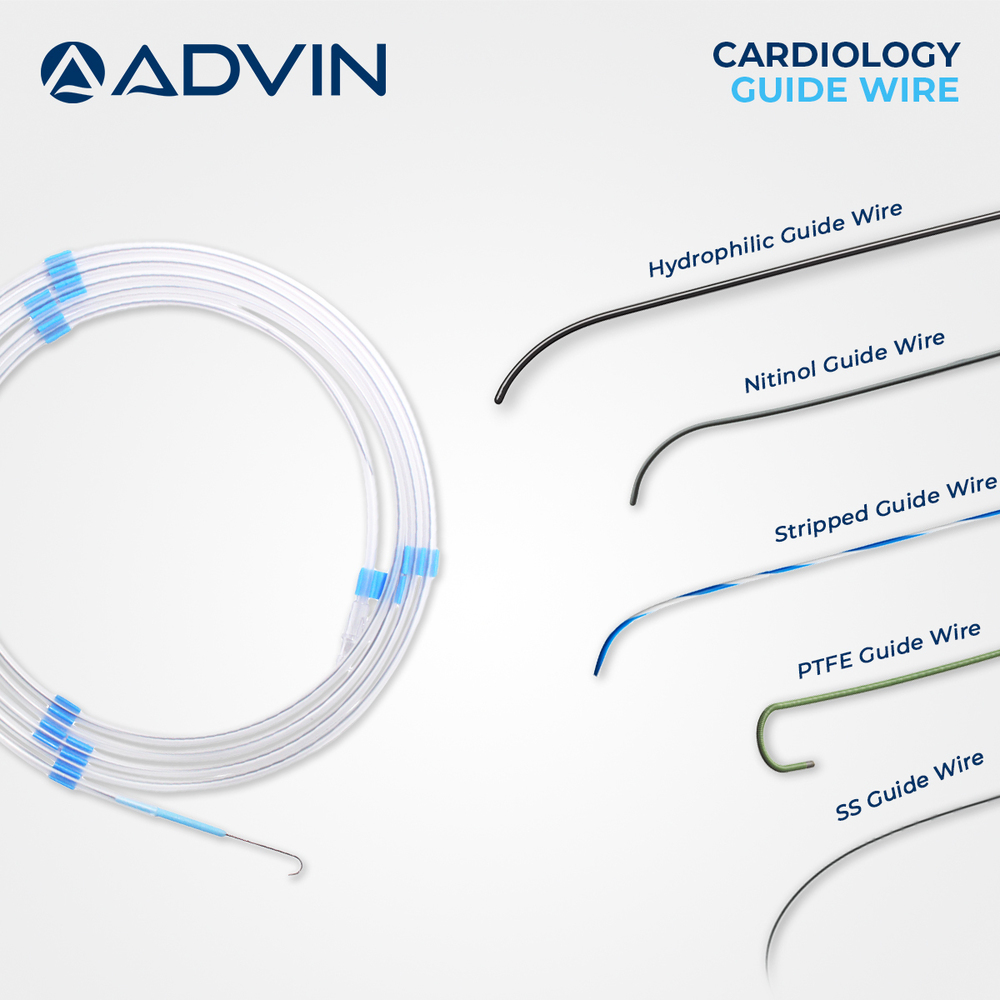
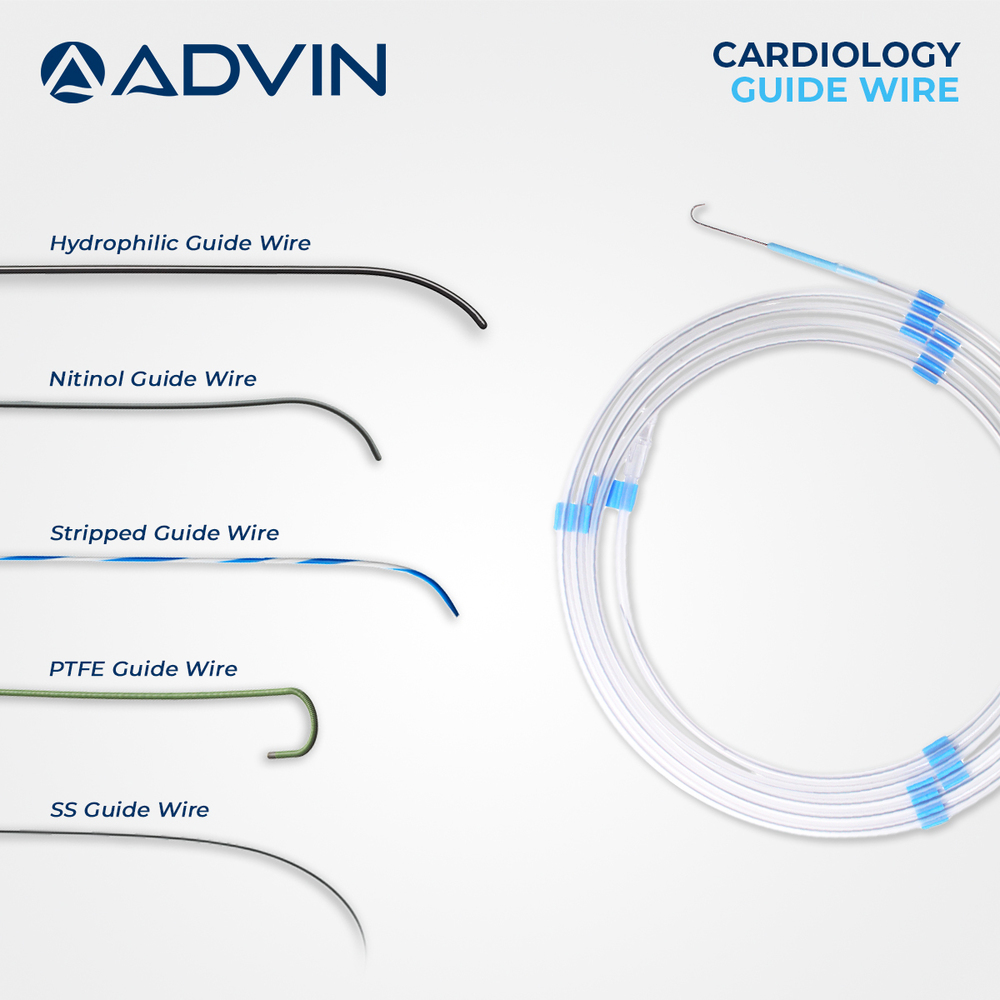
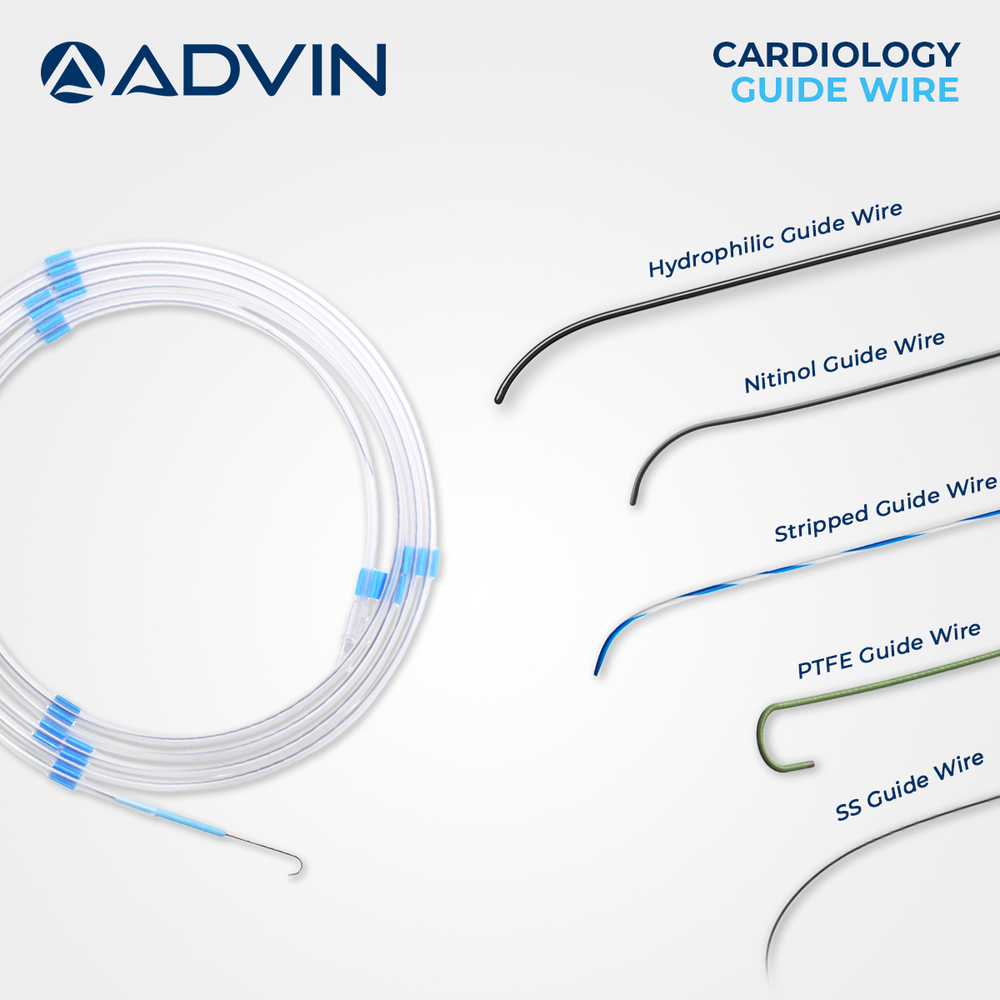
Advanced Medical Guide Wire SolutionsDesigned for interventional cardiology and radiology, these Enhanced Tip Control Wires deliver high accuracy and exceptional control in navigating vessels. Each variant-be it hydrophilic, PTFE, nitinol, or stainless steel-caters to specific clinical needs with features like flexible tips, smooth surfaces, and radiopaque markers, ensuring safety as well as performance.
Versatile Applications and Superior DesignWith variants suitable for coronary and peripheral procedures, these guide wires accommodate a range of approaches. The hydrophilic and PTFE coatings minimize friction, while the availability of both straight and angled tips maximizes procedural flexibility. Their single-use, sterilized packaging meets stringent medical standards.
FAQ's of Enhanced Tip Control Wire:
Q: How does the Enhanced Tip Control Wire improve guide wire maneuverability during procedures?
A: The Enhanced Tip Control Wire incorporates a flexible tip and superior coatings (hydrophilic or PTFE per variant) to facilitate smooth navigation through vessels. Its advanced construction reduces friction and enhances steerability, allowing clinicians to guide catheters and other devices with precision during coronary and peripheral interventions.
Q: What are the available variants of this wire and their unique advantages?
A: This guide wire is available as Hydrophilic, PTFE, Nitinol, Stripped, and Stainless Steel variants. Hydrophilic and PTFE coatings offer ultra-low friction; nitinol provides superior flexibility and kink resistance; and stainless steel variants deliver robust support. Each type offers distinct benefits to accommodate diverse clinical requirements.
Q: When should I choose a straight tip versus an angled tip guide wire?
A: Straight tip guide wires are typically chosen for navigating relatively uncomplicated vessel paths or for initial access. Angled tips are preferred when negotiating tortuous anatomy, branch vessels, or targeted interventions requiring precision entry into side branches.
Q: Where are Enhanced Tip Control Wires most effectively used?
A: These wires are ideal in cardiology settings for angioplasty, as well as in peripheral vascular and interventional radiology procedures. Their versatility and range of diameters support both coronary and peripheral vessel access and navigation.
Q: What is the process for maintaining sterility of the guide wire before use?
A: Each guide wire is ETO sterilized and packed individually in a sterile pouch at the manufacturing facility. To maintain sterility, store the pouch in a cool, dry place away from direct sunlight until the time of use. The wire should only be opened immediately before the procedure.
Q: How can clinicians benefit from the radiopaque marker on these guide wires?
A: The incorporated radiopaque marker enhances the wire's visibility under fluoroscopy, enabling clinicians to precisely monitor tip location and movement within vessels, thereby reducing the risk of misplacement and improving procedural outcomes.

 Send Inquiry




 Send Inquiry

 Send Inquiry
 English
 Spanish
 French
 German
 Italian
 Chinese (Simplified)
 Japanese
 Korean
 Arabic
 Portuguese