
Call: 07315121789
 Send Inquiry
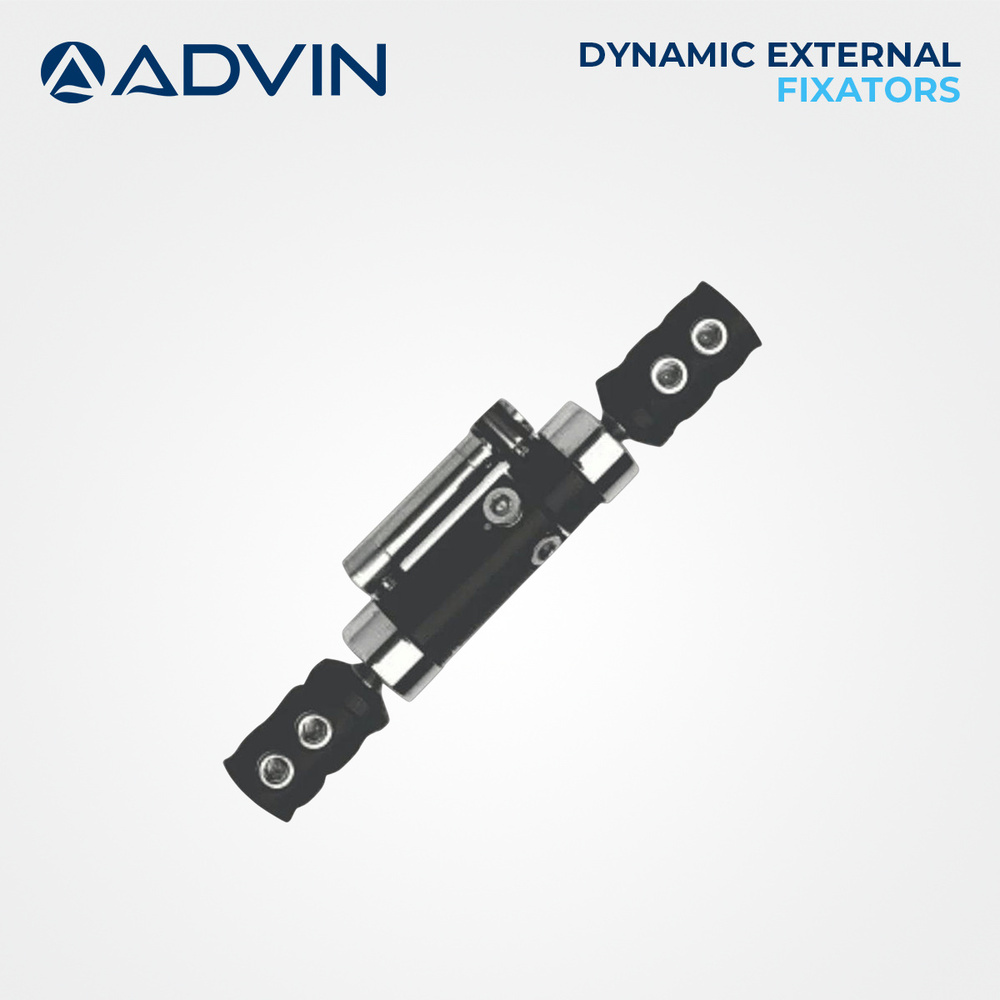
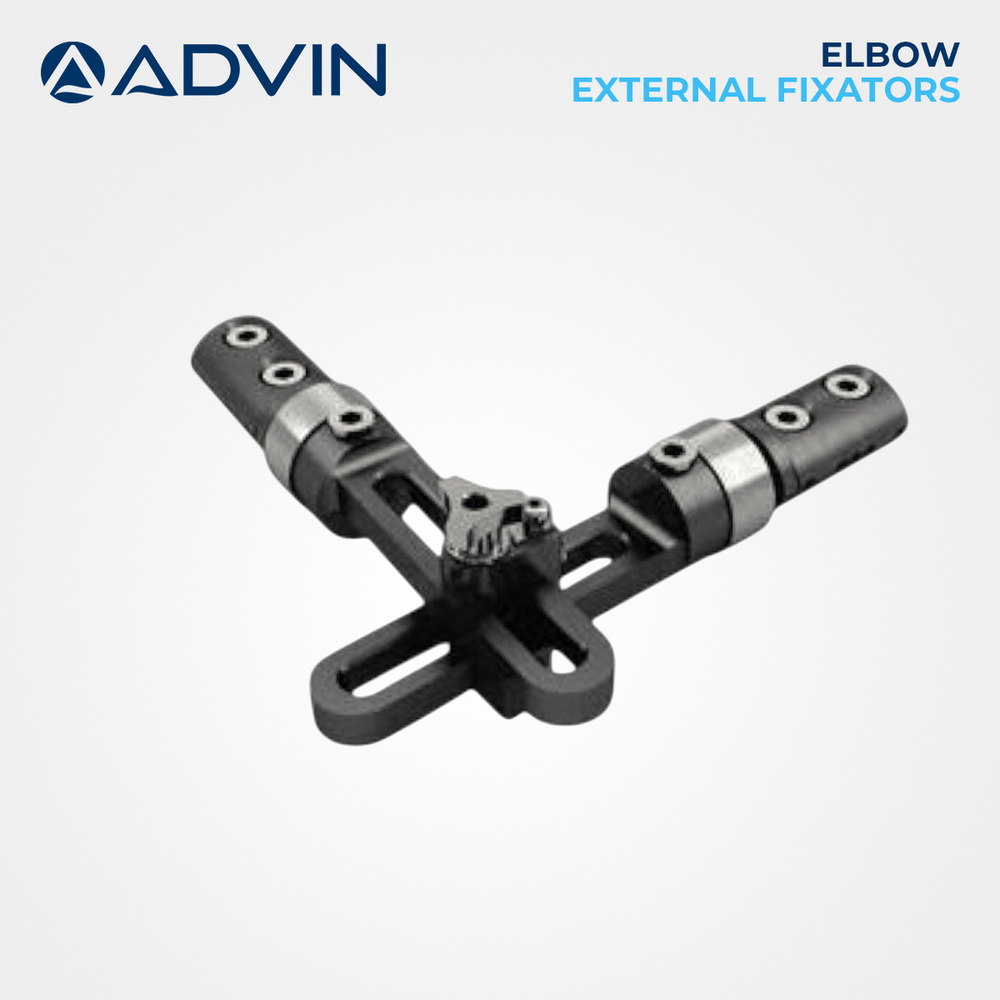
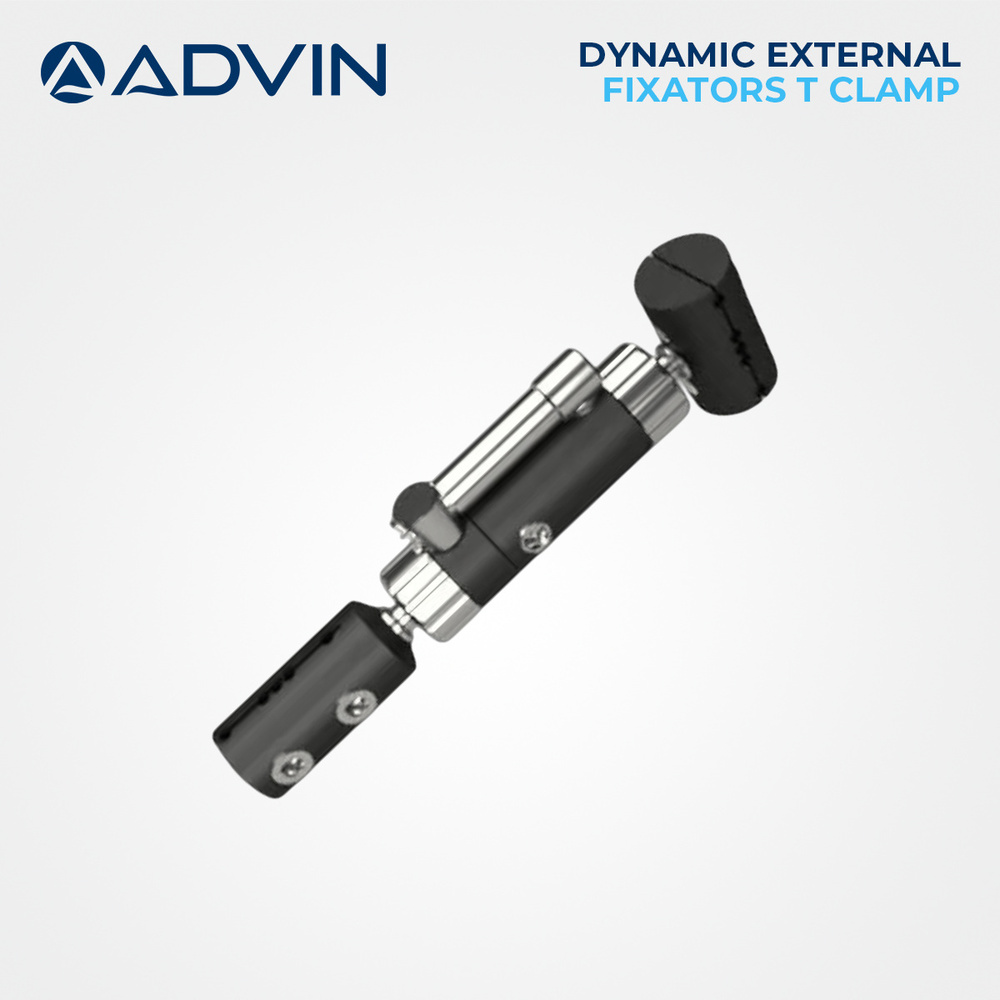
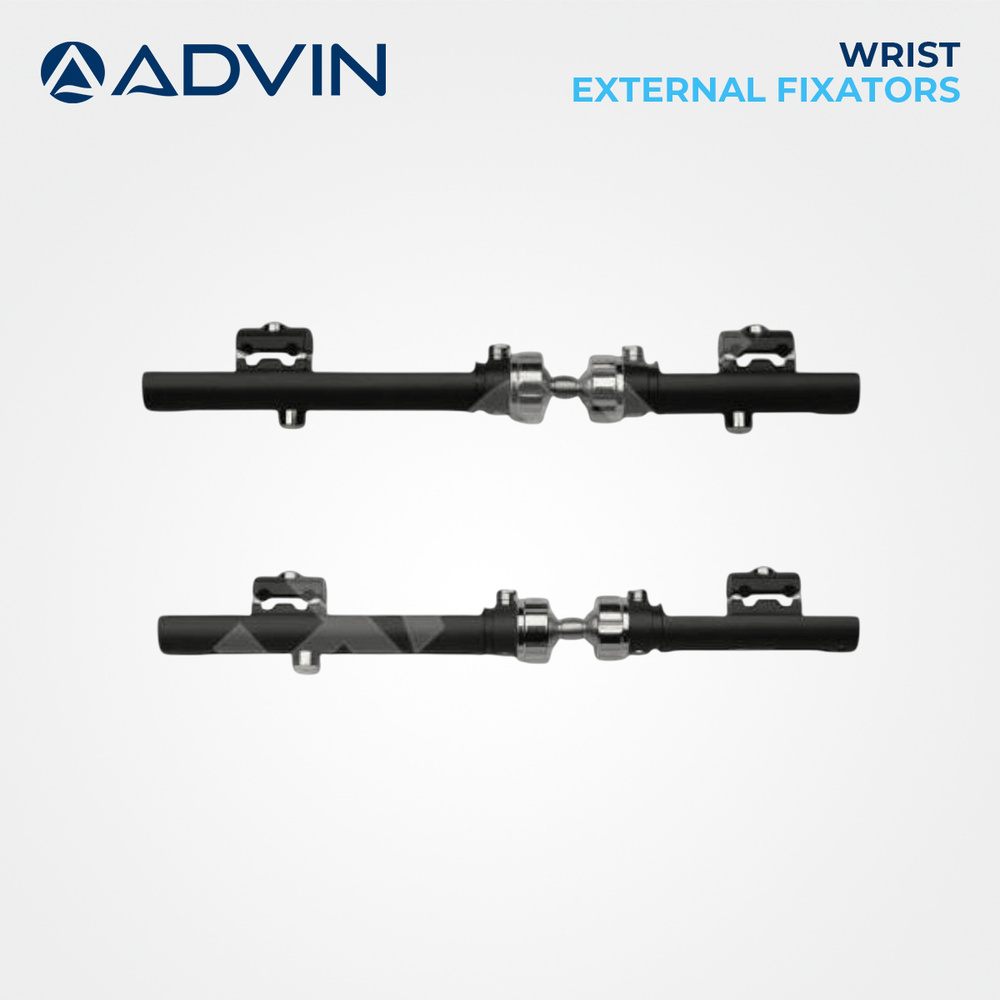
External Fixators are widely used in trauma orthopedic surgeries for complex fractures, open fractures, and limb lengthening procedures. They allow surgeons to maintain precise bone alignment and stability while minimizing soft tissue damage. Advin Health Care manufactures External Fixators with precision, ensuring strength, biocompatibility, and reliable performance. Available in various designs and sizes, these fixators provide versatile solutions for upper and lower limb fractures, promoting efficient bone healing and optimal functional recovery.
Made from premium stainless steel and carbon fiber for strength and durability
Lightweight design allows ease of handling and patient comfort
Adjustable configuration for precise fracture alignment
Suitable for complex, open, and comminuted fractures
Provides stable external support while minimizing soft tissue injury
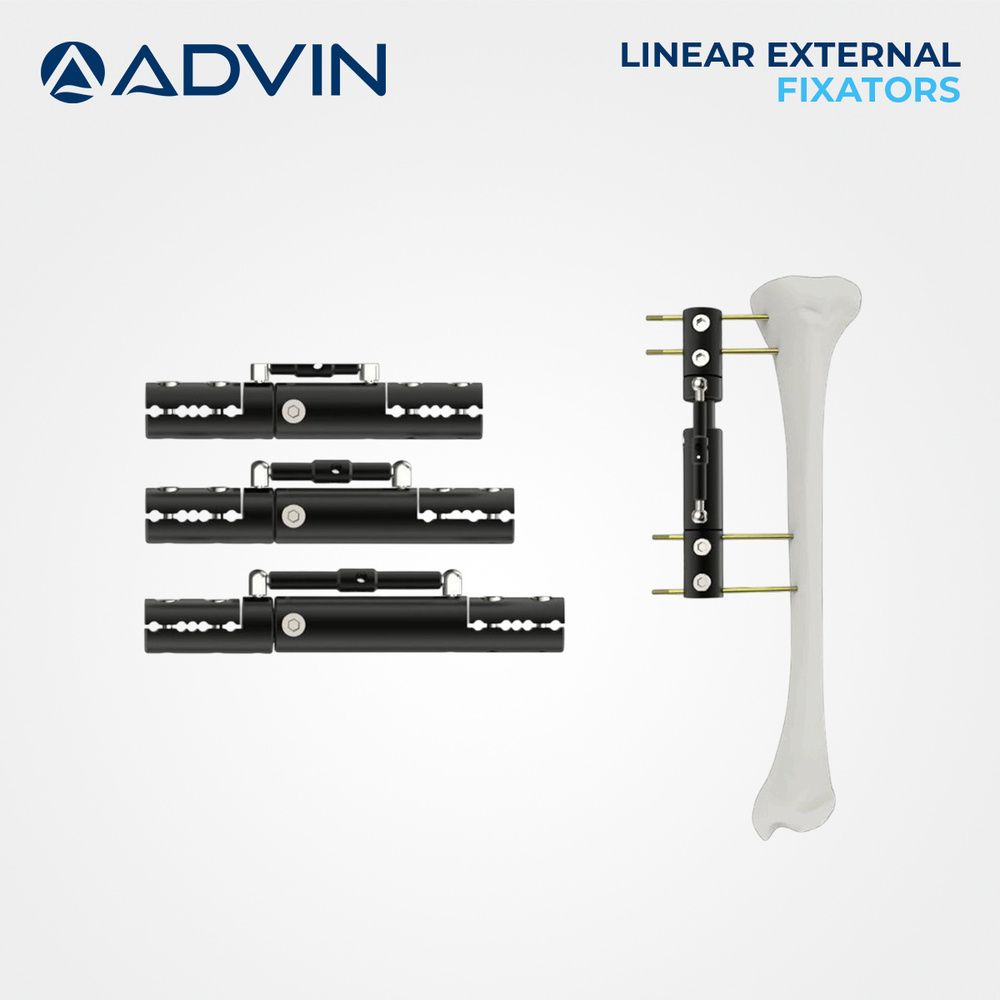

Price:
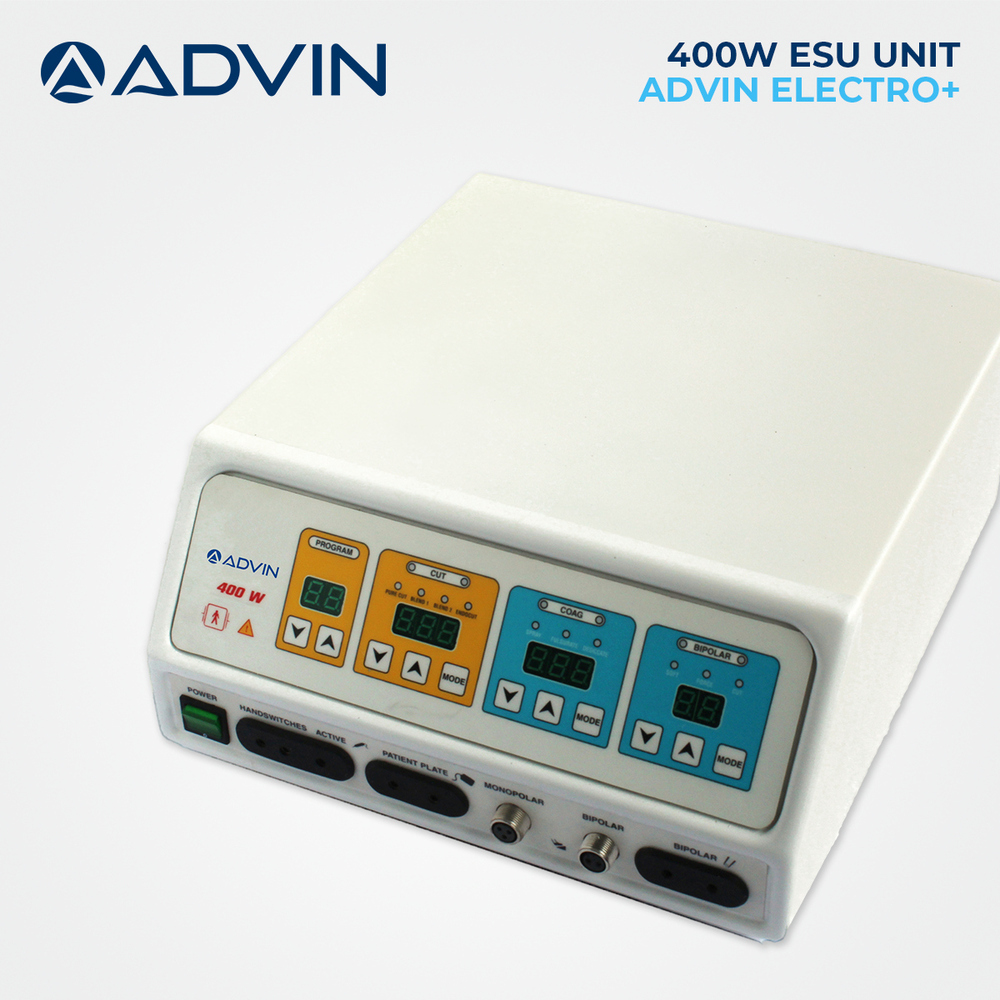
Price 500 USD ($) / Piece
Minimum Order Quantity : 1 Piece
Usage Type : Hospital, Clinic
Shelf Life : 10 years (under recommended usage)
Dimension (L*W*H) : 370*320*150 mm
Function : Electrosurgical Procedures: Cutting, Coagulation, Blend Modes
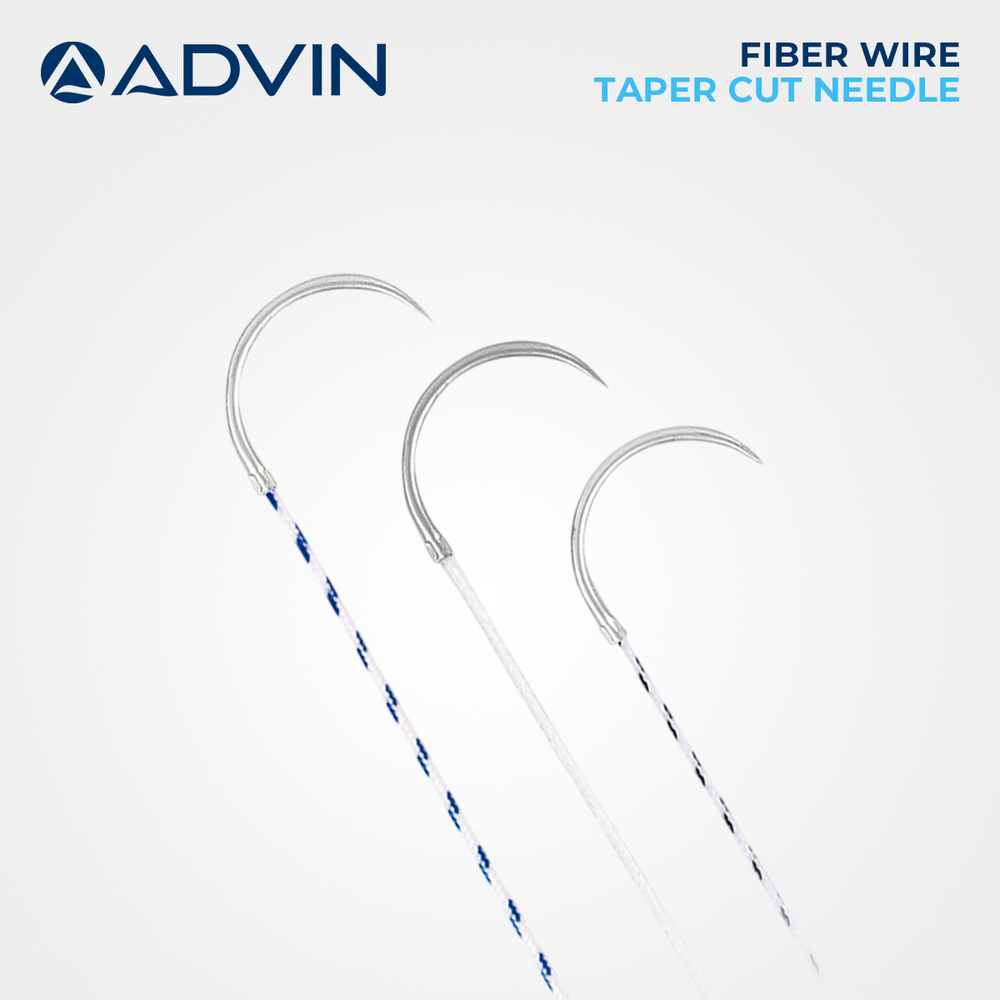
Price 4 USD ($) / Piece
Minimum Order Quantity : 1 Piece
Usage Type : Reusable (Refer to hospital protocol or manufacturer guidance)
Shelf Life : 5 years (if sterile and unopened)
Dimension (L*W*H) : Standard Surgical Size (Refer to manufacturers specifications)
Function : Anchoring of sutures in bone for tendon and ligament repair
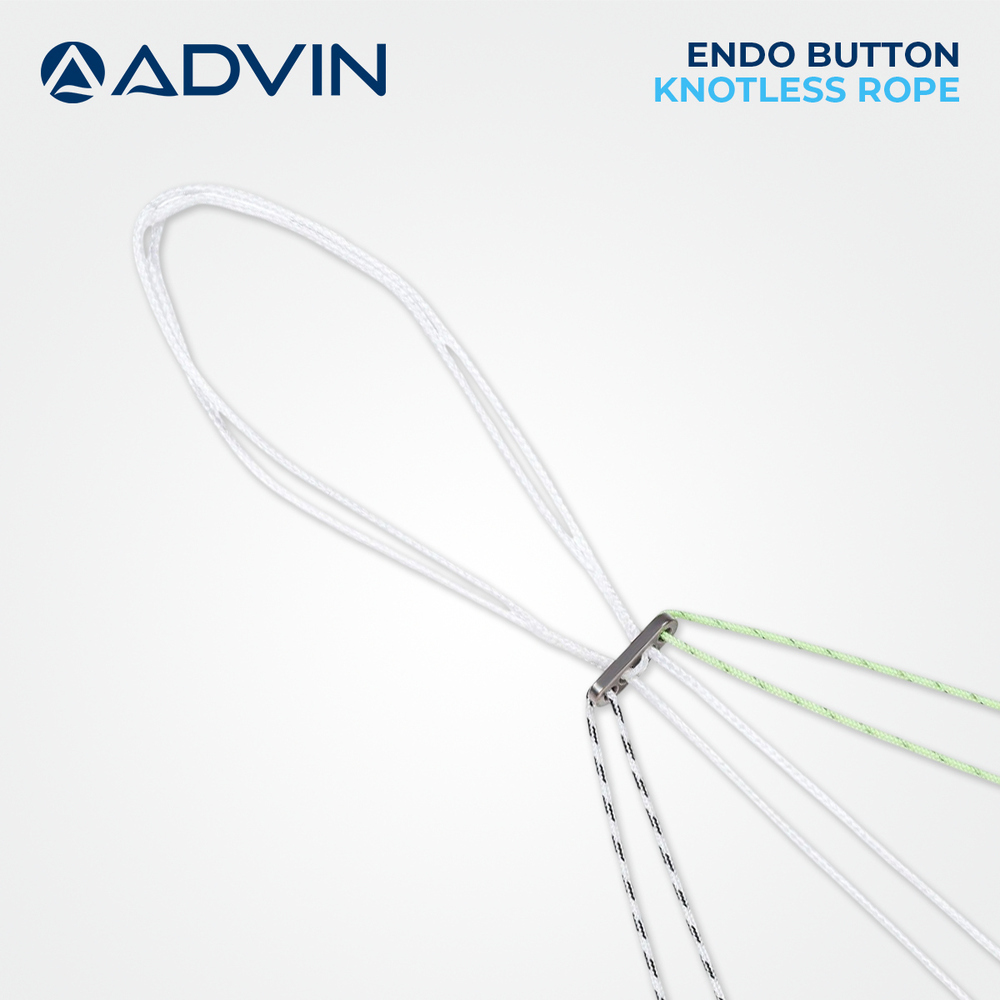
Price 25 USD ($) / Piece
Minimum Order Quantity : 1 Piece
Usage Type : Singleuse
Shelf Life : 5 years
Dimension (L*W*H) : Button: Approx. 15 mm x 4 mm x 2 mm; Rope length: 50150 mm (customizable)
Function : Soft tissue to bone fixation, joint stabilization
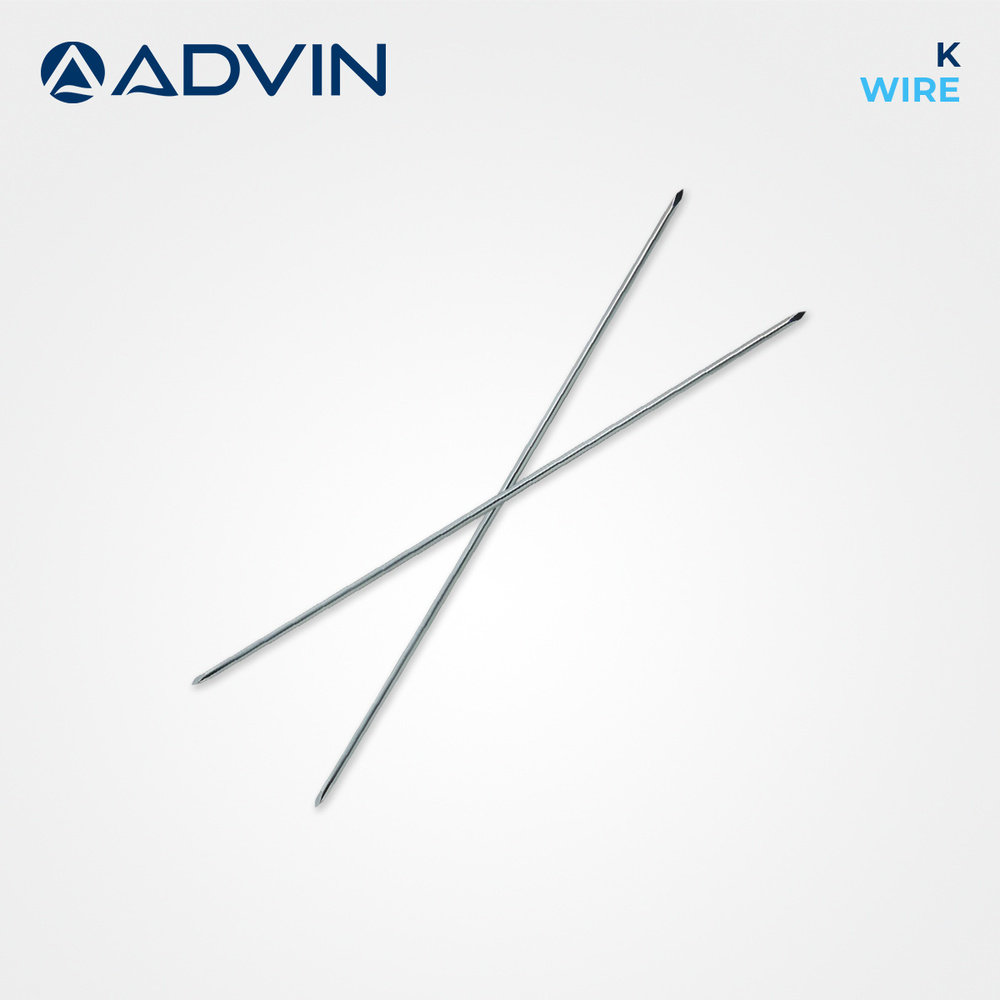
Price 6 USD ($) / Piece
Minimum Order Quantity : 1 Piece
Usage Type : Hospital, Clinic
Shelf Life : 5 Years
Dimension (L*W*H) : Various (Diameter 0.8mm to 3.0mm, Length 150mm to 500mm)
Function : Orthopedic Internal Fixation
GST : 24CTVPS5589L1ZE


 Send Inquiry

 Send Inquiry
 English
 Spanish
 French
 German
 Italian
 Chinese (Simplified)
 Japanese
 Korean
 Arabic
 Portuguese