About Flexible Guide Wire
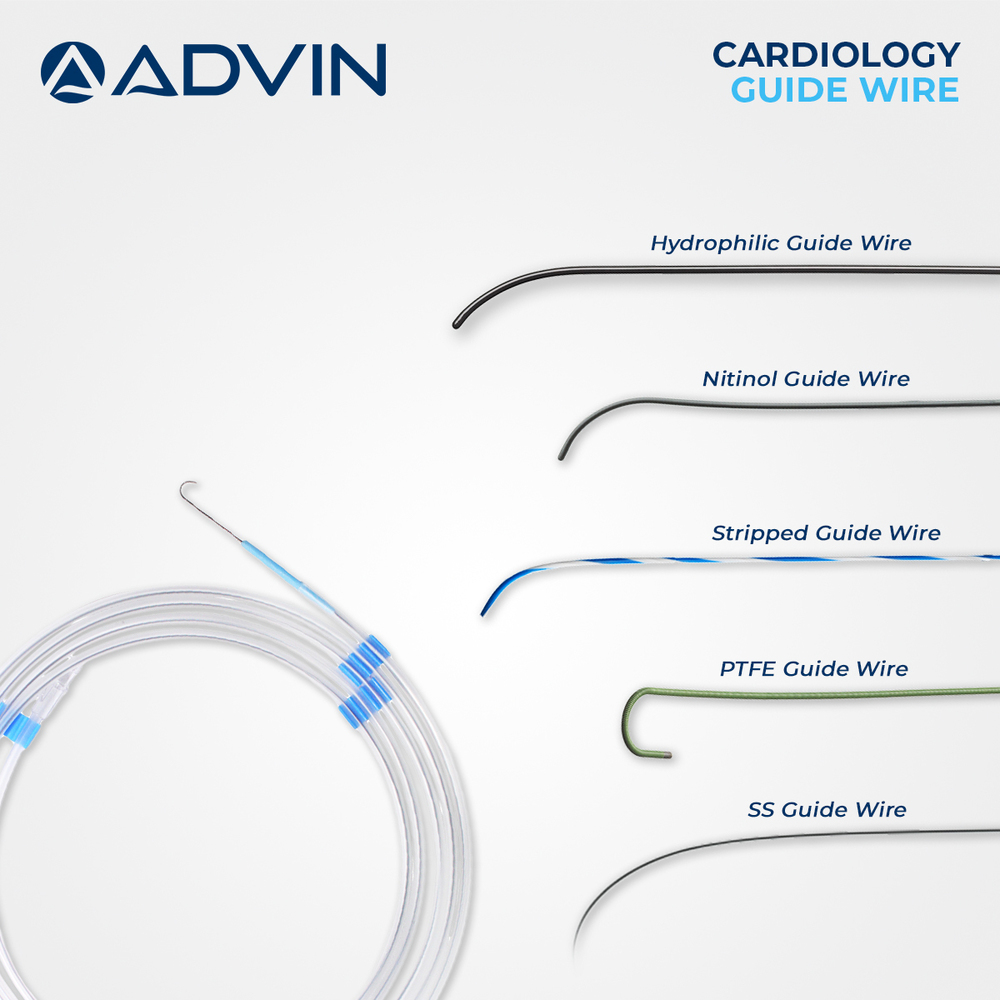
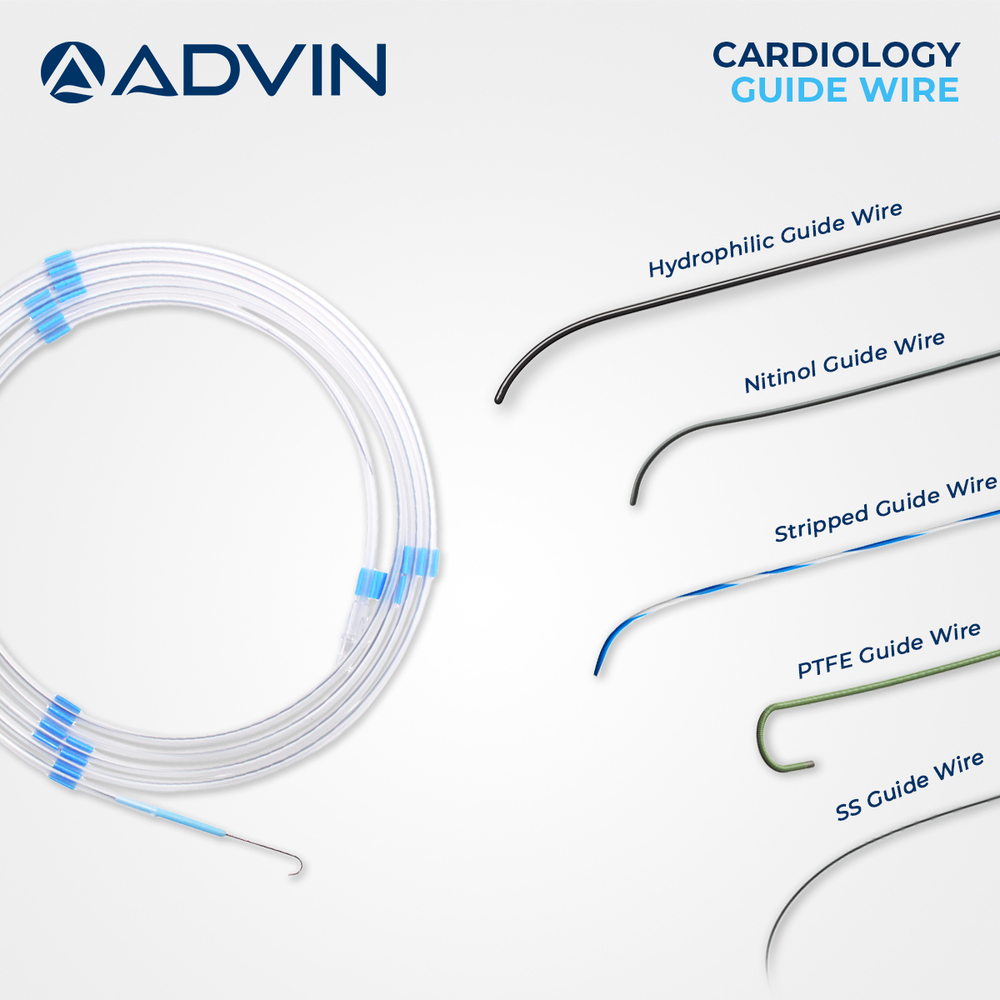
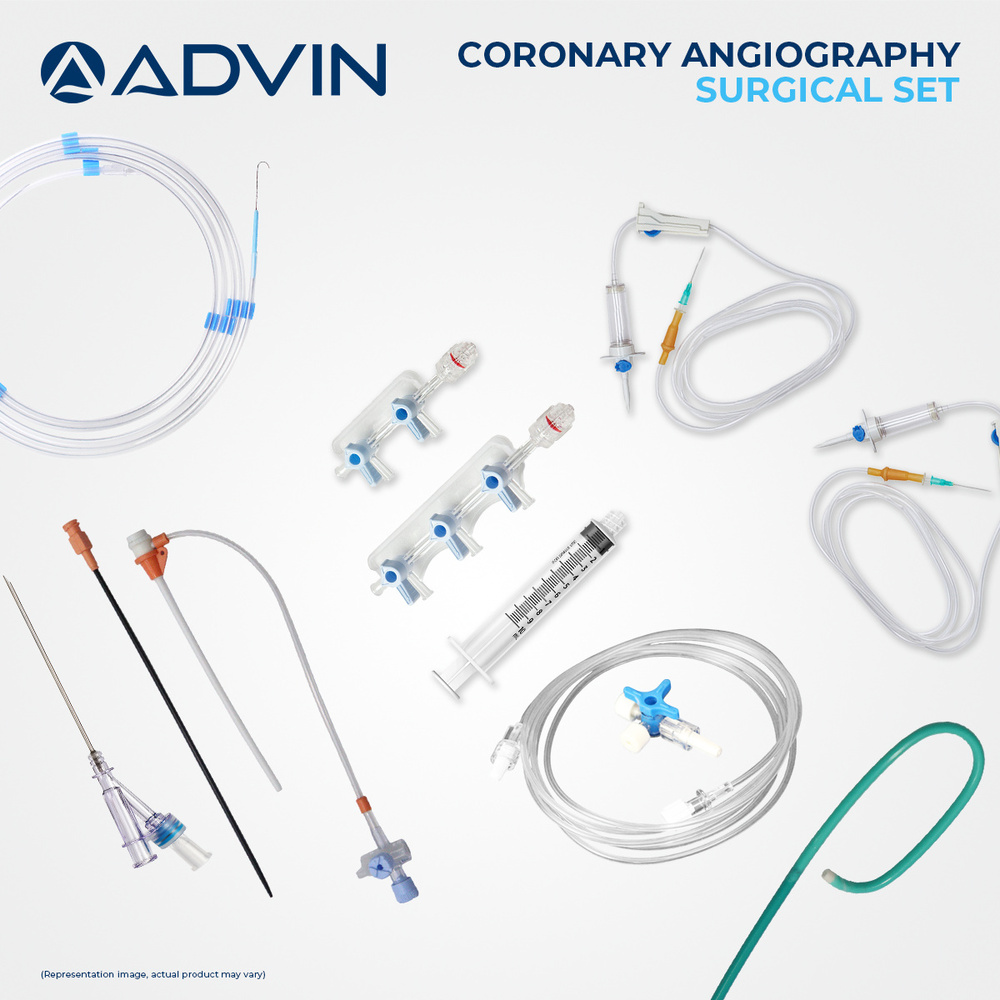
Advin Health Care Flexible Guidewire is designed for smooth navigation and precise control during diagnostic and interventional procedures. Its flexible construction allows easy advancement through complex and tortuous vascular pathways, supporting efficient device delivery.
Key Features
- High flexibility for navigating complex anatomy
- Smooth trackability for controlled movement
- Excellent torque response for precise handling
- Atraumatic tip for safe vessel access
Certifications
CE, ISO 13485, ISO 9001 Certified
Product Keywords
Flexible Guidewire, Vascular Guidewire, Interventional Guidewire, Angiography Guidewire, PTCA Guidewire
, , , ,
Gua flexible, gua vascular, gua intervencionista, gua para angiografa, gua para PTCA
Fil guide flexible, fil guide vasculaire, fil guide interventionnel, fil guide d'angiographie, fil guide pour angioplastie transluminale percutane (PTCA)
Superior Flexibility and NavigationOur guide wires are engineered with exceptional flexibility, allowing for seamless passage through challenging and tortuous vascular pathways. The kink-resistant design and advanced coatings reduce friction, ensuring smooth operation and minimizing trauma during catheterization and device insertion.
Enhanced Visibility and Precision ControlRadiopaque tips enable clear visualization under fluoroscopy, supporting accurate placement and real-time guidance during critical procedures. The wire's superior torque response empowers clinicians to navigate precisely, addressing complex anatomy confidently.
Comprehensive Customization and SafetyOffered in various lengths, diameters, and tip configurations, our guide wires adapt to specific procedural requirements. Sterile packaging and international regulatory compliance guarantee safety and readiness. With a shelf life of 2-5 years, each guide wire ensures reliability from storage through single-use application.
FAQ's of Flexible Guide Wire:
Q: How does the Flexible Guide Wire aid in vascular procedures?
A: The guide wire provides a smooth and flexible pathway for catheters and devices during angiography, PCI, and other interventional cardiology procedures. Its hydrophilic or PTFE coating, kink resistance, and excellent torque control allow for efficient, accurate device navigation within vessels.
Q: What tip designs and material options are available?
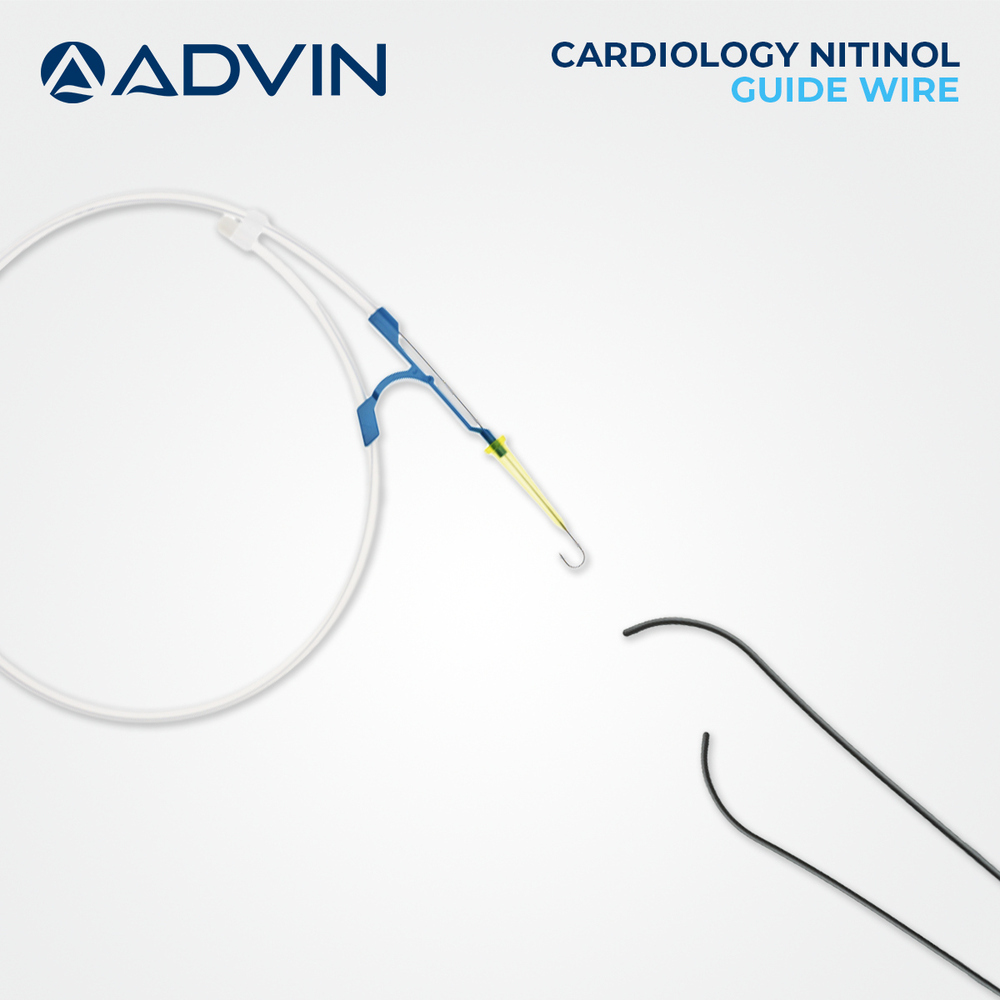
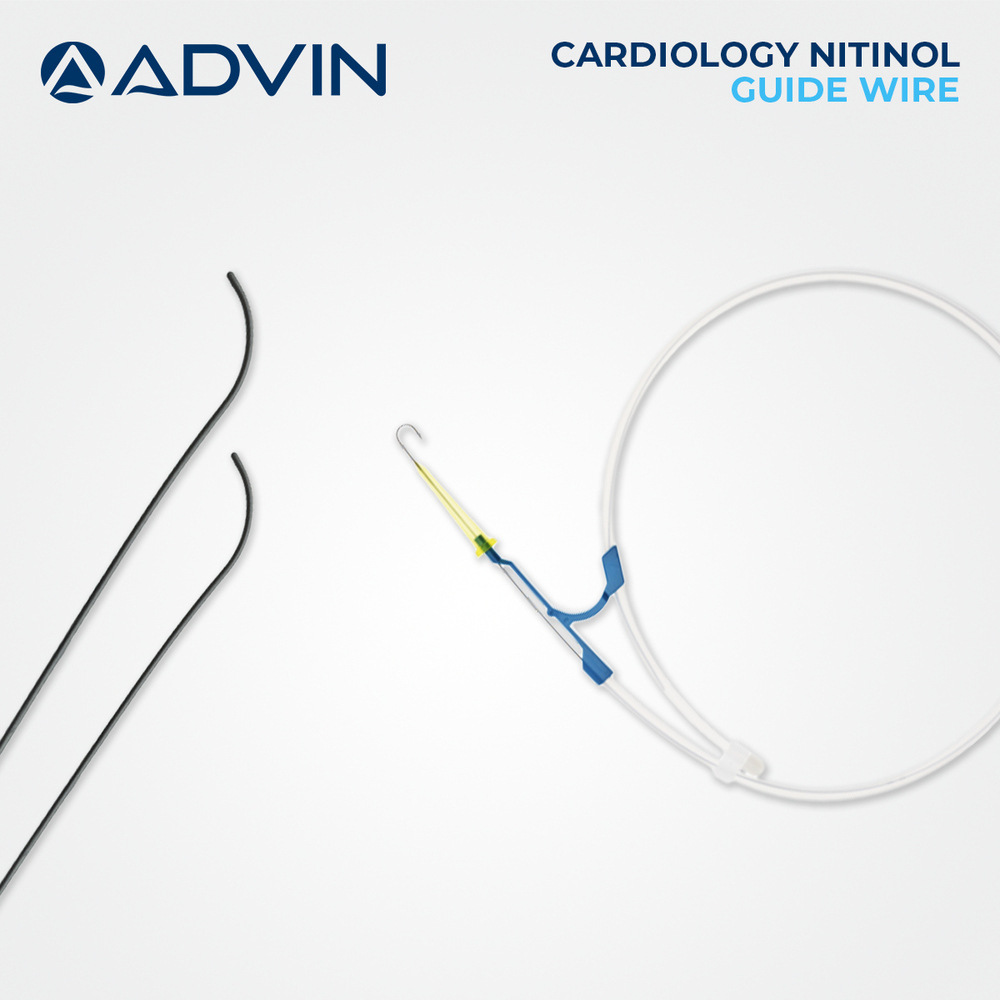
A: This guide wire is available with a Straight or J-tip and can be made from stainless steel, nitinol, or feature hydrophilic coatings, offering flexibility and support tailored to specific case needs.
Q: When should I use a hydrophilic versus a PTFE guide wire?
A: Use a hydrophilic guide wire for highly tortuous or narrowed vessels where extra slickness eases navigation. PTFE guide wires are suitable for general applications requiring smooth passage, moderate support, and reliable torque response.
Q: Where can these guide wires be applied in clinical practice?
A: They are suited for use in catheterization labs, operating rooms, and interventional radiology suites during cardiology, vascular, and general interventional procedures that require vessel access and device guidance.
Q: What is the process for using this guide wire?
A: Select the appropriate length, diameter, and tip configuration. After opening the sterile packaging, introduce the wire into the vascular system and advance it under fluoroscopic guidance, using its excellent torque response and radiopacity for real-time, controlled navigation.
Q: What are the storage instructions and shelf life for these guide wires?
A: Store the guide wire in its sealed packaging at room temperature in a dry place, away from direct sunlight. The typical shelf life ranges from 2 to 5 years, ensuring readiness when needed.
Q: What main benefits does this guide wire provide over standard alternatives?
A: Compared to standard wires, this product offers heightened flexibility, superior torque control, enhanced fluoroscopic visualization, and reduced friction-all contributing to safer, more precise interventions and improved patient outcomes.

 Send Inquiry




 Send Inquiry

 Send Inquiry
 English
 Spanish
 French
 German
 Italian
 Chinese (Simplified)
 Japanese
 Korean
 Arabic
 Portuguese