About Fluid Control Line
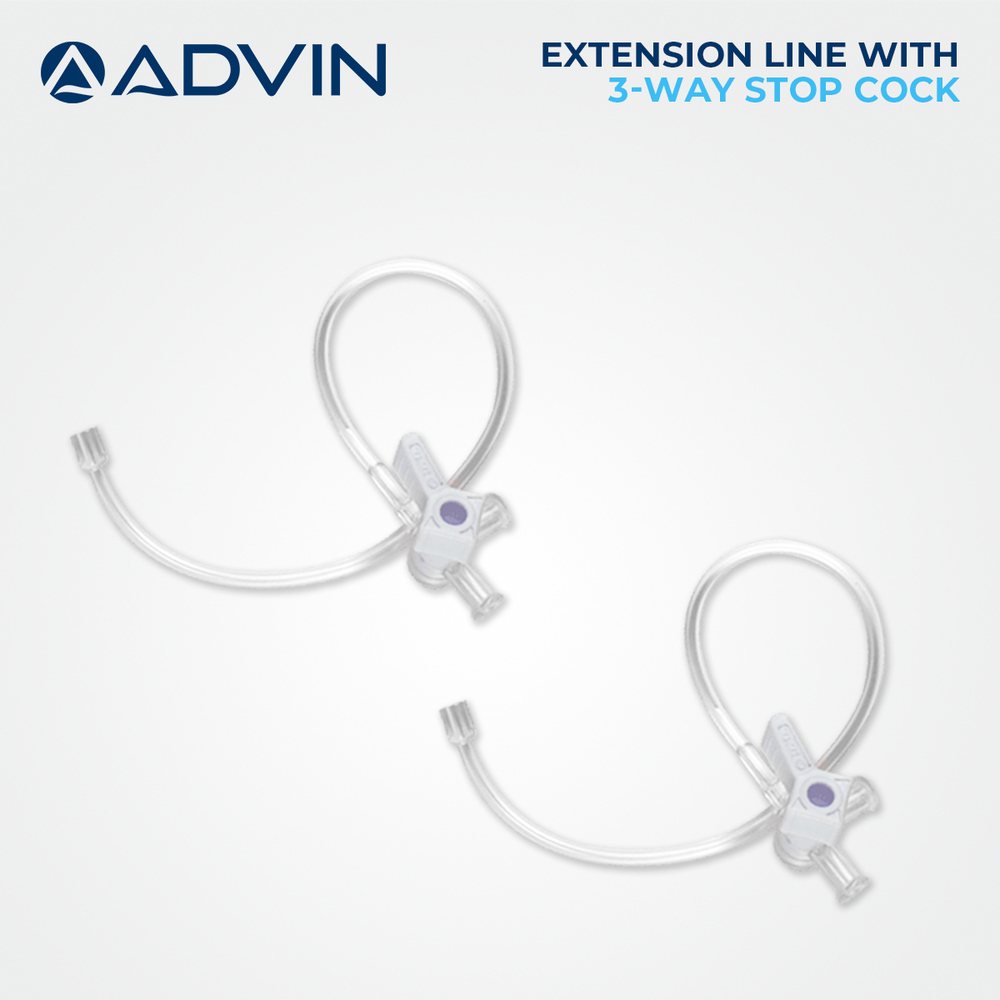
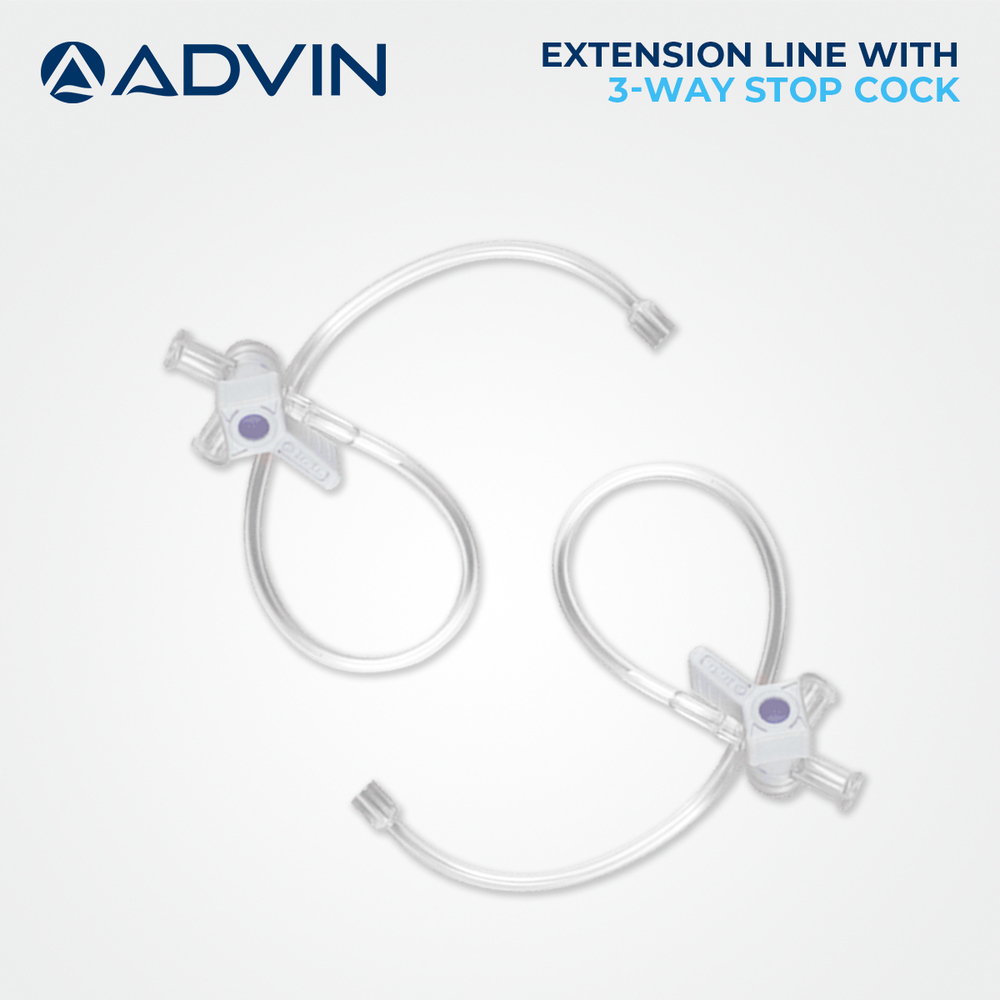
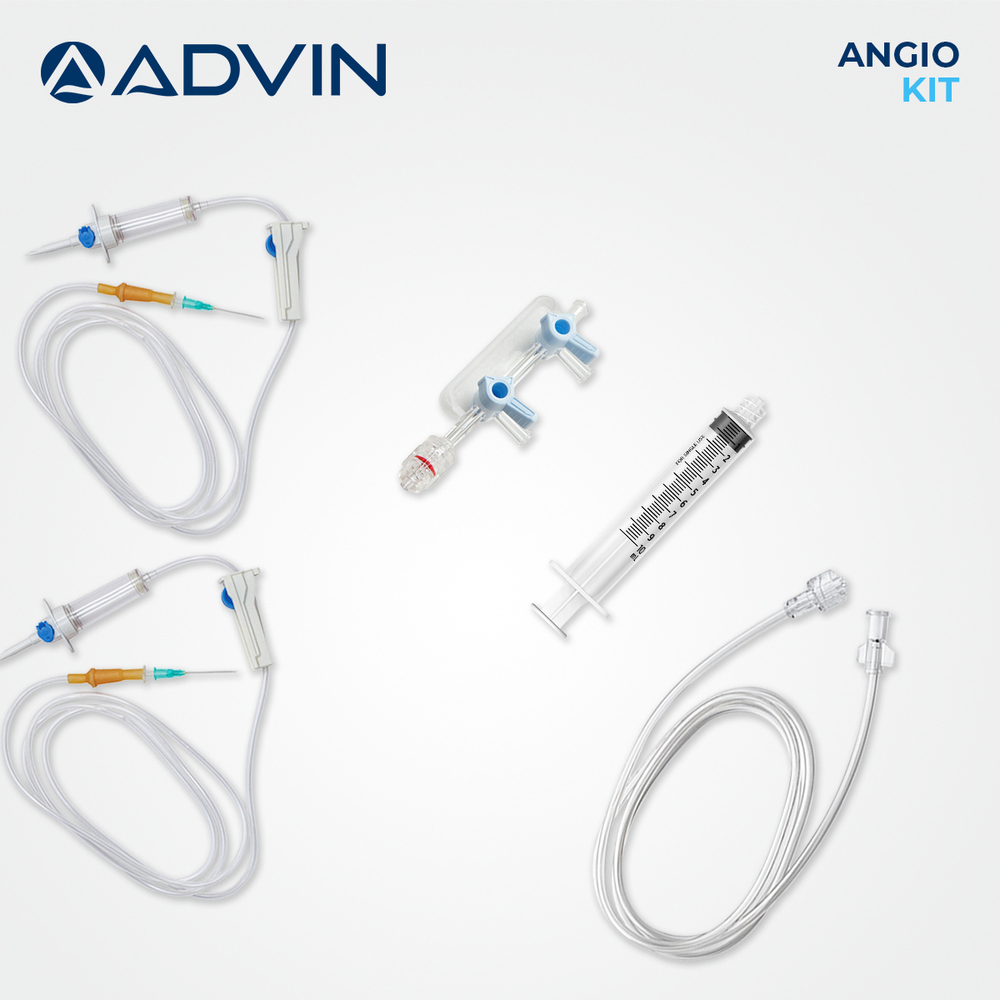
Advin Health Care Fluid Control Line is designed for precise management and delivery of fluids during interventional and diagnostic procedures. It ensures controlled flow of contrast media and saline, supporting efficient workflow and safe operation in cath lab environments.
Key Features
- Designed for controlled fluid management
- Ensures smooth and consistent flow
- High-pressure resistant for reliable performance
- Flexible and kink-resistant tubing
- Secure and leak-proof connections
- Compatible with manifolds and catheter systems
- Transparent tubing for easy flow monitoring
- Sterile and ready-to-use
Specifications
- Type: Fluid Control Line
- Application: Fluid management in angiography and interventional procedures
- Material: Medical-grade PVC / polymer
- Connector Type: Standard luer lock / luer slip
- Pressure Rating: High-pressure compatible
- Sterilization: EO Sterilized
- Usage: Single-use / Disposable
Certifications
CE, ISO 13485, ISO 9001 Certified
Product Keywords
Fluid Control Line, Extension Line, Angiography Line, Pressure Line, Interventional Fluid Line
, , , , .
Lnea de control de fluidos, lnea de extensin, lnea de angiografa, lnea de presin, lnea de fluidos intervencionista
Ligne de contrle des fluides, ligne d'extension, ligne d'angiographie, ligne de pression, ligne de fluide interventionnelle
Engineered for Critical ApplicationsFluid Control Lines are meticulously crafted to support demanding environments, offering exceptional pressure and temperature resistance. Whether installed in oil rigs, chemical plants, or sophisticated laboratories, these lines deliver reliable and safe fluid transfer. Our solutions meet industry standards, providing peace of mind for operators and engineers alike.
Proven Quality and Versatile UseStringent quality checks and customizable specifications ensure that every Fluid Control Line fits the exact requirements of your process. With compatibility for various connection types-threaded and flanged-these lines are adaptable to new and existing systems across multiple sectors, ensuring seamless integration and longevity.
FAQ's of Fluid Control Line:
Q: How are Fluid Control Lines with threaded or flanged connections installed?
A: Fluid Control Lines with threaded connections are attached by screwing them to compatible fittings, while flanged types require bolting to matching flanges with proper gaskets. Both installation methods ensure a secure and leak-free connection tailored to system requirements.
Q: What industries commonly use these Fluid Control Lines?
A: These lines are widely used in oil and gas, chemical processing, pharmaceutical manufacturing, and research laboratories due to their high pressure and temperature capabilities, as well as flexible connection types.
Q: When should I choose a flanged connection over a threaded connection?
A: Flanged connections are typically preferred for high-pressure or large-diameter pipelines, as they provide robust sealing and easier maintenance. Threaded connections are suitable for smaller lines and lower-pressure applications where quick assembly is essential.
Q: Where are these Fluid Control Lines manufactured and supplied from?
A: We manufacture and supply these Fluid Control Lines from India, serving domestic as well as international markets as a reputable exporter, supplier, and trader.
Q: What is the maximum pressure and temperature these Fluid Control Lines can handle?
A: Our Fluid Control Lines are engineered to withstand operating pressures up to 6000 psi and temperatures ranging from -40C to +200C, making them suitable for rigorous process conditions.
Q: What is the typical process for customizing the inner diameter of a Fluid Control Line?
A: You can specify the required inner diameter as per your process needs during the initial consultation phase. Our engineering team will fabricate the line according to the provided specifications, ensuring a perfect fit for your application.
Q: What are the benefits of using these Fluid Control Lines in industrial applications?
A: These lines offer robust performance under extreme conditions, versatile connection options, and high reliability, leading to reduced downtime and enhanced safety in critical fluid transfer processes.

 Send Inquiry





 Send Inquiry

 Send Inquiry
 English
 Spanish
 French
 German
 Italian
 Chinese (Simplified)
 Japanese
 Korean
 Arabic
 Portuguese