About Gastrology Nitinol Guide Wire
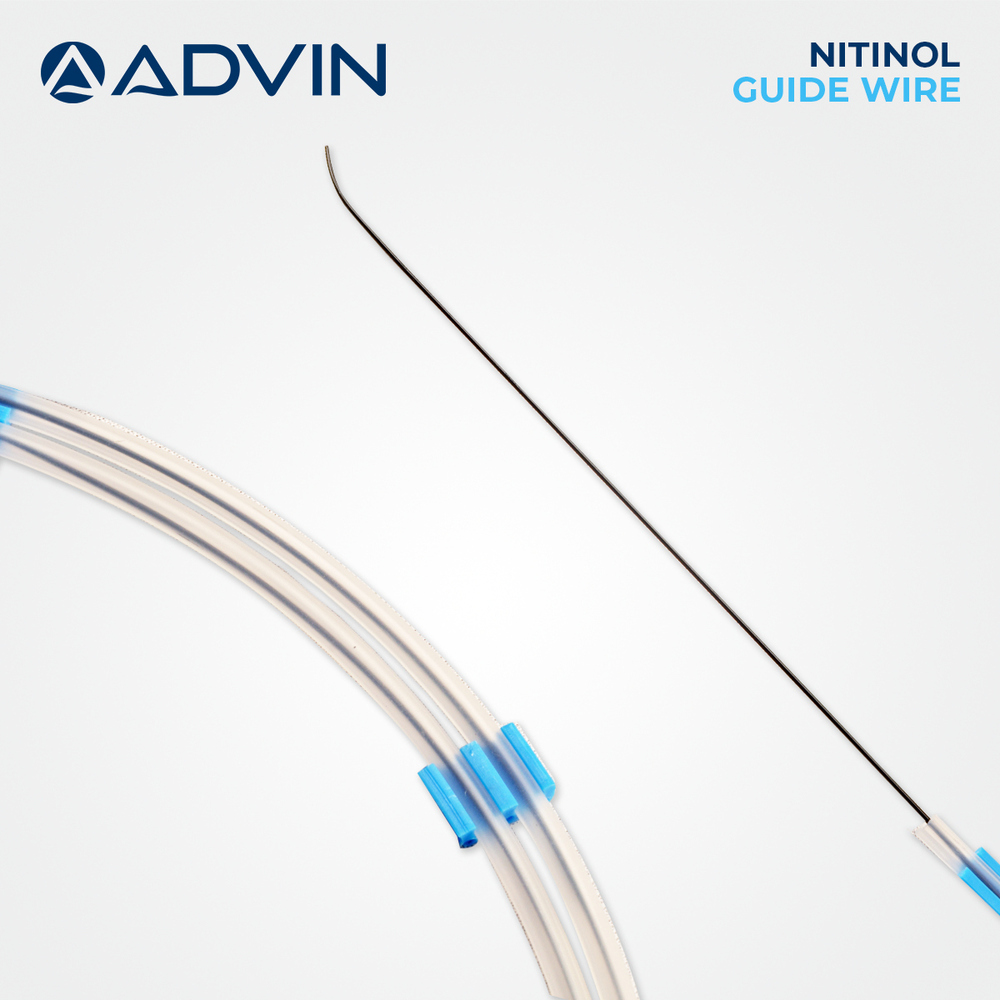
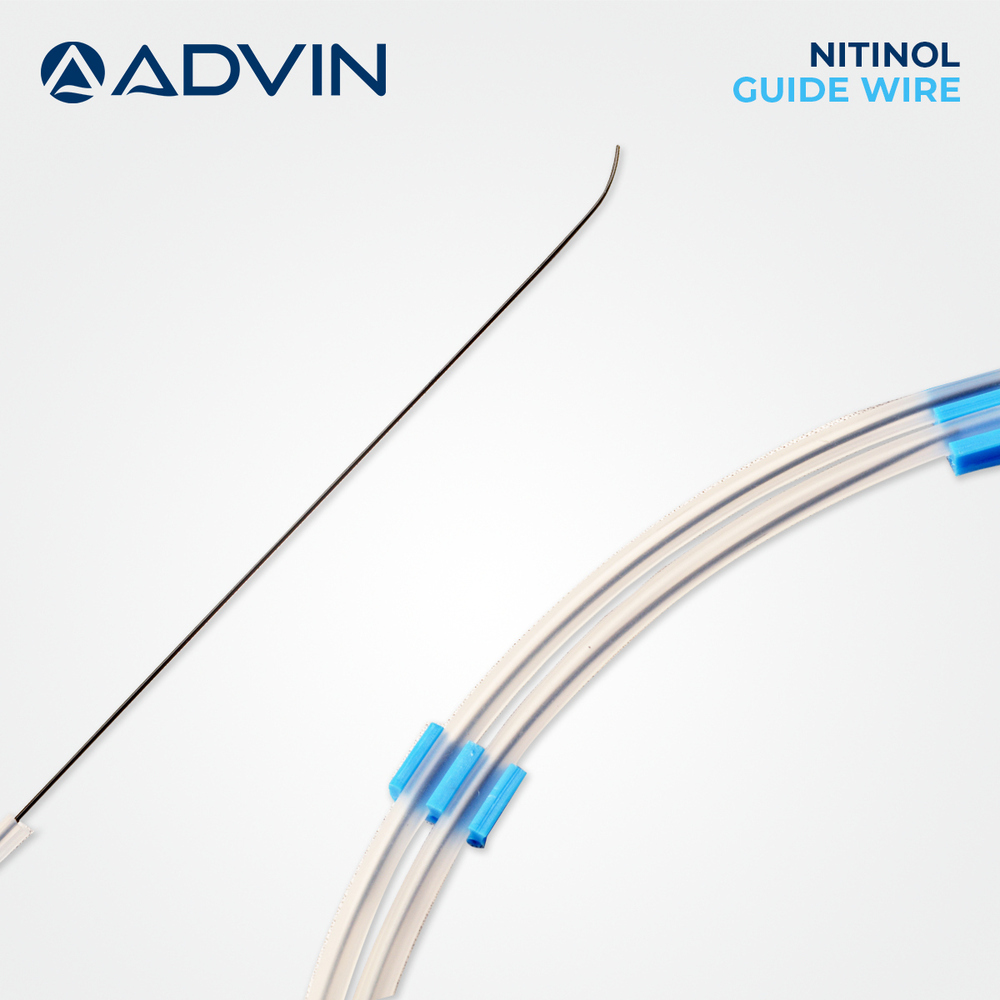
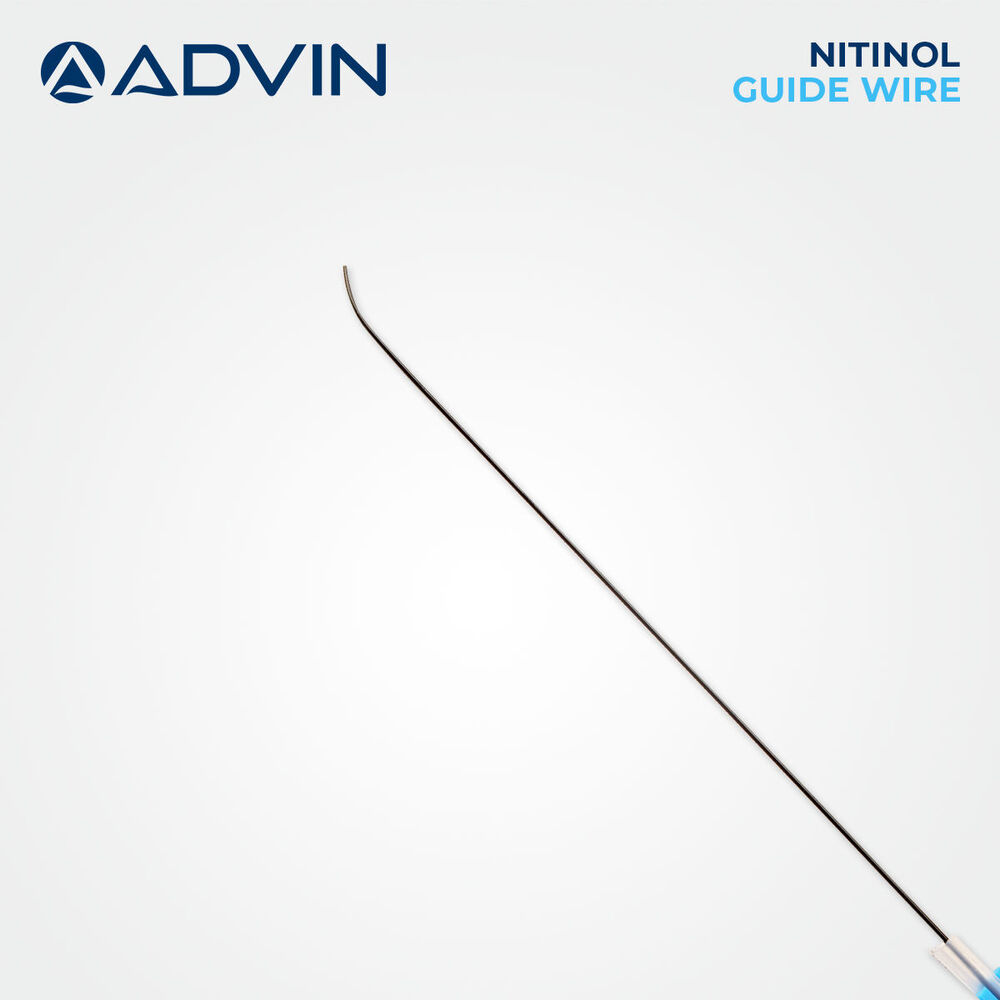
Gaining access and navigating tortuous urinary track are the primary functions of ureteral guide wires. The nitinol guidewire is designed to optimize both functions.
Made of a nitinol core wire it has a hydrophilic coating to aid in insertion and passage of instrumentation. It is available in various wire sizes, tip designs, and shaft configurations. It comes individually packaged, sterile and for single use.
Advanced Features:
- Guide wire tip to be delivered to the desired position in a vessel
- Transmit rotational forces from the operators hand to the tip
- Advance balloon catheters/other devices on Guidewire
- Allows moving the distal tip to search for the true lumen.
- Permits shape memory retention of the distal tip throughout
Also Known As: Flexible Nitinol Guidewire, Nitinol Hydrophilic Guidewire, Super Elastic Nitinol Guidewire, PTFE Coated Nitinol Guidewire, Endoscopic Nitinol Guide Wire
Gua de Nitinol Flexible, Gua Hidroflica de Nitinol, Gua de Nitinol Sper Elstica, Gua de Nitinol Recubierta de PTFE, Gua Endoscpica de Nitinol
Guide en Nitinol Flexible, Guide Hydrophile en Nitinol, Guide en Nitinol Super lastique, Guide en Nitinol Revtu PTFE, Guide Endoscopique en Nitinol
PTFE
, , , PTFE,
Advanced Nitinol Guide Wire for GastrologyOur Gastrology Nitinol Guide Wire offers excellent maneuverability and responsive handling during endoscopic or gastroenterological procedures. The nitinol composition provides consistent flexibility and shape memory, enhancing procedural accuracy for healthcare professionals.
Designed for Real-Time OperationWith real-time operational capability, this guide wire facilitates immediate responsiveness, supporting swift advancement through anatomical pathways. The manual operating design allows clinicians to maintain full tactile control during use, ensuring safety and precision within hospital environments.
FAQs of Gastrology Nitinol Guide Wire:
Q: How is the Gastrology Nitinol Guide Wire typically used in hospitals?
A: This guide wire is manually operated by clinicians during various gastroenterological procedures to navigate through anatomical channels with accuracy. Its flexibility and real-time operation make it suitable for endoscopic interventions and other relevant applications in hospital settings.Q: What are the primary benefits of using a nitinol guide wire over traditional materials?
A: Nitinol offers superior flexibility, torque control, and shape memory, which means the guide wire can bend and return to its original form after navigating complex pathways, minimizing trauma to tissue and improving procedural outcomes.Q: When should this gastrology guide wire be utilized in clinical practice?
A: The guide wire is ideal for gastroenterology procedures that require precise navigation and real-time manipulation, such as during the placement of stents, dilation catheters, or other endoscopic equipment.Q: Where is this gastrology nitinol guide wire manufactured and supplied from?
A: This product is manufactured, exported, supplied, and traded by a reputable firm based in India, ensuring high standards of quality and a reliable supply chain for hospitals worldwide.Q: What is the process for using the Gastrology Nitinol Guide Wire?
A: Clinicians manually insert the guide wire into the patients gastrointestinal tract, carefully advancing it under real-time monitoring to guide subsequent devices or aid in diagnostic and therapeutic procedures.Q: What distinguishes this guide wire from wall-mounted alternatives?
A: This guide wire is not wall-mounted, which allows for greater flexibility and portability during operations, making it easier to handle, store, and use across different hospital rooms without installation constraints.Q: How does real-time operation enhance clinical performance?
A: Real-time operation allows immediate feedback and responsiveness during procedures, enabling clinicians to adjust movements instantaneously and improving both efficiency and patient safety during delicate interventions.

 Send Inquiry




 Send Inquiry


 Send Inquiry
 English
 Spanish
 French
 German
 Italian
 Chinese (Simplified)
 Japanese
 Korean
 Arabic
 Portuguese
