About Hemodialysis Access Surgery
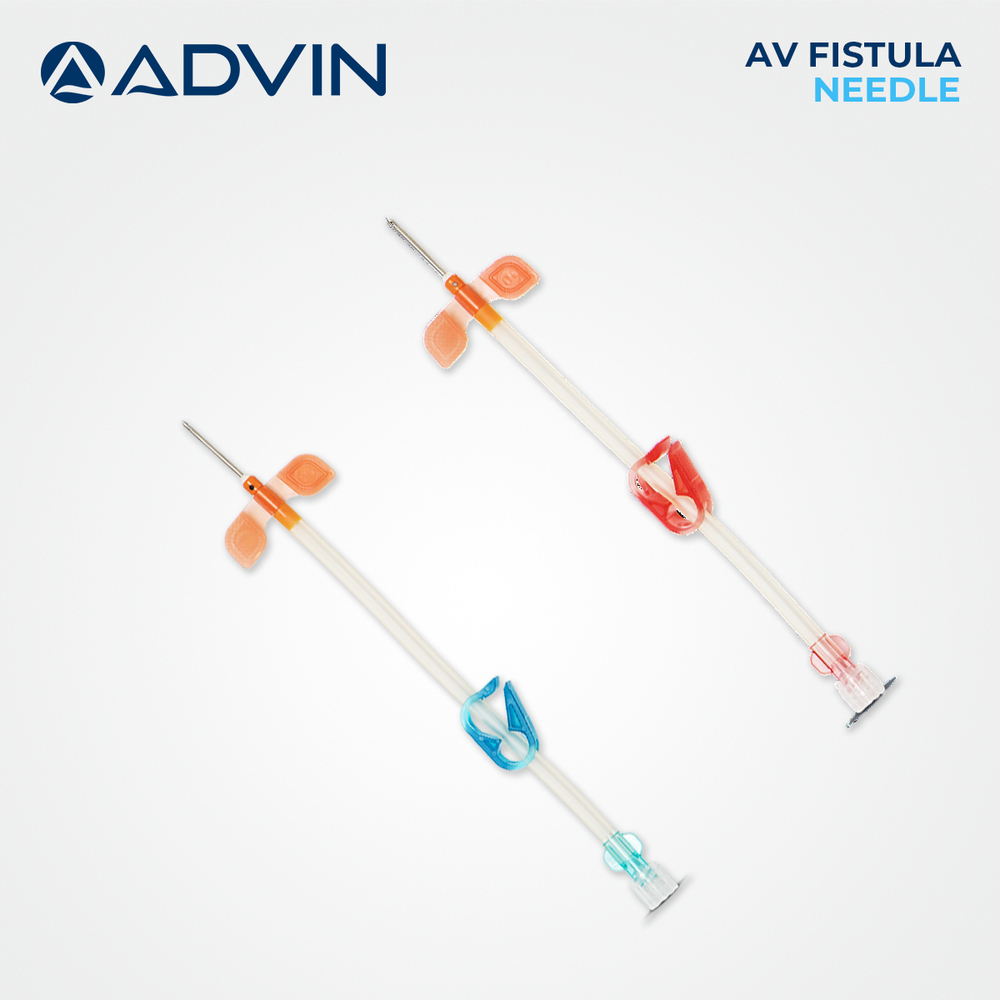
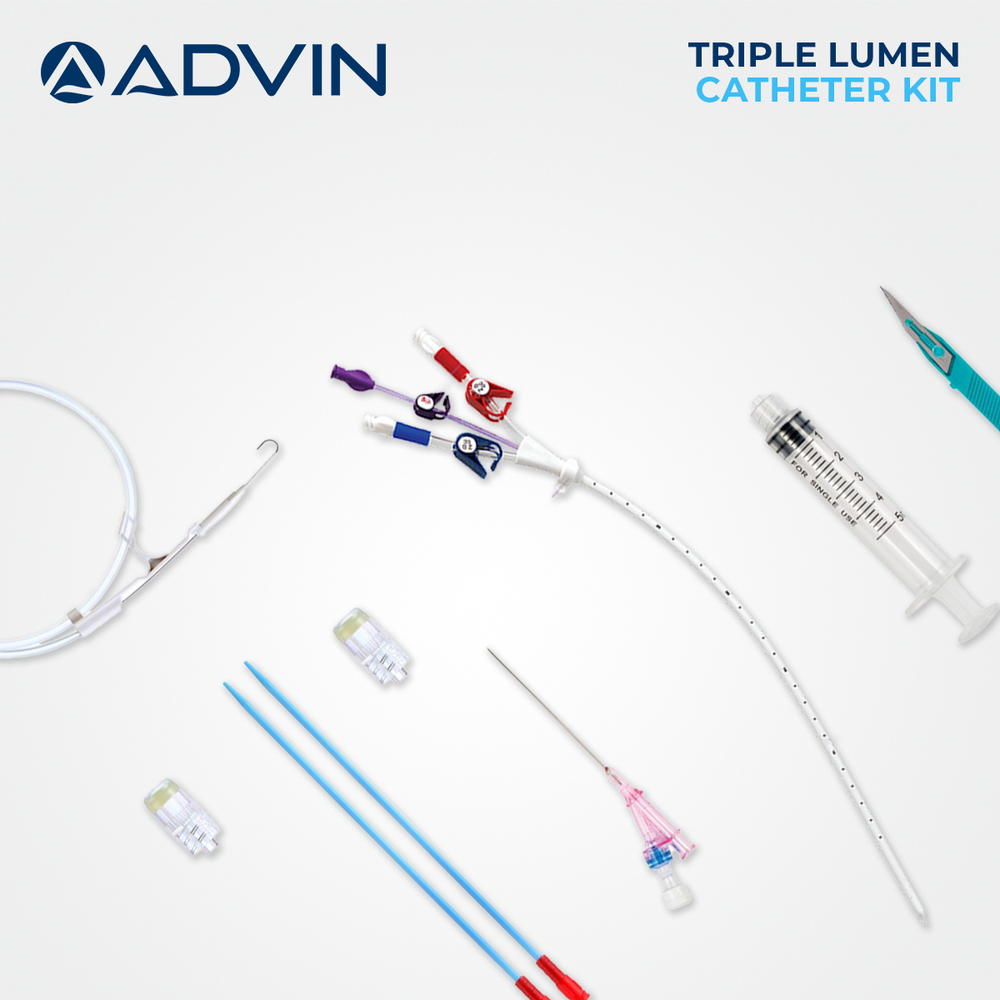
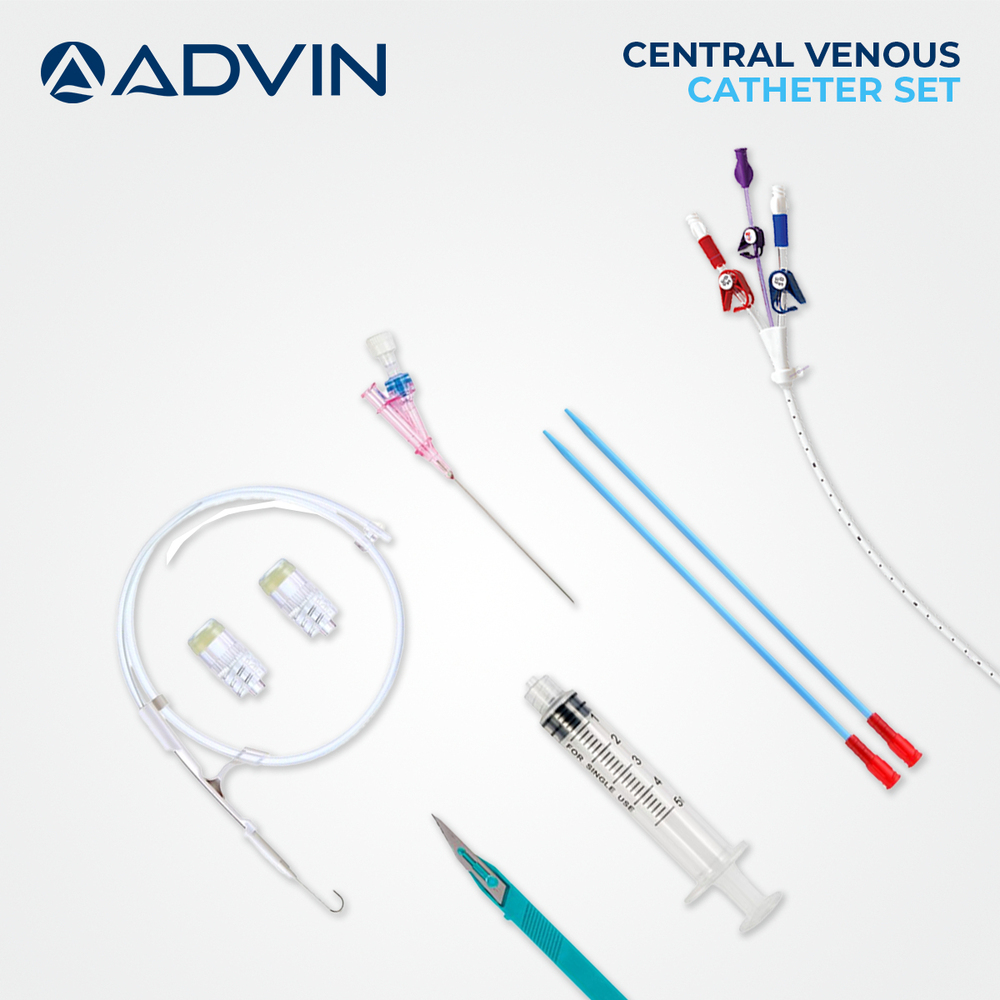
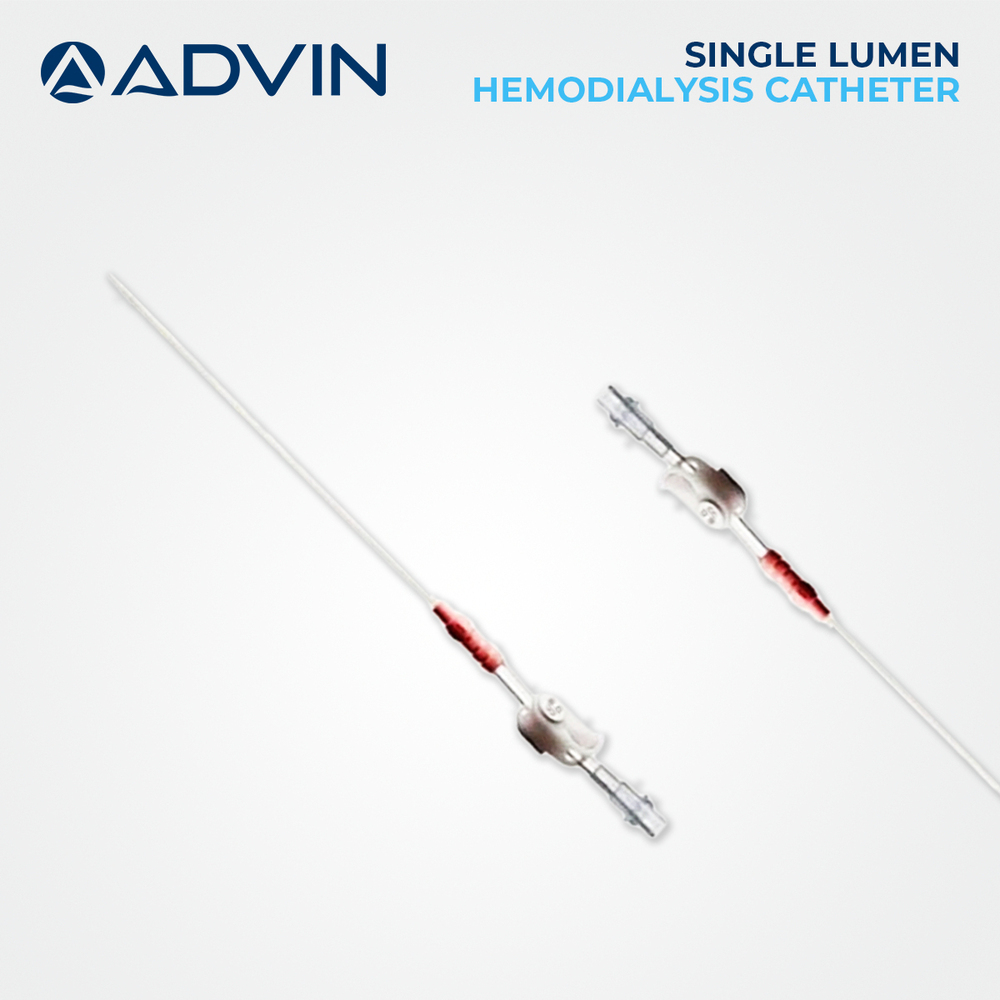
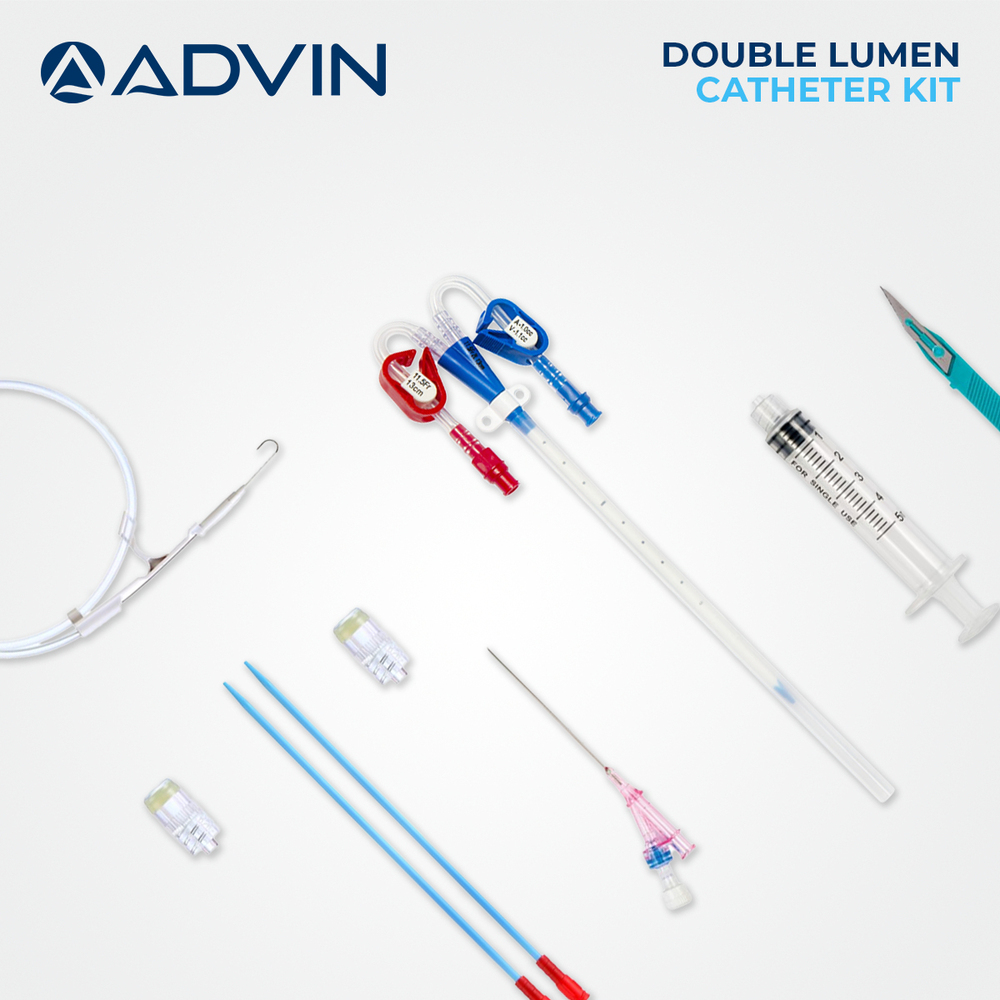
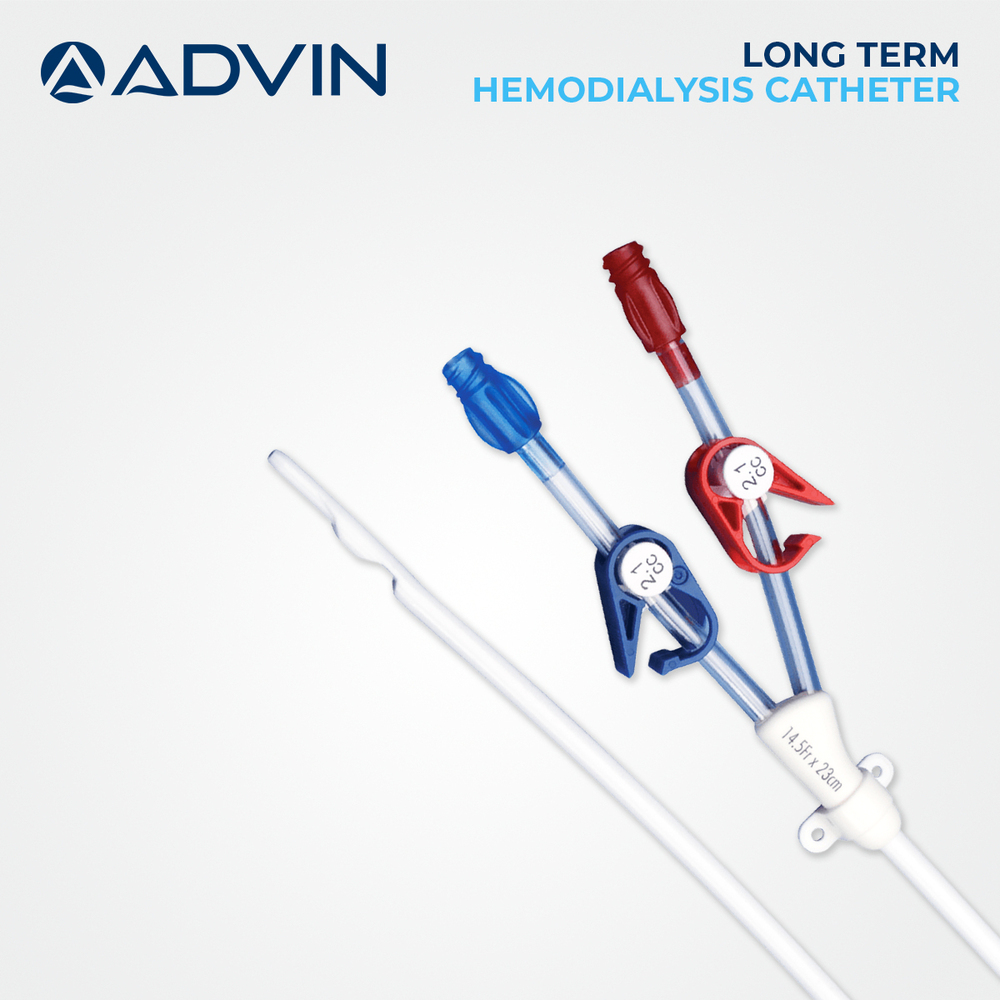
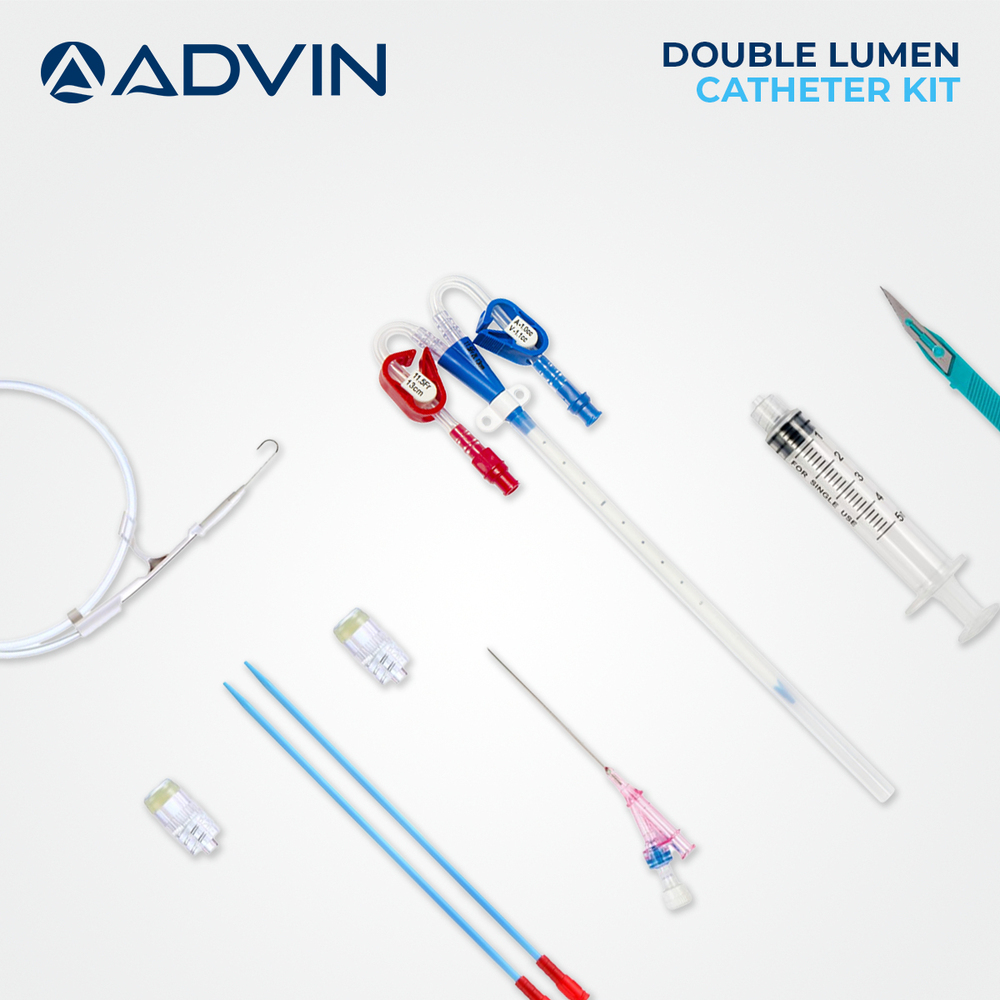
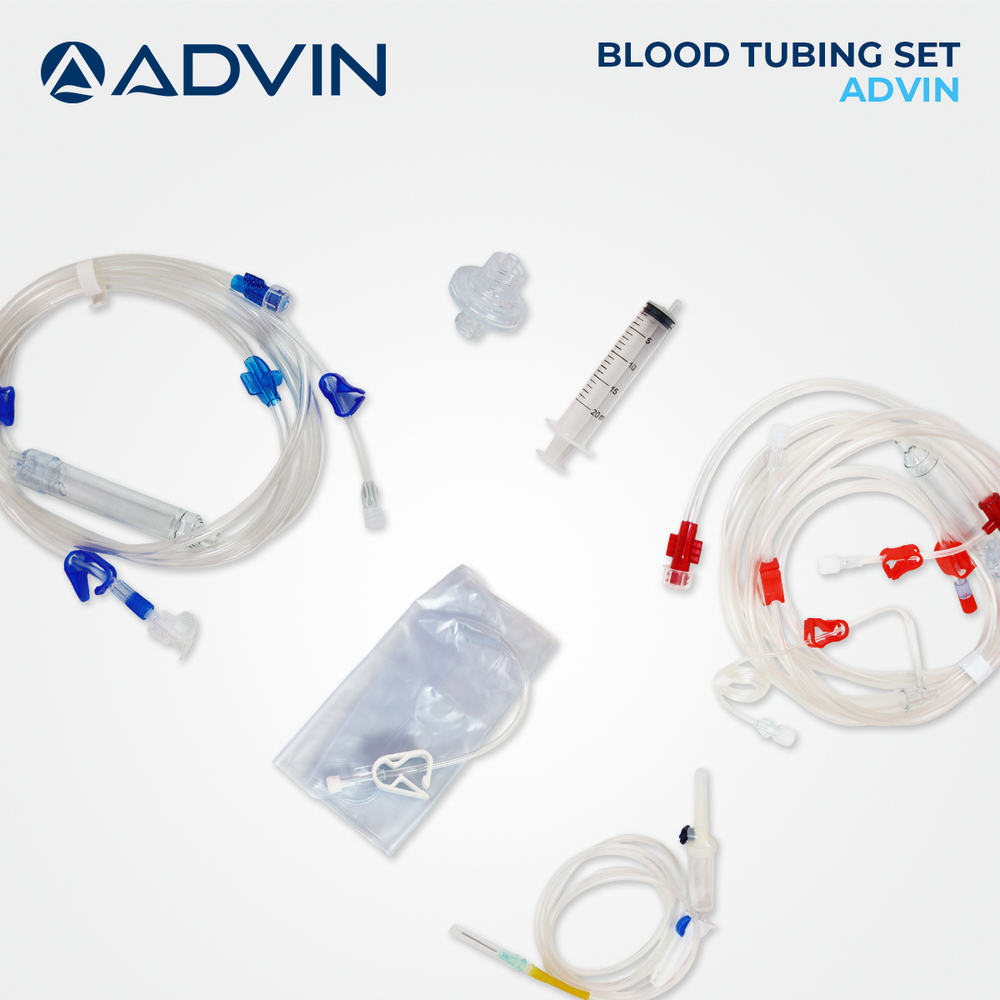
Hemodialysis Access Surgery is the foundation of effective dialysis therapy, as it enables repeated blood flow from the patient to the dialysis machine. Common access types include arteriovenous fistula (AVF), arteriovenous graft (AVG), and central venous catheters, each chosen based on patient condition and treatment needs. Advin Health Care supports hemodialysis access surgery with high-quality vascular access products that ensure safety, durability, and reliable performance. By reducing complications and maintaining consistent blood flow, these solutions play a vital role in improving dialysis outcomes and enhancing patient quality of life.
Advanced Features:
-
Multiple access options: fistula, graft, or catheter
-
Designed for long-term vascular durability
-
Provides reliable and safe blood flow
-
Minimizes infection risk and complications
-
Essential for effective hemodialysis treatment
Sterile, Ready-to-Use InstrumentsEvery Hemodialysis Access Surgery Instrument is packaged in an individual sterile pack, ensuring immediate usability while minimizing infection risks in surgical settings. The sterile supply supports strict adherence to safety protocols, making it suitable for clinical deployment without additional preparation.
Precision and Ergonomic DesignThe precision-engineered medical-grade stainless steel construction offers outstanding durability and high accuracy for delicate vessel handling. The ergonomic non-slip handle ensures a secure grip and optimal maneuverability, reducing hand fatigue during prolonged surgical procedures.
Reusable and Easy to MaintainDesigned for repeated use, these instruments can be reliably sterilized using an autoclave without compromising structural integrity or performance. This facilitates economical, safe, and environmentally friendly usage-a crucial advantage in busy surgical environments.
FAQ's of Hemodialysis Access Surgery:
Q: How should Hemodialysis Access Surgery Instruments be sterilized for reuse?
A: These instruments are compatible with autoclave sterilization. After each use, they should be thoroughly cleaned and sterilized in an autoclave to ensure they remain safe and sterile for the next procedure.
Q: What is the primary application area for these instruments?
A: Hemodialysis Access Surgery Instruments are primarily used in vascular surgery and nephrology for the creation and maintenance of arteriovenous fistulas or grafts essential for hemodialysis treatment.
Q: When is it appropriate to use these instruments during surgical procedures?
A: Use these instruments during any surgical procedure requiring precise vascular access, particularly for patients in need of hemodialysis. They are designed for both the initial creation and ongoing maintenance of vascular access points.
Q: Where should the instruments be stored to maintain sterility and performance?
A: Instruments should be stored in a sterile, dry environment to maintain their shelf life, preserve their surface finish, and reduce the risk of contamination between uses.
Q: What are the benefits of using these instruments for hemodialysis access surgery?
A: These instruments provide high precision in vessel handling, ergonomic comfort for the surgeon, corrosion resistance, silent manual operation, and compliance with international safety standards, collectively enhancing patient outcomes and surgical efficiency.
Q: How does the ergonomic handle improve surgical outcomes?
A: The instrument's ergonomic, non-slip grip offers better control and stability, reducing hand fatigue and enhancing maneuverability during delicate vascular procedures.
Q: Can the instruments be used for both creation and maintenance of vascular access?
A: Yes, their precision design and medical-grade construction enable them to be used reliably for both the initial creation of arteriovenous fistulas or grafts and for subsequent maintenance surgeries.

 Send Inquiry



 Send Inquiry

 Send Inquiry
 English
 Spanish
 French
 German
 Italian
 Chinese (Simplified)
 Japanese
 Korean
 Arabic
 Portuguese