Hepatitis Drape About
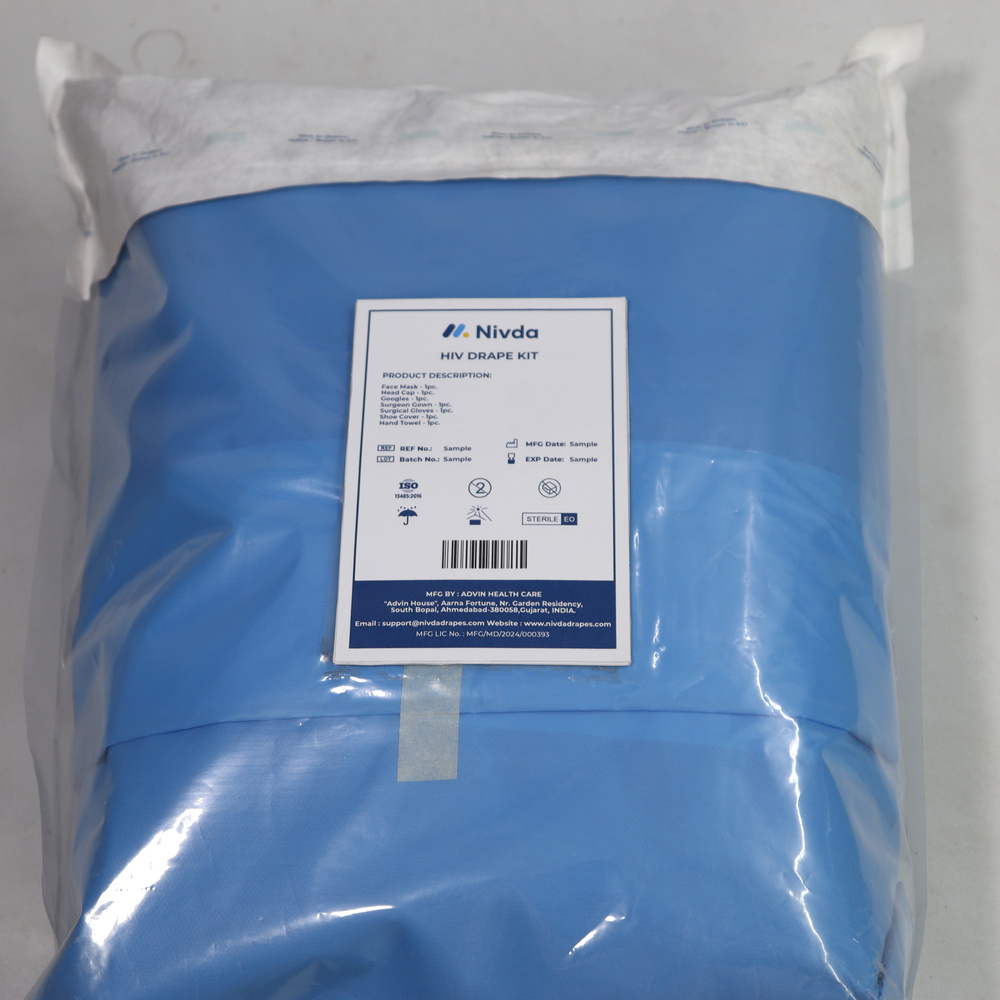
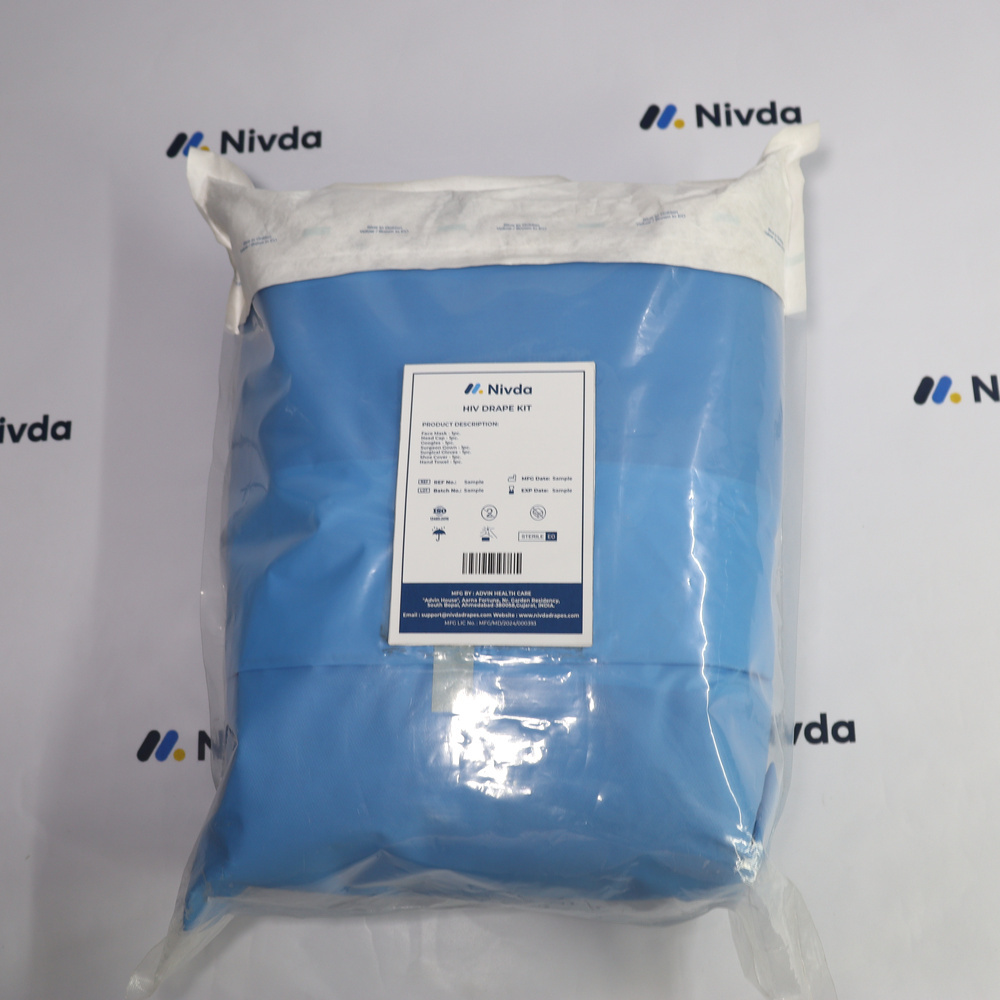
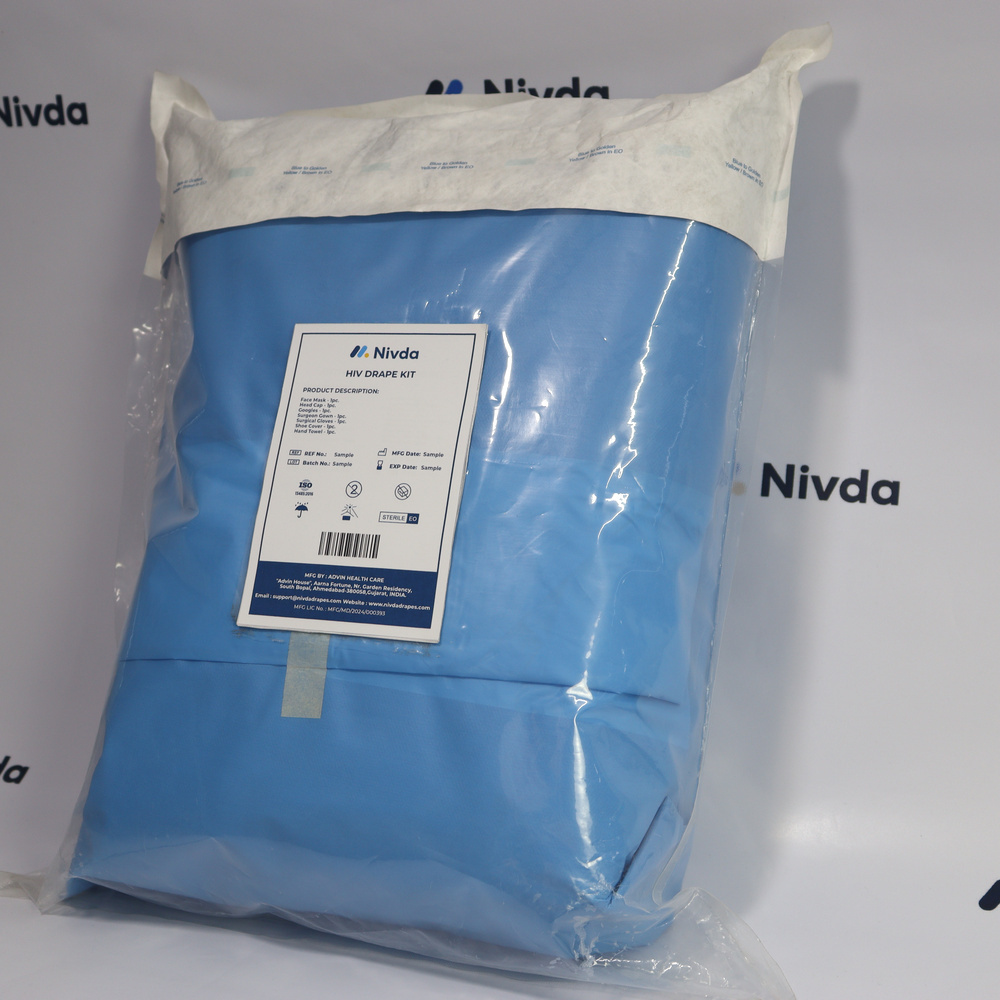
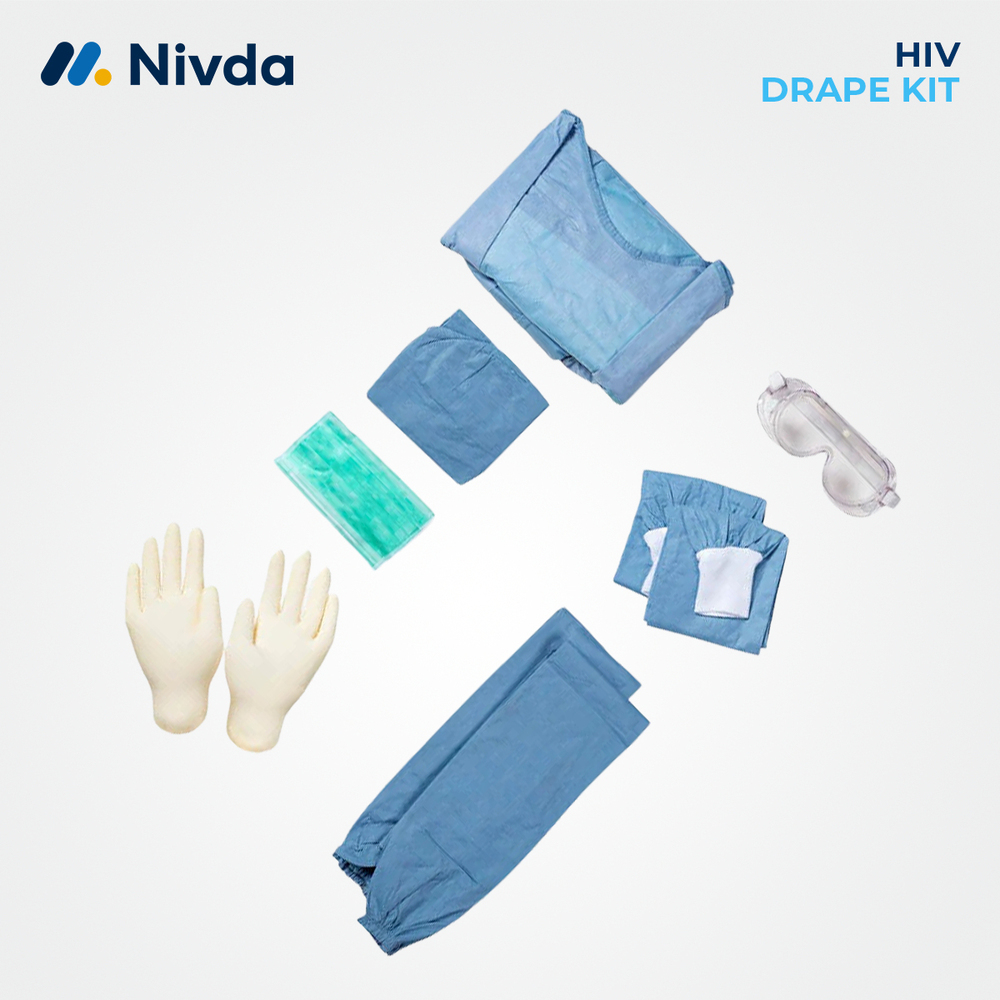
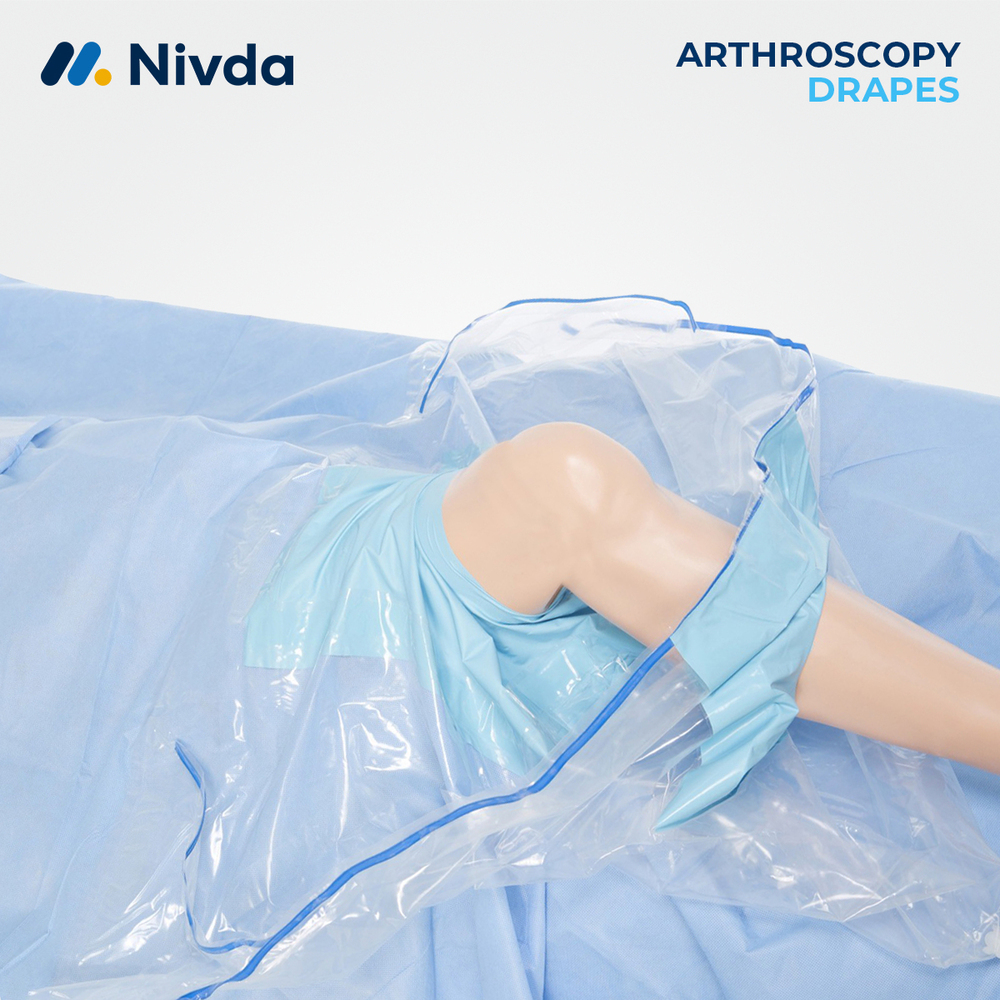
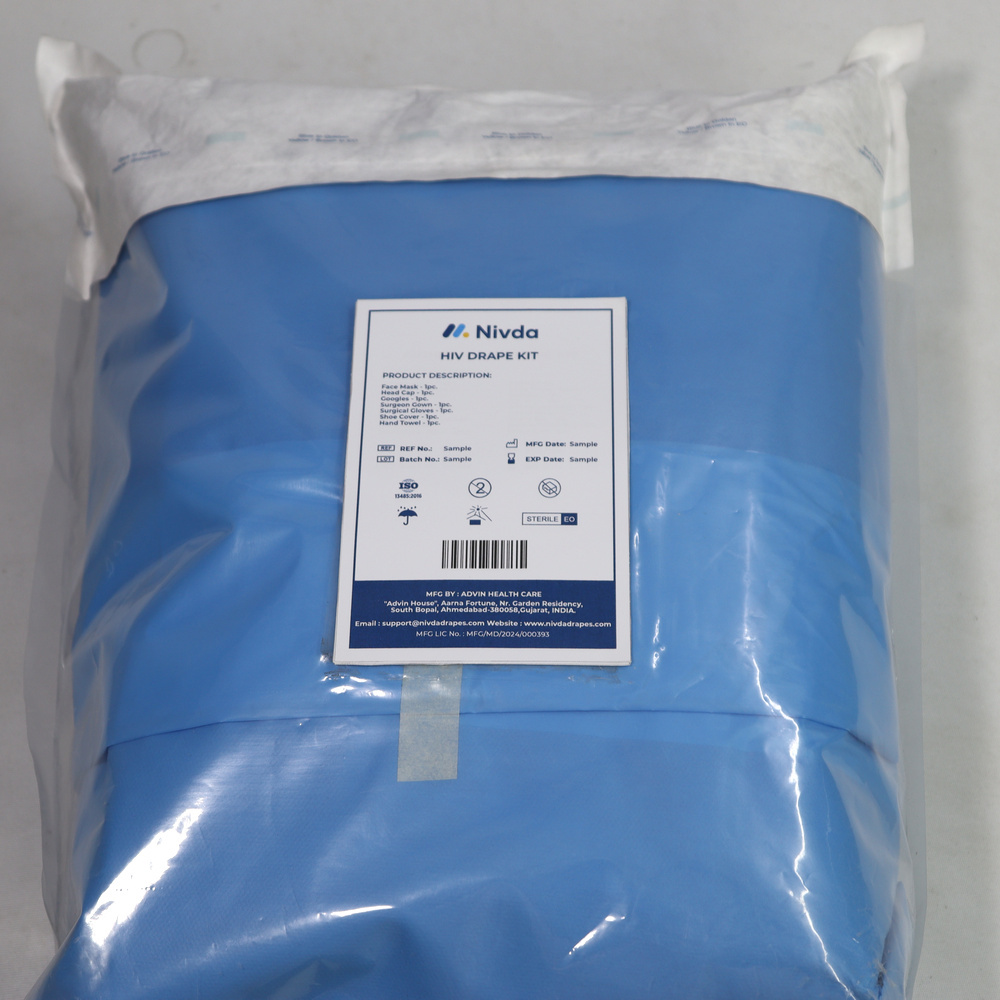
Hepatitis Drape plays a critical role in supporting infection control protocols during procedures involving hepatitis-positive patients. Its design helps isolate the operative area and protects healthcare professionals from exposure risks. The drape supports organized workflow by maintaining cleanliness throughout the procedure. Nivda Drapes supplies this disposable drape as a reliable solution that aligns with hospital safety standards and routine infection prevention practices.
Advanced Features
- Designed for high-risk and infection-control procedures
- Helps maintain a sterile and protective surgical field
- Supports safe handling and controlled workflow
- Suitable for hospital operation theaters
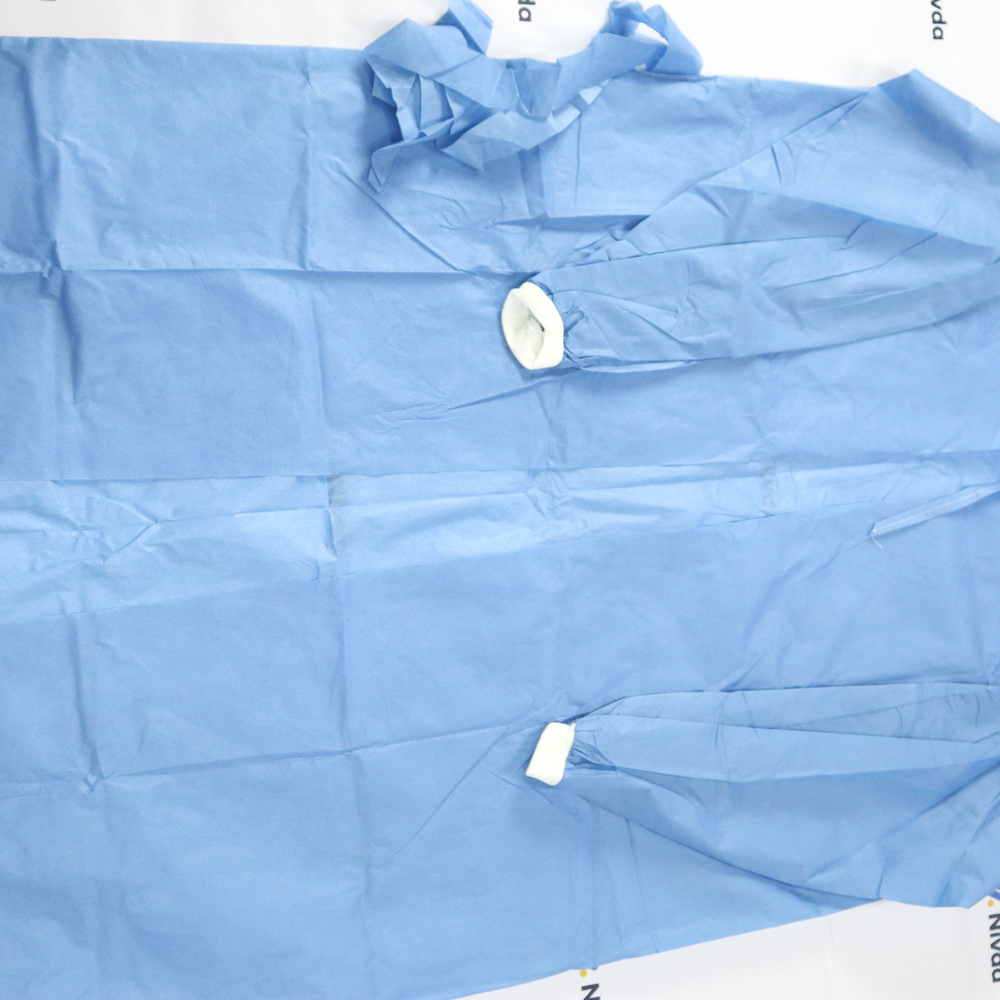
Reliable Barrier ProtectionHepatitis Drapes deliver exceptional infection control with their fluid-repellent, tear-resistant material and ultrasonically sealed edges, ensuring minimal risk of cross-contamination during surgery. The barrier effectively protects both patients and healthcare professionals in surgical environments.
Customizable and Versatile DesignAvailable in standard surgical drape sizes and colors, these drapes can also be tailored with specific fenestrations to accommodate procedural needs. Their lightweight, disposable design supports efficiency without sacrificing safety or comfort, and they are suitable for adults and pediatric patients alike.
Sterility Assurance and Easy HandlingEvery drape is individually packed in a sterile, medical-grade pouch and sterilized by ETO or gamma irradiation. This assures reliability for up to five years (sealed). The drapes are user-friendly, easy to deploy, and silent to use, making them ideal for fast-paced surgical settings.
FAQ's of Hepatitis Drape:
Q: How is the Hepatitis Drape sterilized before use?
A: The Hepatitis Drape is sterilized using either Ethylene Oxide (ETO) or Gamma Irradiation methods, ensuring thorough sterilization and maintaining a sterile barrier until the pouch is opened.
Q: What materials are used to manufacture the surgical drape?
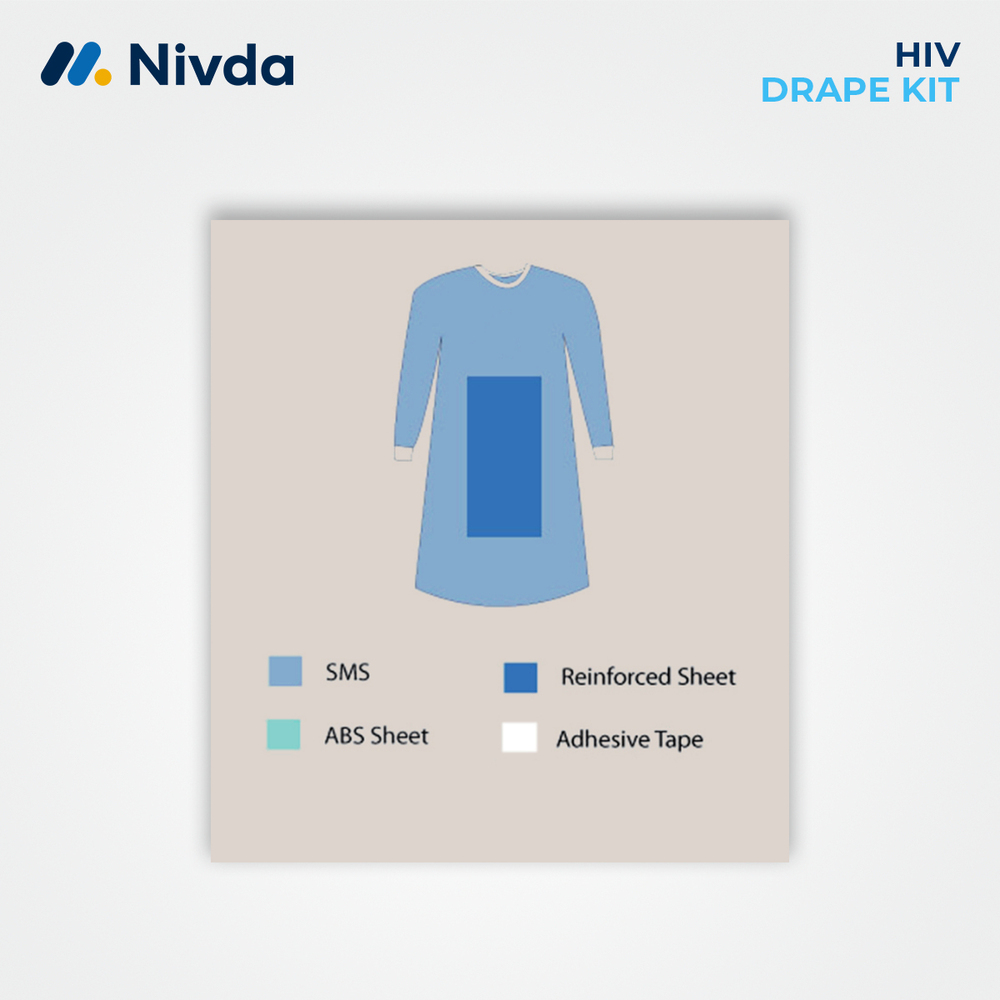
A: These drapes are crafted from high-quality, medical-grade non-woven fabric that is latex-free, lightweight, and resistant to fluids, blood, and microorganisms.
Q: When should the Hepatitis Drape be used in a clinical setting?
A: The drape is intended for use during hepatitis-related and general surgeries in hospitals, operation theatres, and clinics, providing infection control for both adult and pediatric populations.
Q: Where should the Hepatitis Drape be stored to maintain its sterility and usability?
A: Store the drape in a cool, dry place, away from direct sunlight. Proper storage helps preserve sterility and extends the shelf life to up to five years when sealed.
Q: What options are available regarding fenestrations or openings in the drape?
A: Fenestrations or specific openings can be incorporated into the drape upon request, allowing customization to match varied surgical procedures and requirements.
Q: How does the drape contribute to infection control during surgical procedures?
A: The drape forms a resistant barrier against blood, body fluids, and microorganisms, helping to prevent cross-contamination and providing reliable infection control throughout surgical procedures.
Q: What are the benefits of choosing this drape for surgical settings?
A: Benefits include easy, sterile single-use application, robust fluid and microbial resistance, customizable designs, ultrasonically sealed edges to prevent fraying, and compliance with ISO 13485/CE standards for quality assurance.

 Send Inquiry



 Send Inquiry

 Send Inquiry
 English
 Spanish
 French
 German
 Italian
 Chinese (Simplified)
 Japanese
 Korean
 Arabic
 Portuguese