About High Strength Stainless Steel Wire
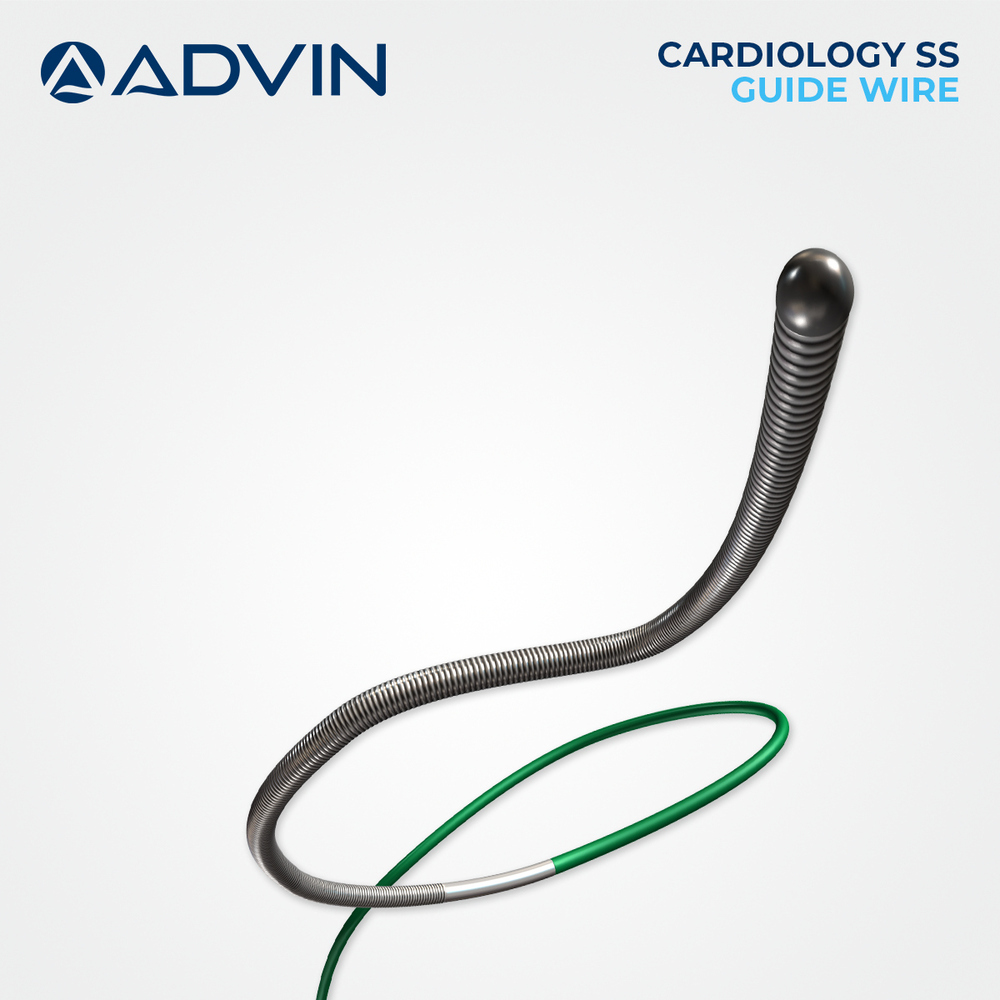
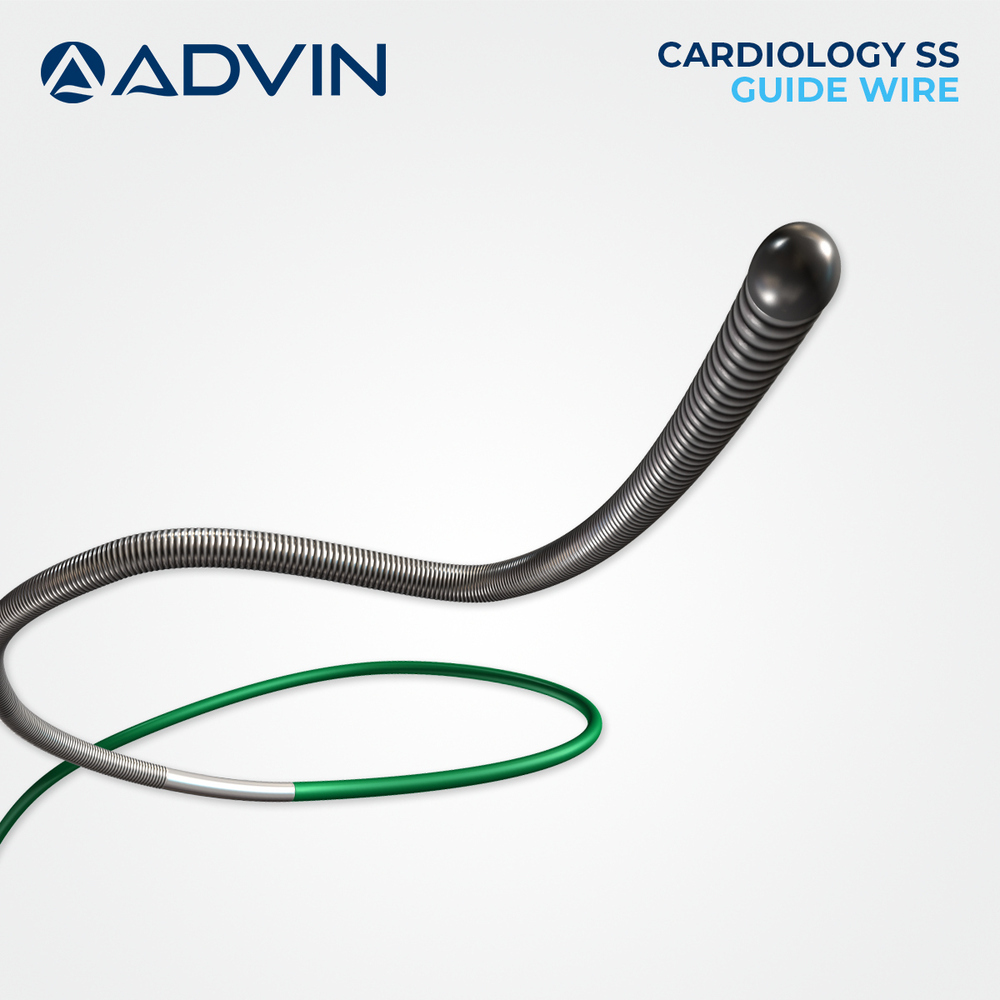
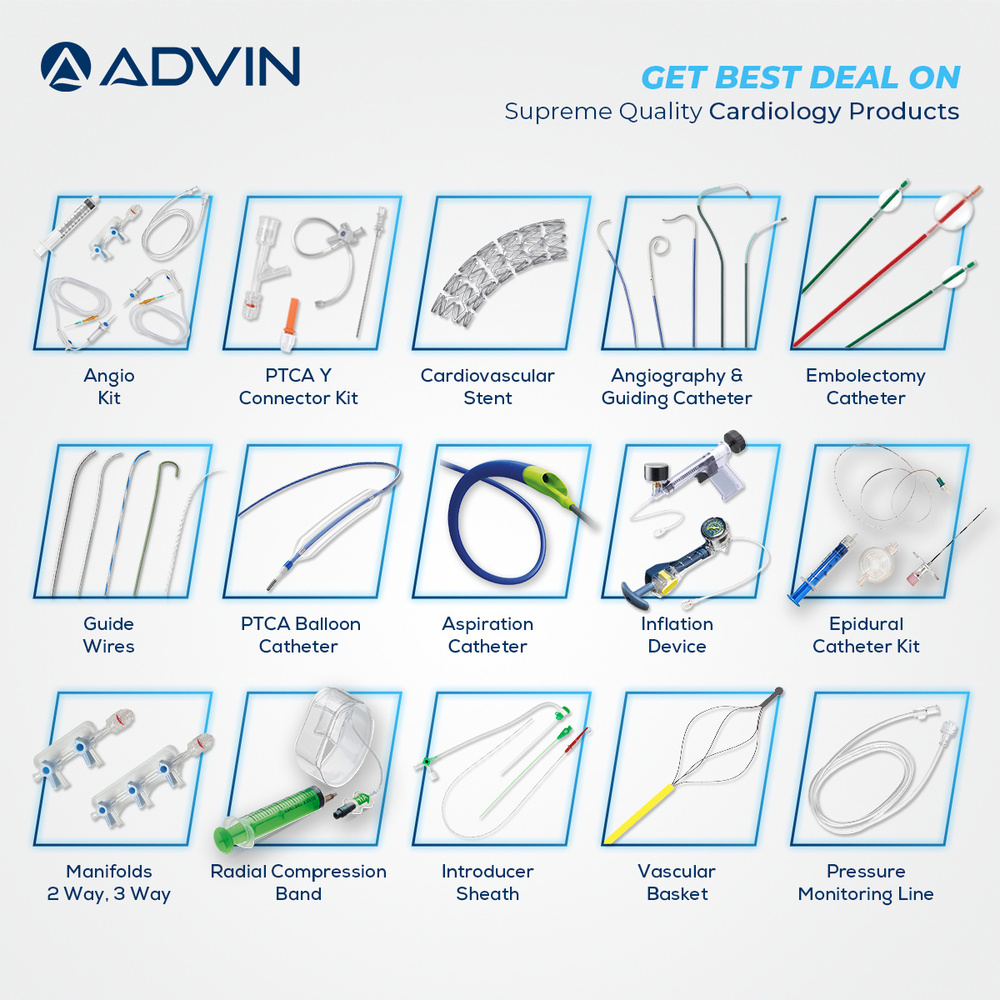
Advin Health Care is a trusted manufacturer of High Strength Stainless Steel Wires designed to meet international quality standards. These wires are engineered using premium-grade stainless steel to deliver exceptional tensile strength, durability, and reliability, making them ideal for demanding vascular access and interventional procedures requiring enhanced support and stability.
Key Features
- High tensile strength for superior support and durability
- Excellent pushability for smooth device advancement
- Strong resistance to kinking and deformation
- Reliable torque transmission for precise control
- Smooth surface for efficient catheter and sheath tracking
Specifications
- Type: High Strength Stainless Steel Wire
- Material: Medical-grade Stainless Steel
- Surface: Standard / PTFE-coated options available
- Tip Options: Straight / J-tip
- Usage: Single-use / Sterile
- Application: Vascular access, diagnostic, and interventional procedures
Certifications
CE, ISO 13485, and ISO 9001 certified
Product Keywords
High Strength Stainless Steel Wire, SS Guide Wire, Stainless Steel Guidewire, Medical Guide Wire, Interventional Guidewire
, , , .
Alambre de acero inoxidable de alta resistencia, alambre gua de acero inoxidable, alambre gua mdico, alambre gua intervencionista
Fil guide en acier inoxydable haute rsistance, fil guide en acier inoxydable, fil guide mdical, fil guide interventionnel
Versatile Stainless Steel Wire SolutionsEngineered for durability and flexibility, our stainless steel wire suits a broad range of applications, from automotive to electrical engineering. Available in various grades and finishes, these wires support numerous industrial needs, including binding, fencing, springs, and component manufacturing. Multiple packing options ensure convenient handling and easy integration into any workflow.
Precision and Compliance GuaranteedProduced according to strict ASTM, DIN, JIS, and IS standards, our wires offer tight tolerances and reliable performance. The use of advanced cold-drawn and annealing processes enhances tensile strength and longevity. With customizable diameter and weight options, our products can be tailored to meet specific project requirements for maximum efficiency and safety.
FAQ's of High Strength Stainless Steel Wire:
Q: How is the high strength stainless steel wire manufactured?
A: The wire is produced using advanced cold drawing and annealing technologies, which enhance its tensile strength (650-2000 MPa) and durability. This process ensures a consistent surface finish and precise diameter as per international standards.
Q: What applications are suitable for this stainless steel wire?
A: This wire is ideal for diverse industrial and commercial uses, including automotive components, marine installations, construction reinforcement, electrical wiring, fencing, springs, and component manufacturing due to its strength and corrosion resistance.
Q: When should I choose SS 304 versus SS 316 stainless steel wire?
A: SS 304 is commonly used for general industrial applications, while SS 316 offers superior corrosion resistance, making it preferable for marine environments or projects exposed to harsh chemicals and moisture.
Q: Where can these stainless steel wires be installed or used?
A: They can be used in a variety of settings-factories, construction sites, automotive workshops, marine environments, and engineering facilities-where high strength and resistance to corrosion are critical.
Q: What are the available wire diameters and finishes?
A: Wire diameters range from 0.1 mm to 10 mm, with surfaces offered in bright, matte, or polished finishes. This allows selection according to specific application and aesthetic preferences.
Q: How should I store stainless steel wire to maintain its quality?
A: Store the wire in a dry place away from moisture to prevent any risk of surface corrosion, ensuring the material retains its strength and longevity over time.
Q: What are the main benefits of using high strength stainless steel wire over regular steel wire?
A: Benefits include superior corrosion resistance, higher tensile strength, longer shelf life, and reduced maintenance. These factors make it more cost-effective for demanding environments and professional applications.

 Send Inquiry



 Send Inquiry

 Send Inquiry
 English
 Spanish
 French
 German
 Italian
 Chinese (Simplified)
 Japanese
 Korean
 Arabic
 Portuguese