About Hydrophilic Guide Wires
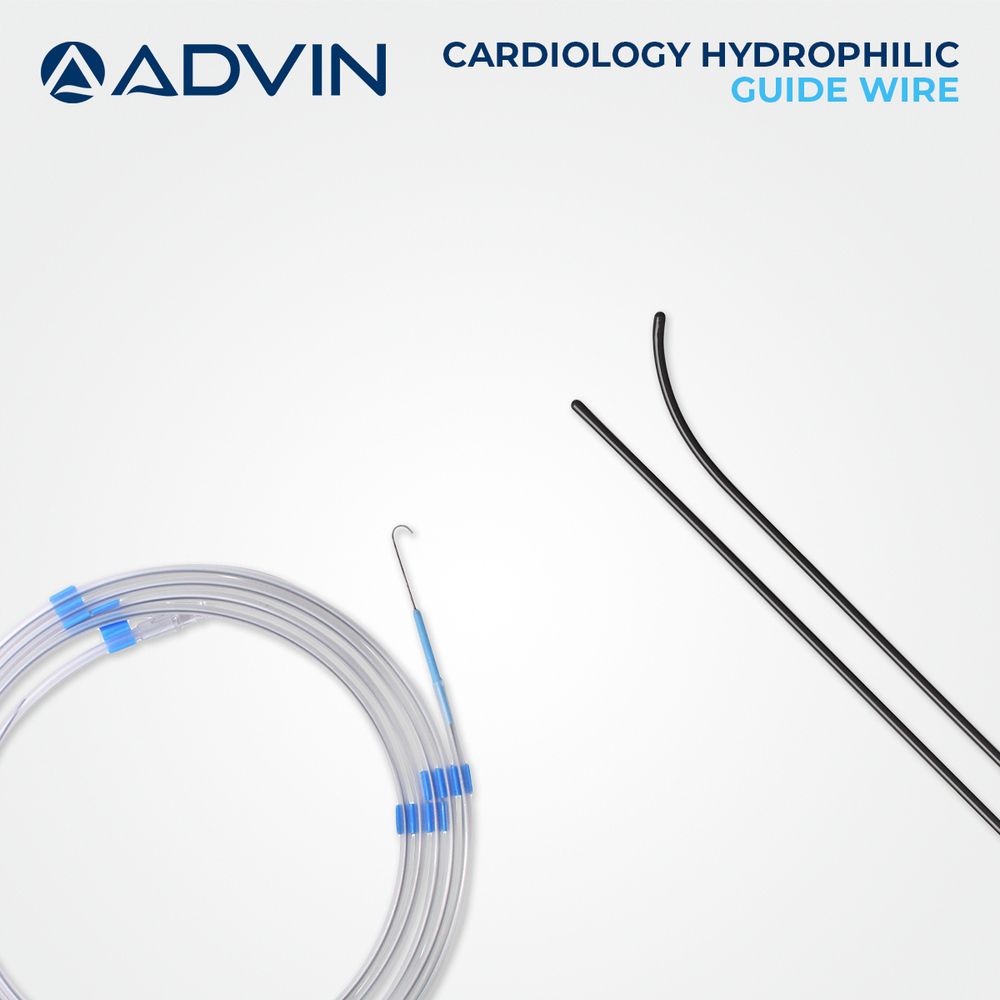
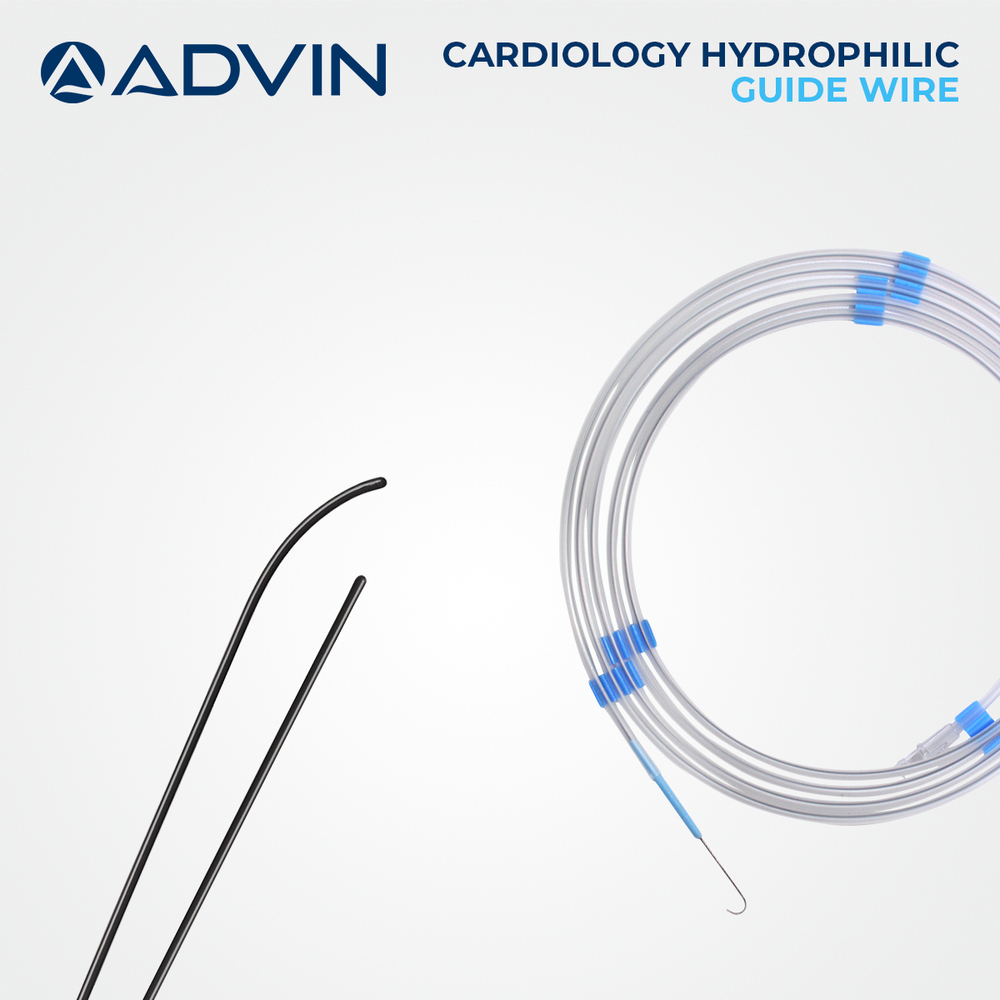
Advin Health Care is a trusted manufacturer of Hydrophilic Guide Wiresdesigned to meet international quality standards. These guide wires are used in vascular and interventional procedures for smooth navigation through tortuous vessels and precise device placement.
Key Features
- Hydrophilic coating for low-friction movement and effortless vessel navigation
- Flexible and durable core for excellent torque control and support
- Radiopaque tip for accurate visualization under imaging
- Compatible with standard catheters and interventional devices
- Suitable for coronary, peripheral, and complex vascular interventions
Certifications
We are certified with CE, ISO 13485, and ISO 9001 standards.
Product Keywords
Hydrophilic Guide Wires, Low-Friction Guide Wire, Vascular Guide Wire, Interventional Guide Wire, Coronary Guide Wire, Hydrophilic Coated Guide Wire
, , , , ,
Guas hidroflicas, gua de baja friccin, gua vascular, gua intervencionista, gua coronaria, gua con recubrimiento hidroflico
Fils-guides hydrophiles, fil-guide faible friction, fil-guide vasculaire, fil-guide interventionnel, fil-guide coronaire, fil-guide revtement hydrophile
Enhanced Navigation and TrackabilityWith a hydrophilic polymer coating, these guide wires offer excellent lubricity and maneuverability within the vascular system. The kink-resistant PTFE-coated stainless steel core enhances handling, while the flexible tip ensures safe and accurate navigation, even in tortuous anatomy.
Visibility Under FluoroscopyThe radio-opaque marker at the distal tip guarantees high visibility during imaging, which helps clinicians monitor real-time positioning and advancement. This feature is crucial for precise interventions and reduces procedural risks.
Flexible Configurations and Safe PackagingOptions include both straight and angled tips, suiting varied anatomical and procedural needs. Each guide wire is individually packaged in a sterile pouch, maintaining sterility until the point of use and ensuring patient safety. The product is designed for single-use and has a shelf life of 3-5 years.
FAQ's of Hydrophilic Guide Wires:
Q: How does the hydrophilic coating on these guide wires enhance their performance?
A: The hydrophilic polymer coating greatly reduces friction when the guide wire is introduced into the vascular system, allowing smoother, more controlled navigation with minimal trauma to vessel walls. This results in efficient trackability and makes maneuvering through tortuous or narrow vessels easier for clinicians.
Q: What procedures are these hydrophilic guide wires suitable for?
A: These guide wires are designed for use in interventional cardiology and various vascular procedures, serving as an essential component in guiding diagnostic and interventional catheters to the desired anatomical site.
Q: When should these guide wires be used?
A: Hydrophilic guide wires should be used during minimally invasive cardiovascular or peripheral vascular procedures whenever enhanced lubricity, precise maneuvering, and visibility under fluoroscopy are needed. They are intended for single-use during sterile interventions.
Q: Where can these guide wires be applied or used?
A: These guide wires are typically used in hospital settings, interventional radiology suites, and catheterization labs, especially where fluoroscopic imaging is available for real-time procedure guidance.
Q: What is the process for preparing the guide wire for use?
A: The guide wire is supplied sterile in an individual pouch. Simply open the packaging under sterile conditions and, if needed, wet the hydrophilic surface with saline to activate optimal lubricity before use.
Q: What are the benefits of using guide wires with a radio-opaque marker?
A: The radio-opaque marker at the distal tip ensures exceptional visibility under fluoroscopy, assisting physicians in tracking the wire's position in real time, thus improving procedural accuracy and safety.
Q: How should these guide wires be stored for optimal shelf life?
A: Store the guide wires in a cool, dry place away from direct sunlight to maintain their sterility and material integrity, ensuring they remain safe and ready to use throughout their 3-5 year shelf life.

 Send Inquiry




 Send Inquiry

 Send Inquiry
 English
 Spanish
 French
 German
 Italian
 Chinese (Simplified)
 Japanese
 Korean
 Arabic
 Portuguese