About Hydrophilic Nitinol Core Guidewires
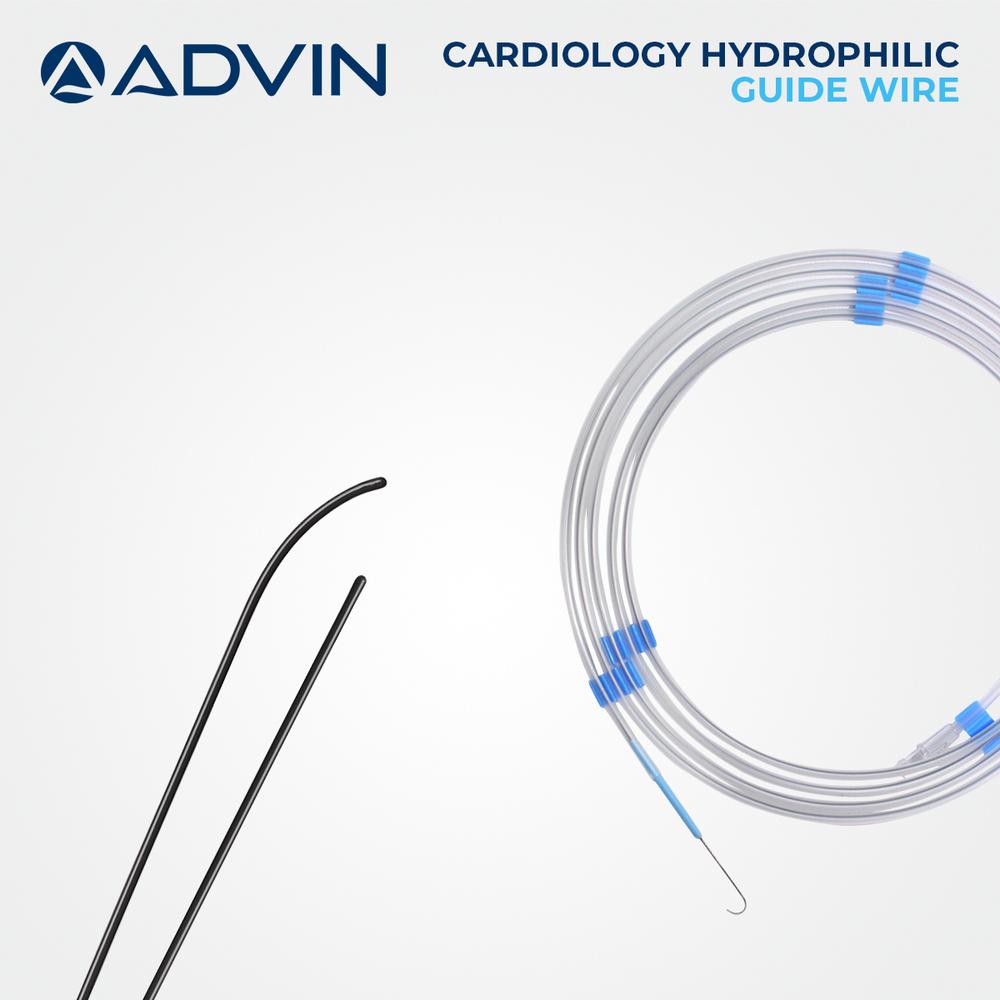
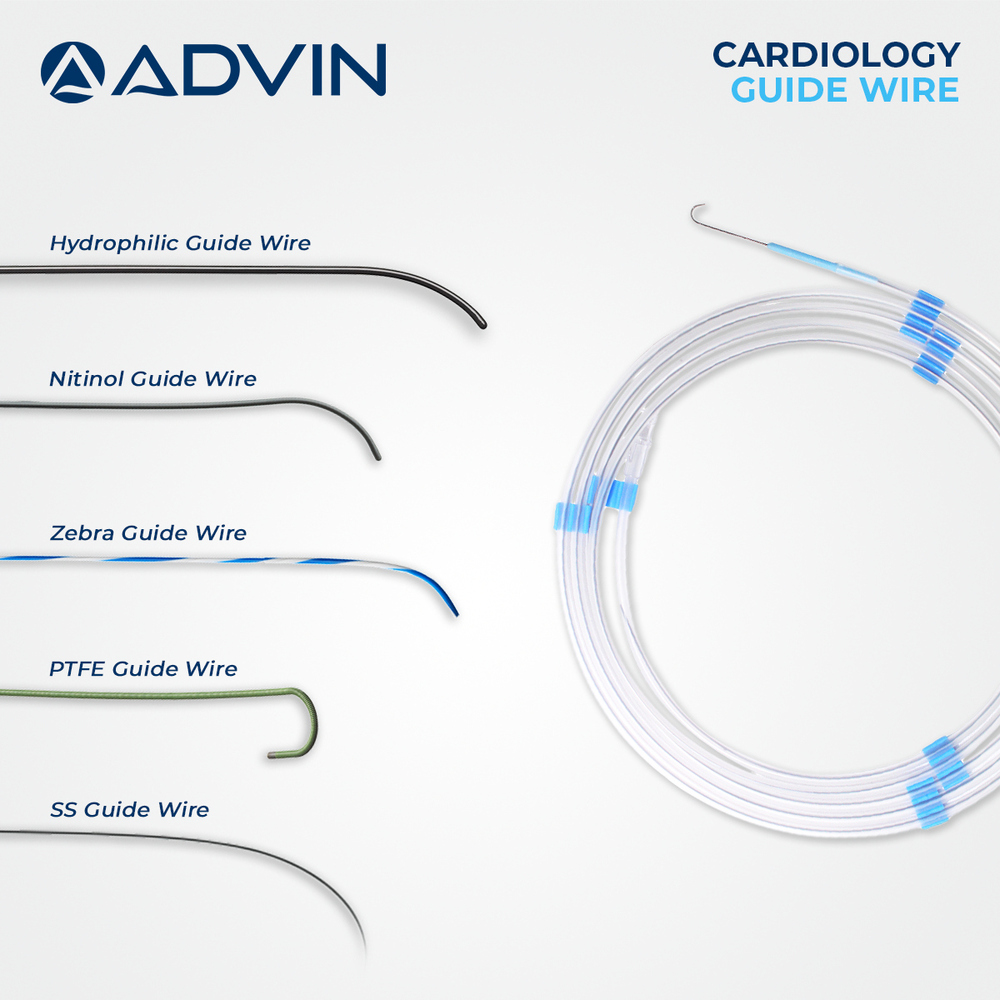
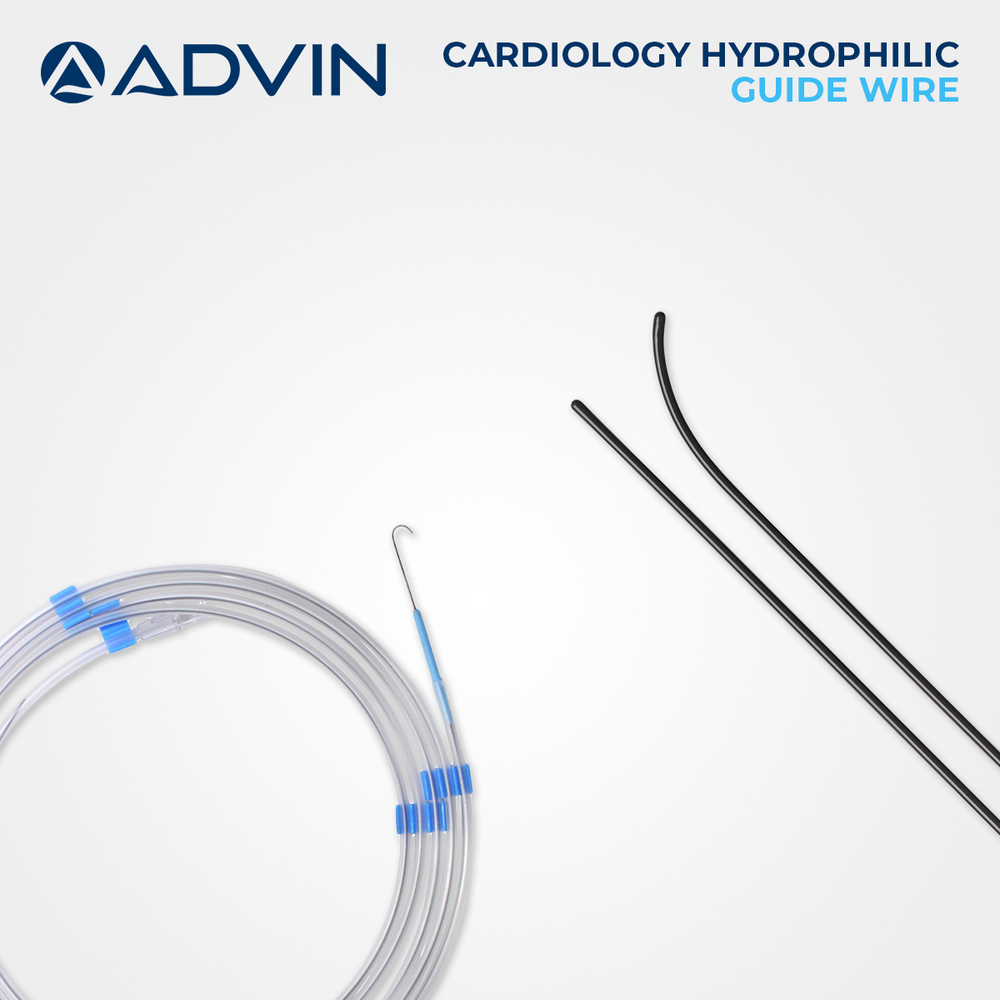
Advin Health Care is a trusted manufacturer of Hydrophilic Nitinol Core Guidewires designed to meet international quality standards. These advanced guidewires combine a superelastic nitinol core with a hydrophilic coating, offering exceptional flexibility, kink resistance, and ultra-smooth navigation through complex and tortuous vascular pathways during diagnostic and interventional procedures.
Key Features
- Nitinol core for superior flexibility and kink resistance
- Hydrophilic coating for ultra-low friction and smooth advancement
- Excellent torque transmission for precise control
- Atraumatic soft tip design for enhanced patient safety
Specifications
- Type: Hydrophilic Nitinol Core Guidewire
- Core Material: Nitinol (Nickel-Titanium Alloy)
- Coating: Hydrophilic Polymer
- Usage: Single-use / Sterile
- Application: Diagnostic and interventional vascular procedures
Certifications
CE, ISO 13485, and ISO 9001 certified
Product Keywords
Hydrophilic Nitinol Guidewire, Nitinol Core Guide Wire, Superelastic Guidewire, Low Friction Guidewire, Interventional Guidewire
, , , , .
Gua de alambre de nitinol hidroflico, gua de alambre con ncleo de nitinol, gua de alambre superelstico, gua de alambre de baja friccin, gua de alambre intervencionista
Fil-guide hydrophile en nitinol, fil-guide me en nitinol, fil-guide superlastique, fil-guide faible friction, fil-guide interventionnel
Superior Navigational PerformanceThe hydrophilic coating on our guidewires significantly reduces friction, allowing for seamless vessel navigation. This advanced design simplifies lesion crossing and catheter guidance, helping clinicians achieve precise placement with less vascular trauma. The nitinol core ensures excellent torque response, flexibility, and enduring shape-memory, maintaining optimal orientation during complex interventions.
Enhanced Safety and VisibilityEach guidewire is equipped with a radiopaque tip, providing clear visibility under fluoroscopic imaging. This feature empowers physicians to track and confirm guidewire position in real time, thereby minimizing risk and improving procedural accuracy.
Sterility and Regulatory AssuranceOur guidewires are ethylene oxide sterilized, ensuring they are safe and ready to use. With individual sterile packaging and adherence to CE and ISO 13485 standards, clinicians benefit from high-quality instruments that meet rigorous international safety and performance requirements.
FAQ's of Hydrophilic Nitinol Core Guidewires:
Q: How does the hydrophilic polymer coating benefit the guidewire's performance?
A: The hydrophilic polymer coating minimizes friction between the guidewire and vessel walls or devices, enabling smooth movement and reducing the risk of vessel trauma during vascular or endovascular procedures.
Q: What makes the nitinol core advantageous for kink resistance and flexibility?
A: Nitinol's unique shape-memory and superelastic properties provide excellent resistance to kinking, allowing the guidewire to maintain flexibility and reliably navigate even tortuous vessels without losing its form.
Q: When should this guidewire be used, and for which procedures is it intended?
A: This guidewire is designed for use in vascular and endovascular interventions, such as guiding catheters for angioplasty, stenting, or other device placements within blood vessels.
Q: Where should the guidewire be stored before use?
A: The guidewire should be stored in its original sterile pouch in a cool, dry place away from direct sunlight to maintain sterility and integrity until use.
Q: What process is followed for ensuring sterility of these guidewires?
A: Each guidewire is sterilized using ethylene oxide (EtO) gas and individually sealed in a sterile pouch, assuring readiness and safety for single-use clinical applications.
Q: How does the radiopaque tip improve clinical outcomes during procedures?
A: The radiopaque tip enhances visibility under fluoroscopy, making it easier for practitioners to track the guidewire's precise position and movement within vessels, reducing guesswork and procedural risks.
Q: What ranges of lengths and diameters are available for these guidewires?
A: Guidewires are available in various diameters (commonly 0.018, 0.025, and 0.035 inches) and lengths (such as 150 cm, 180 cm, 260 cm, and others) to fit diverse anatomical and procedural requirements.

 Send Inquiry





 Send Inquiry

 Send Inquiry
 English
 Spanish
 French
 German
 Italian
 Chinese (Simplified)
 Japanese
 Korean
 Arabic
 Portuguese