About Interventional Flow Management Device
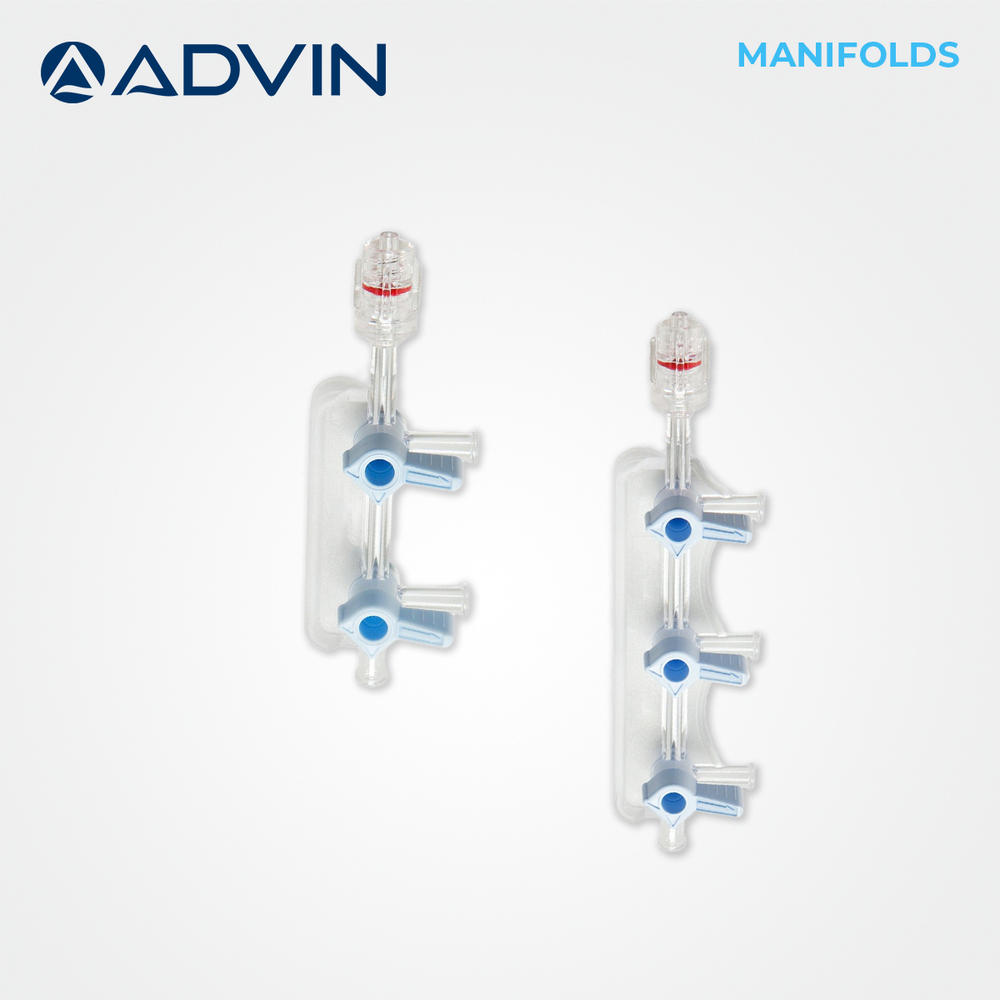
Advin Health Care Interventional Flow Management Device is designed to regulate and control fluid flow during diagnostic and interventional procedures. It enables precise flow adjustment, secure connections, and reliable performance in complex clinical environments.
Key Features: - Designed for accurate fluid flow regulation
- Enables controlled infusion and withdrawal
- Supports multiple connections for interventional use
- Smooth and consistent fluid management
- Secure and leak-resistant design
- Compatible with standard medical systems
Certifications:CE, ISO 13485, ISO 9001 Certified
Product Keywords:Interventional Flow Management Device, Fluid Control System, Medical Flow Regulator, Multi-Port Flow Device, Interventional Fluid Management System
, , , , .
Dispositivo de gestin de flujo intervencionista, sistema de control de fluidos, regulador de flujo mdico, dispositivo de flujo multipuerto, sistema de gestin de fluidos intervencionista
Dispositif de gestion des fluides interventionnels, systme de contrle des fluides, rgulateur de dbit mdical, dispositif de dbit multi-ports, systme de gestion des fluides interventionnels
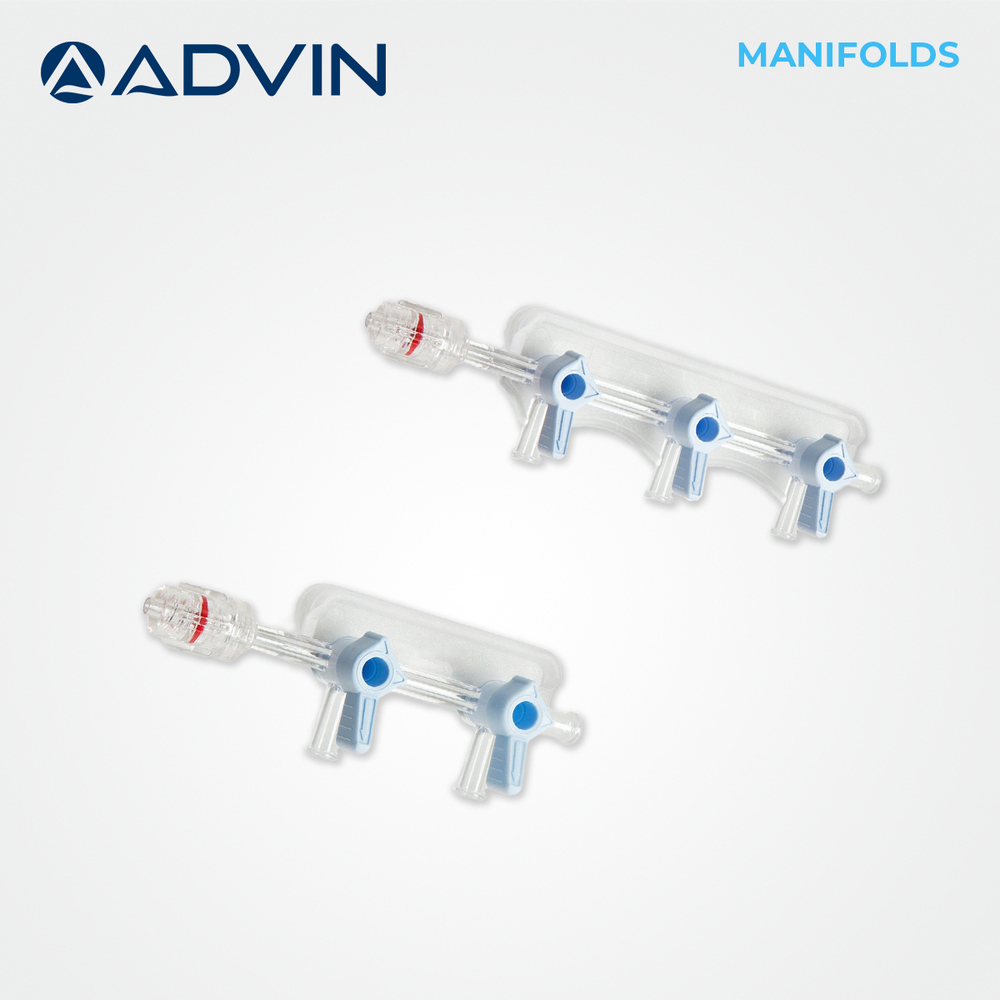
High-Precision Flow Regulation for Cardiac ProceduresExperience advanced manual valve control with our Interventional Flow Management Device, designed to deliver accurate and safe fluid management during interventional cardiology and angiography cases. Each device is pressure-resistant up to 500 psi, latex-free, and reliably sterile for enhanced patient safety. Its compatibility with all standard luer lock connections ensures seamless integration into medical workflows without compromising efficiency or precision.
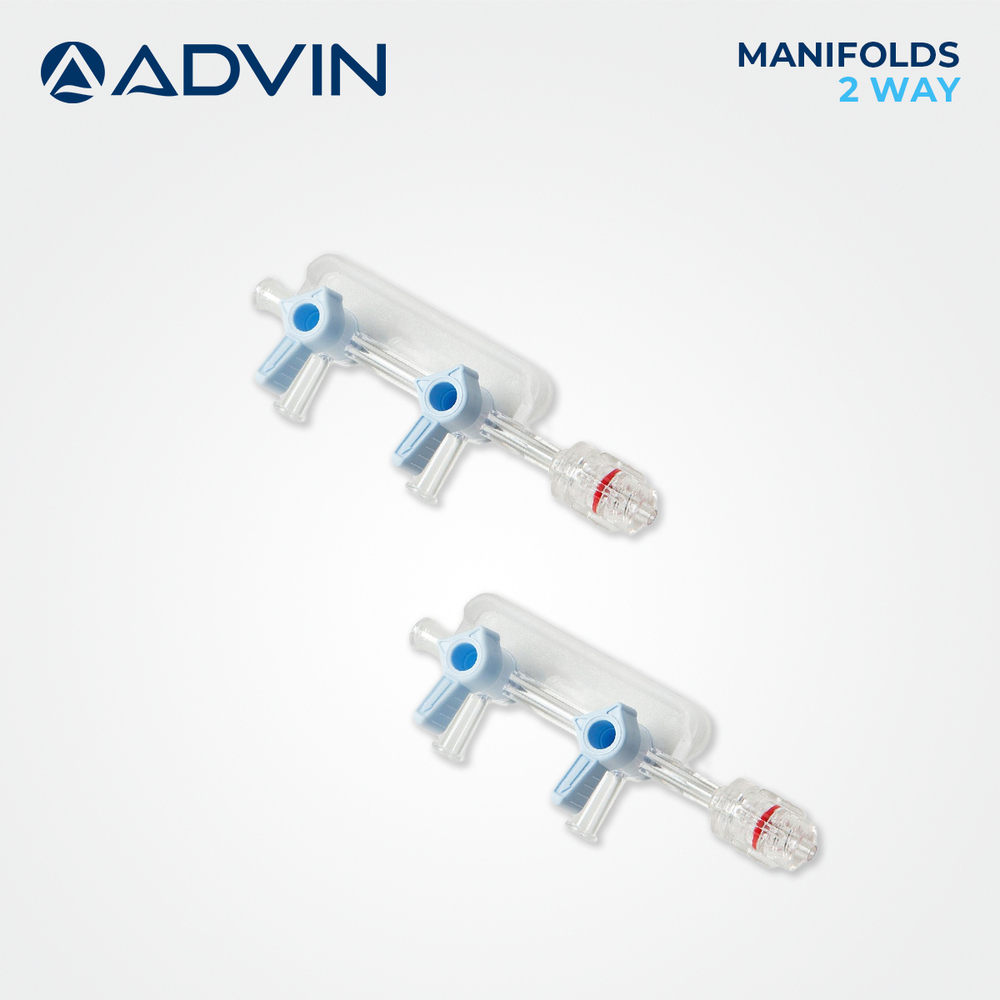
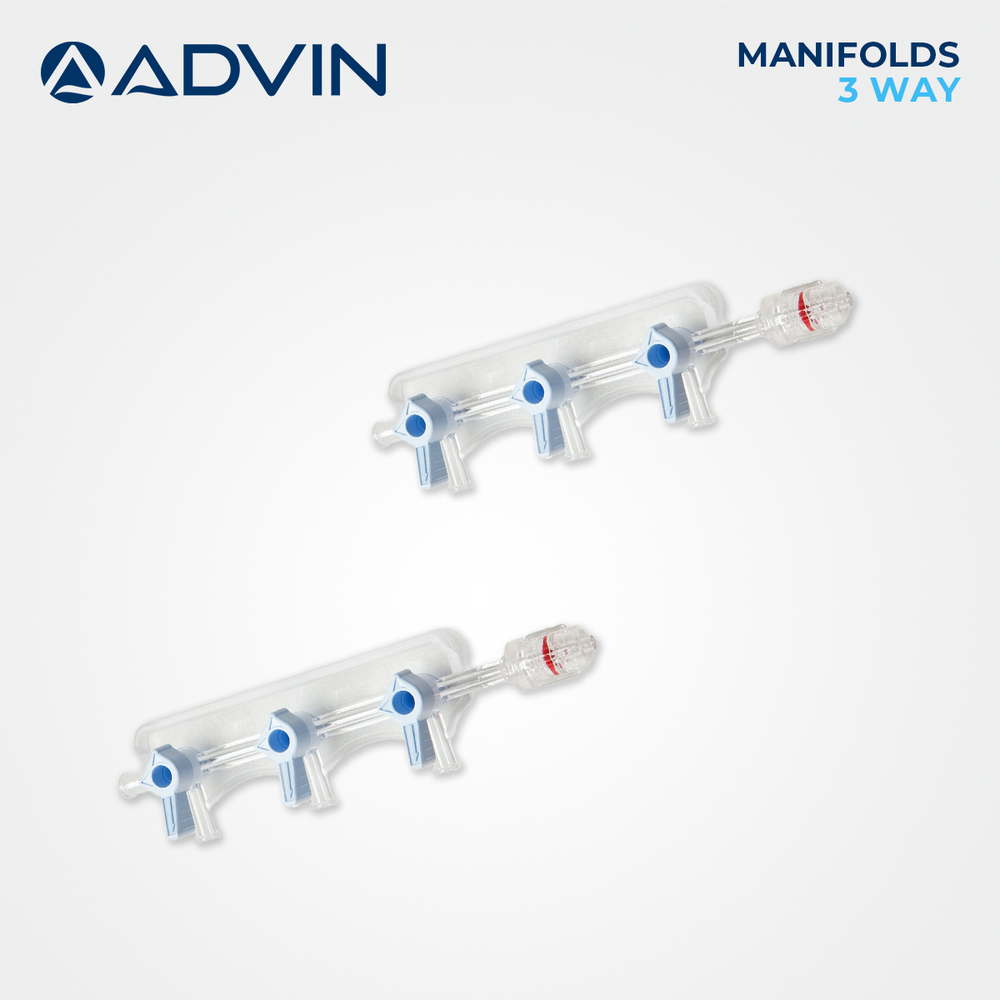
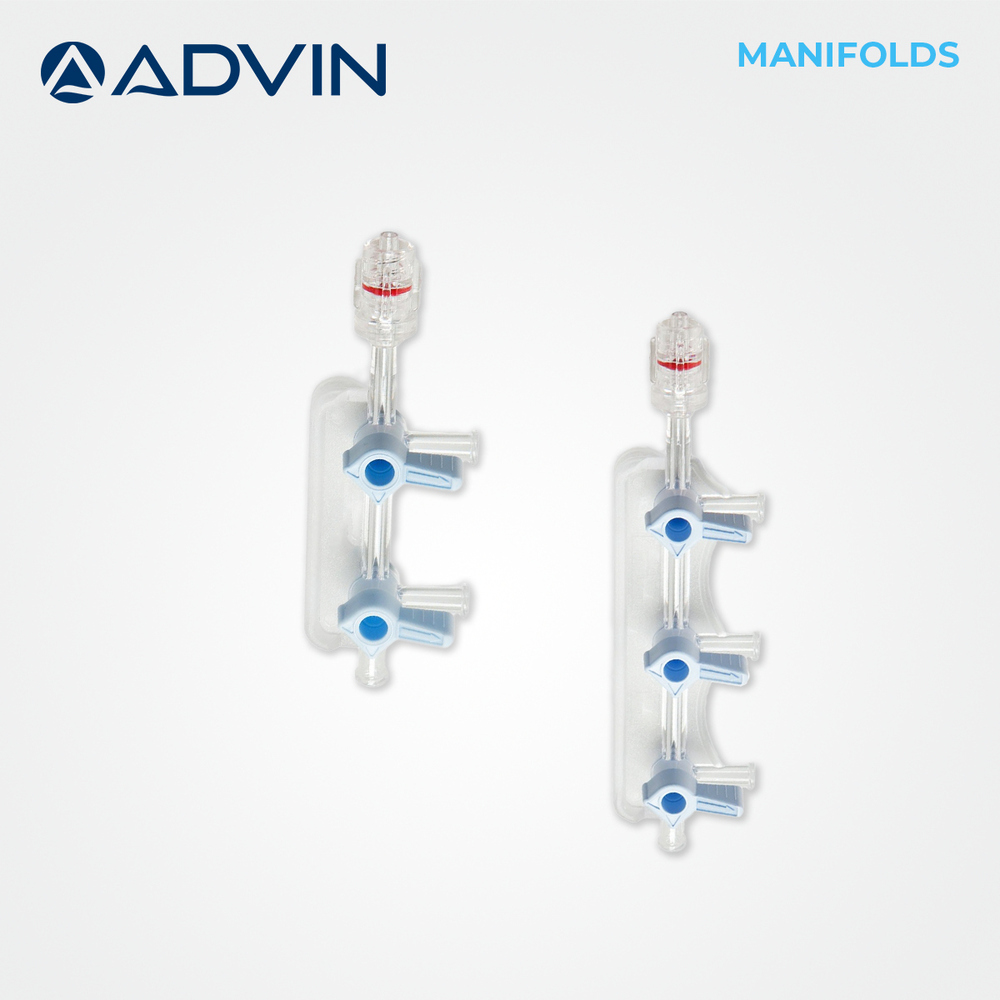
User-Friendly Design and VersatilityWith its transparent body, intuitive rotating handle, and clear port indicators, the device supports straightforward multi-port selection and operation. Lightweight and portable, it is suitable for both fixed and mobile medical setups, fitting diverse clinical environments. Its disposable design, sterile packaging, and easy storage instructions make it a hygienic, convenient option for busy medical teams.
FAQ's of Interventional Flow Management Device:
Q: How does the Interventional Flow Management Device improve fluid control during medical procedures?
A: This device allows precise manual regulation and redirection of fluid flow, minimizing risk of leakage and ensuring high accuracy even under high pressures (up to 500 psi). The multi-port selection and easy-to-operate handle enable real-time adjustments for optimal procedural outcomes.
Q: What are the main usage scenarios for this manifold device?
A: The manifold is primarily employed in interventional cardiology, angiography, and infusion flow control. It delivers reliable performance for directing and managing contrast media, saline, and therapeutic fluids during diagnostic and interventional catheterization procedures.
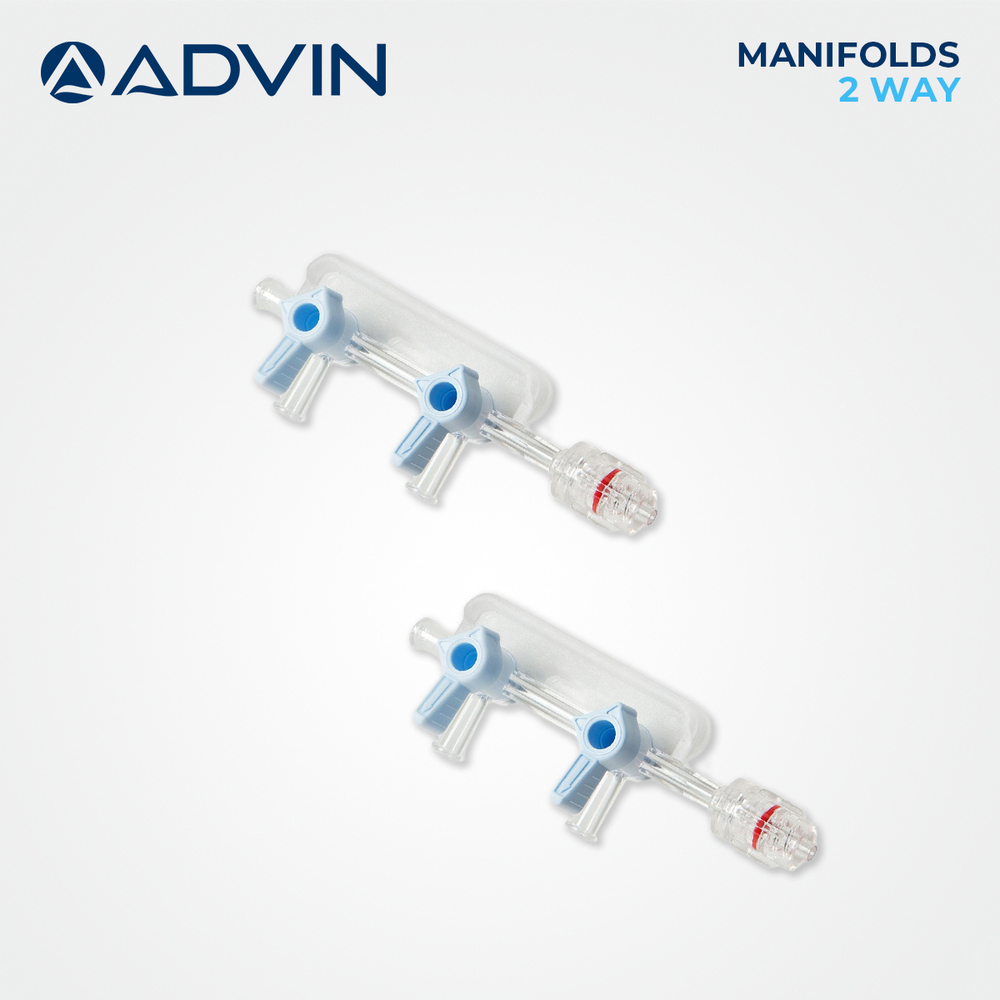
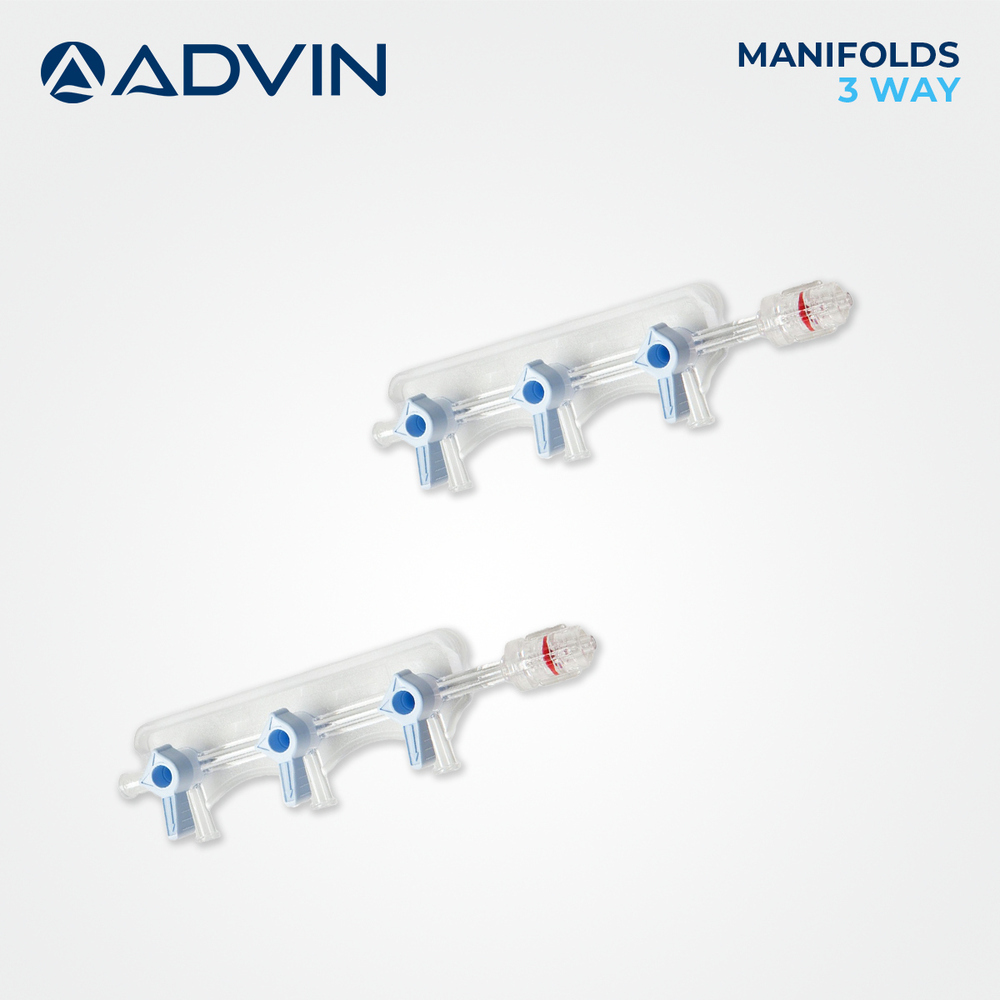
Q: When should I use the 2-port versus the 3-port variant?
A: Choose the 2-port version when managing simple, single-line infusions or injections. Opt for the 3-port variant in more complex setups where you need to alternate or combine multiple fluid sources or instruments, facilitating versatile procedure control.
Q: Where can the device be integrated within a medical workflow?
A: It is compatible with all standard luer lock catheters and infusion lines. Integrate it between the fluid delivery system and the interventional instrument for seamless flow management during a variety of cardiological and radiological procedures.
Q: What is the proper process for device usage and disposal?
A: The device should be kept in its sterile blister pack until ready for single use. After connecting to the required lines via luer lock connections and completing the procedure, carefully remove and dispose of the device as per local biomedical waste protocols to maintain clinical safety.
Q: What are the key benefits of using this device in interventional procedures?
A: Key advantages include high accuracy in flow control, robust leak-proof and pressure-resistant design, silent manual operation without power requirement, and compatibility with standard systems. Its disposable, sterile construction lowers infection risk and ensures each use meets stringent safety standards.

 Send Inquiry







 Send Inquiry

 Send Inquiry
 English
 Spanish
 French
 German
 Italian
 Chinese (Simplified)
 Japanese
 Korean
 Arabic
 Portuguese