Kirschner Wire About
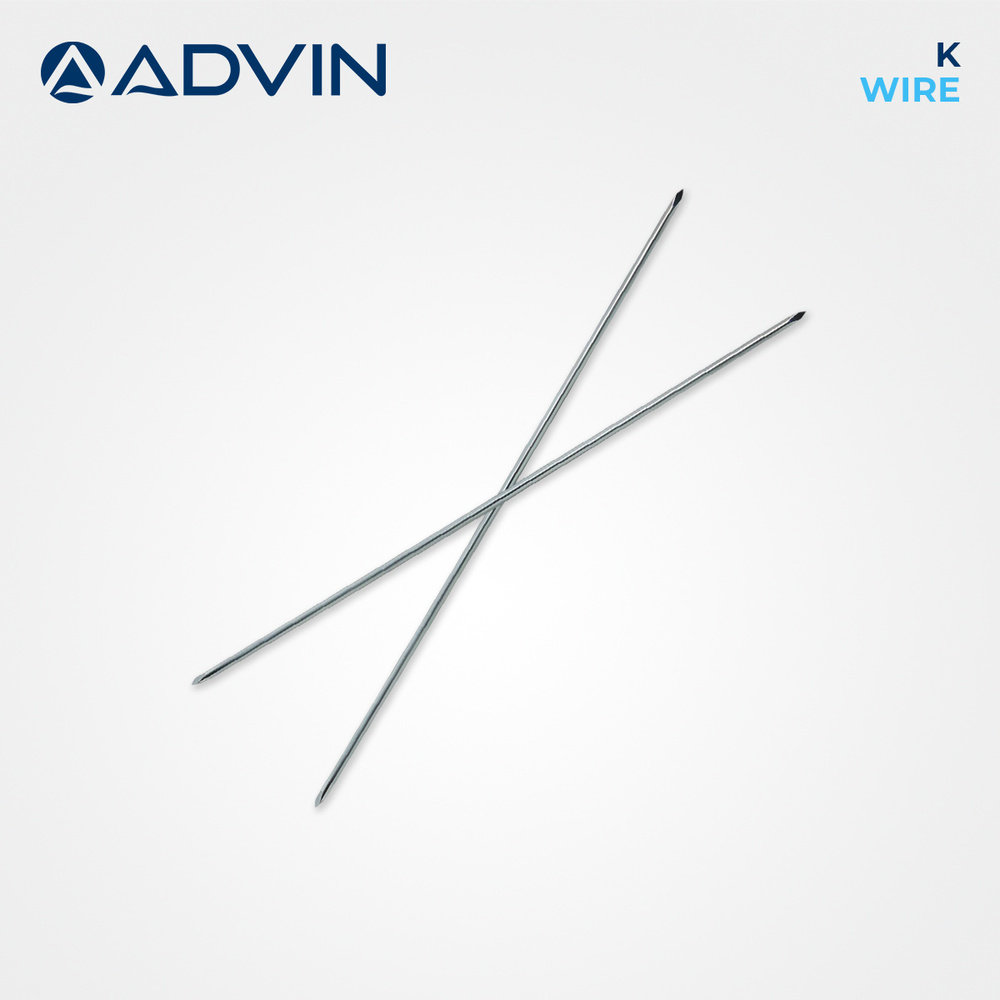
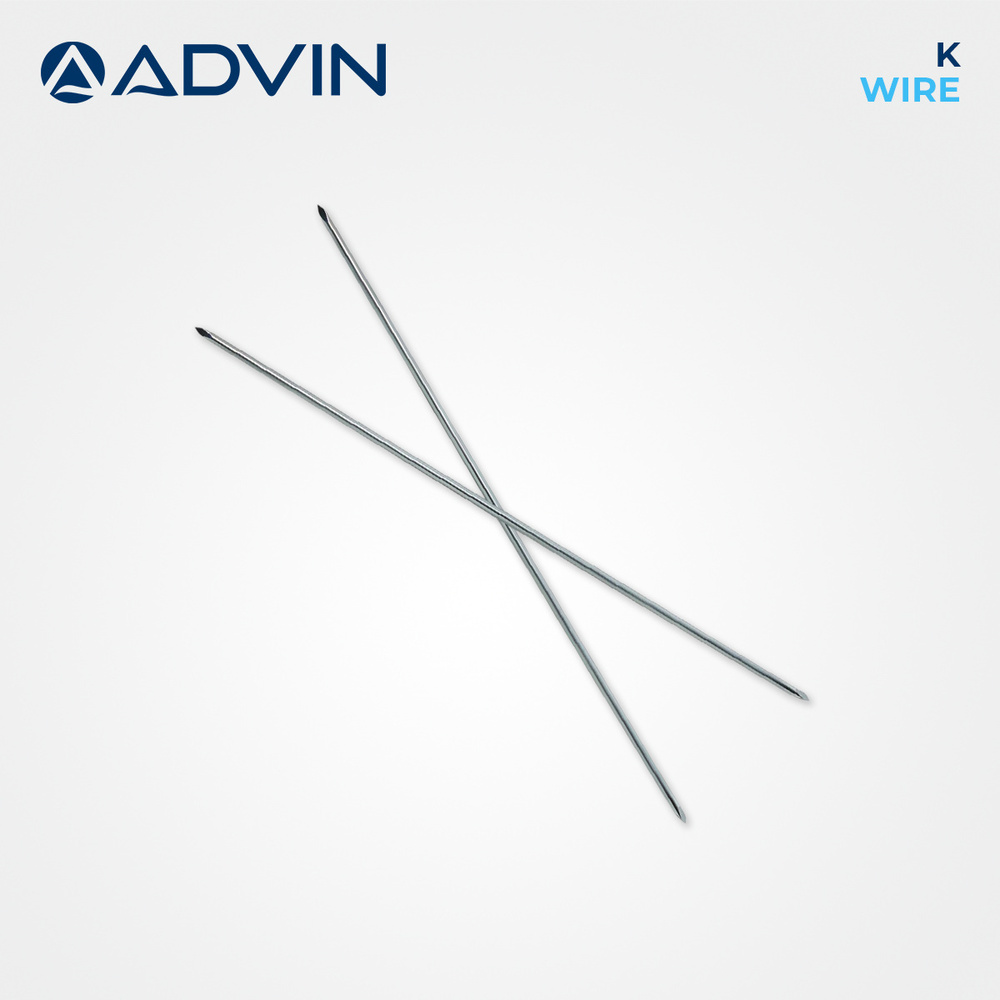
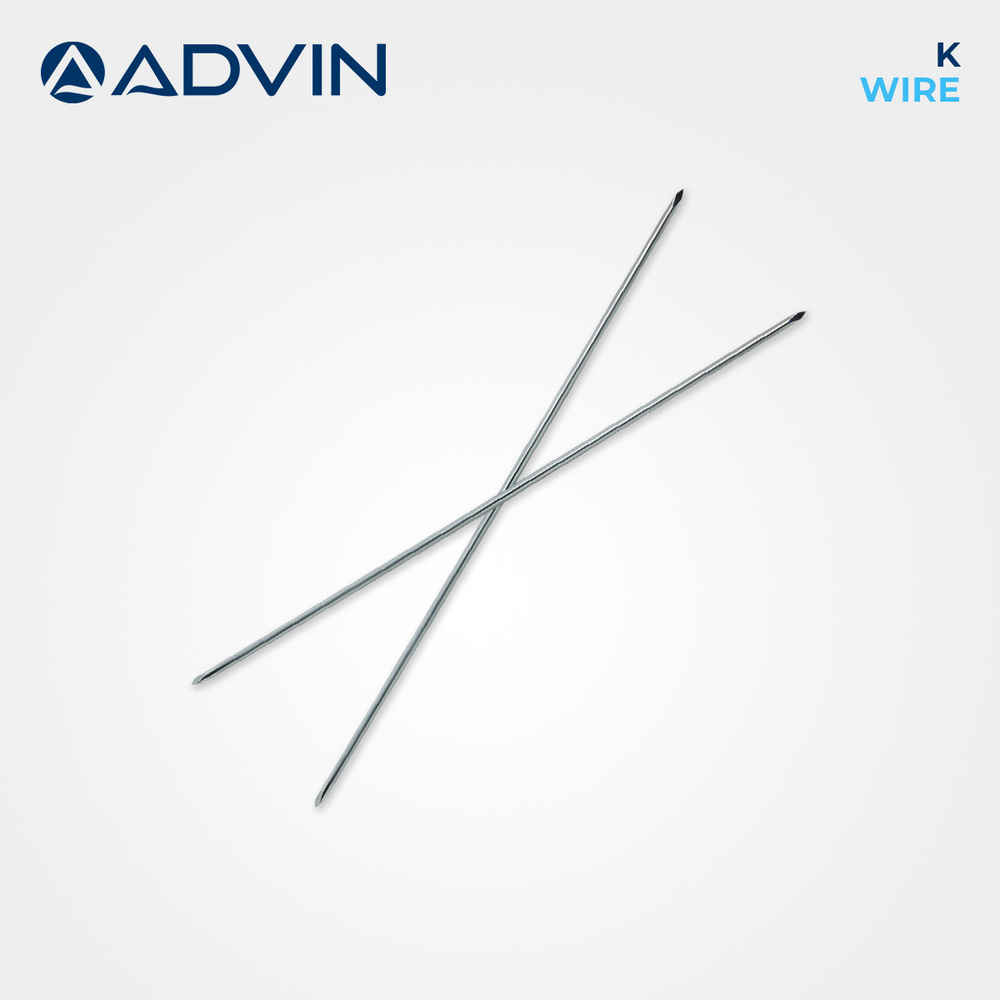
Kirschner Wires are widely used in orthopedic trauma surgeries for the fixation of small bones and fragments, as well as in pediatric and adult fracture management. Manufactured from high-quality surgical-grade stainless steel, K-Wires offer excellent strength, corrosion resistance, and biocompatibility. Advin Health Care supplies these wires to help surgeons achieve precise fracture alignment and secure temporary or permanent fixation. Their smooth or threaded design allows easy insertion with minimal tissue disruption, and they can be used for percutaneous or open procedures. K-Wires are ideal for osteoporotic, comminuted, or delicate bone fractures, facilitating faster recovery and improved surgical outcomes.
Advanced Features:
-
Made from surgical-grade stainless steel for durability
-
Smooth or threaded design for secure fixation
-
Suitable for hand, wrist, foot, and small bone fractures
-
Can be used for temporary or definitive fixation
-
Minimal tissue disruption with percutaneous or open insertion
Precision Engineering Meets Medical StandardsOur Kirschner Wires are manufactured using cold drawn precision technology, ensuring uniformity and high accuracy crucial for bone fixation procedures. Each wire conforms to international standards including ISO 13485 and carries the CE mark, affirming their reliability and safety in clinical use. These attributes make the wires suitable for orthopedic surgery and trauma care.
Sterile, Single-Use ConvenienceEach Kirschner Wire is EO sterilized and individually packed or supplied as a set, guaranteeing sterility and eliminating cross-contamination risks. Designed for single-use, they reduce the chances of infection, making them ideal for fast-paced surgical environments. Their five-year shelf life and clear storage guidelines ensure longevity and effectiveness.
Versatile and Customizable for Clinical NeedsAvailable with trocar point, blunt, or threaded ends and in multiple sizes, these wires can be tailored to specific patient and surgical requirements. Whether used for fracture management or skeletal traction, their rigidity, radiopacity for X-ray visibility, and smooth polished finish provide exceptional performance and clarity during procedures.
FAQ's of Kirschner Wire:
Q: How are Kirschner Wires typically used in orthopedic surgery?
A: Kirschner Wires are inserted into bone to stabilize fractures, aid in bone healing, and provide temporary fixation. Their rigidity and radiopaque properties allow precise placement and monitoring during and after trauma or reconstructive orthopedic procedures.
Q: What is the sterilization process for these wires, and how does it ensure safety?
A: The Kirschner Wires undergo EO (ethylene oxide) sterilization, a process that effectively eliminates bacteria, viruses, and other microorganisms. This guarantees patient safety by delivering sterile products, reducing the risk of surgical site infections.
Q: When should I choose trocar point, blunt, or threaded end Kirschner Wires?
A: Trocar point wires are best for penetrating hard bone, blunt ends are useful for soft tissue-friendly or non-piercing applications, while threaded ends offer secure anchoring within bone. The choice depends on the surgical application and clinical requirements.
Q: Where are these wires manufactured and can customization be requested?
A: These Kirschner Wires are manufactured in India by certified exporters, suppliers, and traders. Custom sizes and specifications are available upon request to suit unique surgical or patient needs.
Q: What benefits do radiopaque and biocompatible features offer during trauma care?
A: Radiopacity allows clear visualization of the wire's placement via X-ray, ensuring precise alignment and reducing surgical risks. Biocompatibility minimizes adverse reactions, promoting better healing and patient safety.
Q: How should unused wires be stored to maintain sterility and effectiveness?
A: Kirschner Wires must be stored in a cool, dry place away from moisture. This helps preserve their sterile packaging and prolongs their shelf life up to five years, ensuring they remain ready for immediate, safe use.

 Send Inquiry



 Send Inquiry

 Send Inquiry
 English
 Spanish
 French
 German
 Italian
 Chinese (Simplified)
 Japanese
 Korean
 Arabic
 Portuguese