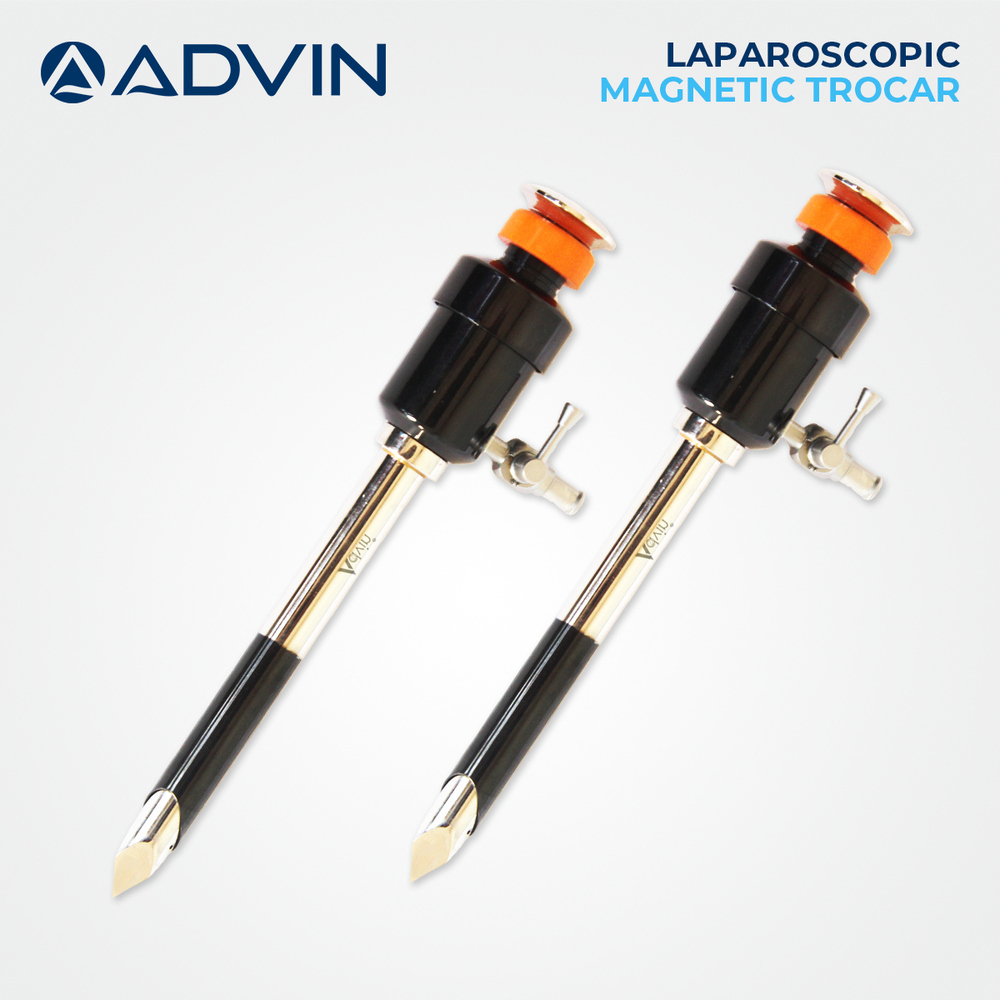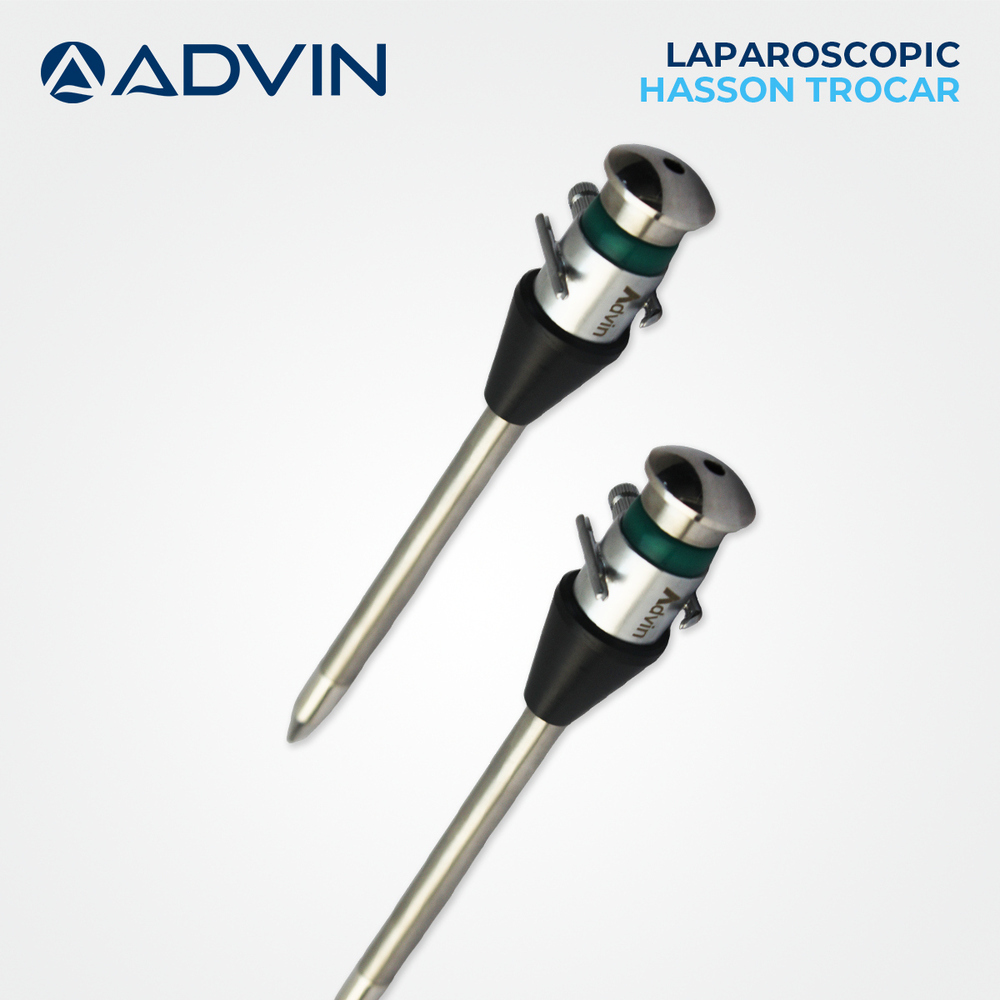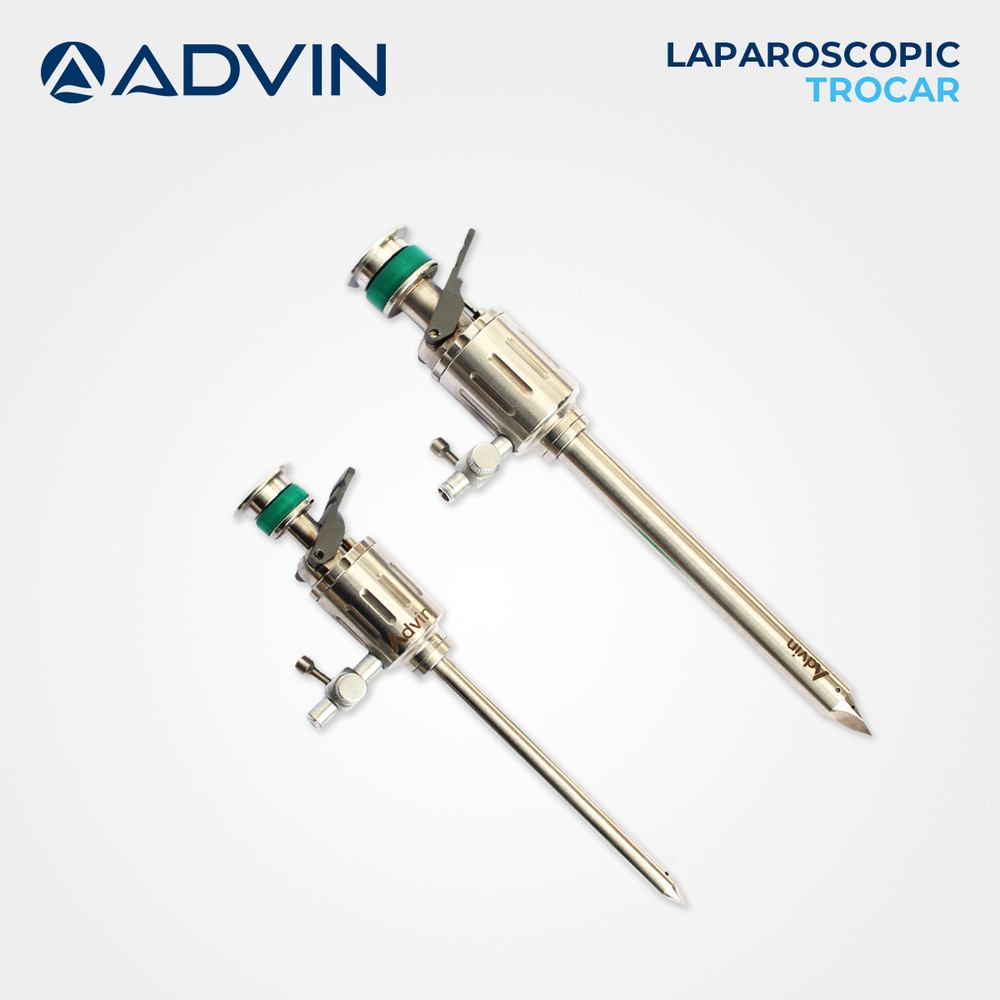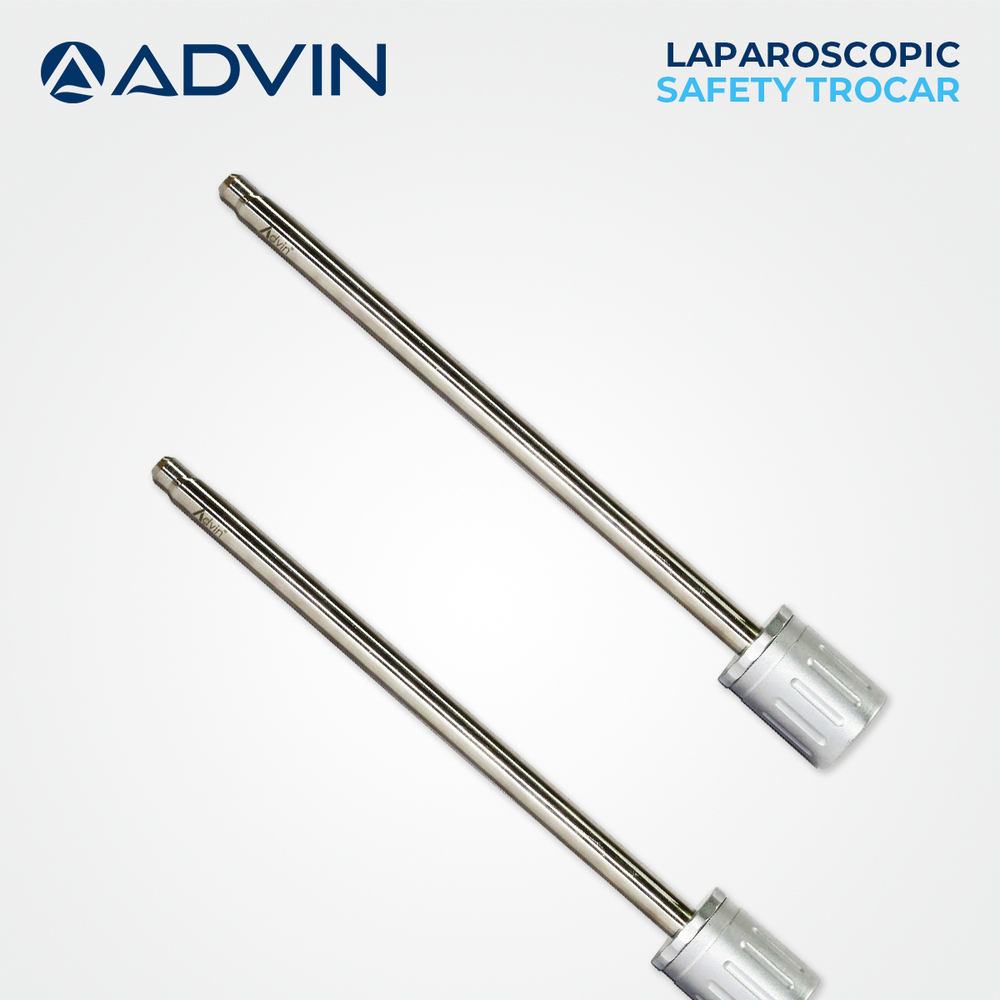
About Laparoscopic Trocar For Hospitals
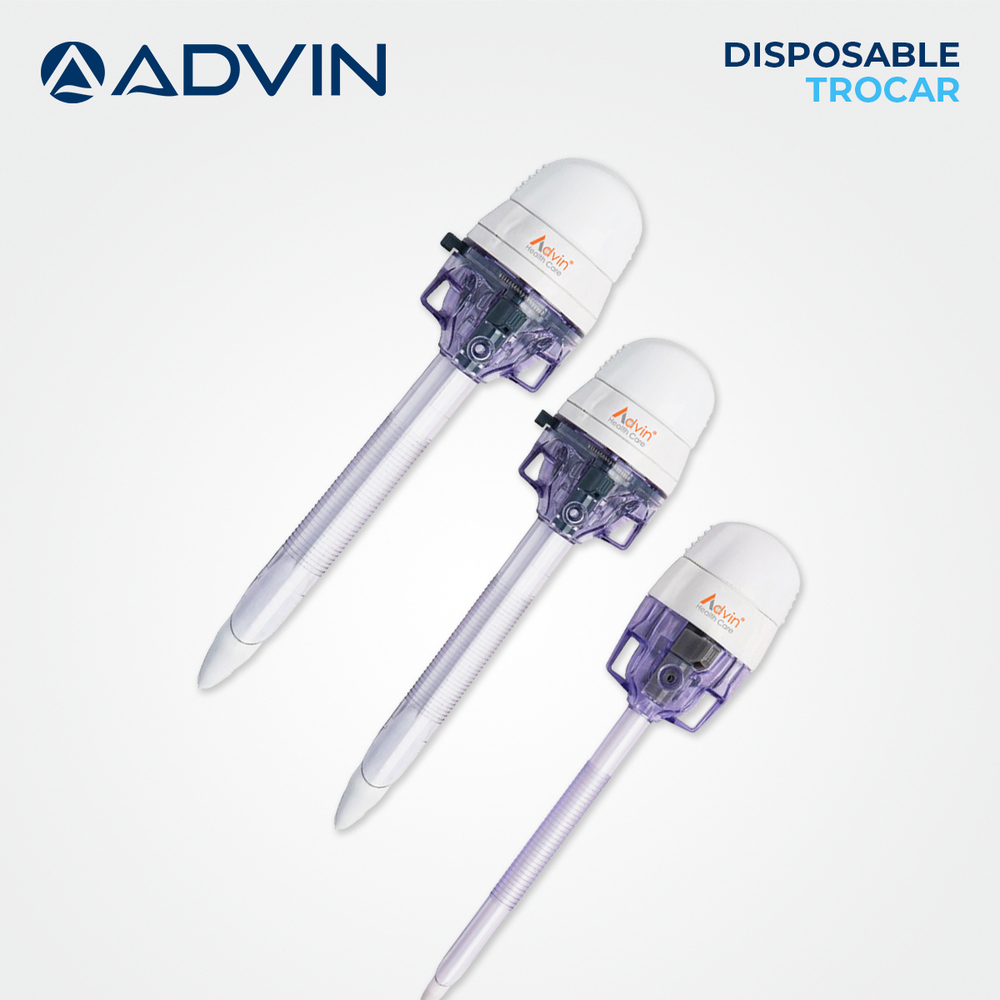
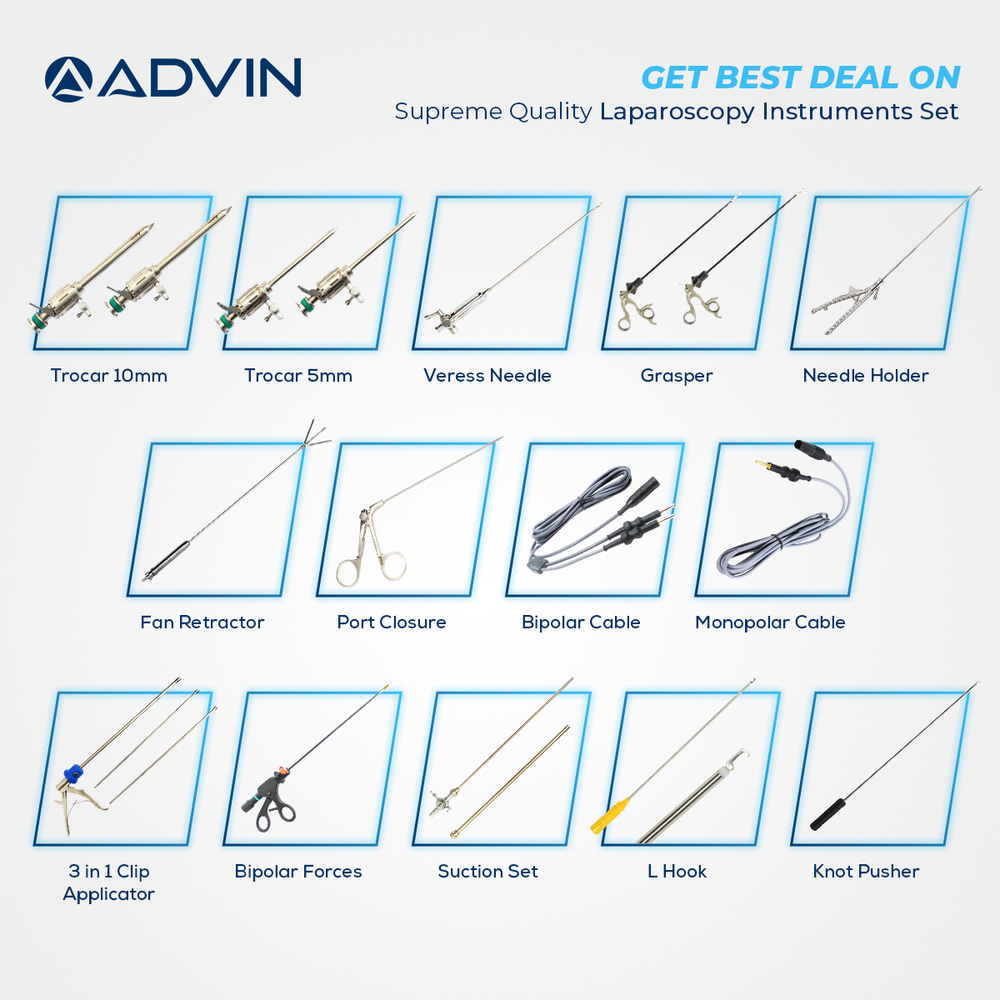
Advin Laparoscopic Trocar for Hospitals is a surgical access device used in minimally invasive procedures. It enables surgeons to safely insert laparoscopic instruments into the abdominal cavity. These trocars are widely used in hospitals and surgical centers for general surgery, gynecology, and urology procedures.
Advanced Features:
-
Provides safe access for laparoscopic instruments
-
Available with sharp or bladeless obturator options
-
Durable, medical-grade construction for long-term use
-
Ergonomic design for surgeon comfort and efficiency
-
Widely used in hospitals for general, gynecological, and urological surgeries
Precision Access for Minimally Invasive SurgeryDesigned to offer safe and reliable entry for laparoscopic instruments, this trocar supports minimally invasive techniques in hospitals and clinics. With options in tip styles, cannula lengths, and diameters, surgeons can select the most suitable combination for each procedure, reducing tissue trauma and ensuring high procedural accuracy. Integrated safety features such as anti-leak valves and sharp-protection guards enhance patient safety and ease of use.
Ergonomic and Versatile DesignThe trocar's ergonomic design minimizes surgeon fatigue during lengthy procedures and provides optimal grip control. Available in both reusable and single-use models, it accommodates various hospital protocols. Its lightweight and portable build ensures ease of handling, while the corrosion-resistant medical-grade materials ensure consistent, reliable performance throughout its long shelf life.
Sterility, Safety, and StorageEach trocar undergoes stringent sterilization by ETO or autoclave methods and arrives in sterile single packaging. The anti-leak valve, precision seal systems, and sharp-protection guard are designed to safeguard both patients and users. For storage, keep the trocar in a dry place away from sunlight, within its sterile packaging, to maintain its full shelf life and operational integrity.
FAQ's of Laparoscopic Trocar For Hospitals:
Q: How is the laparoscopic trocar used during surgery?
A: The laparoscopic trocar is inserted manually by the surgeon, using the obturator, to create a precise access point through the abdominal wall. Once in place, it allows the passage of laparoscopic instruments for minimally invasive surgical procedures, while its ergonomic design and sharp/dilating/blunt tip contribute to minimal tissue trauma.
Q: What tip styles and lengths are available for the trocar?
A: This trocar comes in blunt, sharp, and dilating tip styles, with cannula lengths of 100mm, 120mm, and 150mm. This range allows surgeons to choose the appropriate configuration based on the specific surgical requirement and patient anatomy.
Q: What are the safety features of the laparoscopic trocar?
A: Key safety features include an anti-leak valve to prevent gas leakage, a sharp-protection guard to shield against accidental injuries, and integrated valve seals (plastic or silicone) to ensure a leak-proof closure. Its medical-grade construction also assures high corrosion resistance.
Q: Can the trocar be reused, and how is it sterilized?
A: Yes, the trocar is available in both reusable and disposable versions. Reusable models can be sterilized using ETO (ethylene oxide) or autoclave methods, as per hospital protocols, ensuring safe repeated use within its shelf life.
Q: Is the trocar compatible with standard laparoscopic instruments?
A: Yes, the trocar is designed for compatibility with standard laparoscopic instruments, with diameters standardized at 5mm, 10mm, and 12mm, making it versatile and widely usable in different laparoscopic procedures.
Q: What are the storage and shelf life requirements?
A: Trocar instruments should be stored in a dry place, away from direct sunlight, and within their sterile packaging. When these conditions are met and the instrument remains unused, the shelf life is 3-5 years.
Q: What benefits does this trocar offer for hospitals and clinical use?
A: This trocar provides precision insertion, ergonomic operation, high safety through leak-proof and protective features, corrosion resistance, and easy compatibility with a range of laparoscopic tools. Its versatility and reliability support efficient, minimally invasive procedures, leading to improved clinical outcomes.