
Call: 07315121789
 Send Inquiry
Laser Lithotripsy Instruments are designed to support efficient stone fragmentation and removal during endourology procedures such as ureteroscopy and PCNL. These instruments work in combination with laser systems to ensure accurate delivery of energy and controlled handling of stone fragments. Advin Health Care ensures high-quality manufacturing standards and reliable performance in clinical environments. The instruments are built for durability, precision, and compatibility with standard urology equipment. They play a vital role in improving surgical efficiency and achieving better patient outcomes in minimally invasive procedures.
laser lithotripsy instruments, urology laser tools, stone removal instruments laser, endourology instruments, ureteroscopy instruments, PCNL tools, laser stone fragmentation tools, urology surgical instruments, lithotripsy equipment, laser instruments exporter

Price:
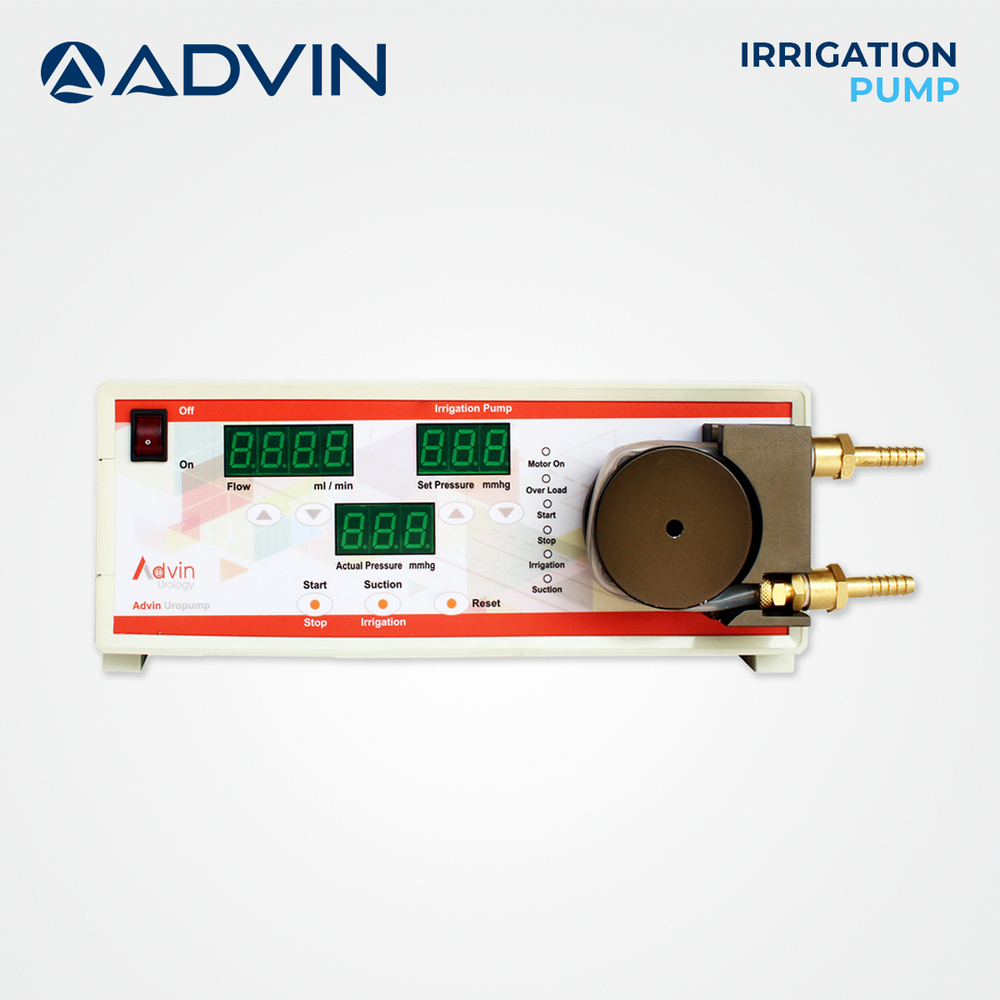
Price 1799 USD ($) / Piece
Minimum Order Quantity : 1 Piece
Material : Other, Premium Medical Grade Plastic & Metal Components
Use : Continuous and Controlled Irrigation in Urological Procedures
Real-Time Operation : Yes
Portable : Yes
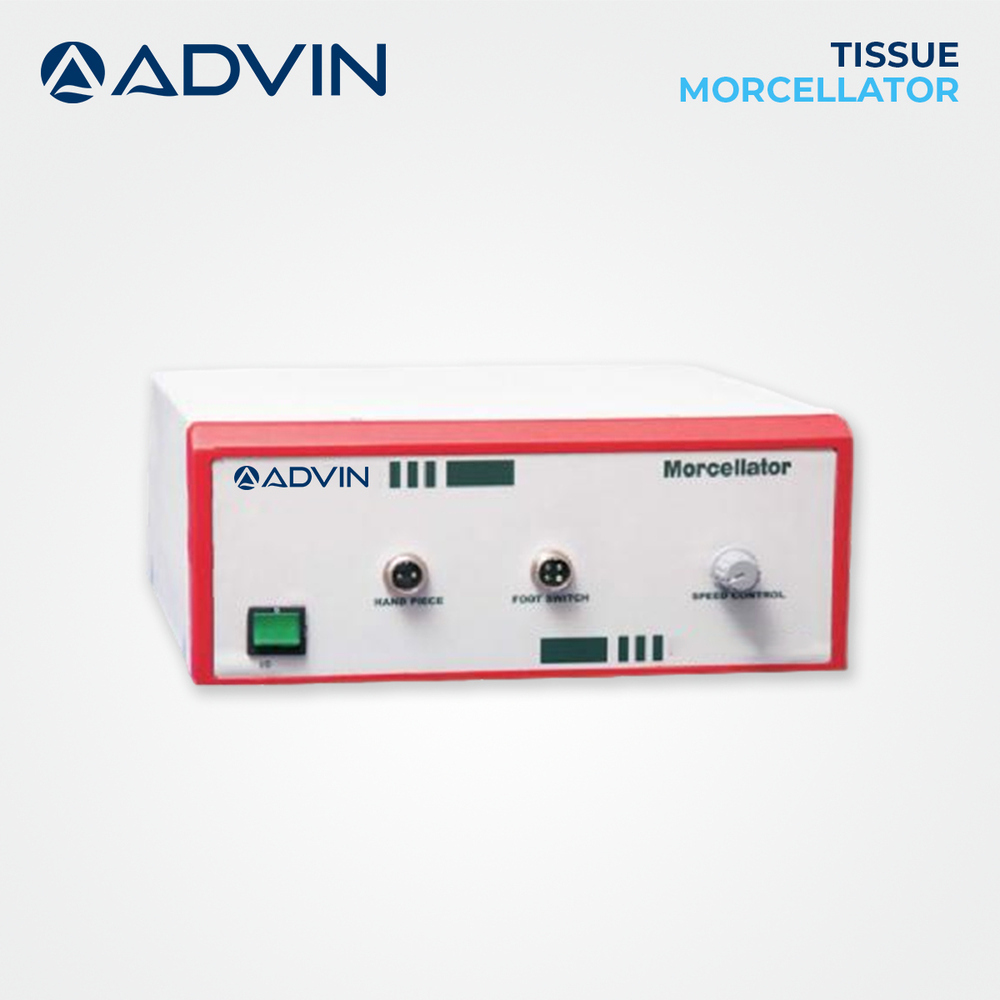
Price 12999 USD ($) / Piece
Minimum Order Quantity : 1 Piece
Material : Other
Use : Surgical Extraction of Prostate Tissue
Real-Time Operation : Yes
Portable : Yes
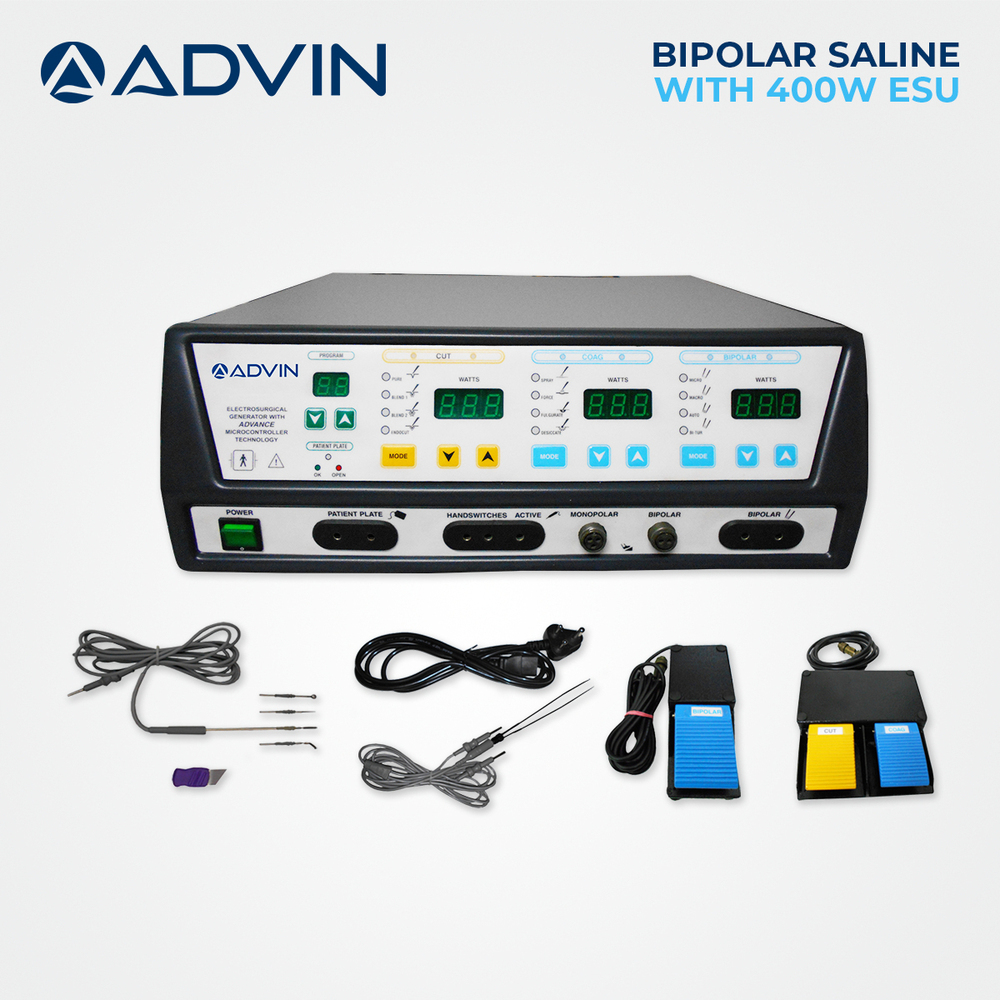
Price 3119 USD ($) / Piece
Minimum Order Quantity : 1 Piece
Material : Other
Use : Surgical cutting, coagulation, vessel sealing, bipolar resection (TURP)
Real-Time Operation : Yes
Portable : Yes
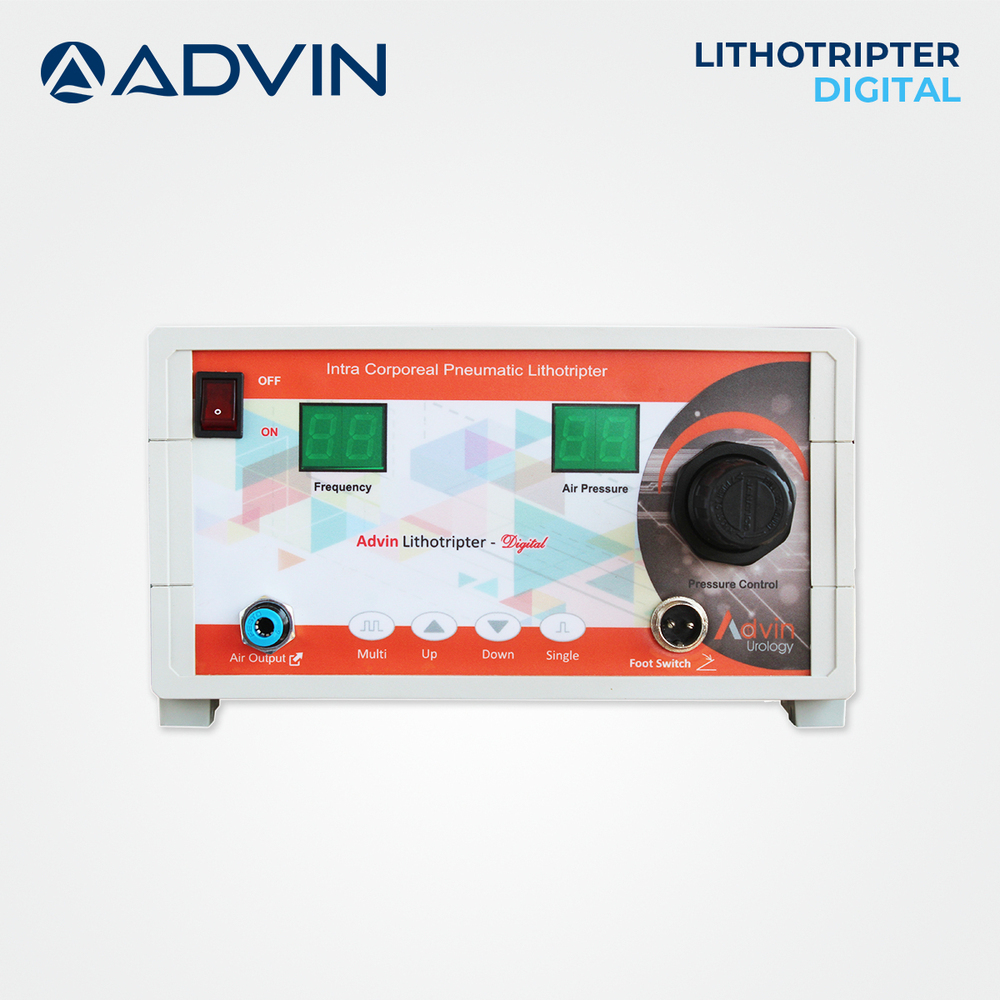
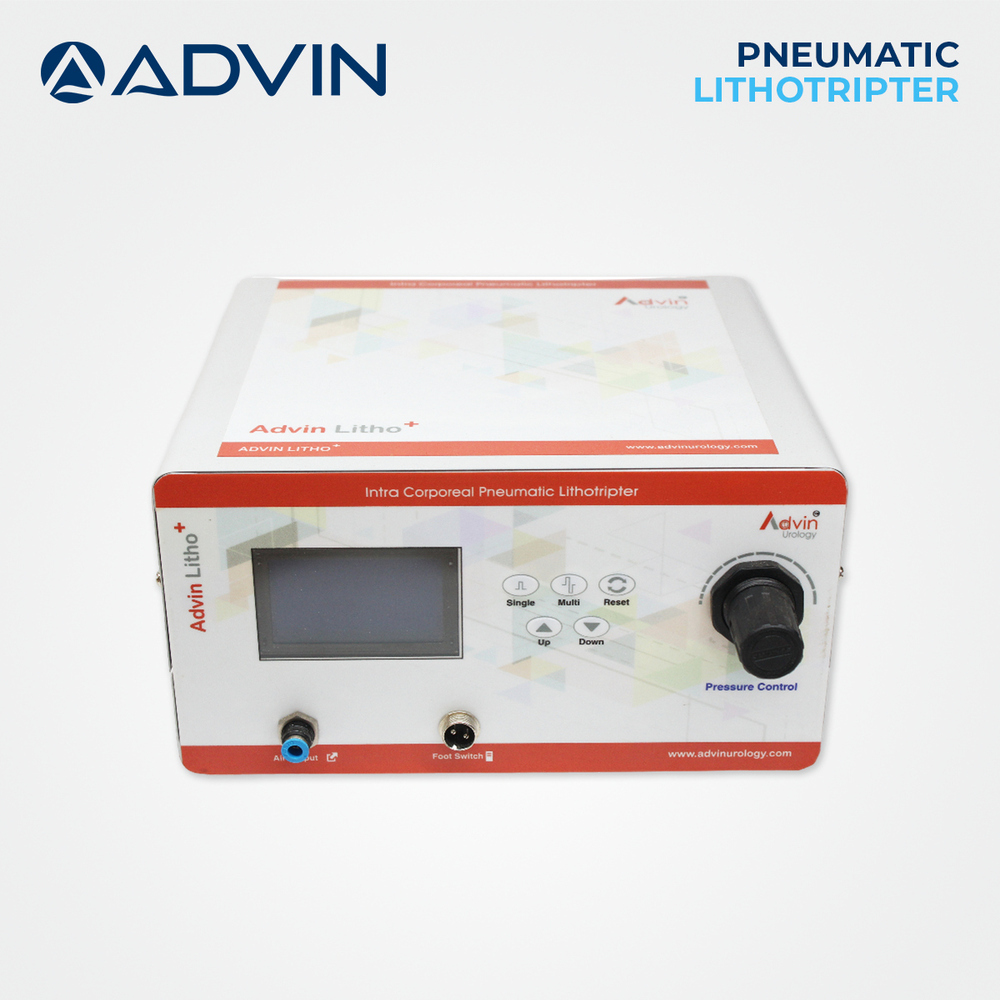
Price 1299 USD ($) / Piece
Minimum Order Quantity : 1 Piece
Material : Other
Use : Urinary stone fragmentation (Urology)
Real-Time Operation : Yes
Portable : Yes
GST : 24CTVPS5589L1ZE


 Send Inquiry

 Send Inquiry
 English
 Spanish
 French
 German
 Italian
 Chinese (Simplified)
 Japanese
 Korean
 Arabic
 Portuguese