About Left Atrium Access Needle
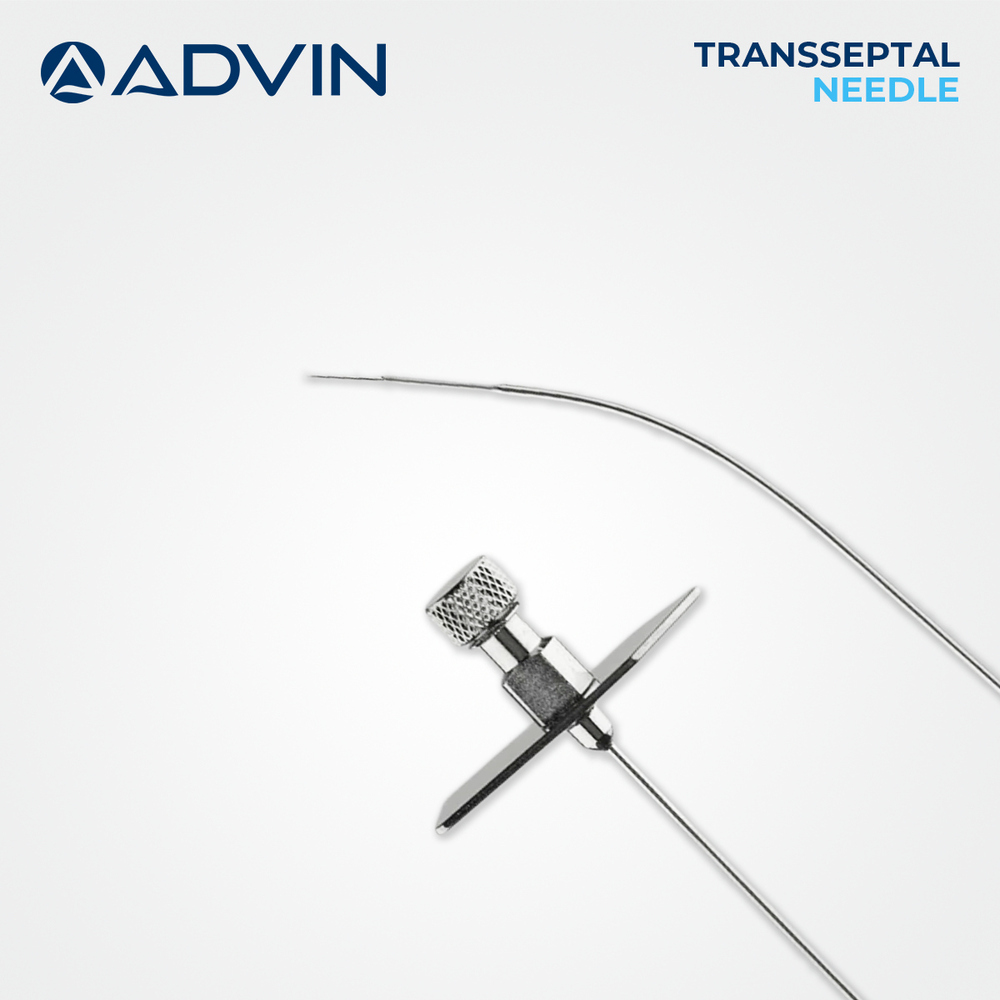
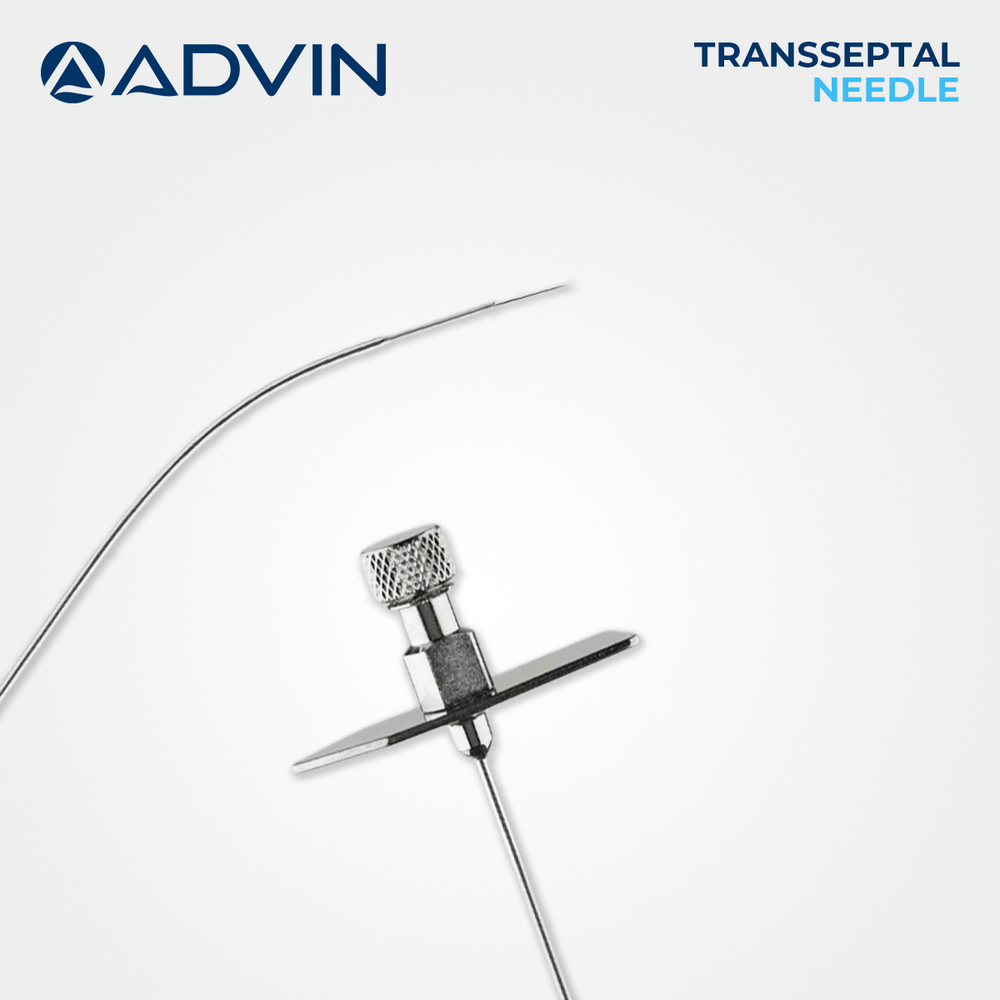
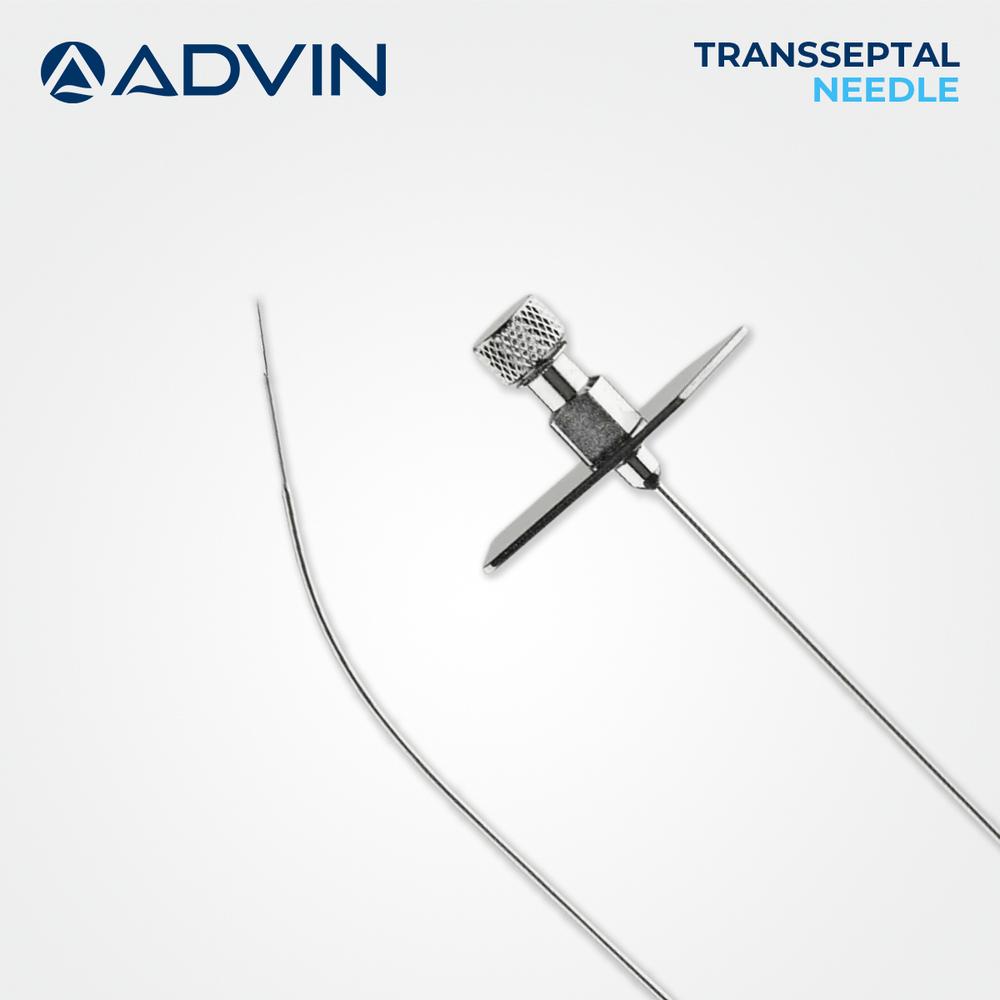
Advin Health Care Left Atrium Access Needle is designed for precise transseptal puncture to access the left atrium during cardiac procedures. It ensures controlled penetration and accurate positioning, supporting safe and effective electrophysiology and structural heart interventions.
Key Features
- Designed for transseptal access to the left atrium
- Sharp and precise tip for controlled puncture
- Provides excellent control and stability
- Compatible with transseptal sheath systems
- Radiopaque design for accurate fluoroscopic positioning
- Sterile and ready-to-use
Specifications
- Type: Transseptal Access Needle
- Application: Left atrial access procedures
- Material: Medical-grade stainless steel
- Sterilization: EO Sterilized
- Usage: Single-use / Disposable
Certifications
CE, ISO 13485, ISO 9001 Certified
Product Keywords
Left Atrium Access Needle, Transseptal Needle, Cardiac Access Needle, Septal Puncture Needle, EP Procedure Needle
, , , , .
Aguja de acceso a la aurcula izquierda, aguja transeptal, aguja de acceso cardaco, aguja de puncin septal, aguja para procedimiento electrofisiolgico
Aiguille d'accs l'oreillette gauche, aiguille transseptale, aiguille d'accs cardiaque, aiguille de ponction septale, aiguille pour procdure d'lectrophysiologie
Precision Access for Transseptal Cardiac ProceduresEngineered for optimal performance during transseptal punctures, this Left Atrium Access Needle guarantees precise entry into the left atrium, supporting success in catheter-based interventions. The bevel tip minimizes tissue trauma, while its ergonomic handle provides tactile feedback for controlled operation. Its robust construction and reliable sterilization process make it a trusted choice for surgical teams performing electrophysiology procedures.
Versatile Compatibility and Superior SafetyDesigned for easy integration into existing setups, the needle is fully compatible with standard transseptal sheaths and dilators. The single-use nature, ethylene oxide sterilization, and sterile packaging reduce infection risk and cross-contamination, promoting patient safety. The needle's X-ray compatibility aids in accurate visualization during procedures, while the material ensures durability and dependable performance.
FAQ's of Left Atrium Access Needle:
Q: How is the Left Atrium Access Needle sterilized before use?
A: The needle is sterilized using ethylene oxide, ensuring it is free from contaminants before packaging. Each unit is individually packed to maintain sterility until it is opened for the procedure.
Q: What types of procedures is this access needle intended for?
A: This needle is designed for transseptal cardiac procedures, especially for gaining left atrial access during electrophysiology studies and other catheter-based interventions requiring atrial puncture.
Q: When should the Left Atrium Access Needle be used?
A: The needle should be used during surgical or interventional procedures that require precise, safe entry into the left atrium, such as ablations or mitral valve interventions. It is intended for single-use and should be operated by trained professionals.
Q: Where can the Left Atrium Access Needle be stored to ensure optimal performance?
A: It should be stored in a cool, dry place away from direct sunlight to preserve the integrity of the packaging and maintain the sterility and sharpness of the needle until use.
Q: What benefits does the bevel tip and ergonomic handle provide?
A: The bevel tip allows for precise, controlled puncture with minimal tissue trauma, while the ergonomic Luer lock handle provides comfortable, stable handling, improving accuracy and operator confidence.
Q: Is this needle compatible with standard transseptal sheaths and dilators?
A: Yes, it is engineered for compatibility with standard transseptal sheaths and dilators, enabling seamless integration into a variety of procedural setups and workflows.
Q: What is the shelf life and disposal process for this product?
A: The needle has a shelf life of up to five years in its unopened packaging. After use, it should be disposed of as a single-use, medical-grade sharp according to hospital safety protocols.

 Send Inquiry




 Send Inquiry

 Send Inquiry
 English
 Spanish
 French
 German
 Italian
 Chinese (Simplified)
 Japanese
 Korean
 Arabic
 Portuguese