About Low Resistance Insertion Sheath
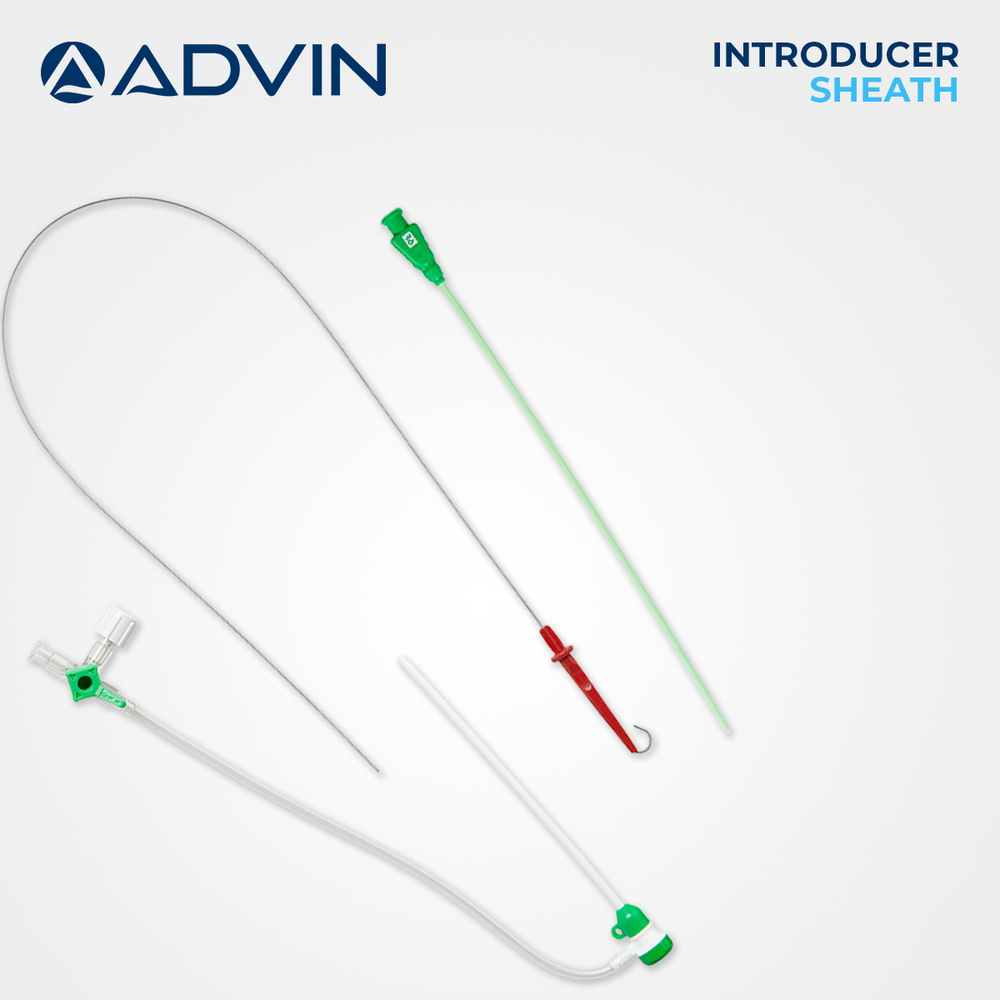
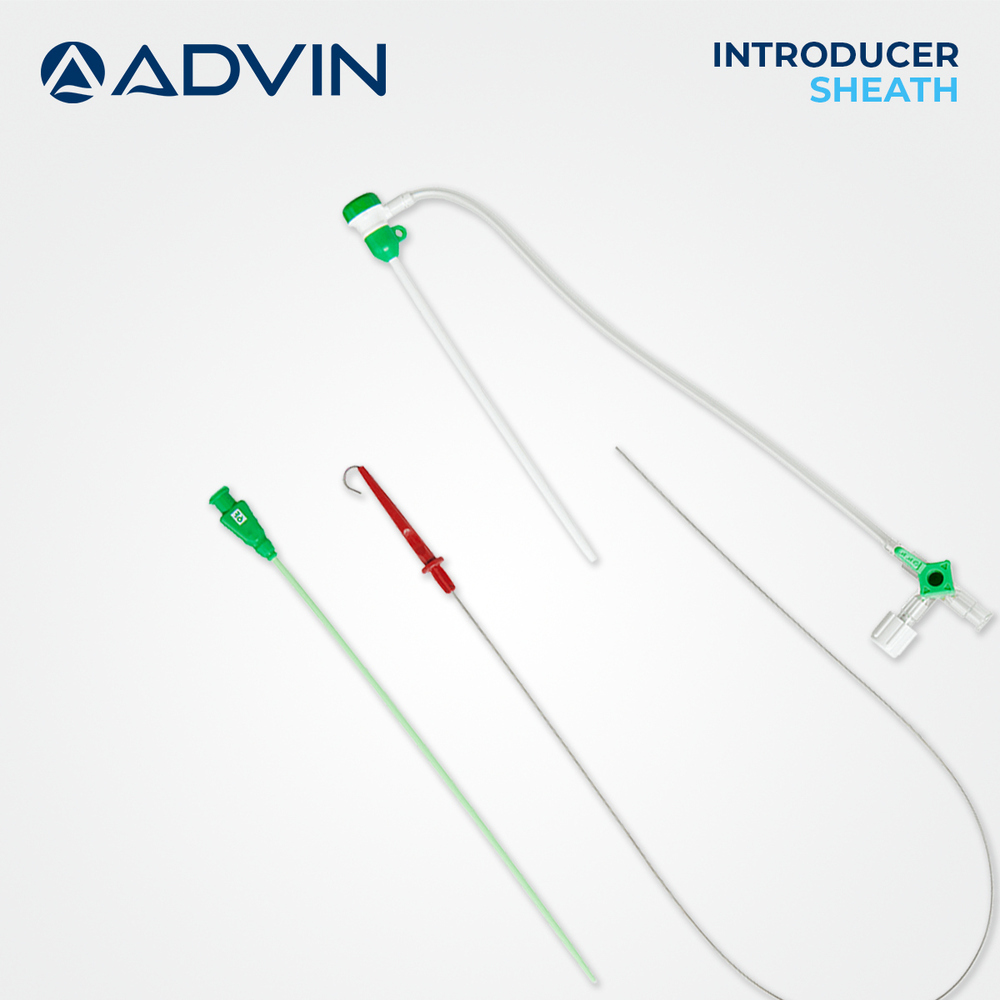
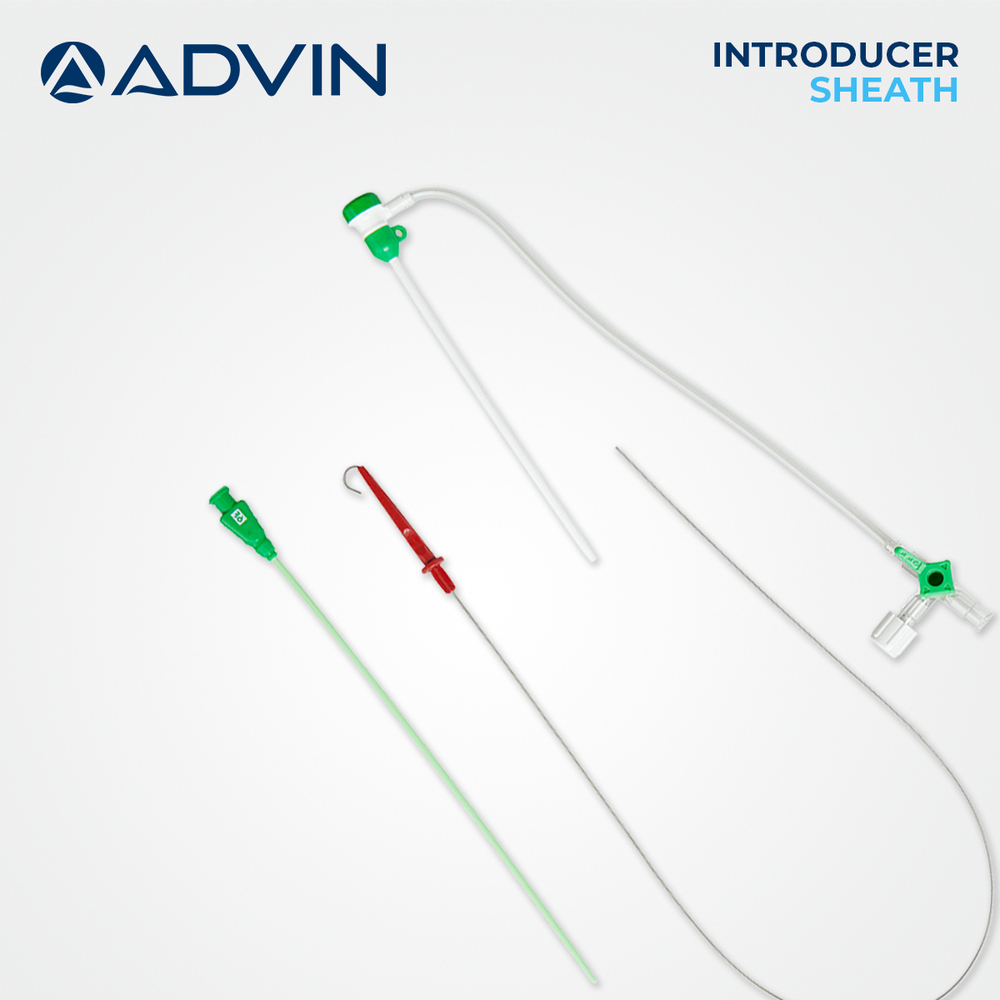
Advin Health Care Low Resistance Insertion Sheath is designed to enable smooth and effortless vascular access with minimal insertion resistance. It ensures easy device passage, reduced friction, and reliable performance during diagnostic and interventional procedures.
Key Features:
- Low resistance design for smooth and easy insertion
- Minimizes friction during device advancement
- Facilitates effortless passage of interventional tools
- Integrated hemostatic valve for controlled blood flow
- Provides stable and reliable vascular access
- Compatible with standard interventional systems
Certifications:
CE, ISO 13485, ISO 9001 Certified
Product Keywords:
Low Resistance Insertion Sheath, Introducer Sheath, Vascular Access Sheath, Hemostatic Sheath, Interventional Access Device
, , , , .
Vaina de insercin de baja resistencia, vaina introductora, vaina de acceso vascular, vaina hemosttica, dispositivo de acceso intervencionista
Gaine d'insertion faible rsistance, gaine d'introduction, gaine d'accs vasculaire, gaine hmostatique, dispositif d'accs interventionnel
Safe and Efficient Vascular AccessEngineered with a soft, tapered tip and made from high-grade polymers, the Low Resistance Insertion Sheath ensures reduced vascular trauma and high patient safety. The sheath's flexible, kink-resistant design provides ease of manipulation, ensuring smooth insertion even in complex procedures.
Precision and CompatibilityThis sheath features an integrated radiopaque marker for real-time, accurate placement under imaging guidance. Its universal Luer Lock connector and multiple size options optimize compatibility with a broad array of guide wires and catheters, enhancing procedural versatility for clinicians.
Sterility and ConvenienceEvery insertion sheath is individually packed in a sterile blister, maintaining product safety and minimizing infection risk. The single-use, disposable nature, along with a generous 5-year shelf life, ensures availability and ease of stock management in diverse clinical settings.
FAQ's of Low Resistance Insertion Sheath:
Q: How is the Low Resistance Insertion Sheath used during medical procedures?
A: This sheath is inserted manually into veins, arteries, or body cavities to provide a pathway for medical devices. Its soft, tapered tip and kink-resistant body enable easy, low-resistance advancement while minimizing trauma to vessel walls.
Q: What benefits does the radiopaque marker provide?
A: The integrated radiopaque marker enables clinicians to verify the sheath's position in real time using imaging systems, greatly enhancing placement accuracy and procedural safety.
Q: When should the Low Resistance Insertion Sheath be used?
A: It is ideal for use in interventional and vascular procedures that require access to blood vessels or body cavities, such as catheterization or device delivery, typically performed in hospital or clinical settings.
Q: Where should the insertion sheath be stored for optimal preservation?
A: Store the sheath in a cool, dry environment away from direct sunlight to preserve sterility and maximize its 5-year shelf life.
Q: What makes this sheath compatible with various devices?
A: Its Luer Lock connector ensures secure attachment to a wide range of guide wires and catheters, making it highly adaptable for different interventional or diagnostic procedures.
Q: How does the sheath minimize vascular trauma during insertion?
A: The soft, tapered tip is specifically designed to glide smoothly into vessels, reducing resistance and the risk of injury to vessel walls during entry.
Q: What are the available size options and can the sheath be customized?
A: Standard sizes include 5Fr, 6Fr, 7Fr, and 8Fr, with options for customized dimensions to suit specific procedural requirements.

 Send Inquiry



 Send Inquiry

 Send Inquiry
 English
 Spanish
 French
 German
 Italian
 Chinese (Simplified)
 Japanese
 Korean
 Arabic
 Portuguese