About Medical Stripped Guide Wire
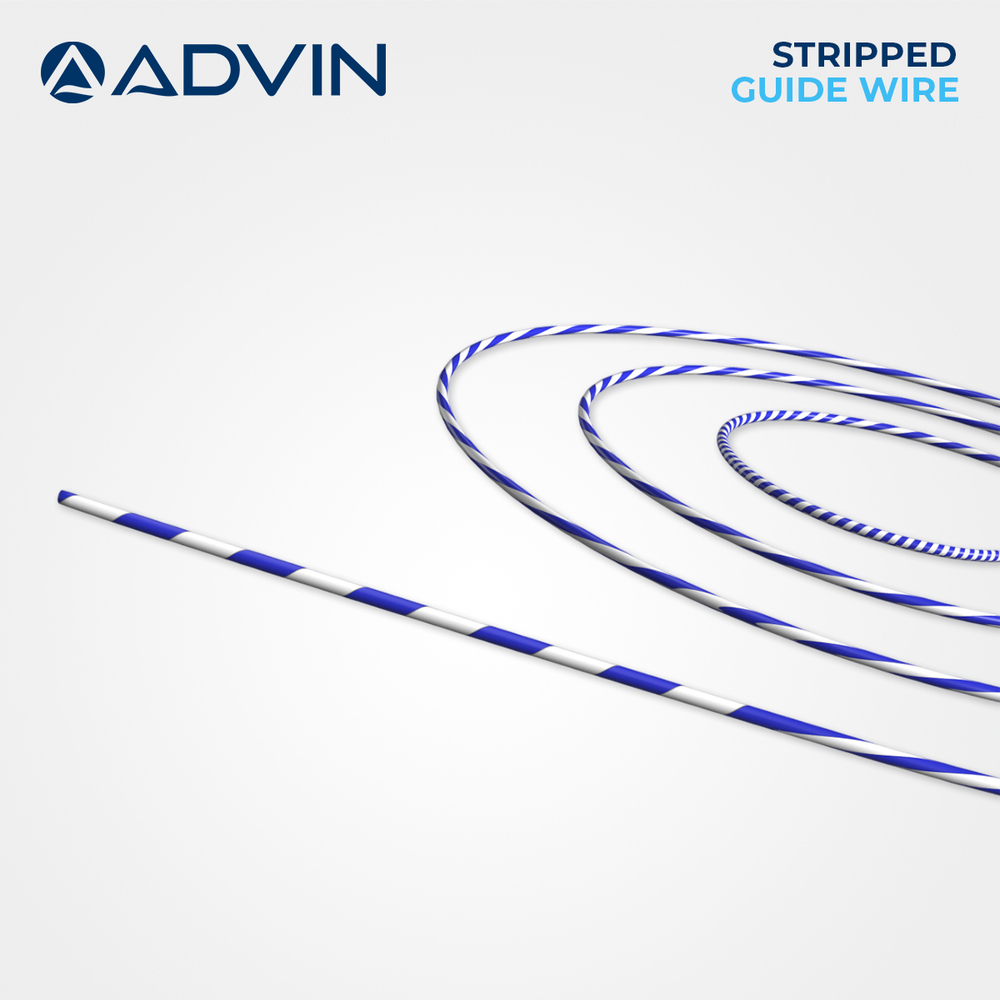
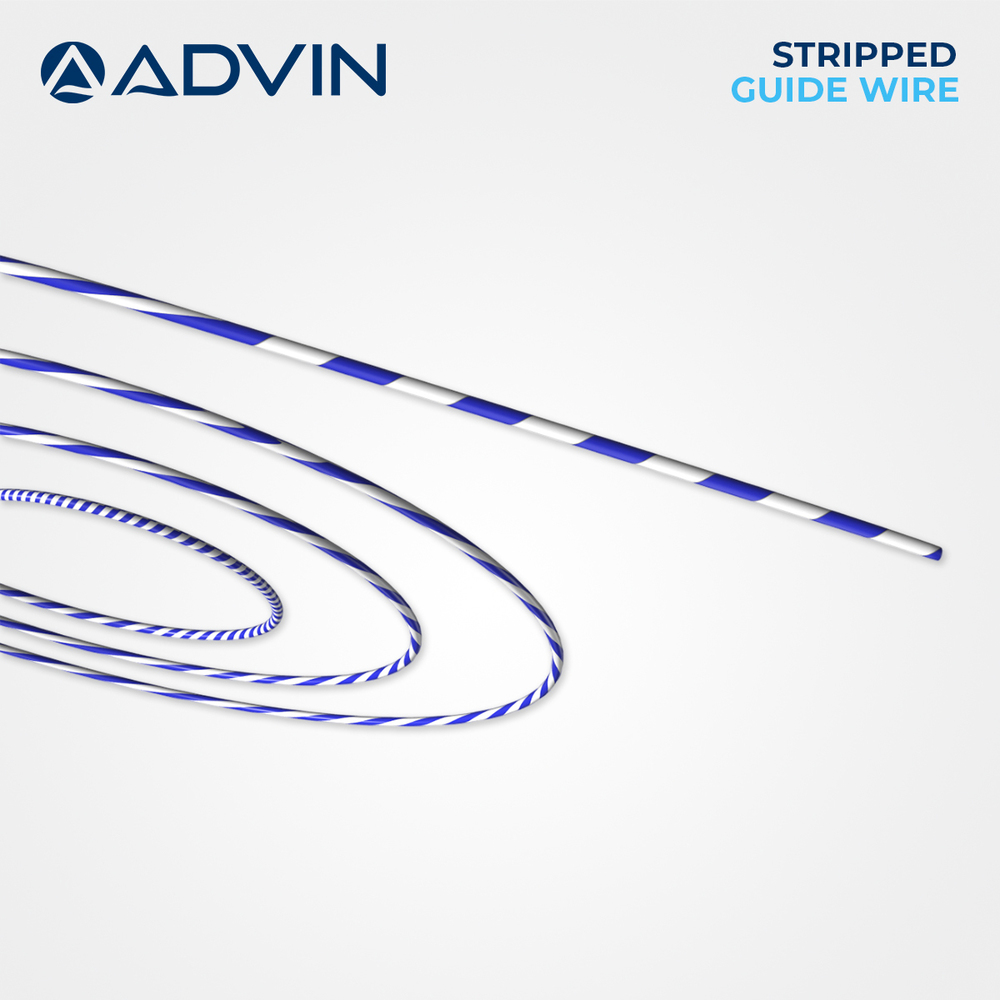
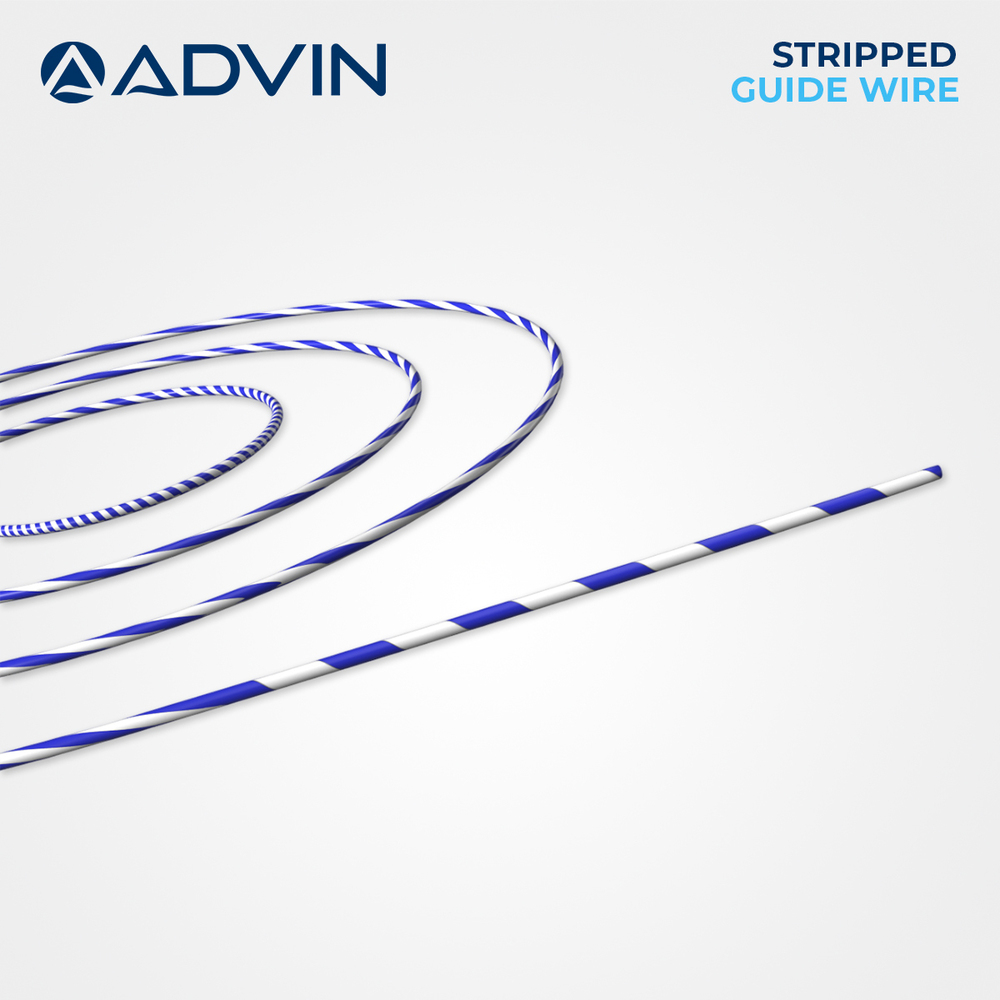
Advin Health Care is a trusted manufacturer of Medical Stripped Guide Wires designed to meet international quality standards. These guide wires feature a stripped distal section that enhances tactile feedback and control, allowing clinicians to achieve precise navigation and stable positioning during vascular access and interventional procedures.
Key Features
- Stripped distal segment for improved tactile response
- Smooth surface for efficient device tracking
- Balanced flexibility and support for controlled navigation
- Atraumatic tip design to minimize vessel injury
Specifications
- Type: Medical Stripped Guide Wire
- Surface: Standard / PTFE-coated options available
- Tip Options: Straight / J-tip (optional)
- Usage: Single-use / Sterile
- Application: Vascular access and interventional procedures
Certifications
CE, ISO 13485, and ISO 9001 certified
Product Keywords
Medical Stripped Guide Wire, Stripped Guidewire, Vascular Guide Wire, Access Guide Wire, Interventional Guidewire
, , , , .
Gua mdica pelada, gua pelada, gua vascular, gua de acceso, gua intervencionista
Fil guide mdical dnud, fil guide dnud, fil guide vasculaire, fil guide d'accs, fil guide interventionnel
Versatile Application for Medical ProceduresDesigned to facilitate the insertion of medical devices, this stripped guide wire is ideal for vascular and non-vascular interventions. The flexible, kink-resistant construction enables seamless progress through tortuous anatomy, while the radiopaque tip ensures precise placement under X-ray imaging.
Precision and Safety EnhancedBuilt with high-precision technology and PTFE coating, the guide wire offers superior lubricity for reduced friction, minimizing vessel trauma. Medical-grade, latex-free materials ensure biocompatibility, while the sterile blister packaging supports safe, convenient use in clinical settings.
Customizable for Clinical NeedsWith options for straight or angled tips, multiple diameters, and lengths up to 150 cm, this guide wire adapts readily to diverse procedural requirements. The ultra-lightweight, disposable design streamlines handling and maintains sterility, contributing to efficient, accurate procedures.
FAQ's of Medical Stripped Guide Wire:
Q: How is the Medical Stripped Guide Wire typically used during procedures?
A: The guide wire is employed to navigate and provide a pathway for the insertion of medical devices within vascular or non-vascular systems. Its high lubricity, soft distal tip, and kink-resistant design enable safe maneuvering through arteries, veins, or other anatomical channels under X-ray visualization.
Q: What are the benefits of the PTFE coating on the guide wire?
A: PTFE coating delivers superior lubricity, enabling smooth advancement with minimal resistance and reduced risk of vessel trauma. It also enhances the durability of the guide wire, ensures a consistent feel during navigation, and supports sterile, single-use handling.
Q: When should I use a straight or an angled tip on the guide wire?
A: The choice between a straight or angled tip depends on procedural requirements. Angled tips are ideal for navigating challenging or tortuous anatomies, while straight tips are typically used in less complex pathways. Tip configurations can be customized to meet specific clinical scenarios.
Q: Where should the Medical Stripped Guide Wire be stored before use?
A: It should be kept in its original blister packaging in a cool, dry environment away from direct sunlight to maintain its sterility and shelf life of up to five years.
Q: What makes this guide wire suitable for single use and safe handling?
A: Each guide wire is sterilized using ethylene oxide and individually packaged to ensure sterility for each procedure. The product's disposable design eliminates cross-contamination risks, promoting patient safety and compliance with clinical guidelines.
Q: How does the radiopaque tip improve procedural accuracy?
A: The radiopaque tip allows clinicians to clearly visualize the position of the wire under X-ray imaging, ensuring accurate placement and reducing the likelihood of procedural errors during complex interventions.
Q: What diameter and length options are available for this guide wire?
A: Standard diameter is 0.035 inch (0.89 mm), but other diameters and lengths, such as up to 150 cm, can be supplied upon request to suit a variety of procedural requirements.

 Send Inquiry





 Send Inquiry

 Send Inquiry
 English
 Spanish
 French
 German
 Italian
 Chinese (Simplified)
 Japanese
 Korean
 Arabic
 Portuguese