About Mullin Introducer sheath
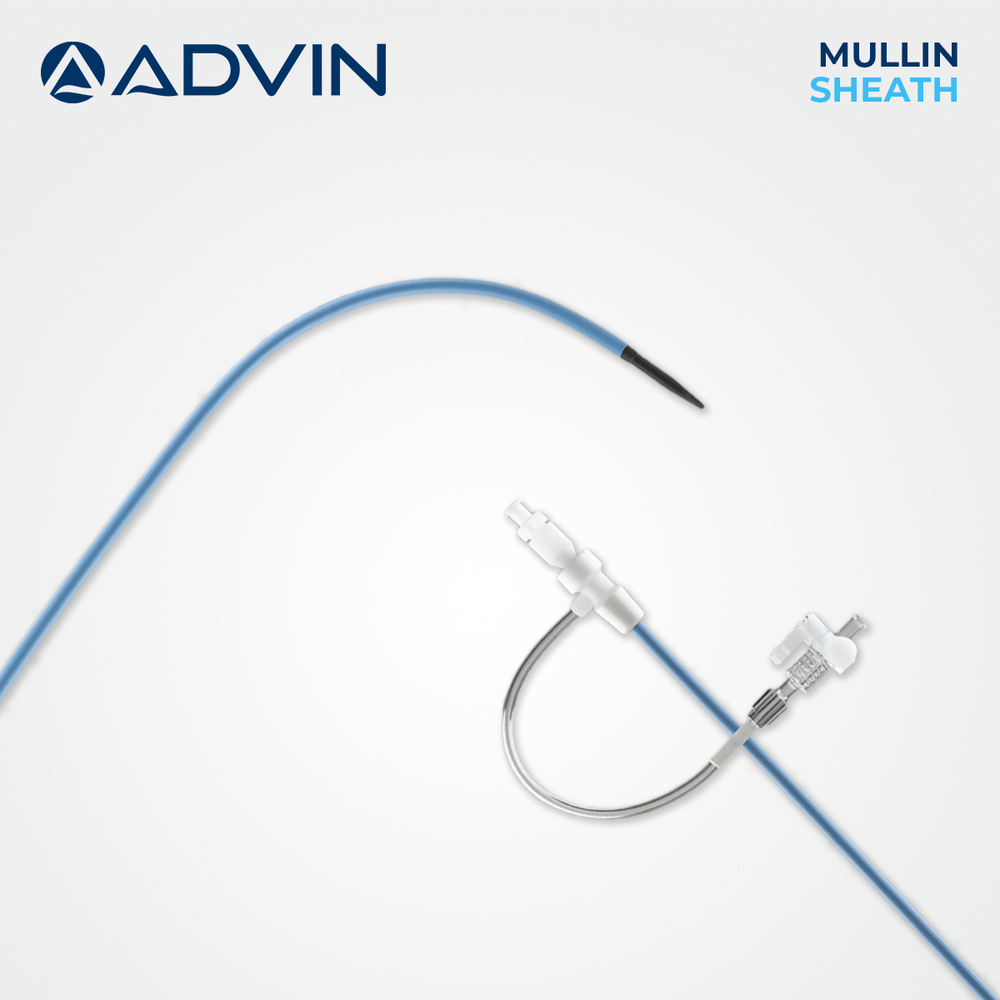
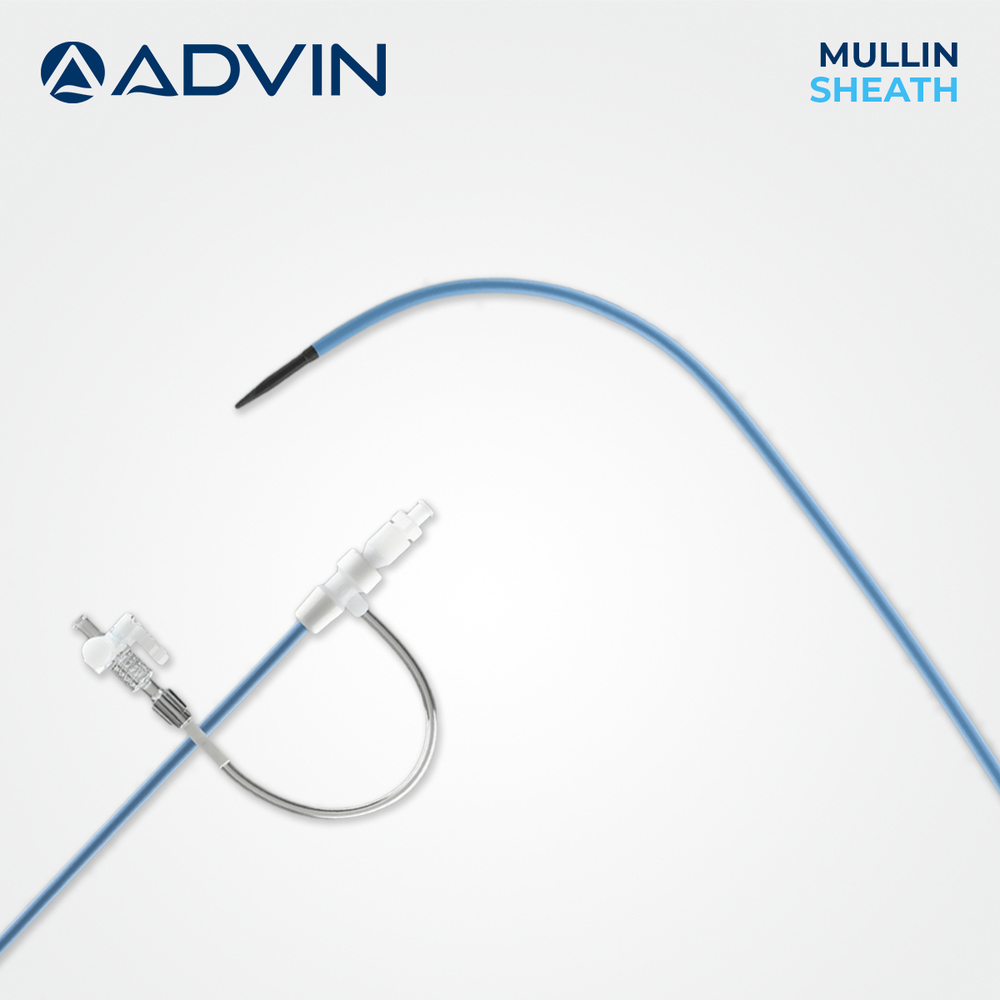
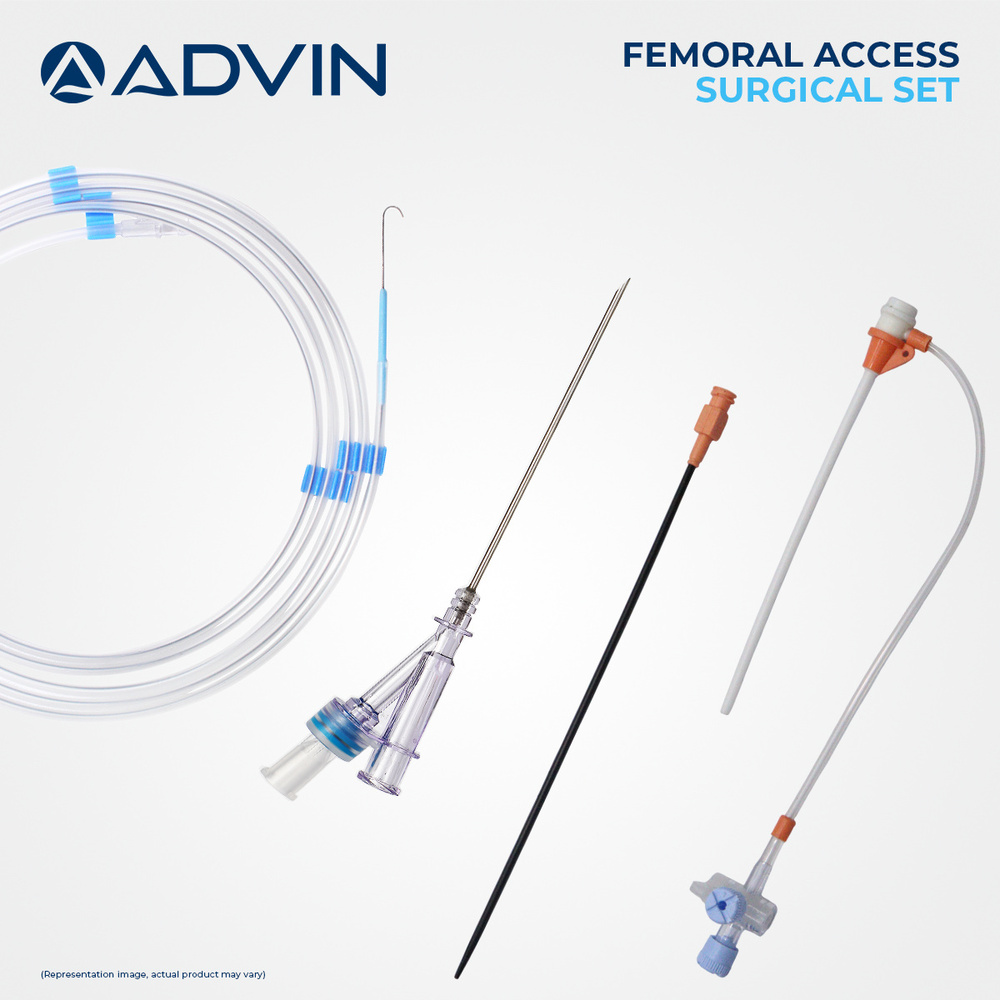
Mullin Introducer sheath can be used to introduce catheters or other devices to perform endoluminal (inside the hollow organ) procedures, such as angioplasty. Fluoroscopy may be used to confirm the position of the catheter and to manoeuvre it to the desired location. Injection of radiocontrast may be used to visualize organs. Interventional procedures, such as thermoablation, angioplasty, embolization or biopsy, may be performed..Advanced Features:Smooth passing of guide wire to DilatorKink ResistantMinimum resistance smooth taperEnhanced TipSterile ETOCertifications
We are certified with CE, ISO 13485, and ISO 9001 standards.
Product Keywords
Mullin Introducer Sheath, Vascular Introducer Sheath, Interventional Sheath, Coronary Access Sheath, Peripheral Intervention Sheath, Catheter Introducer Sheath
, , , , ,
Vaina introductora Mullin, vaina introductora vascular, vaina de intervencin, vaina de acceso coronario, vaina de intervencin perifrica, vaina introductora de catter
Gaine d'introduction de Mullin, gaine d'introduction vasculaire, gaine interventionnelle, gaine d'accs coronaire, gaine d'intervention priphrique, gaine d'introduction de cathter
Precision and Safety in Vascular AccessEngineered for minimally invasive vascular procedures, the Mullin Introducer Sheath prioritizes patient safety with its atraumatic, soft-tapered tip and kink-resistant design. Its compatibility with standard guidewires and major interventional devices enables clinicians to navigate complex vessels easily, reducing risk and enhancing procedural efficiency.
Designed for Ease of UseThe ergonomic, color-coded hub simplifies sheath identification and handling, allowing for swift French size selection and improved workflow in the cath lab. With a built-in hemostasis valve to reduce blood loss and a smooth insertion profile, this introducer sheath supports precise device placement while minimizing patient discomfort.
FAQ's of Mullin Introducer sheath:
Q: How is the Mullin Introducer Sheath used during vascular procedures?
A: The Mullin Introducer Sheath is inserted into a blood vessel to provide safe access and navigation for catheters and other devices. The atraumatic, soft-tapered tip and kink-resistant build help ensure vessel integrity, making it suitable for both routine and complex vascular interventions.
Q: What French sizes and lengths are available for this sheath, and how do I select the right one?
A: The sheath is offered in multiple French sizes (commonly 4F to 9F) and lengths ranging from 11 cm to 25 cm. Selection depends on the size of the device to be introduced and the targeted vessel, with the color-coded hub assisting in quick and accurate identification.
Q: When should the Mullin Introducer Sheath be used in a clinical setting?
A: It is used whenever vascular access is required for introducing catheters or other interventional devices, such as in diagnostic angiography or minimally invasive endovascular procedures. Its optimized flexibility allows for use in both straightforward and tortuous anatomy.
Q: What steps are involved in the introduction process?
A: After vascular access is established, the sheath, preloaded with a dilator, is advanced over a compatible guidewire into the vessel. The dilator and guidewire are then withdrawn, leaving the sheath in place to facilitate device insertion while reducing blood loss thanks to its hemostasis valve.
Q: Where should the Mullin Introducer Sheath be stored before use?
A: Store the sheath in its unopened packaging in a cool, dry place, away from direct sunlight, to maintain sterility and integrity. Proper storage ensures a shelf life of 3-5 years.
Q: What are the key benefits of using this particular introducer sheath?
A: Users benefit from enhanced vessel protection, ease of device insertion, reduced blood loss, high precision fit, and compatibility with a comprehensive range of guidewires and interventional tools. Its lightweight, single-use nature also minimizes cross-contamination risk and supports efficient workflow.
Q: Is the sheath suitable for real-time operation and how portable is it?
A: Yes, the sheath allows real-time vascular access introduction and is designed to be lightweight and portable, making it ideal for use across different procedure rooms or during patient transfers.

 Send Inquiry



 Send Inquiry

 Send Inquiry
 English
 Spanish
 French
 German
 Italian
 Chinese (Simplified)
 Japanese
 Korean
 Arabic
 Portuguese