About Needle Knife
Working Length: 170 cm
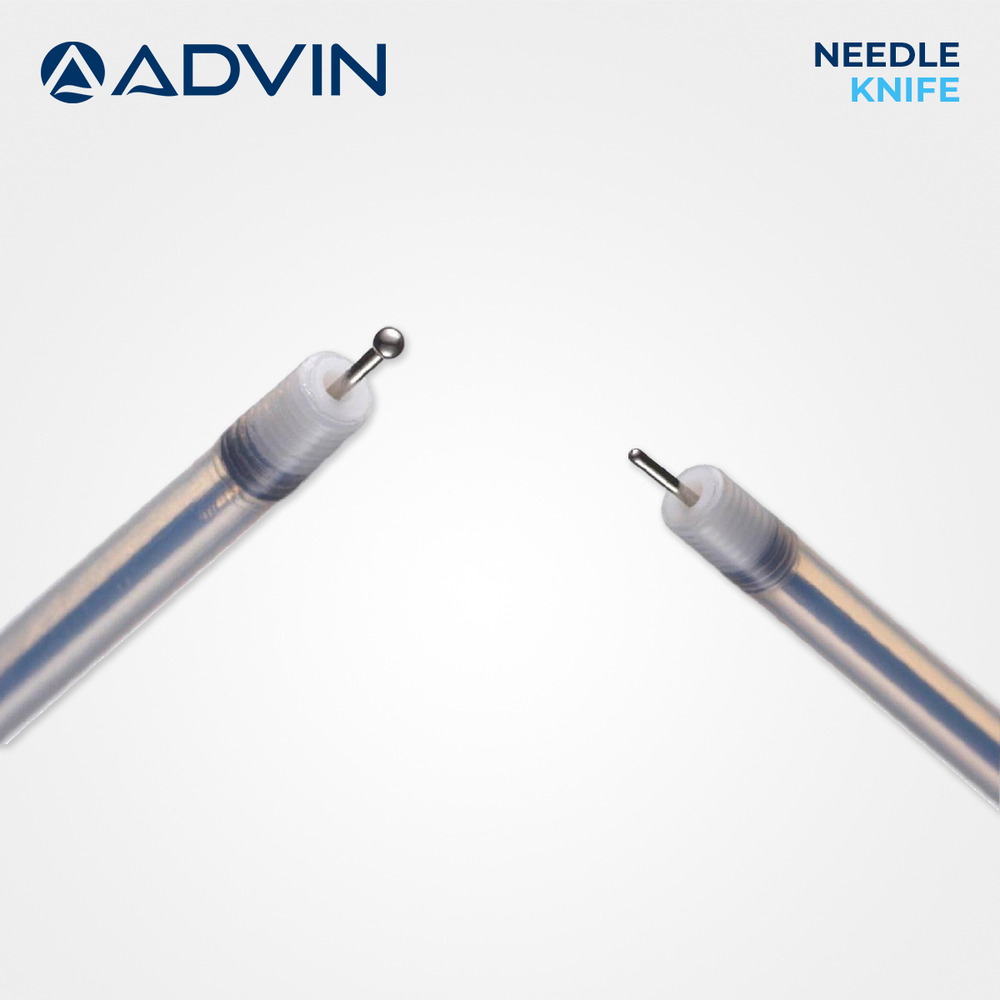
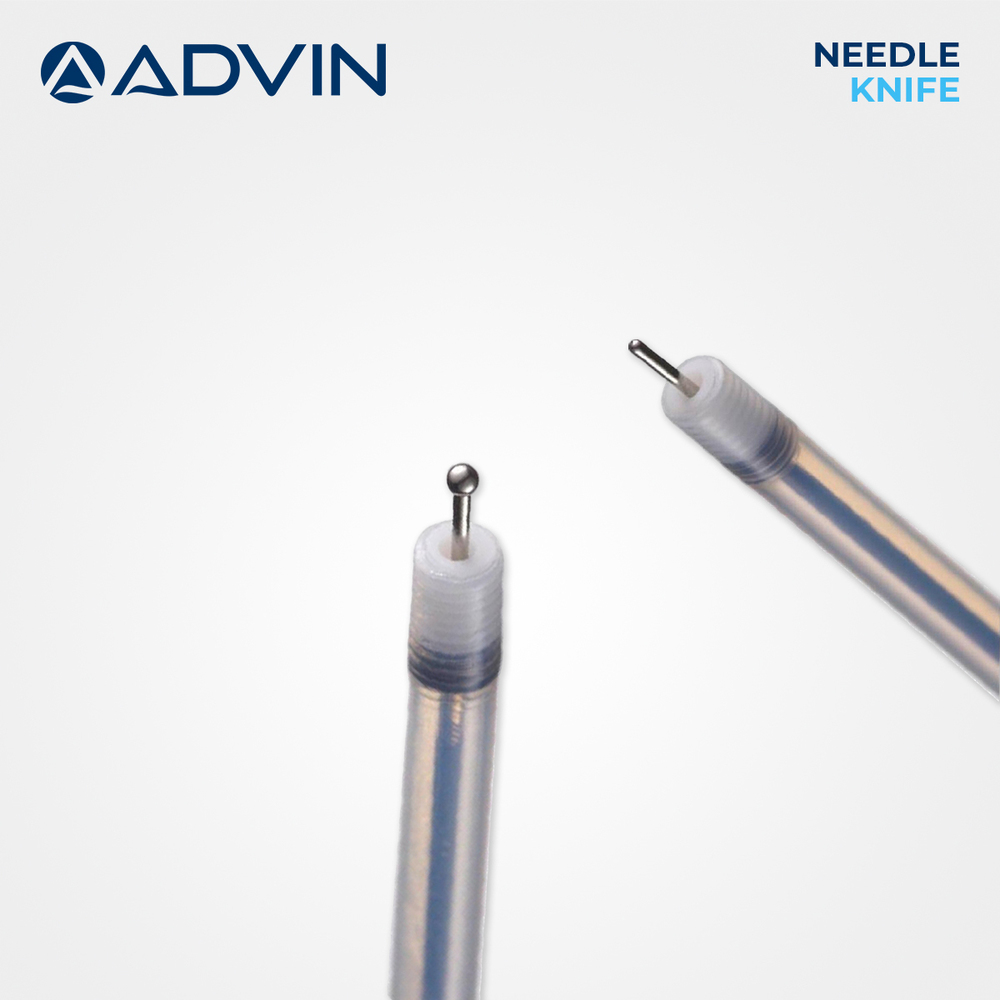
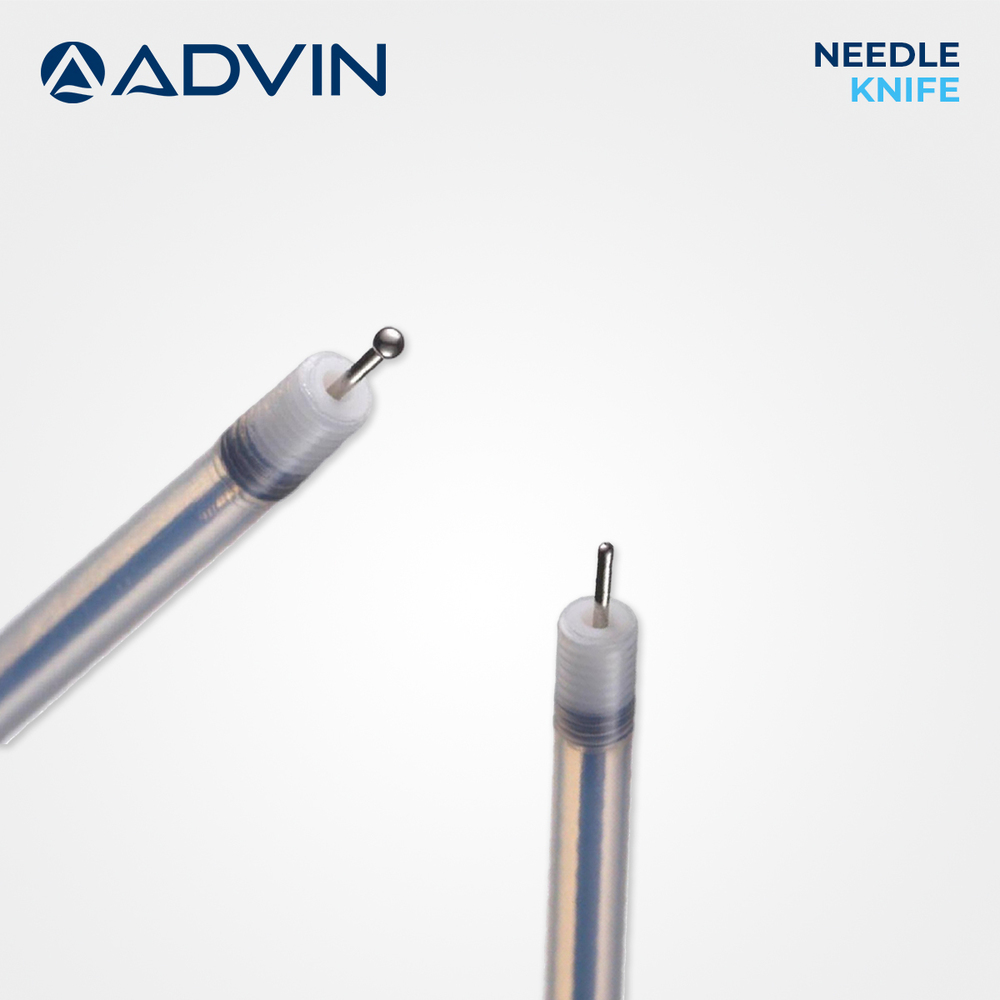
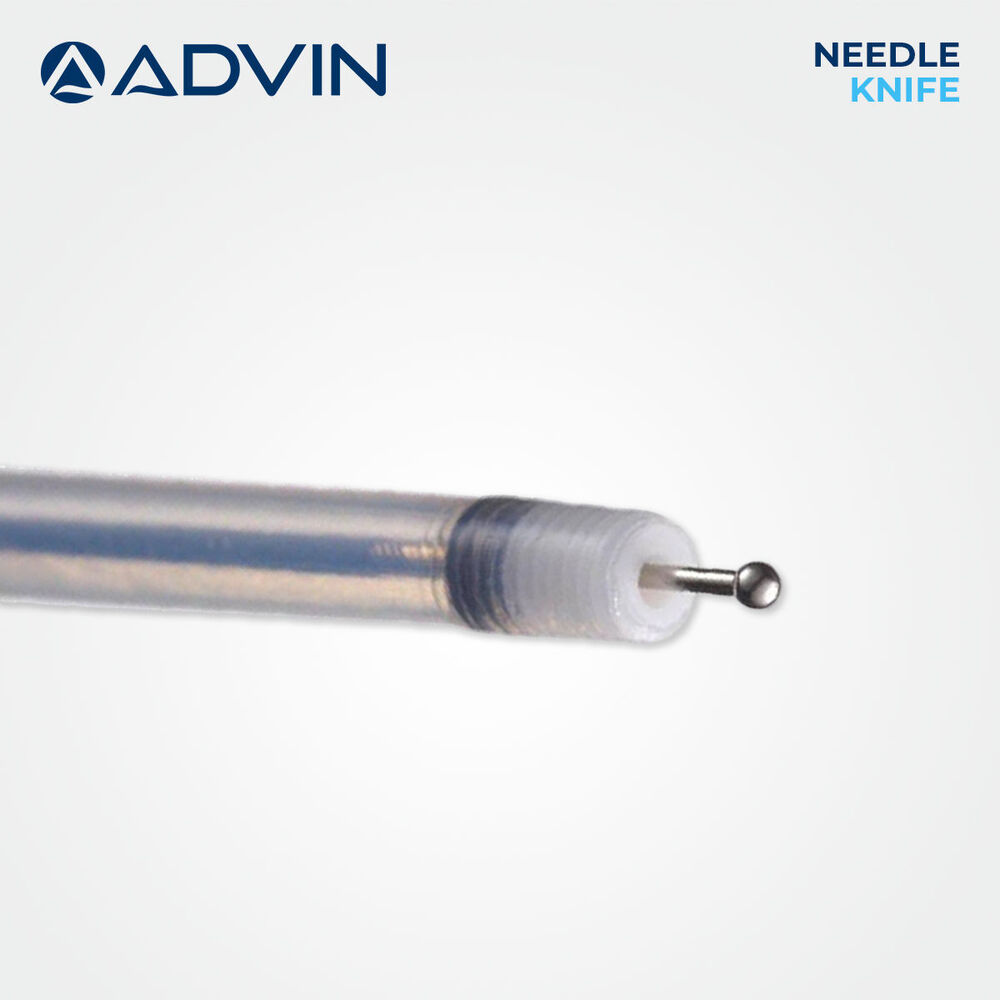
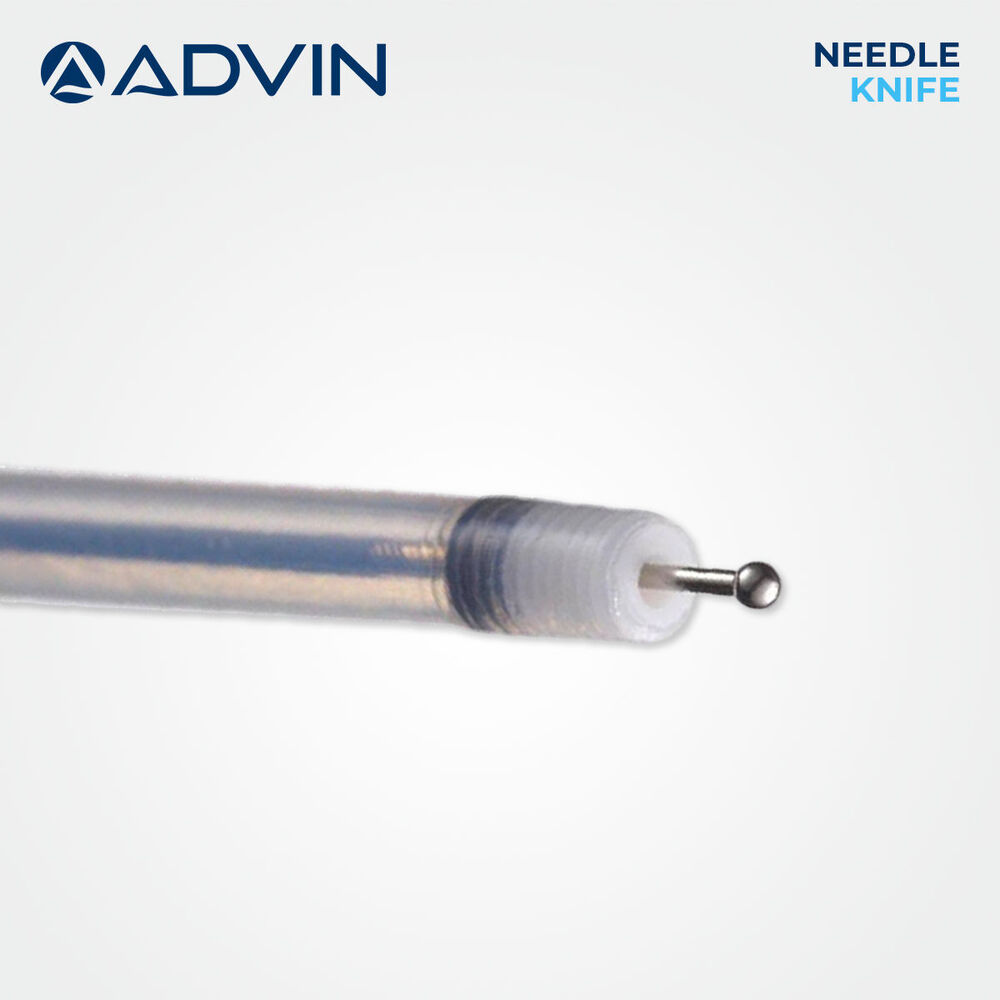
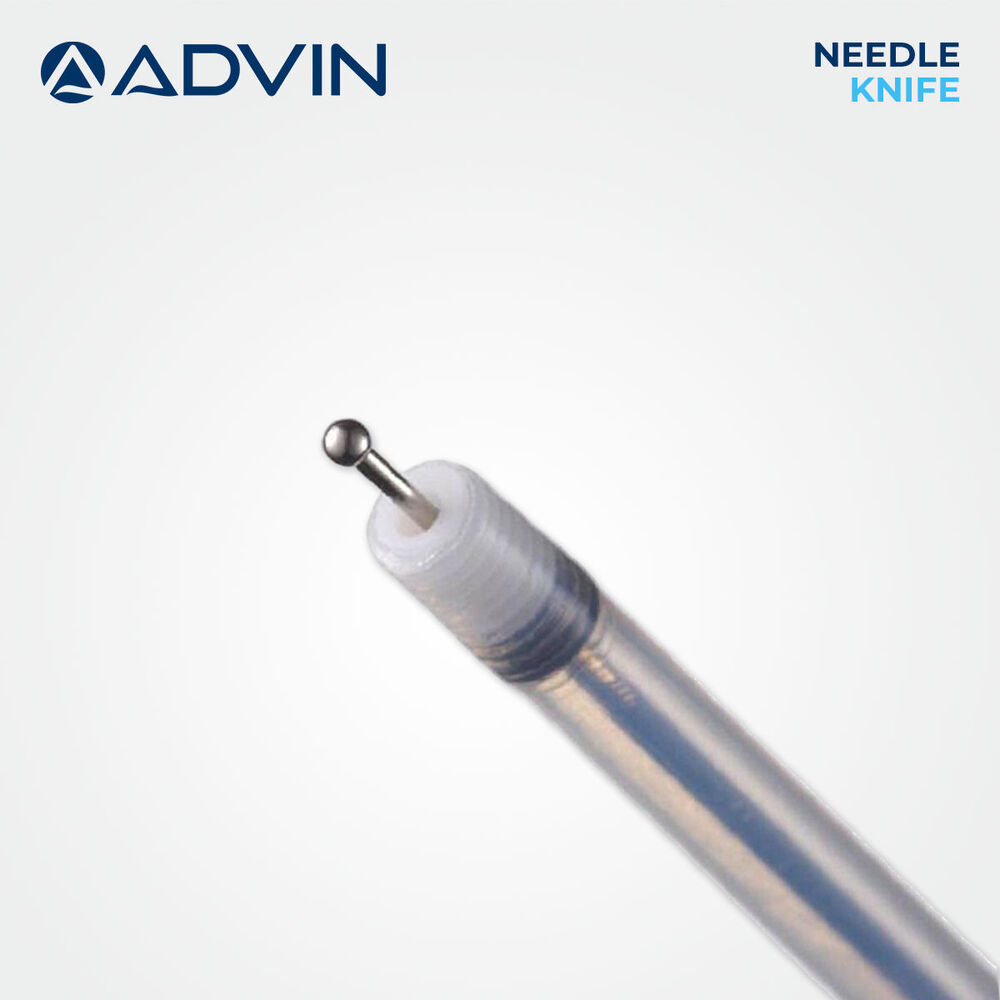
Precision and Control for MicrosurgeryEngineered for intricate procedures, the needle knife excels in providing steady control with its knurled handle and sharp needle point. Its high accuracy is ideal for the delicate demands of microsurgery, ensuring precision in fine tissue dissection and minimizing trauma to surrounding areas.
Durable, Reusable, and Easy to SterilizeConstructed from corrosion-resistant stainless steel, the needle knife is both robust and lightweight. Designed for repeated use, it can be safely sterilized in an autoclave, enabling reliable performance across medical, surgical, and research settings. Routine care and proper storage extend its effective lifespan.
Versatile Application Across SettingsThis instrument finds utility in a variety of environments, including hospitals, laboratories, and academic research facilities. Its portability and silent, hand-operated mechanism make it suitable for procedures that demand minimal disruption and high precision, whether in biological research or fine surgical tasks.
Also Known As: Endoscopic Needle Knife, Needle Knife Papillotome, ERCP Needle Knife Sphincterotome, Precut Needle Knife, Endoscopic Electrosurgical Needle Knife
Cuchillo de Aguja Endoscópico, Papilótomo de Aguja, Esfinterótomo de Aguja para ERCP, Cuchillo de Aguja Precut, Cuchillo Electrocirúrgico Endoscópico
Couteau à Aiguille Endoscopique, Papillotome à Aiguille, Sphinctérotome à Aiguille pour ERCP, Couteau à Aiguille Precut, Couteau Électrochirurgical Endoscopique
سكين إبرة تنظيري، بابيلوتوم إبرة، مبضع مصرة بإبرة لإجراء ERCP، سكين إبرة للقطع المسبق، سكين كهربائي تنظيري
Игла-нож ÑндоÑкопичеÑкий, Игольчатый папиллотом, Игольчатый Ñфинктеротом Ð´Ð»Ñ ERCP, Игла-нож Ð´Ð»Ñ Ð¿Ñ€ÐµÐºÑƒÑ‚Ð°, ÐндоÑкопичеÑкий ÑлектрохирургичеÑкий игла-нож
FAQs of Needle Knife:
Q: How should the needle knife be cleaned and sterilized before use?
A: The needle knife is non-sterile when delivered, so it must be sterilized prior to use. For effective cleaning and sterilization, wash thoroughly and then autoclave the instrument at the recommended cycle, as its stainless steel construction is autoclavable. Ensure it is completely dry before storage.Q: What benefits does the knurled handle provide during operation?
A: The knurled handle enhances grip and stability, allowing users to maintain precise control even during delicate procedures. This ergonomic design reduces hand fatigue and minimizes the risk of slips, making it especially useful in microsurgery and high-precision laboratory tasks.Q: When is it appropriate to use the needle knife in laboratory settings?
A: The needle knife should be used when dissecting fine tissues, conducting precise cuts during biological research, or performing specialized lab dissections. Its sharp needle point and high precision make it ideal for tasks that require meticulous attention to detail under magnification.Q: Where should the needle knife be stored to maximize shelf life?
A: For optimal shelf life, the needle knife should be stored in a dry, clean place away from corrosive agents or moisture. Proper storage prevents rust and maintains the instruments integrity between uses, ensuring reliable performance over time.Q: What is the correct process for operating the needle knife during microsurgery?
A: Ensure the instrument has been sterilized before use. Hold it using the knurled handle to maintain a steady grip. Position the sharp needle point carefully on the target tissue and make controlled movements as required for dissection or cutting. Always follow established surgical protocols for safety and efficacy.Q: What are the main advantages of using a stainless steel needle knife?
A: Stainless steel offers exceptional corrosion resistance, durability, and ease of sterilization. These properties enable the needle knife to withstand repeated use and maintain its sharpness and precision, making it ideal for reusable surgical and laboratory applications.

 Send Inquiry




 Send Inquiry

 Send Inquiry
 English
 Spanish
 French
 German
 Italian
 Chinese (Simplified)
 Japanese
 Korean
 Arabic
 Portuguese