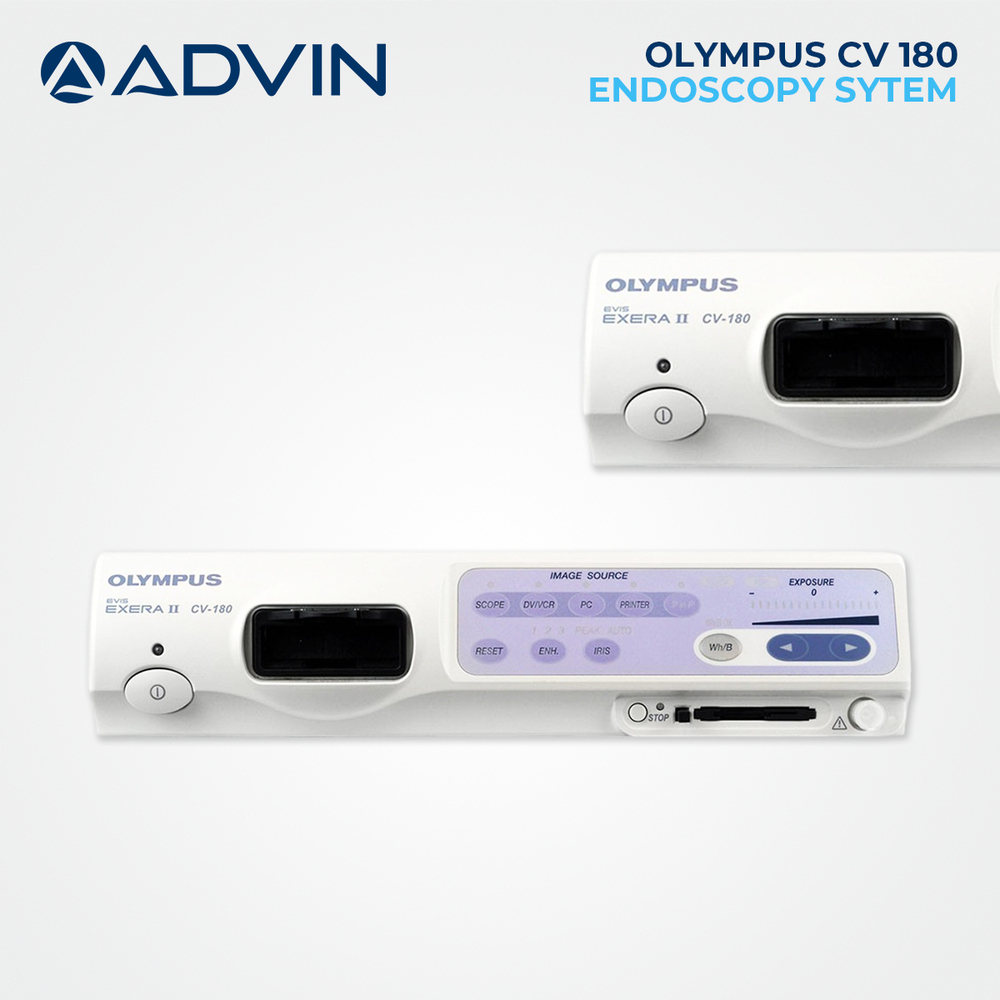
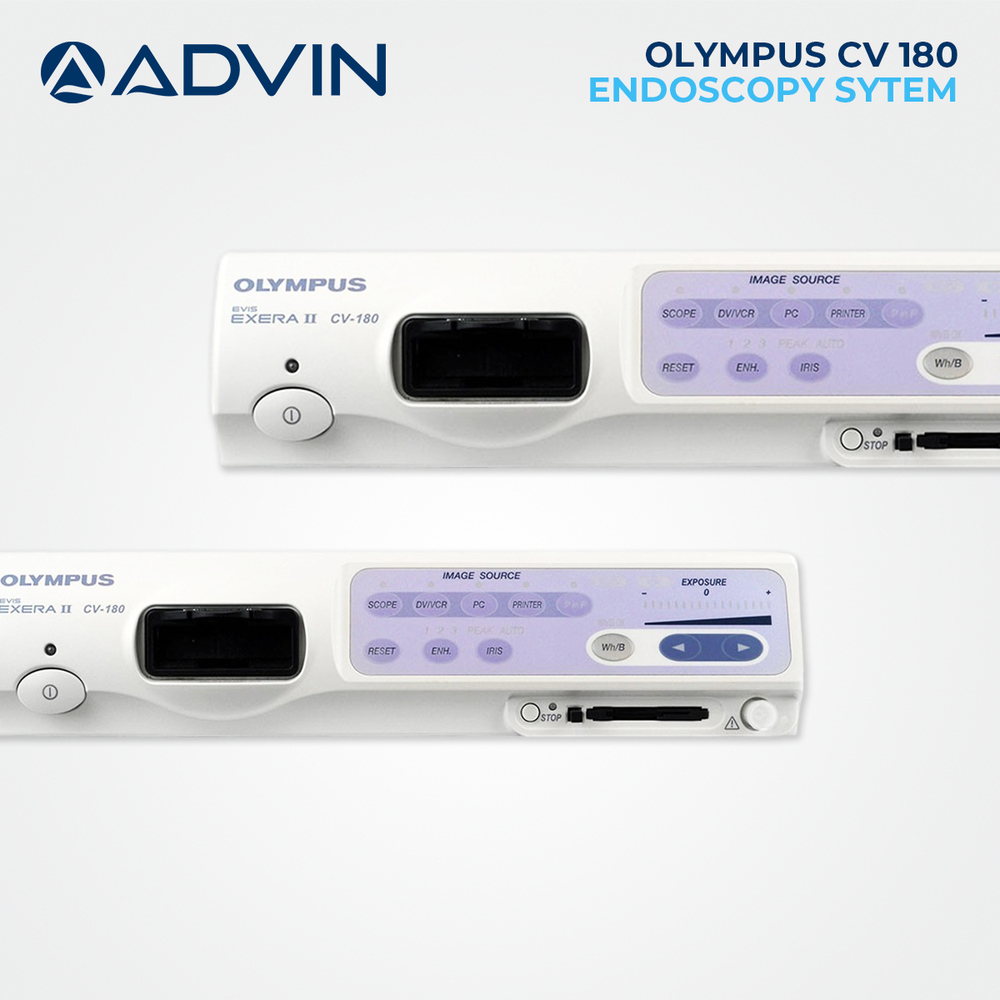
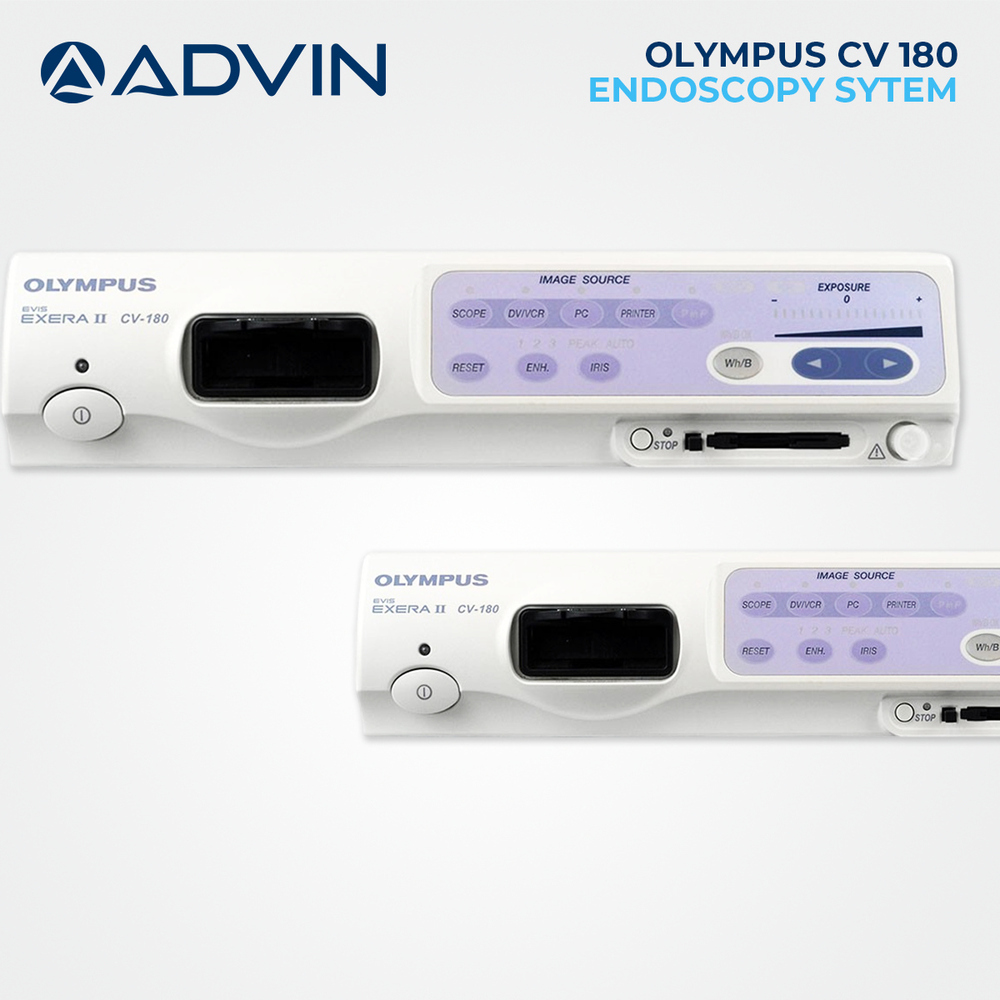
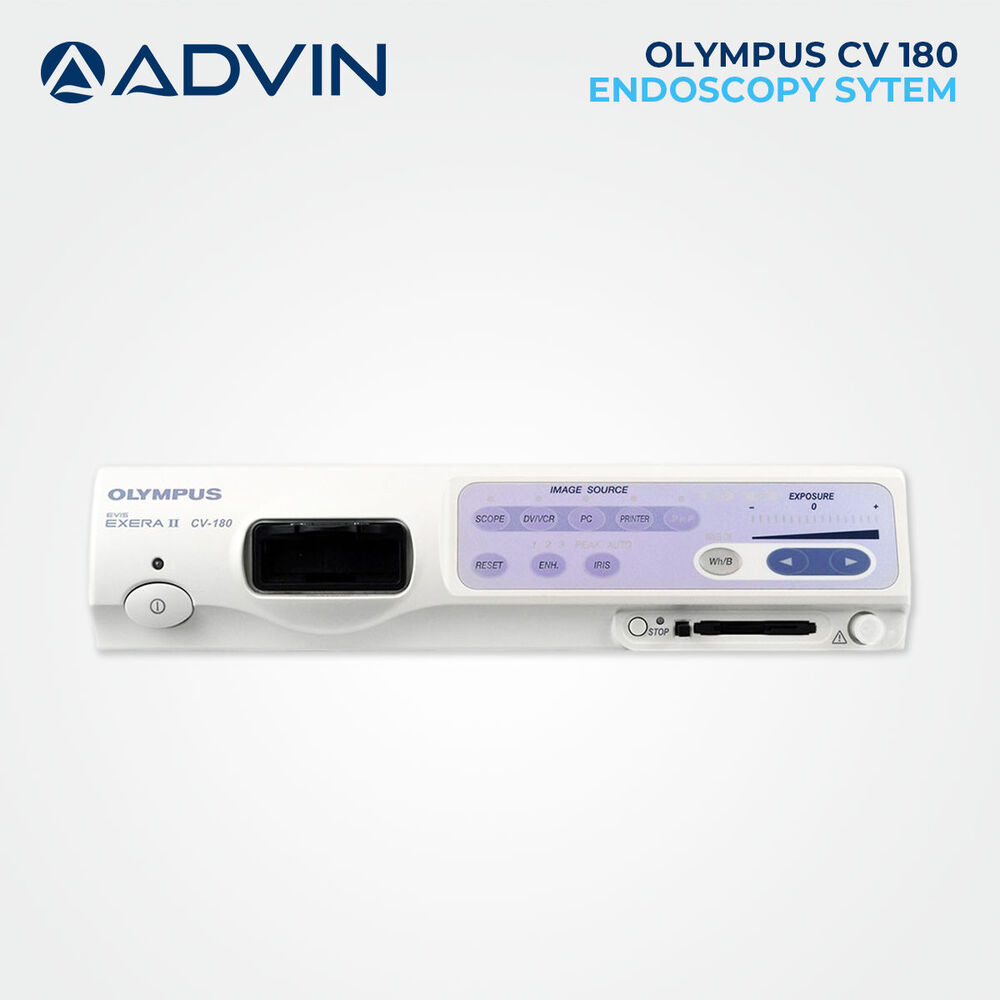
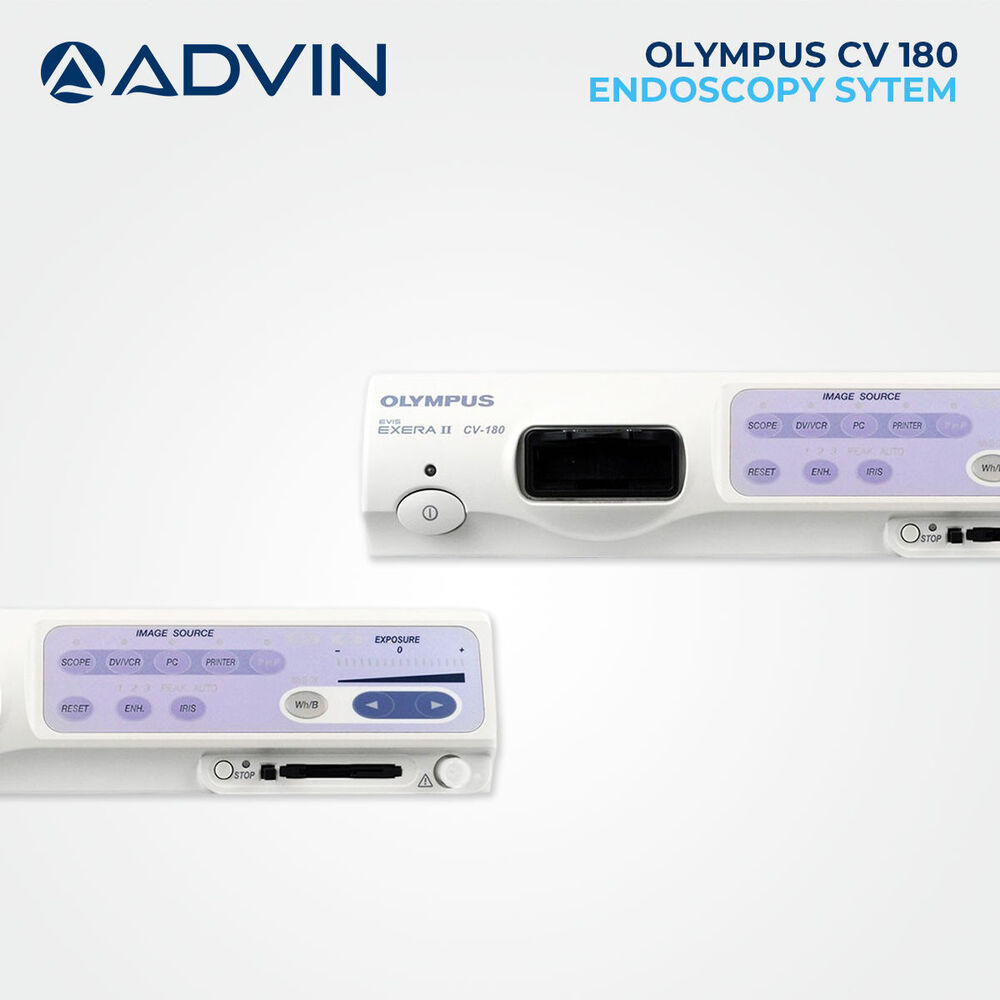
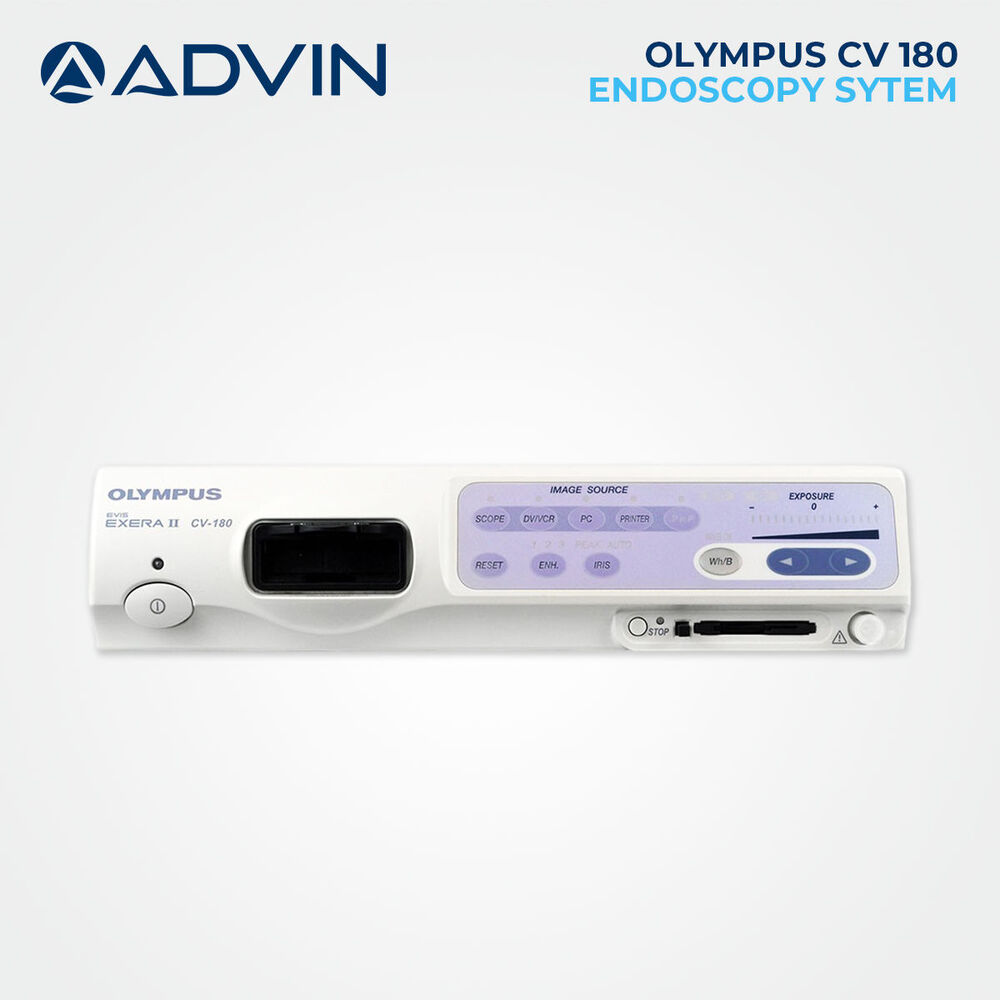
About Olympus CV180
Advin Health Care Video Gastroscope is performed with a Gastroscope - a long, flexible lighted tube with a camera. A gastroscopy is a procedure where a thin, flexible tube called an Gastroscope is used to look inside the oesophagus (gullet), stomach and first part of the small intestine (duodenum). Its also sometimes referred to as an upper gastrointestinal endoscopy. The endoscope has a light and a camera at one end.
Advanced Features:
- Super Bright LED-At-Tip: Experience 30% more Brightness & 15% wider spread thanks to the new phosphor coating on the LED substrate, supporting high reliability over years of use.
- LED-At-Tip technology does away with the fragile light guide glass fibre bundle making the scopes very sturdy and environment friendly.
- Long life, superior light intensity, low maintenance & low replacement cost.
- Dedicated auxilliary water channel washing the mucosa of the lower GI tract.
- Remote Control For Easy to use
- Ultra light Weight, single step waterproof connector makes endoscope more reliable & user Friendly.
Advanced Imaging TechnologyEquipped with Narrow Band Imaging (NBI) and Mist Enhancement, the Olympus CV180 enhances visibility and detail during endoscopic procedures, enabling clinicians to detect abnormalities with heightened accuracy. Digital zoom and color adjustment further support diagnostic precision.
Comprehensive System IntegrationThis video processor effortlessly connects with external monitors via DVI, RGB, S-Video, or Composite outputs. Auxiliary output, remote control, and image recording capabilities allow streamlined operation and efficient workflows in various clinical settings, from hospitals to diagnostic centers.
Safety and ReliabilityThe CV180 incorporates overheat protection and error detection systems, ensuring user safety and device longevity even during intensive usage. Certified with CE and ISO 13485 standards, it maintains high performance and stability in demanding medical environments.
FAQs of Olympus CV180:
Q: How does the Olympus CV180 enhance endoscopic imaging during procedures?
A: The CV180 utilizes advanced features such as Narrow Band Imaging (NBI), Mist Enhancement, and digital zoom, which improve visibility of tissue structures by enhancing contrast and color. These modes help clinicians detect and diagnose abnormalities with increased accuracy.
Q: What types of endoscopes are compatible with the CV180 system?
A: The CV180 is compatible with Olympus Series 140, 160, 180, and 260 endoscopes, making it adaptable for a wide range of endoscopic procedures and clinical specialties.
Q: Where can the Olympus CV180 be used?
A: This video processor is designed for use in hospitals, clinics, and diagnostic centers, providing high-precision endoscopic imaging suitable for gastrointestinal, pulmonary, and other medical departments.
Q: What is the recommended cleaning process for the CV180?
A: To clean the CV180, simply wipe the unit with a dry cloth using non-corrosive cleaning agents. Avoid moisture and ensure the device remains dust-free by storing it in a dry environment as per storage instructions.
Q: When should the CV180s safety features be checked?
A: Routine safety checks for overheat protection and error detection should be performed before clinical use and during regular maintenance to guarantee reliable operation and patient safety.
Q: What are the benefits of using the CV180 for medical endoscopy procedures?
A: Benefits include real-time operation, automatic/manual functionality, high frame rates up to 60 fps, precise image management, and excellent accuracy, all contributing to improved diagnostic efficiency and patient outcomes.
Q: How can data and images be managed or recorded using the CV180?
A: The CV180 lets users manage images through integrated image management software, with options to pre-freeze, record, and store procedures for review, teaching, and documentation purposes.

 Send Inquiry



 Send Inquiry

 Send Inquiry
 English
 Spanish
 French
 German
 Italian
 Chinese (Simplified)
 Japanese
 Korean
 Arabic
 Portuguese