About Ophthalmic Drapes
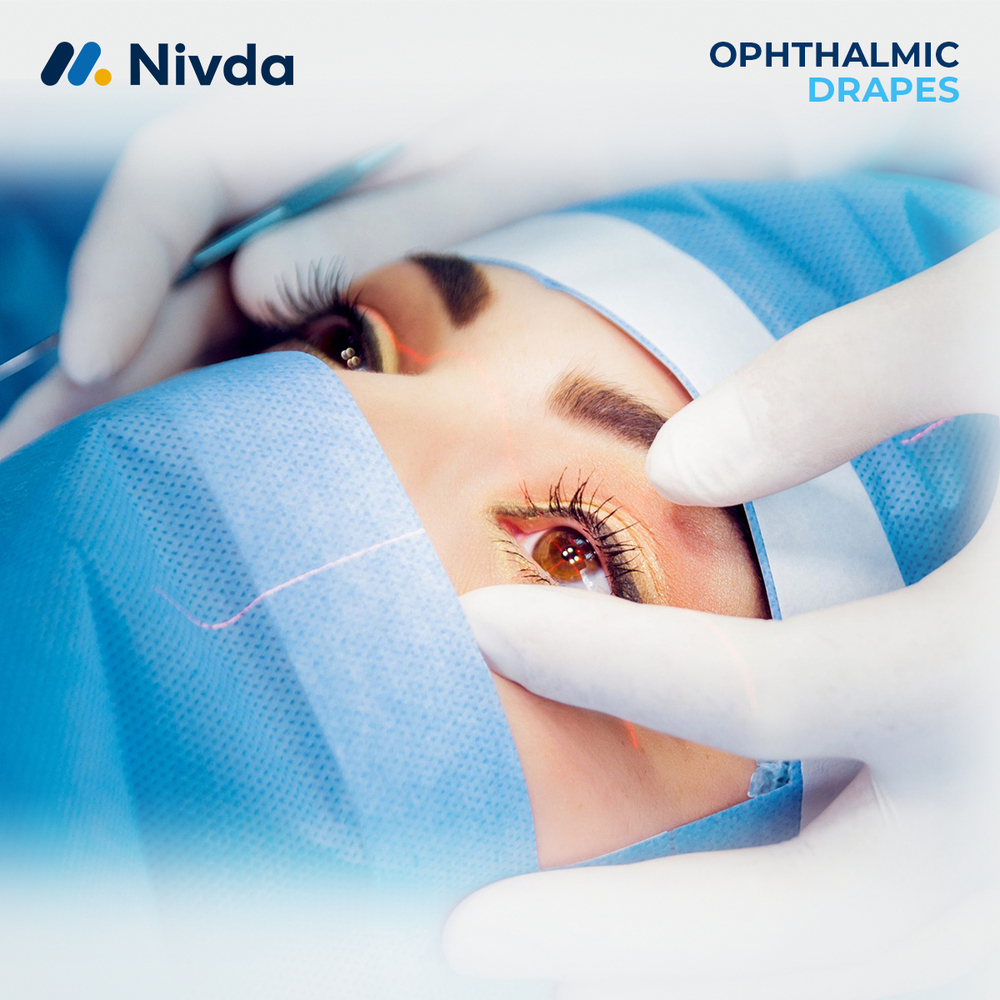
Ophthalmic Drapes are widely used in hospitals and eye care centers for procedures like cataract surgery, LASIK, and other ophthalmic interventions. Their adhesive fenestration keeps the drape securely in place, reducing the risk of movement and maintaining a sterile surgical field. Nivda manufactures ophthalmic drapes using premium, fluid-repellent non-woven fabric that combines durability, softness, and patient comfort. Being sterile and disposable, these drapes help prevent cross-infection, support infection control protocols, and enhance surgical efficiency for ophthalmologists.
Advanced Features:
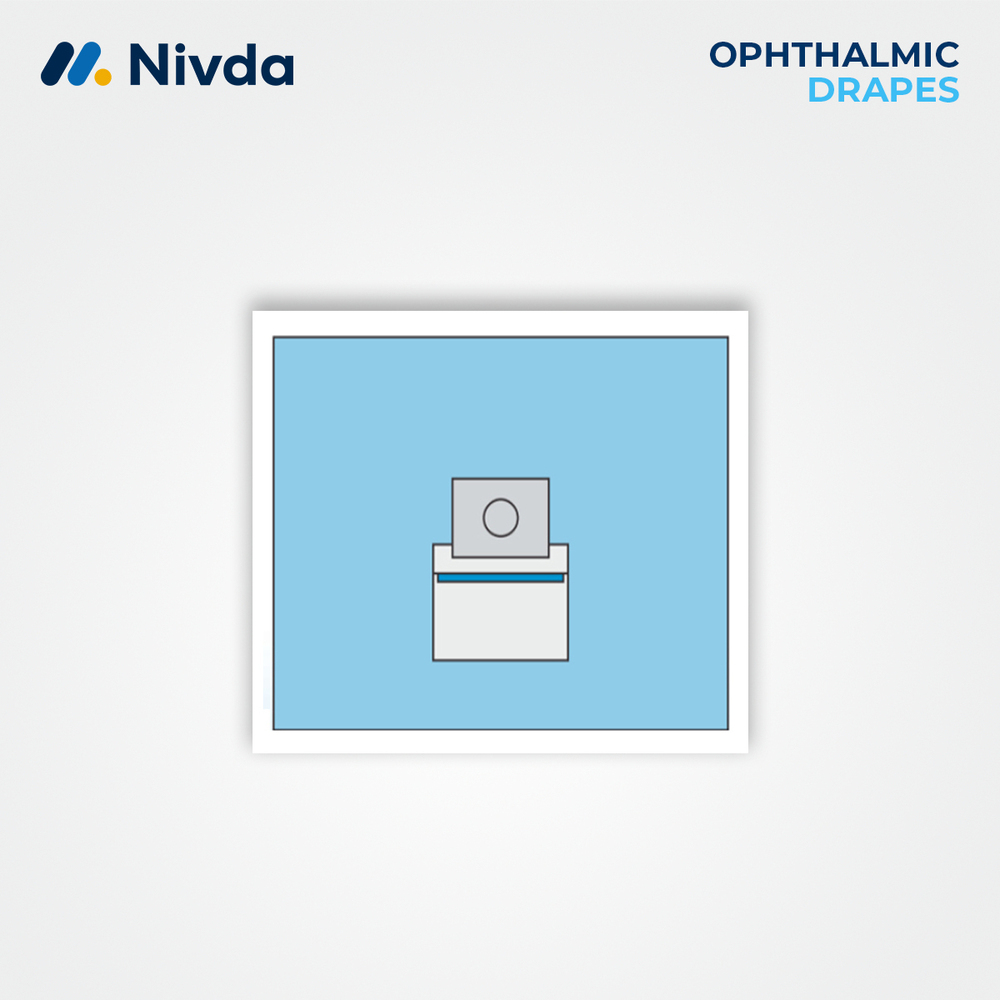
Fenestrated design with adhesive for secure placement
Sterile and disposable for infection prevention
Made from premium, fluid-resistant non-woven fabric
Soft, lightweight, and comfortable for patients
Easy handling for quick draping during ophthalmic procedures
High Standards of Sterility and SafetyEach drape is sterilized using Ethylene Oxide and comes in a sealed, individually sterile pouch to prevent contamination. Compliance with ISO 13485 and CE certifications ensures our products meet stringent international safety and quality standards. The latex-free materials and non-irritant edge finish contribute to patient safety and comfort, making these drapes ideal during sensitive ophthalmic procedures.
Efficient Fluid Management and ProtectionWith AAMI Level 3 liquid barrier performance and high absorbency, these drapes reliably control fluids during surgery, helping maintain a clear operation field and reducing the risk of infection. The non-woven, soft fabric resists tearing, while the fitted design with a universal eye hole ensures compatibility for most eye procedures. The pre-attached adhesive patch secures the drape and prevents any slippage.
Convenient, Hygienic, and User FriendlyThese drapes are disposable, lightweight, and easy to use, streamlining clinical workflow. Their portable, silent, and flexible nature supports quick setup and manual application. With a shelf life of 3 years and guidance to store in a cool, dry place, they remain ready for immediate use whenever needed, providing both convenience and reliability to healthcare professionals.
FAQ's of Ophthalmic Drapes:
Q: How does the pre-attached adhesive patch benefit ophthalmic procedures?
A: The pre-attached adhesive patch surrounds the universal eye hole, ensuring secure placement around the surgical site. This helps maintain a sterile field, minimizes the risk of drape movement during procedures, and simplifies setup for healthcare staff.
Q: What is the intended use of these Ophthalmic Drapes?
A: These drapes are designed for use during ophthalmic and eye surgeries to provide a sterile barrier, control surgical fluids, and enhance patient safety. Their fitted design suits various eye procedures, offering optimal protection and absorbency.
Q: When should I use this drape during the surgical process?
A: Apply the drape after patient positioning and site preparation, immediately before starting the surgical procedure. Its sterile packaging ensures the drape remains uncontaminated until ready for use.
Q: Where can these drapes be used?
A: These Ophthalmic Drapes are suitable for hospital operating rooms, outpatient surgery centers, ophthalmology clinics, and any setting where sterile and fluid-resistant protection for eye procedures is required.
Q: What features enhance patient comfort during use?
A: The drape is made from soft, non-woven fabric and features a non-irritant edge finish, ensuring it is gentle on the skin. Its lightweight and flexible design helps prevent discomfort during surgery.
Q: What is the process for ensuring sterility and quality compliance?
A: Each drape is sterilized with Ethylene Oxide and individually packed in a peel pouch. They are made from high-quality, latex-free materials and adhere to ISO 13485 and CE certifications, meeting global safety standards.
Q: How does the drape control fluid and infection risks during surgery?
A: Featuring high absorbency and AAMI Level 3 liquid barrier performance, the drape efficiently manages fluids and resists bacterial penetration, helping create a clean operative field and lowering infection risks.

 Send Inquiry



 Send Inquiry

 Send Inquiry
 English
 Spanish
 French
 German
 Italian
 Chinese (Simplified)
 Japanese
 Korean
 Arabic
 Portuguese