Polyaxial Screw About
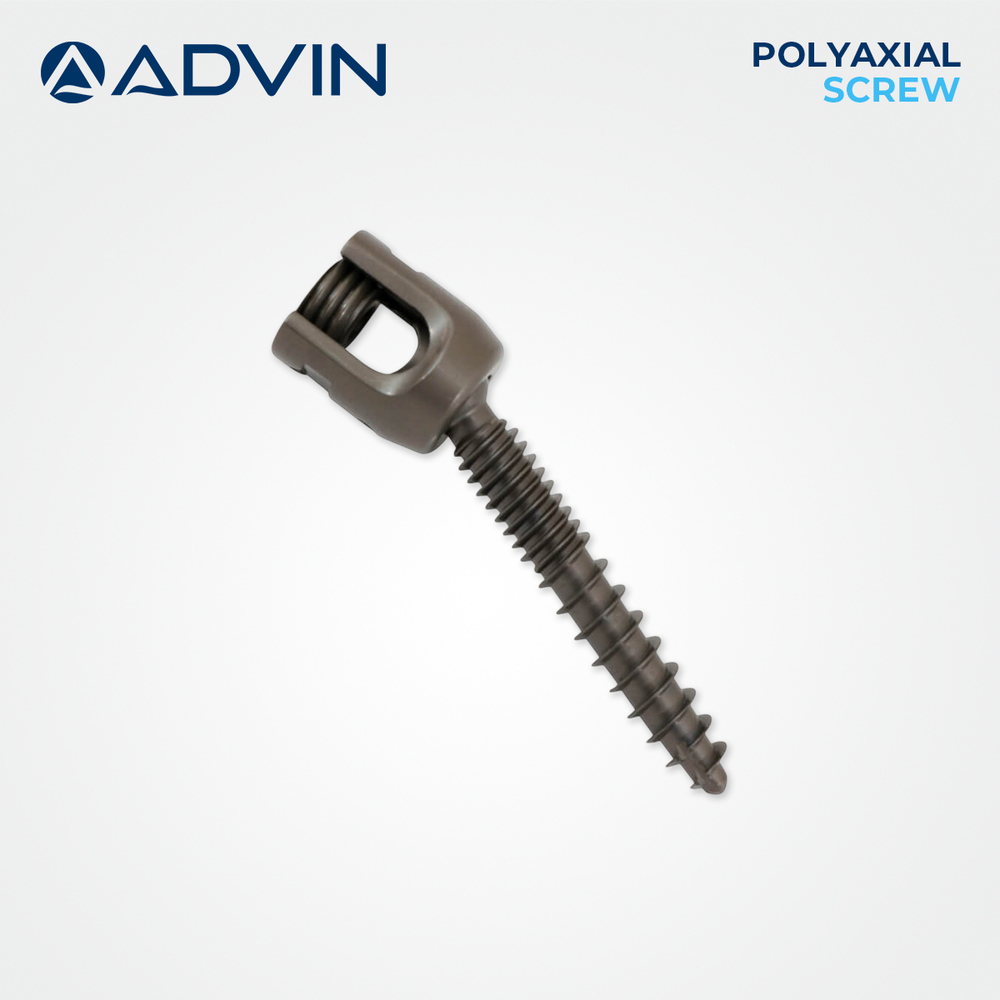
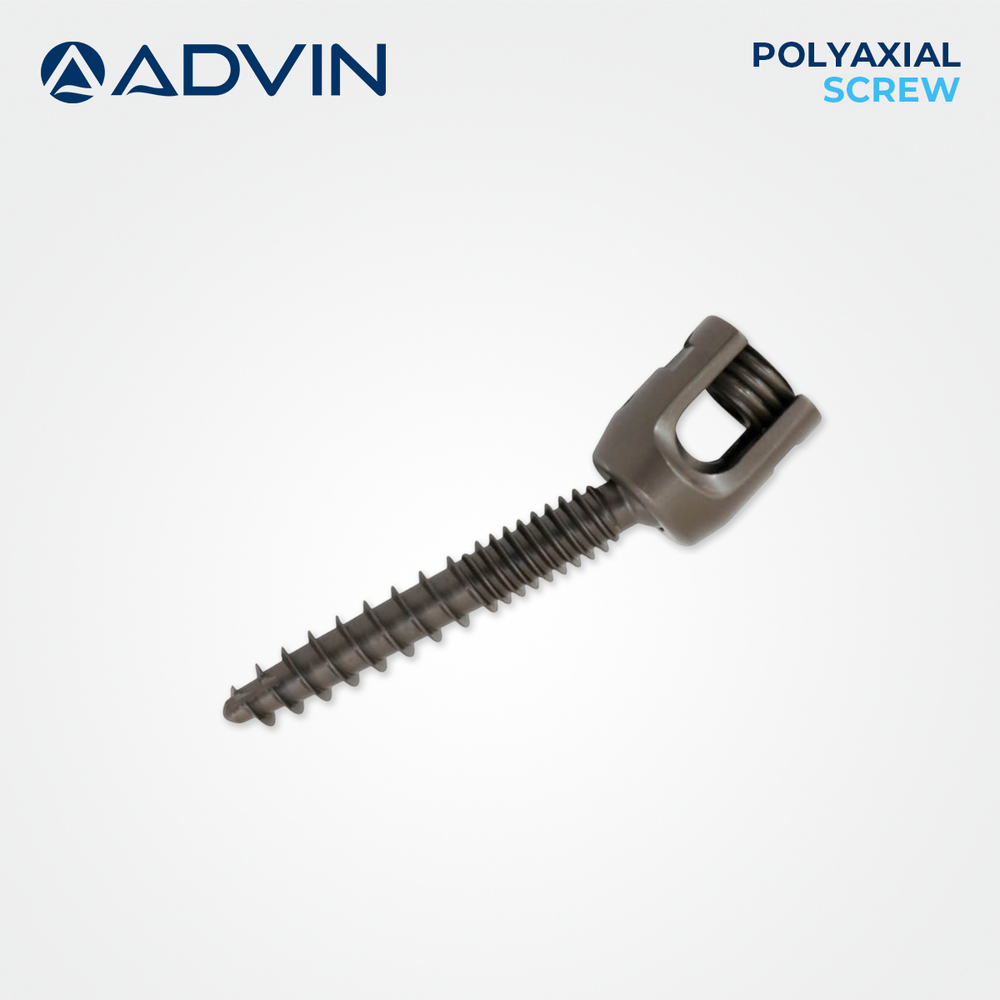
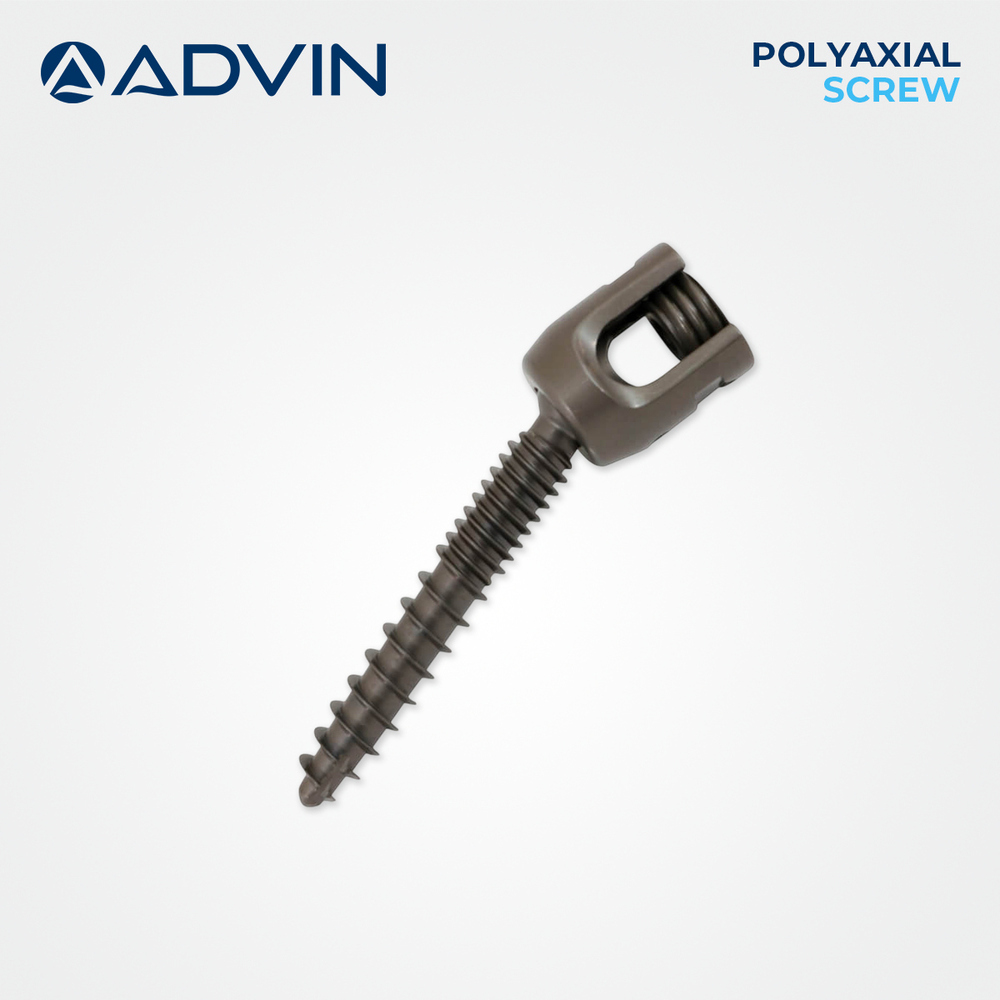
The Polyaxial Screw is an implant used in orthopedic surgeries to provide strong and flexible fixation. It allows multidirectional movement, helping surgeons position the screw precisely during procedures. This screw is essential for stabilizing bones and supporting healing after fractures or spinal surgeries.
Advanced Features:
-
Allows multi-directional angulation for precise screw placement
-
Made from biocompatible materials ensuring durability and safety
-
Compatible with various orthopedic fixation systems
-
Provides strong stabilization for bone fixation
-
Designed for use in spinal and trauma surgeries
Enhanced Surgical Flexibility and PerformanceWith its polyaxial head providing 360 rotation, this screw allows for versatile implant placement and optimal alignment in spinal procedures. The dual-thread, self-tapping design improves fixation strength and eases installation, reducing surgical time. Radiolucent markings assist in precise intraoperative imaging, ensuring correct positioning without compromising X-ray visualization.
Safety and Compatibility GuaranteedManufactured with biocompatible titanium alloy or stainless steel, the screw offers high corrosion resistance and is individually double sterile packed for single use. Standard compatibility with 5.5mm and 6.0mm rods, a five-year shelf life, and comprehensive lot traceability ensure reliability and patient safety. Conditional MRI compatibility broadens its applicability in modern surgical environments.
Precision Engineered for Optimal OutcomesUtilizing CNC precision machining, each screw exhibits high accuracy and consistent quality across a range of diameters and customizable lengths (typically 40-60mm). The silent, manual operation minimizes noise in the operating theater, while the lightweight, portable design supports ease of handling and storage in orthopedic and spinal surgeries.
FAQ's of Polyaxial Screw:
Q: How does the polyaxial head benefit spinal surgery procedures?
A: The polyaxial head enables 360 rotational movement, allowing for greater flexibility during screw placement, improved alignment with spinal rods, and enhanced fixation of thoracic, lumbar, and sacral segments, resulting in better surgical outcomes.
Q: What is the process for sterilization and packaging of these screws?
A: Each screw is individually sealed and double sterile packed using either Gamma or EO sterilization methods, ensuring optimal sterility and safety for single-use implantation.
Q: When should this polyaxial screw be used in spinal surgery?
A: This screw is indicated for use during spinal fixation procedures in the thoracic, lumbar, or sacral spine, especially where multi-directional movement and enhanced fixation are necessary.
Q: Where can these screws be stored prior to use?
A: It is recommended to store the screws in a dry, sterile environment to maintain their integrity and sterility until needed for surgery.
Q: What sizes and dimensions are available for this product?
A: The screws are available in various diameters-such as 4.5mm, 5.5mm, and 6.5mm-and come in customized lengths, typically ranging from 40mm to 60mm, to accommodate different patient anatomies and surgical needs.
Q: How is traceability of each implant ensured?
A: Lot traceability is clearly marked on each implant, allowing for easy tracking and verification during surgical procedures and throughout the supply chain.
Q: What are the main benefits of using this polyaxial screw?
A: Key benefits include multidirectional placement, enhanced fixation, compatibility with standard rods, radiolucent markings for imaging, high resistance to corrosion, and conditional MRI compatibility, all designed to promote patient safety and optimal surgical outcomes.

 Send Inquiry



 Send Inquiry

 Send Inquiry
 English
 Spanish
 French
 German
 Italian
 Chinese (Simplified)
 Japanese
 Korean
 Arabic
 Portuguese