About Precision Pressure Control Inflator
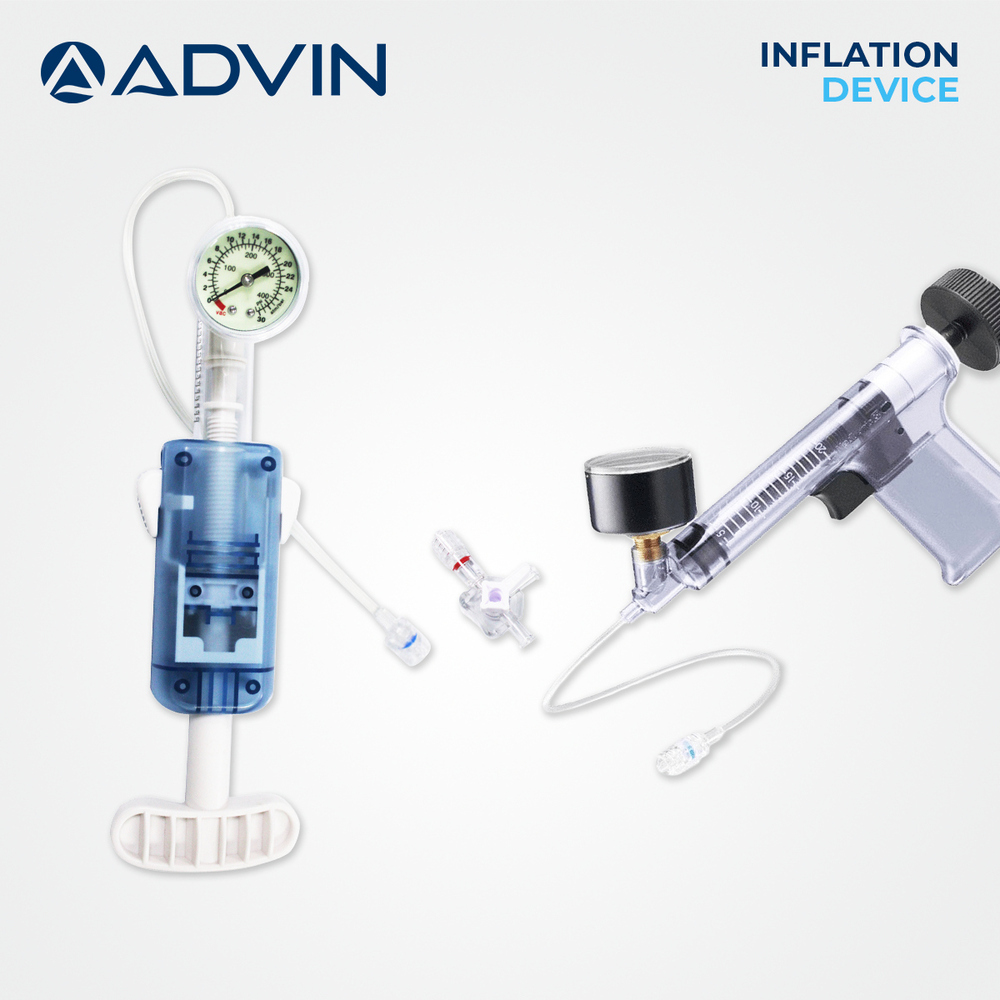
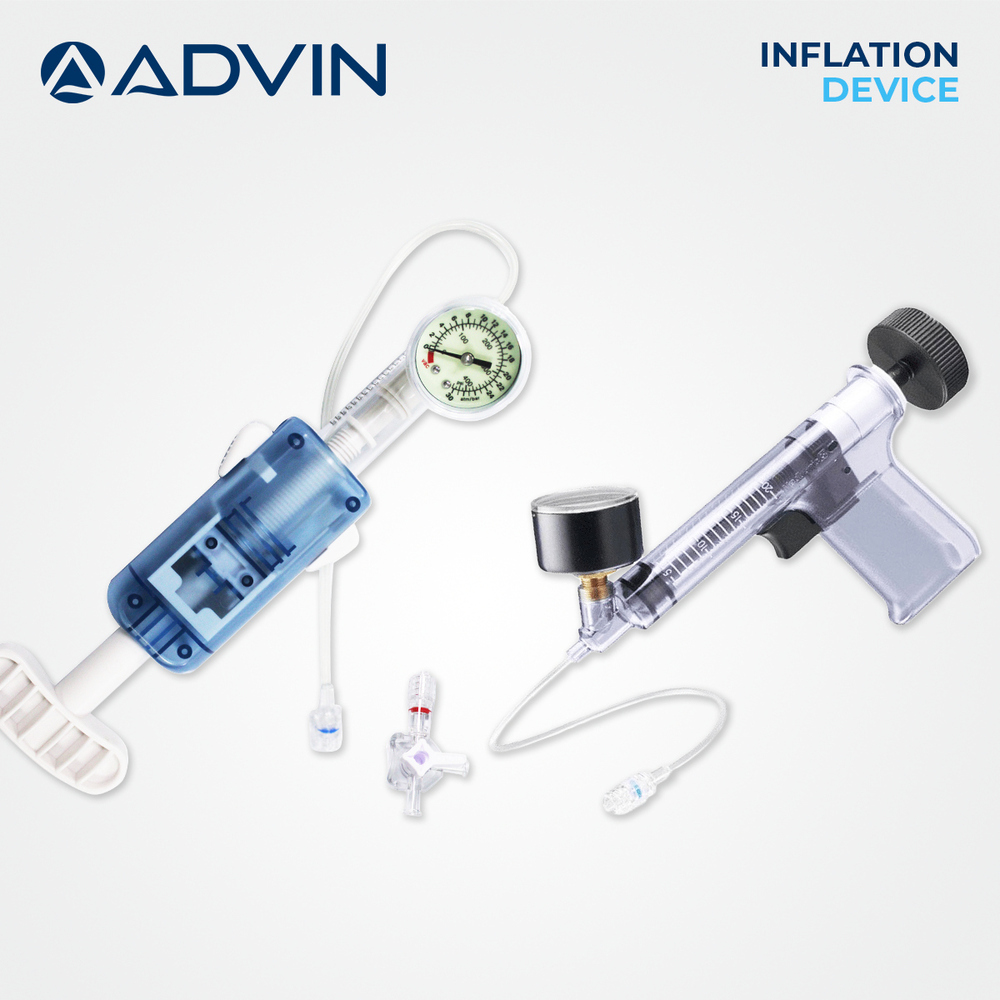
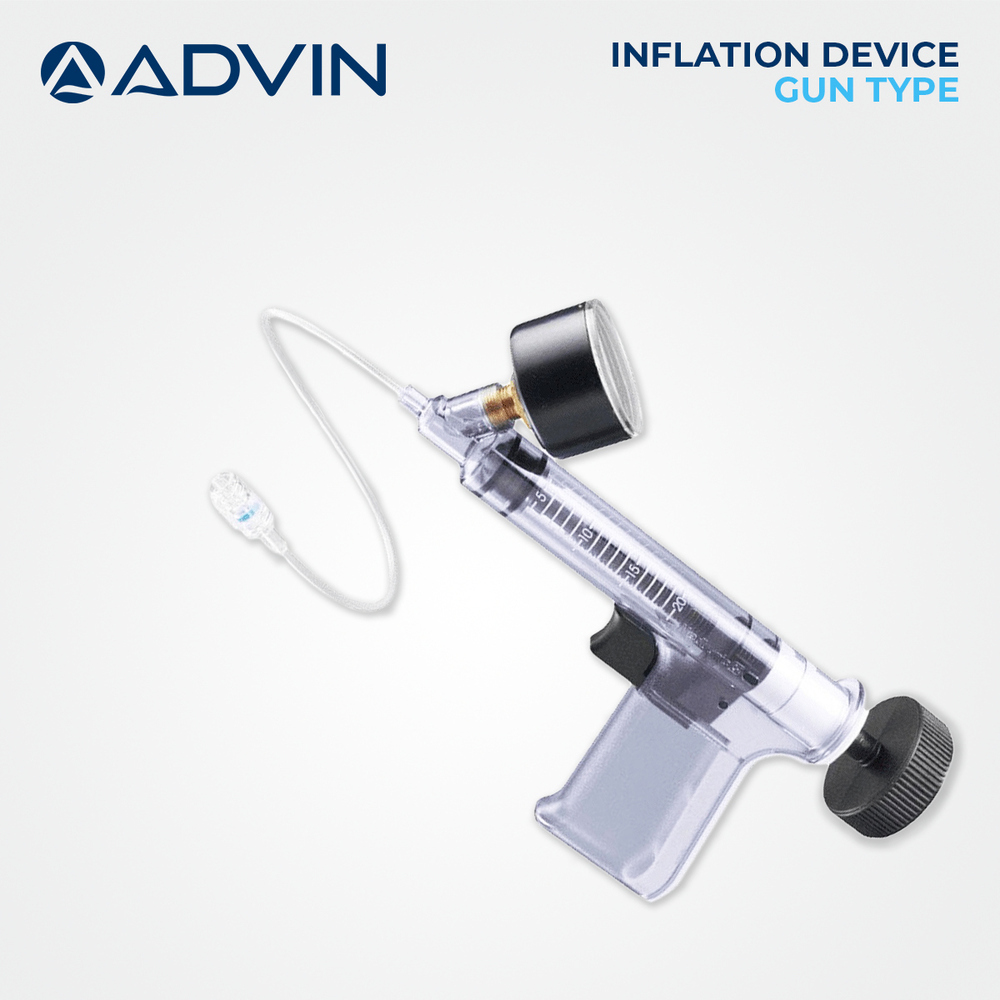
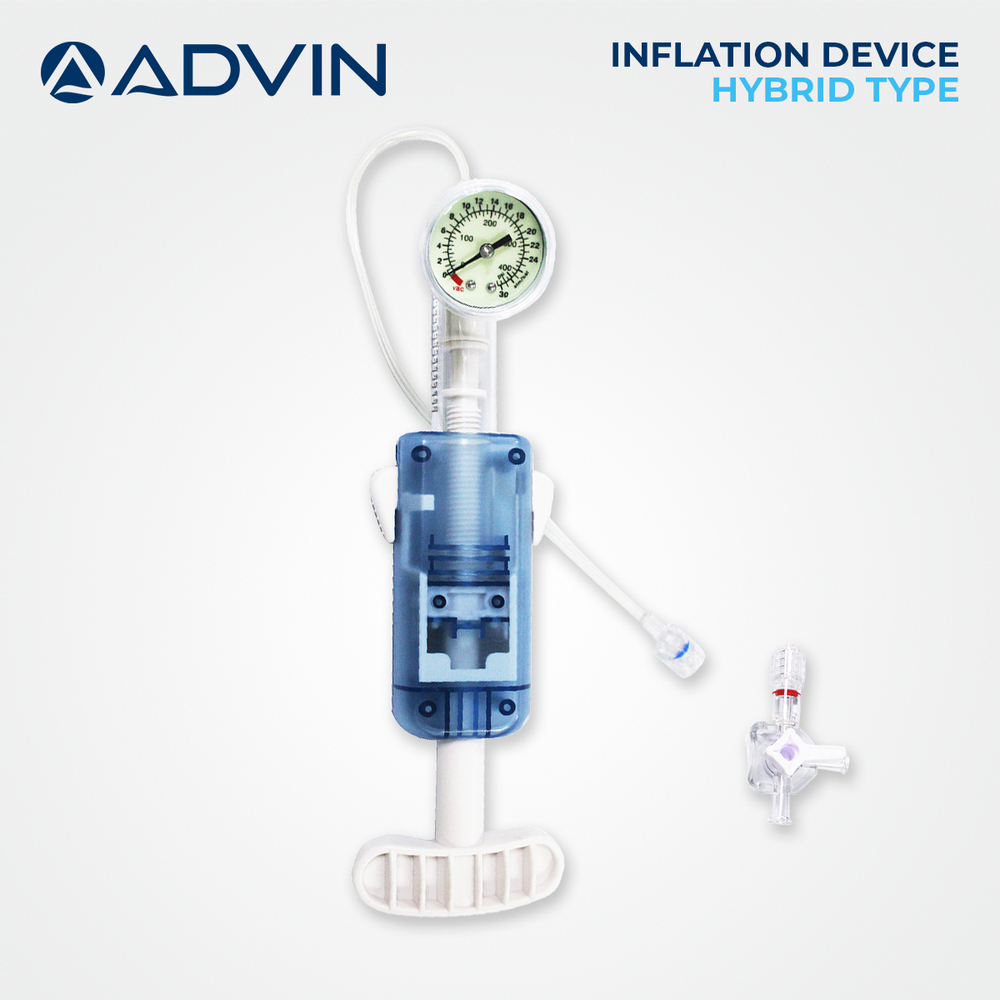
Advin Health Care Precision Pressure Control Inflator is designed to deliver accurate and controlled pressure during balloon inflation procedures. It ensures precise pressure management, smooth operation, and reliable performance in interventional applications.
Key Features:
- High-precision pressure control for accurate inflation
- Ergonomic design for smooth and easy handling
- Clear pressure gauge for real-time monitoring
- Controlled inflation and deflation mechanism
- Durable construction for consistent performance
Certifications:
CE, ISO 13485, ISO 9001 Certified
Product Keywords:
Precision Pressure Control Inflator, Balloon Inflation Device, PTCA Inflator, Pressure Control Syringe, Angioplasty Inflation Device
PTCA
, , , ,
Inflador de control de presin de precisin, dispositivo de inflado de baln, inflador para PTCA, jeringa de control de presin, dispositivo de inflado para angioplastia
Dispositif de gonflage de prcision, gonfleur de ballonnet, gonfleur pour angioplastie coronaire transluminale percutane (ACTP), seringue de contrle de pression, dispositif de gonflage pour angioplastie
Accurate Analog Pressure MonitoringEquipped with a high-precision analog gauge, this inflator delivers reliable pressure readings up to 30 atm, ensuring fine control during delicate medical procedures. The gauge is easy to view, providing real-time data for precise balloon inflation or deflation in interventional applications such as angioplasty.
Advanced Safety and Comfort FeaturesDesigned for clinician safety and patient comfort, the device incorporates a fast-acting pressure release valve to prevent over-inflation. Its ergonomic grip allows for extended use without discomfort, facilitating smooth manual operation in demanding medical scenarios.
Sterile, Single-Use, and CompatibleThe inflator is supplied sterile and ETA packed, supporting infection control protocols as it is intended for disposable, single-patient use. Its standard luer lock compatibility ensures broad applicability with a variety of balloon catheters and related medical instruments.
FAQ's of Precision Pressure Control Inflator:
Q: How does the quick-release valve improve safety during procedures?
A: The quick-release valve enables rapid reduction of pressure in the system, preventing over-inflation and sudden pressure spikes, which enhances patient safety and clinician control during balloon inflation and deflation.
Q: What types of medical procedures can benefit from this inflator?
A: This inflator is designed for precise inflation and deflation of medical balloons, making it ideal for cardiology, radiology, and interventional procedures, including angioplasty and other catheter-based interventions.
Q: When should this device be used in clinical practice?
A: The device should be used whenever precise, controllable pressure is required for inflating or deflating balloon catheters, particularly in critical or minimally invasive procedures that demand stringent pressure control.
Q: Where can this inflator be effectively integrated in a medical setting?
A: It is suitable for use in catheterization labs, operating rooms, interventional radiology suites, and any setting where balloon catheter procedures are performed, thanks to its portability and compatibility with standard luer lock connections.
Q: What is the process for connecting and using the inflator with a balloon catheter?
A: Attach the inflator to the catheter via the standard luer lock connector, gradually increase pressure using the manual handle while monitoring the gauge, and utilize the quick-release valve to promptly lower pressure as needed for safe inflation or deflation.
Q: What are the main benefits of using a manual inflator with an integrated pressure gauge?
A: Manual operation allows for nuanced pressure control without reliance on external power sources, while the integrated gauge provides immediate feedback, enhancing both accuracy and safety during balloon management.
Q: How should the inflator be stored to maintain sterility and functionality?
A: Store the device in a cool, dry area away from direct sunlight to preserve sterility and prolong its three-year shelf life, ensuring optimal performance when needed for medical procedures.

 Send Inquiry



 Send Inquiry

 Send Inquiry
 English
 Spanish
 French
 German
 Italian
 Chinese (Simplified)
 Japanese
 Korean
 Arabic
 Portuguese