About Procedure Protection Drape
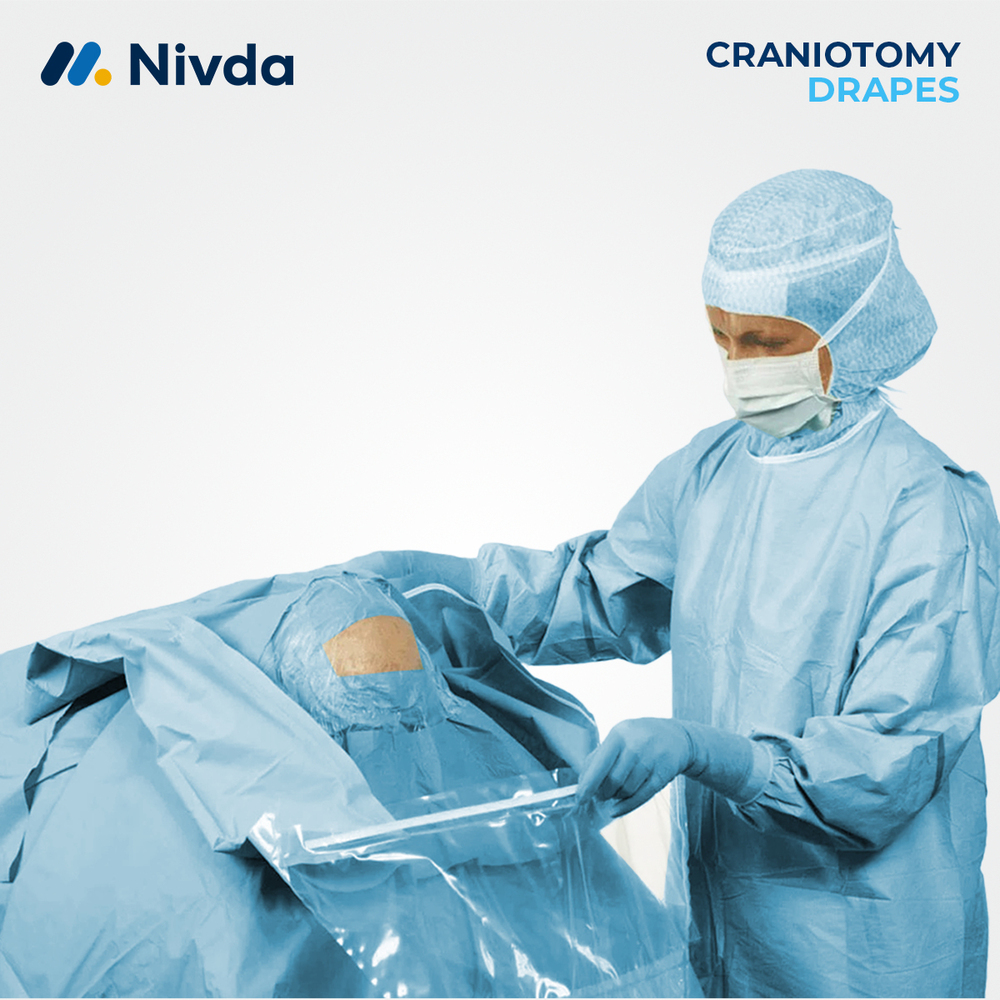
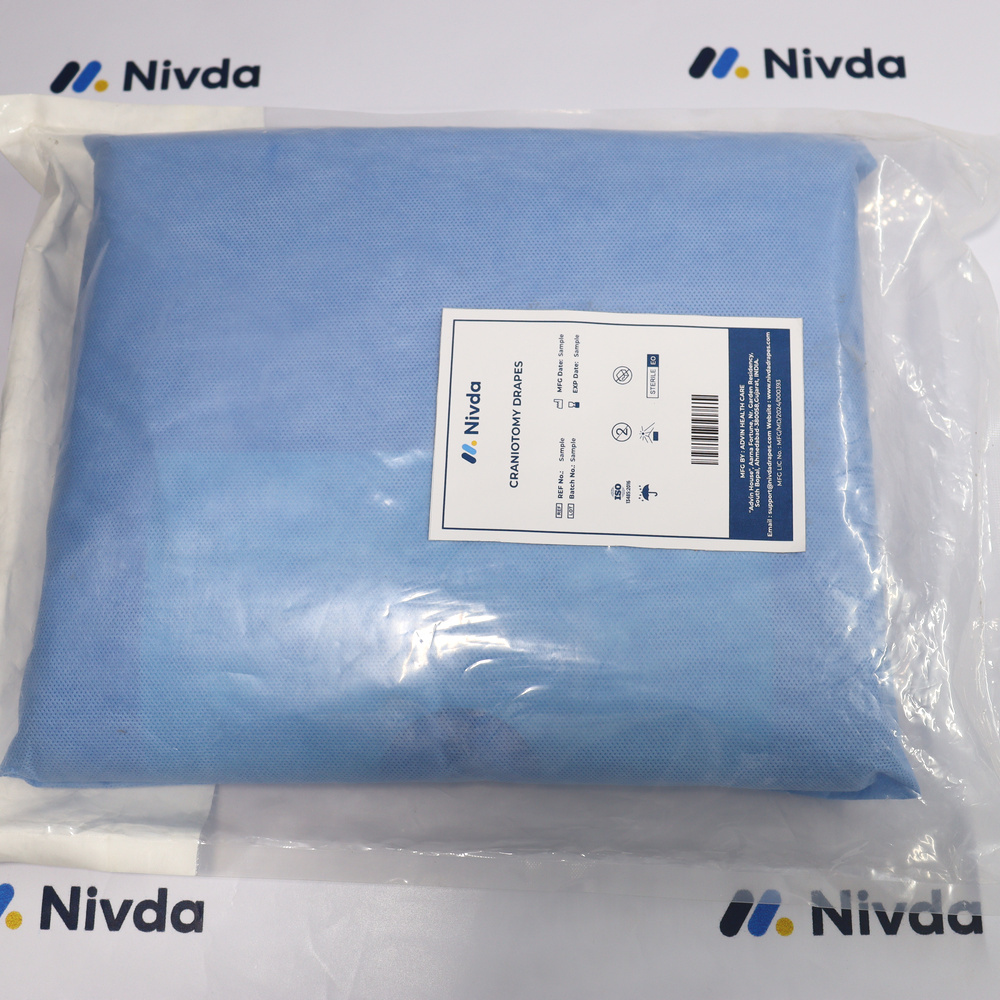
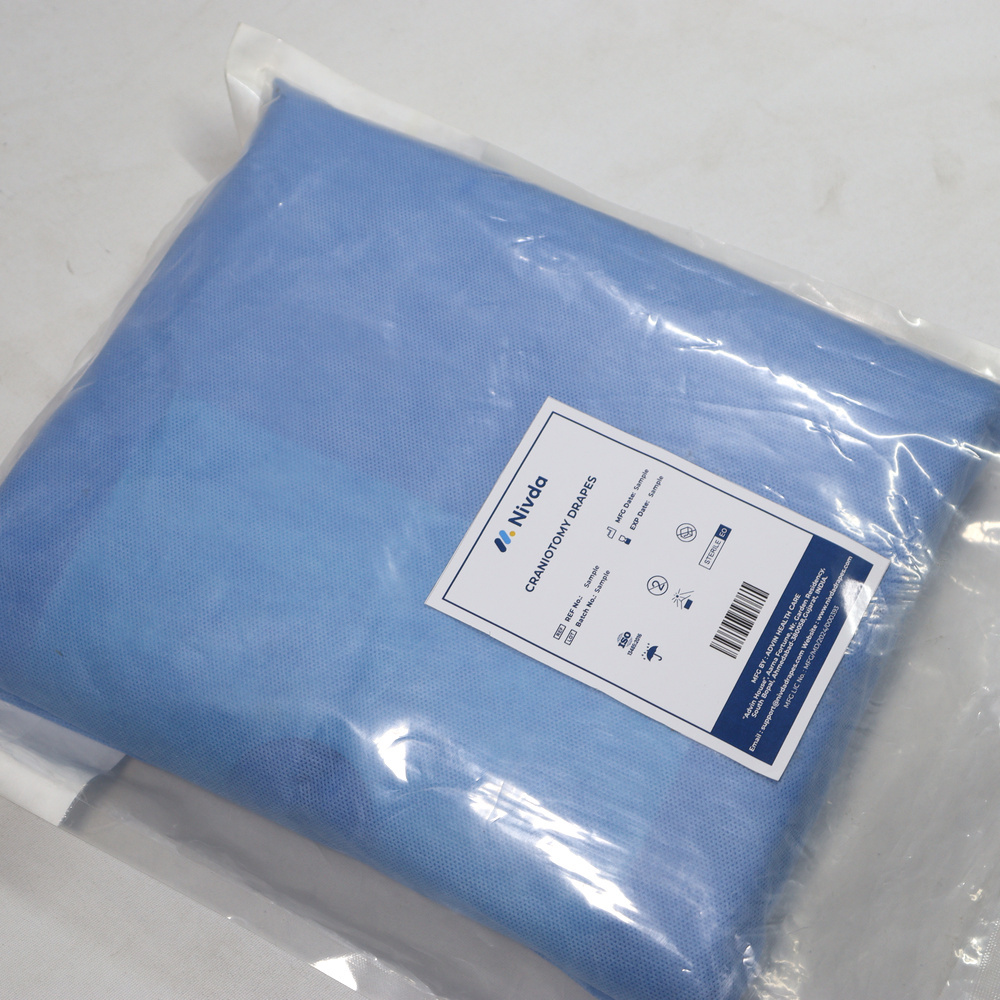
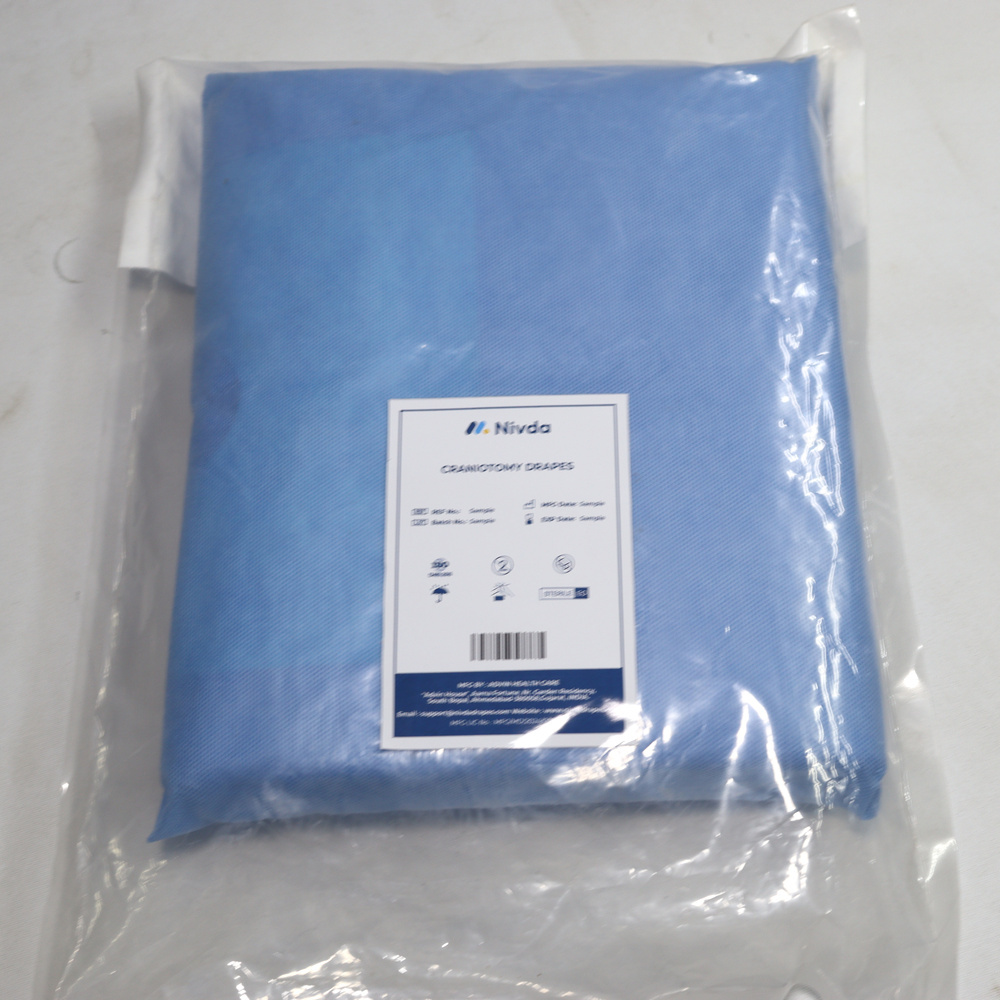
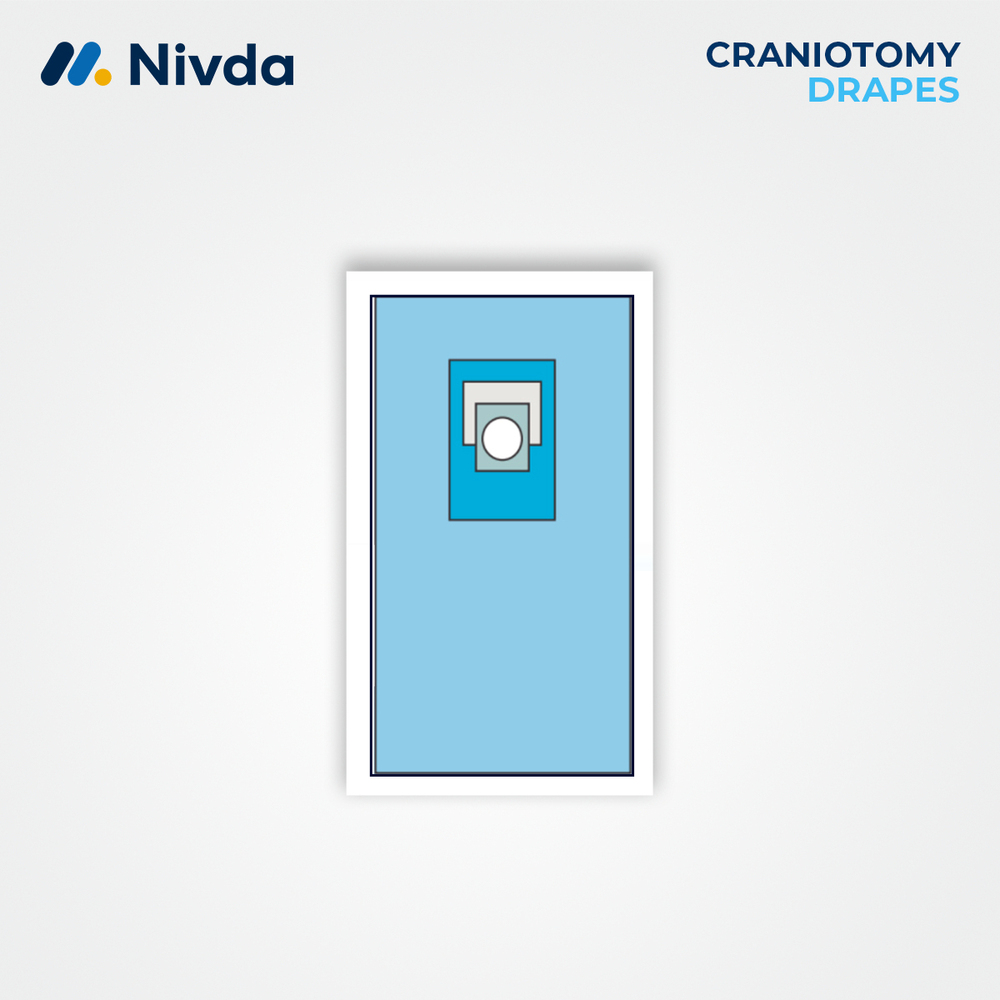
Nivda Drapes is globally leading manufacturer and supplier of Procedure Protection Drape. Procedure Protection Drape is a sterile disposable drape used during medical procedures to protect the patient and surrounding areas. It helps maintain a clean and controlled environment in hospitals and clinics. These drapes support infection control and hygienic practices during procedures.
Advanced Features:
Sterile disposable drapes designed for procedure protection
Helps maintain a clean and controlled procedural environment
Fluid-resistant material for effective barrier protection
Easy placement around the procedure area
Single-use design to support hygiene and infection control
Suitable for hospitals, clinics, and surgical centers
procedure protection drape, sterile procedure drapes, disposable surgical drapes, hospital procedure drapes, operating room drapes, surgical barrier drapes, sterile medical drapes, medical procedure drapes, clinical procedure drapes
Optimal Protection and SterilityThis Procedure Protection Drape is meticulously gamma sterilized, offering a secure clinical barrier during surgeries and minor procedures. Heat-sealed edges and ultrasonic sealing technology provide reinforced strength, ensuring the drape remains intact under demanding use. The single-use, disposable design further reduces cross-contamination risks, upholding the highest standards of sterility and patient safety.
User-Friendly and Versatile DesignEngineered for flexibility and ease, the drape is both lightweight and portable. Its moderate fluid absorbency and fluid-resistant properties make it suitable for a wide range of medical settings, from operating rooms to outpatient clinics. The product requires manual placement and is compatible with all patient types, making it a valuable addition to any clinical environment.
FAQ's of Procedure Protection Drape:
Q: How should the Procedure Protection Drape be applied during medical procedures?
A: The drape should be removed from its individual sterile packaging in a sterile environment, then manually placed over the patient or work area to ensure effective coverage and protection against fluid and contaminants.
Q: What benefits does the heat-sealed, ultrasonic edge technology offer?
A: The combination of heat-sealed and ultrasonic sealed edges enhances the drape's strength and integrity, minimizing the risk of tearing and ensuring reliable barrier protection throughout the procedure.
Q: When should this drape be used in clinical practice?
A: It is designed for use during surgeries, minor procedures, and outpatient department (OPD) settings, providing critical protection for both patients and clinicians against fluid exposure and potential contaminants.
Q: Where is the recommended storage location for these drapes?
A: The drapes should be stored in a cool, dry place away from direct sunlight to maintain their sterility and functional integrity for up to three years from the manufacturing date.
Q: What makes this drape suitable for all patient types?
A: Being latex-free and made from sterile non-woven fabric, the drape minimizes allergic reactions and can be safely used across a diverse patient population, including those with latex sensitivities.
Q: How is the drape disposed of after use?
A: As a single-use and disposable item, the drape should be discarded following biomedical waste protocols immediately after the procedure to prevent any risk of cross-contamination.
Q: What is the main benefit of using this drape during procedures?
A: The primary benefit is its ability to create a reliable, fluid-resistant barrier that safeguards both patients and medical staff from potential contaminants, promoting a safe and sterile procedural environment.

 Send Inquiry



 Send Inquiry

 Send Inquiry
 English
 Spanish
 French
 German
 Italian
 Chinese (Simplified)
 Japanese
 Korean
 Arabic
 Portuguese