About PTCA Inflation Pump
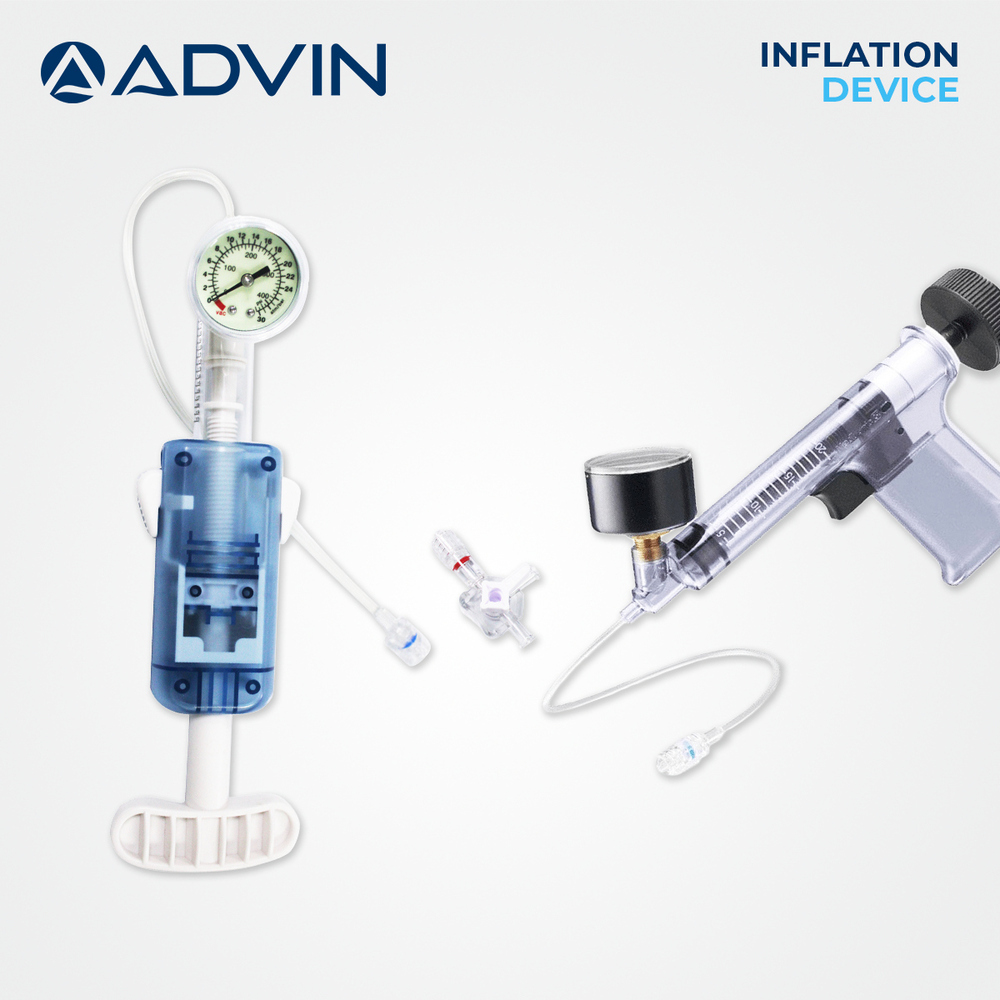
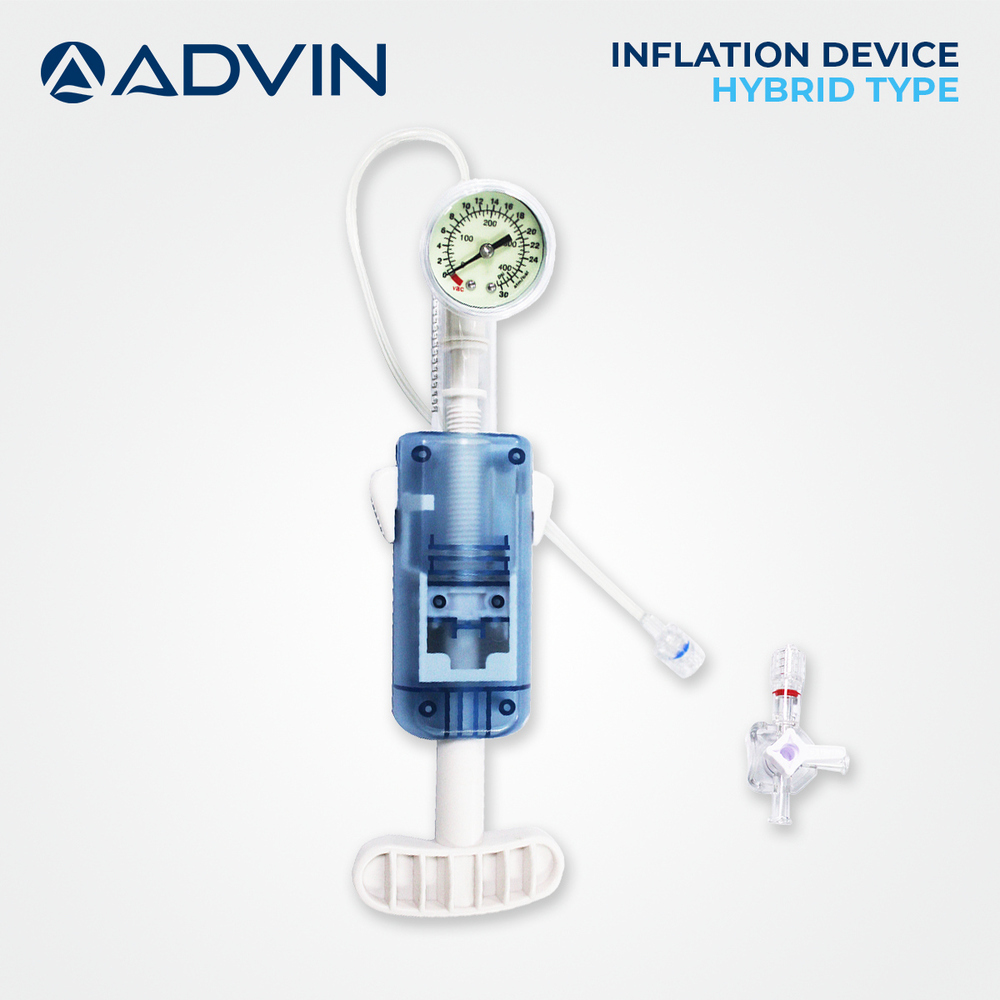
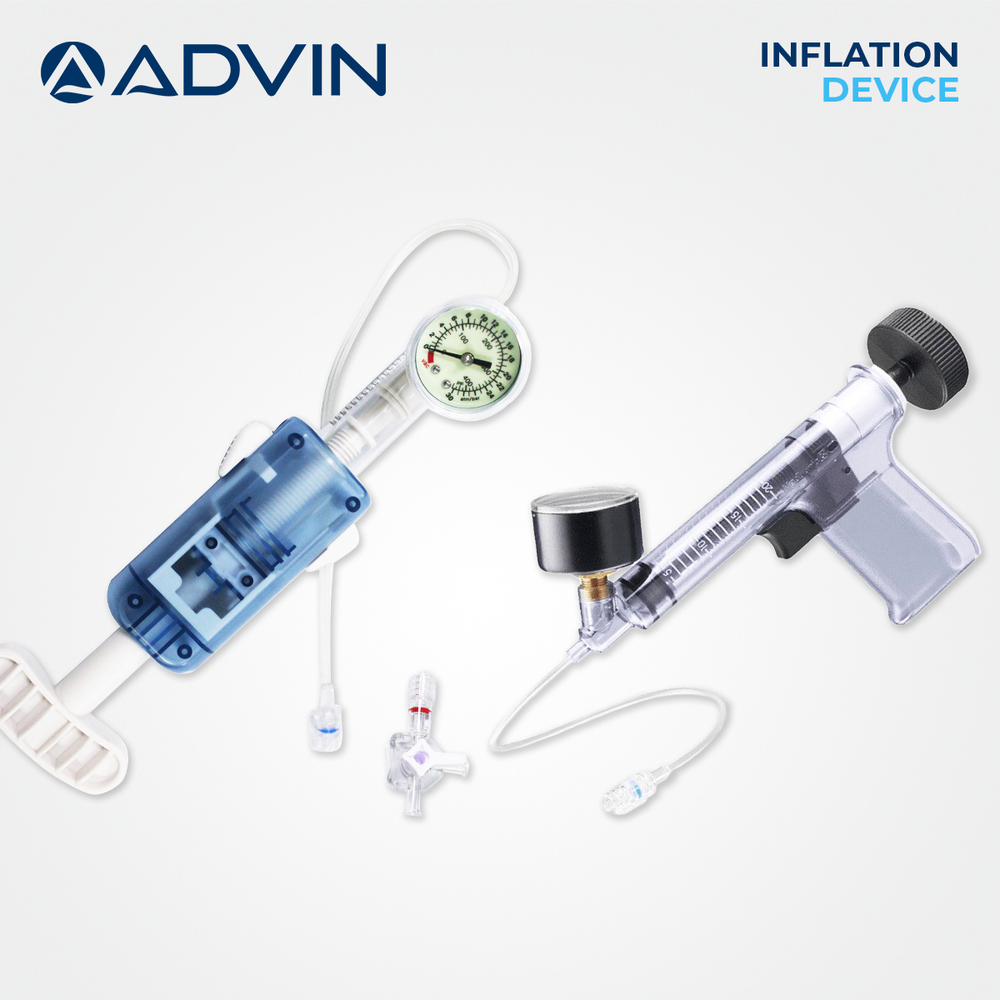
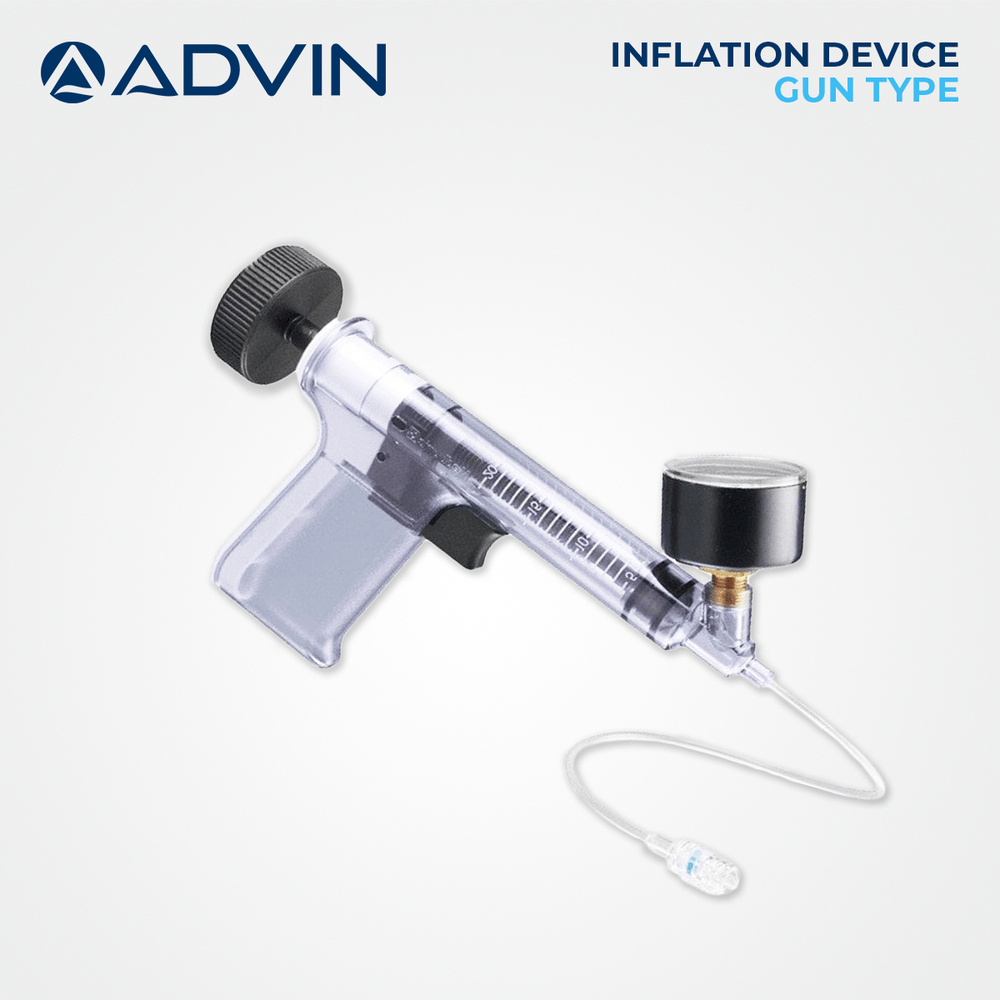
Advin Health Care PTCA Inflation Pump is designed for accurate balloon inflation and deflation during angioplasty procedures. It ensures precise pressure control and smooth operation for safe and effective interventional performance.
Key Features:
- Precise pressure control for accurate inflation
- Smooth inflation and deflation mechanism
- Ergonomic design for easy handling
- Clear pressure gauge for accurate readings
- Reliable performance in interventional procedures
Certifications:
CE, ISO 13485, ISO 9001 Certified
Product Keywords:
PTCA Inflation Pump, Balloon Inflation Device, Angioplasty Inflation Pump, PTCA Device, Inflation Syringe
PTCA
, , , , .
Bomba de inflado para PTCA, dispositivo de inflado de baln, bomba de inflado para angioplastia, dispositivo PTCA, jeringa de inflado
Pompe de gonflage pour angioplastie coronaire transluminale percutane (ACTP), dispositif de gonflage de ballonnet, pompe de gonflage pour angioplastie, dispositif d'ACTP, seringue de gonflage
Precision and CompatibilityEngineered for compatibility with all standard balloon catheters, the PTCA Inflation Pump ensures accurate pressure control during angioplasty procedures. Its rotating analog gauge and quick release mechanism empower healthcare professionals with real-time pressure monitoring, making it ideal for coronary, peripheral, or neurovascular interventions.
Enhanced Safety and Leakage ProtectionFeaturing a double-seal design for advanced leakage protection, this PTCA Inflation Pump guarantees safe and consistent performance throughout the procedure. The luer lock connector ensures a secure and stable connection, minimizing risks during critical interventions.
Comfort and ErgonomicsThe ergonomic, non-slip hand grip reduces operator fatigue, even during lengthy procedures. The pump's lightweight and portable construction simplify handling, providing both ease and efficiency in fast-paced clinical environments.
FAQ's of PTCA Inflation Pump:
Q: How is the PTCA Inflation Pump operated during angioplasty procedures?
A: The pump is operated manually by squeezing the ergonomic hand grip, allowing precise inflation or deflation of the attached balloon catheter. The rotating analog gauge provides real-time feedback on the applied pressure, which can be monitored and adjusted up to 30 ATM (441 PSI) as required.
Q: What are the benefits of the double-seal leakage protection design?
A: The double-seal leakage protection enhances the safety and reliability of the device by minimizing the risk of fluid leaks during high-pressure inflation, ensuring stable pressure delivery and reducing potential procedural complications.
Q: When should I use the 20 ml versus the 30 ml syringe model?
A: The 20 ml syringe is preferred for applications requiring finer control or smaller balloon catheters, while the 30 ml version is ideal for procedures involving larger balloons or requiring higher inflation volumes. Selection depends on specific procedural needs and balloon size.
Q: Where can the PTCA Inflation Pump be used?
A: This device is suitable for use in hospital cath labs, interventional radiology, or surgery centers specializing in cardiovascular, peripheral, or neurovascular procedures. Its compact, portable design allows it to be easily integrated into any setting where angioplasty is performed.
Q: What process should be followed before using the pump?
A: Before use, verify the product is within its shelf life, inspect the packaging for integrity, and confirm EtO sterilization. Ensure the luer lock connector is securely attached to the catheter, and check the analog gauge for proper calibration. Follow all local sterility protocols.
Q: What are the key usage instructions and storage guidelines?
A: Use the pump only for single-use interventions, and store unopened units in a cool, dry place away from direct sunlight. This maintains sterility, protects material integrity, and prolongs the device's shelf life, allowing for safe deployment when needed.
Q: What advantages does the analog rotating gauge provide?
A: The analog rotating gauge offers easy-to-read, real-time pressure monitoring with an accuracy within 2% of the full scale. Its clear display allows quick adjustments and helps ensure proper inflation, reducing the risk of over- or under-inflating the balloon catheter during procedures.

 Send Inquiry




 Send Inquiry

 Send Inquiry
 English
 Spanish
 French
 German
 Italian
 Chinese (Simplified)
 Japanese
 Korean
 Arabic
 Portuguese