About Radial Compression Band
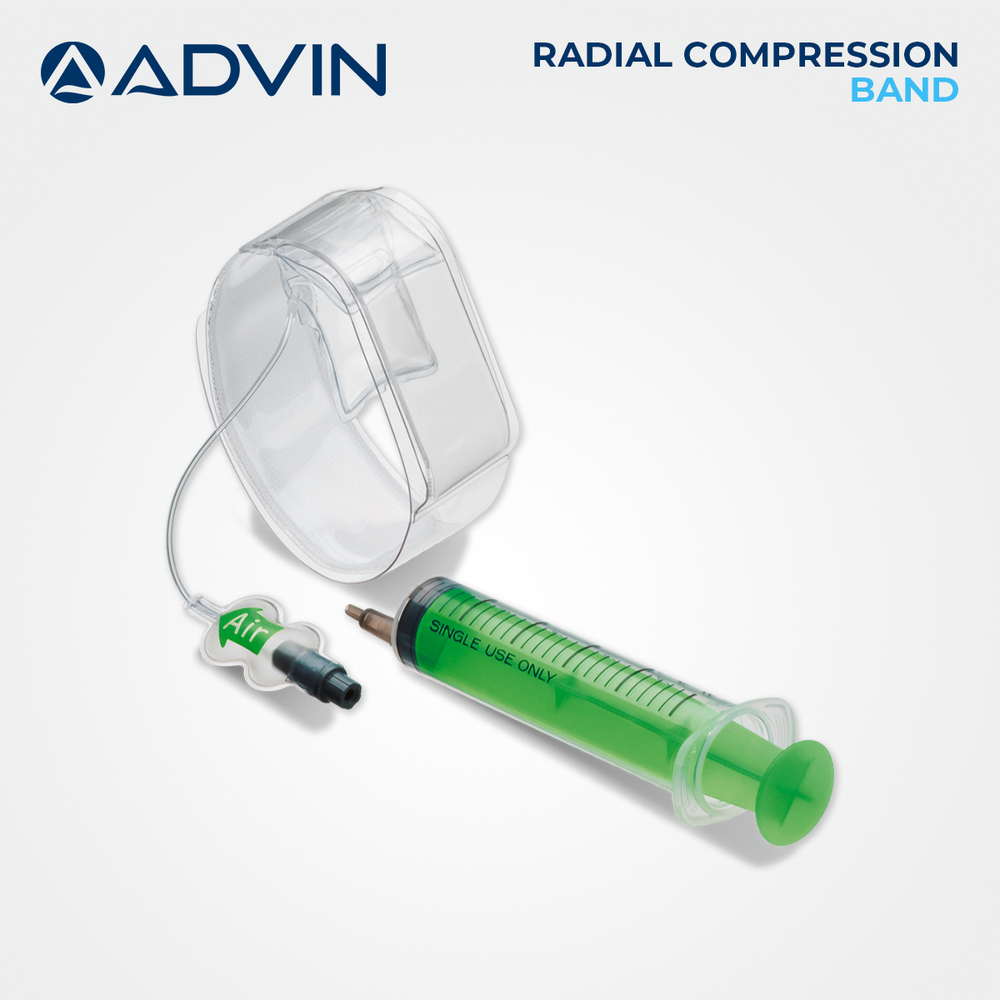
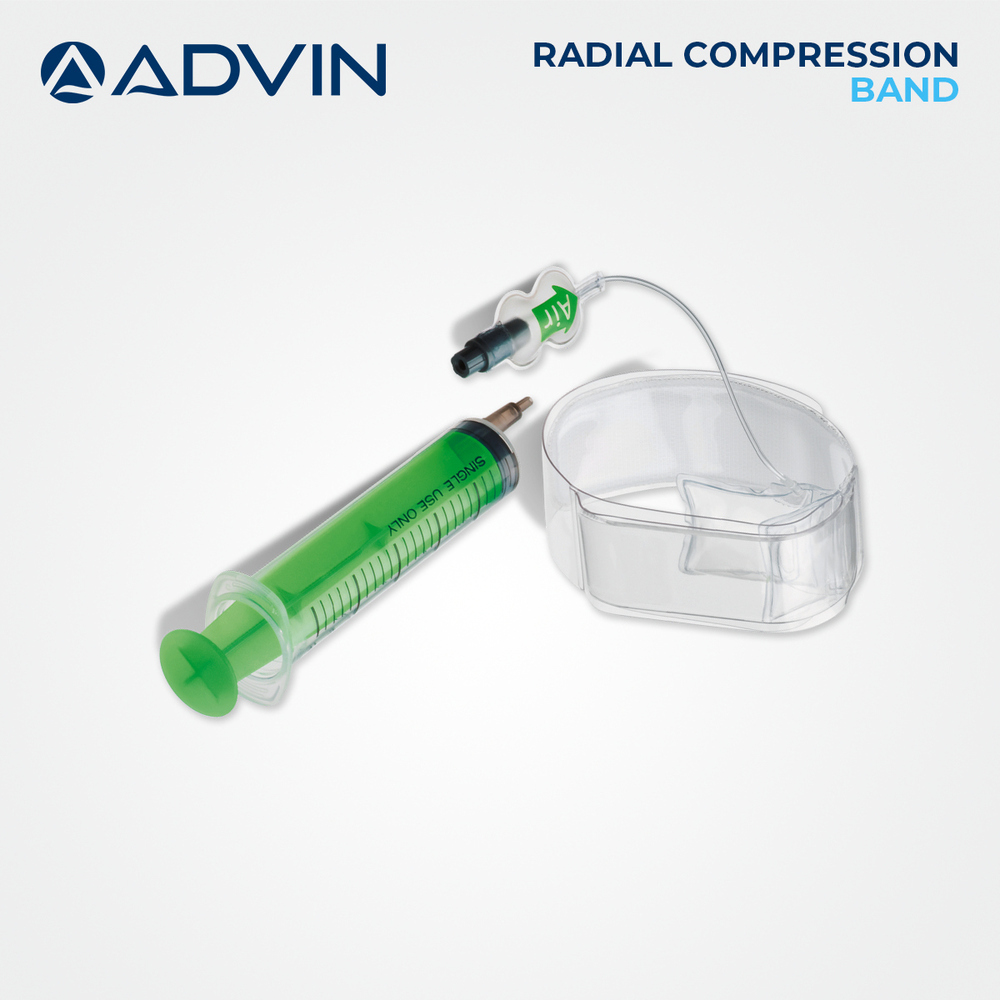
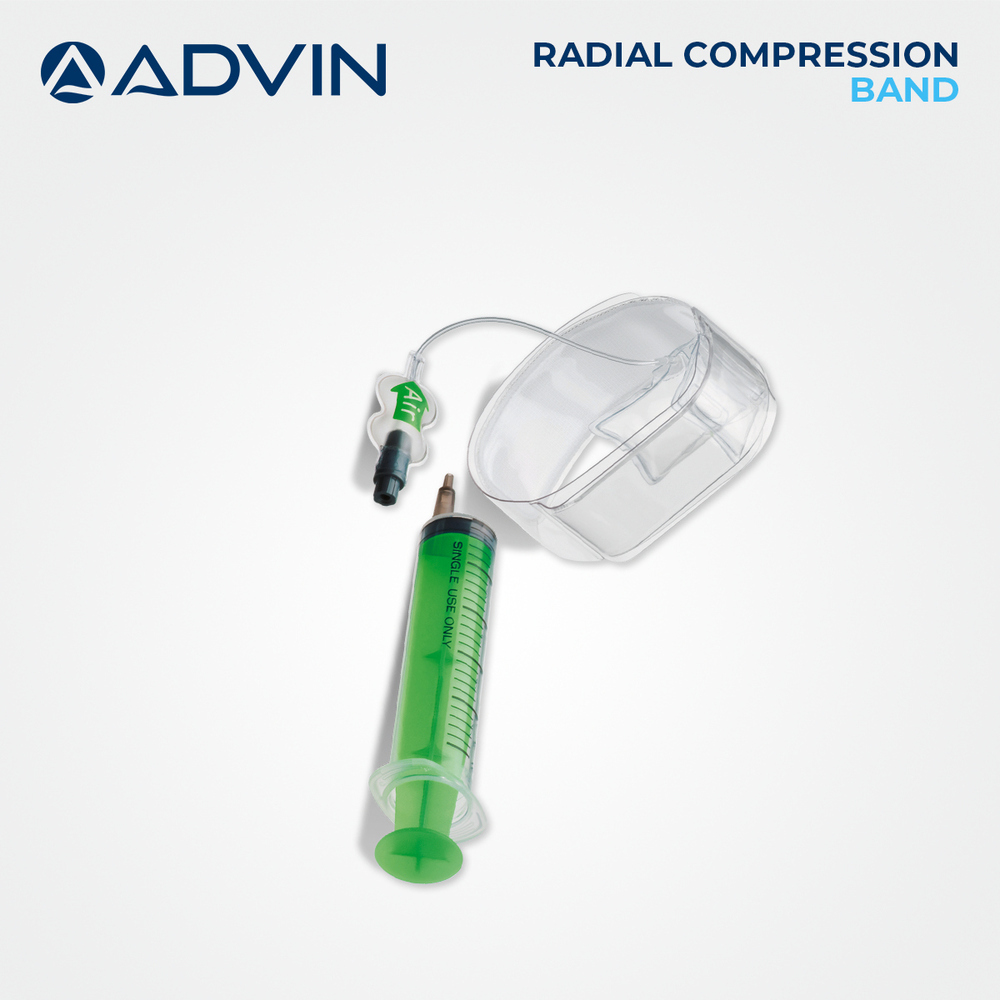
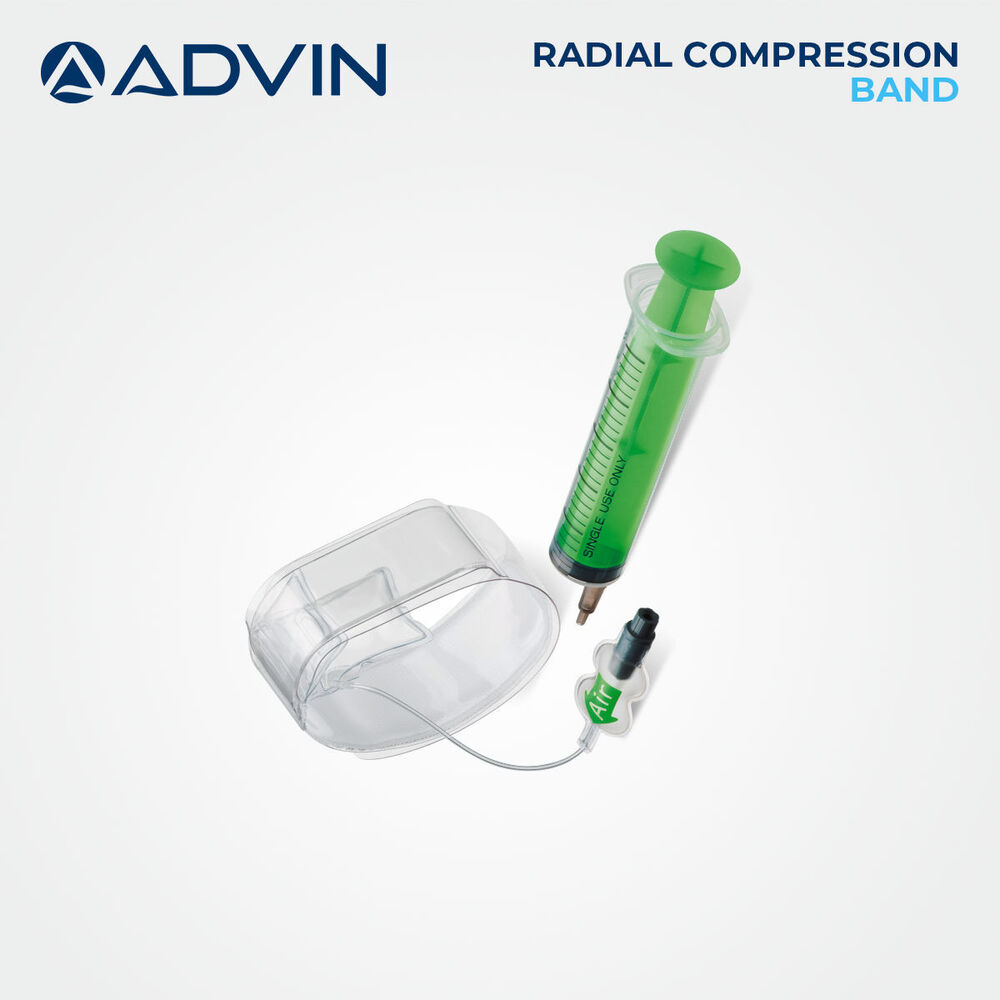
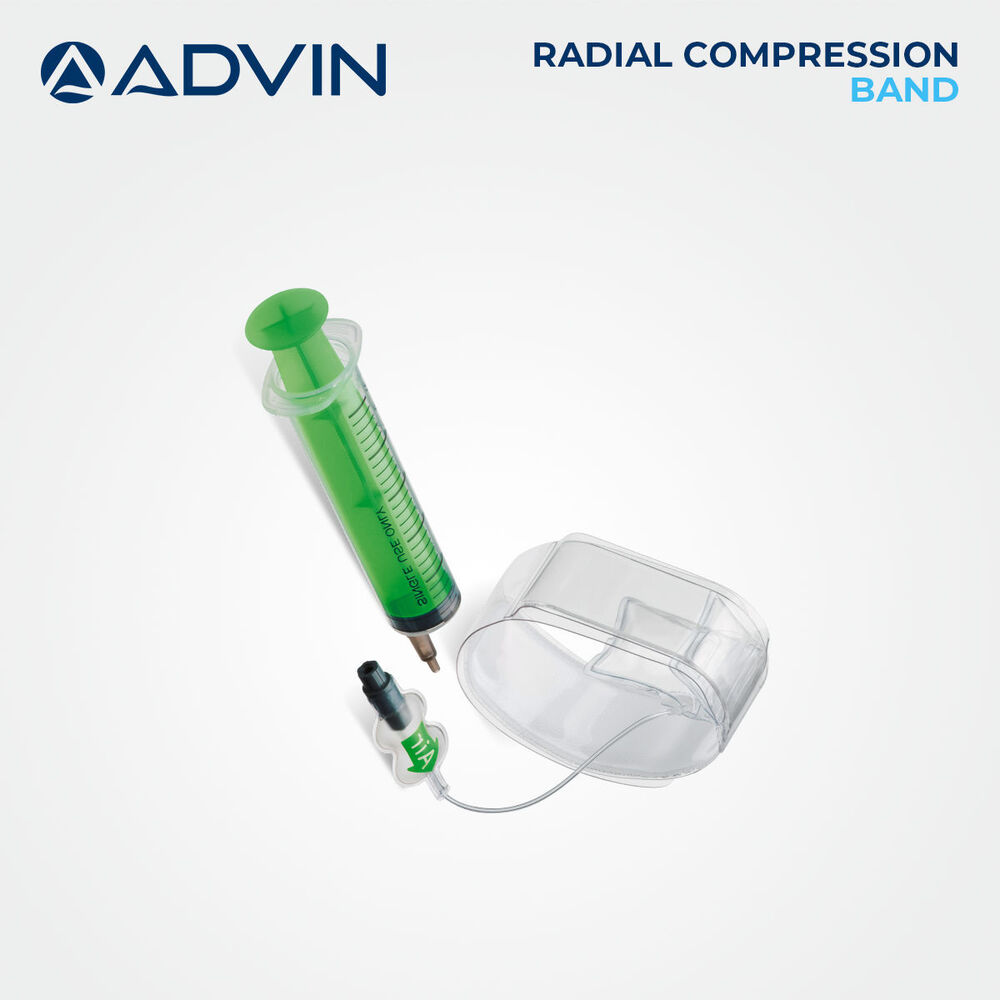
Radial Compression Band is a compression device designed to assist hemostasis of the radial artery after a trans radial procedure.
Radial hemostasis compression device (radial artery tourniquet) is used to stop distal flow of sclerosing agent. The device is also used in compression of other veins, bypass grafts and fistulas during angiographic procedure.
Advanced Features
- Transparency Ensures
- Totally visual control from start to finish
- Luer lock fits both ordinary syringe and control syringe
- Tape with super adhesive balloon having sufficient stanching pressure
Efficient Hemostasis for HospitalsThe Radial Compression Band ensures rapid and reliable hemostasis for patients after arterial access procedures. Its manual operation gives healthcare professionals full control, enhancing patient safety during recovery. Made from sturdy plastic, this band is both lightweight and resilient, streamlining procedures and reducing nursing time. The devices portability allows its use at any patient location, increasing versatility and convenience in busy hospital environments.
Trusted Manufacturing and SupplyManufactured in India by established exporters, suppliers, and traders, the Radial Compression Band upholds strict quality standards. The commitment to real-time operational efficiency ensures that hospitals receive reliable and effective products suitable for everyday clinical use. Its widespread availability across regions demonstrates a focus on delivering essential medical equipment globally.
FAQs of Radial Compression Band:
Q: How is the Radial Compression Band used in a hospital setting?
A: The Radial Compression Band is applied carefully over the radial artery access site to provide secure compression after medical procedures, ensuring proper hemostasis and minimizing the risk of bleeding.
Q: What material is the Radial Compression Band made from?
A: The band is constructed from durable medical-grade plastic, offering both resilience and comfort for the patient while maintaining effective compression.
Q: When should a Radial Compression Band be utilized?
A: This device should be used immediately after arterial access procedures, such as catheterizations, to control bleeding and support clot formation at the puncture site.
Q: Where can the Radial Compression Band be applied within the hospital?
A: Due to its portable, non-wall-mounted design, the band can be used at the patients bedside or in any department where arterial procedures are performed, providing flexibility in care.
Q: What is the process for applying and adjusting the Radial Compression Band manually?
A: Healthcare professionals position the band over the access site and manually adjust the compression to the desired level, ensuring hemostasis without compromising circulation. Adjustment is simple and can be monitored in real time.
Q: What are the main benefits of using the Radial Compression Band?
A: The primary benefits include rapid and secure hemostasis, increased patient comfort, and reduced risk of complications such as hematoma. Its manual operation allows tailored compression based on individual patient needs.

 Send Inquiry



 Send Inquiry

 Send Inquiry
 English
 Spanish
 French
 German
 Italian
 Chinese (Simplified)
 Japanese
 Korean
 Arabic
 Portuguese