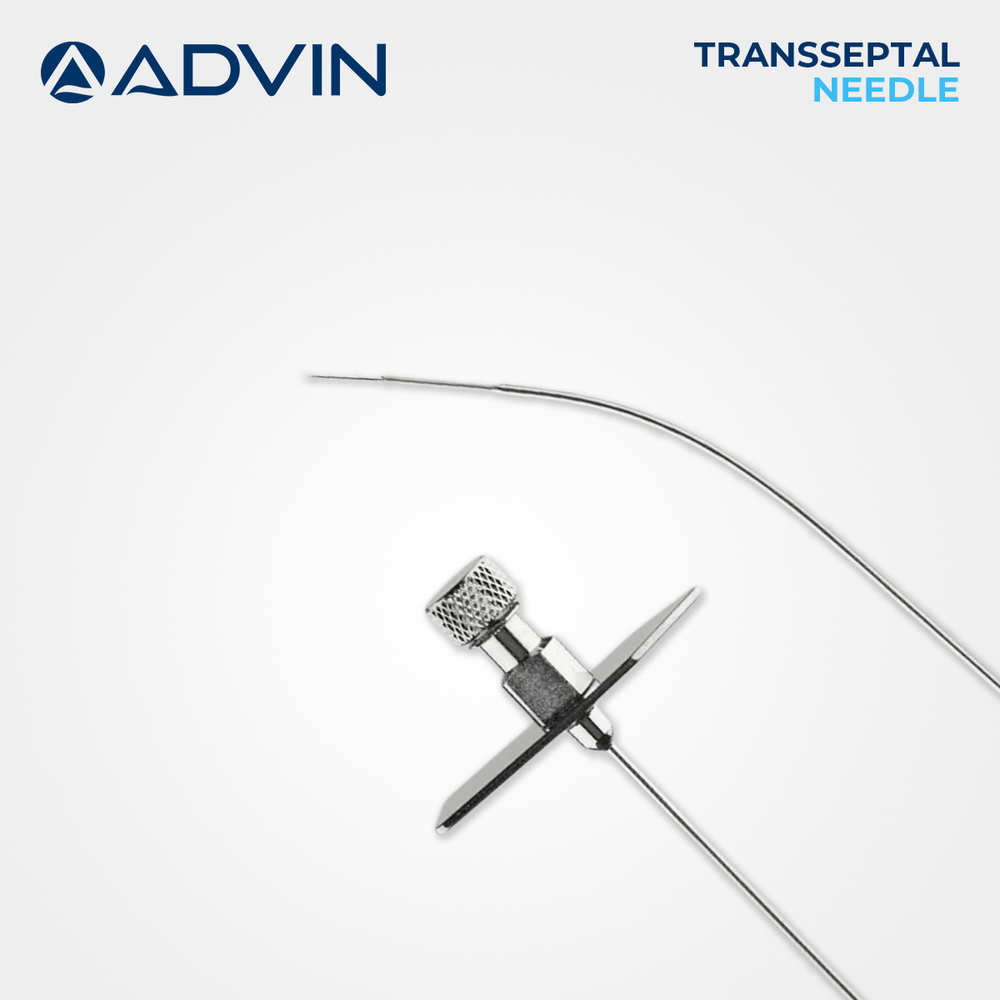
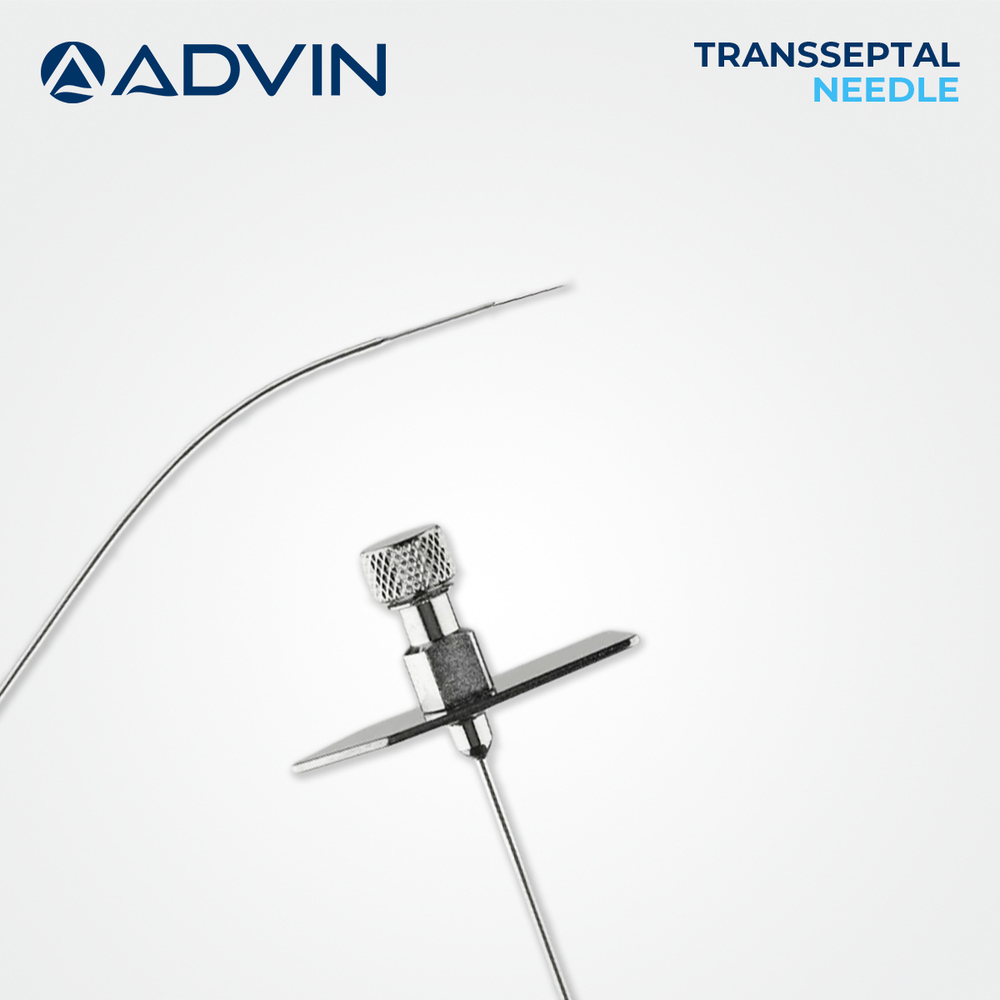
About Septal Crossing Needle Device
Advin Health Care Septal Crossing Needle Device is designed to facilitate accurate and controlled transseptal access during interventional cardiac procedures. It enables precise septal puncture, smooth crossing, and reliable performance in left atrial access interventions.
Key Features:
- Designed for precise septal puncture and crossing
- Smooth advancement for controlled access
- Compatible with transseptal access systems
- Reliable performance in interventional procedures
- Optimized for safe and accurate navigation
Certifications:
CE, ISO 13485, ISO 9001 Certified
Product Keywords:
Septal Crossing Needle Device, Transseptal Needle, Septal Puncture Needle, Cardiac Access Needle, Interatrial Access Device
, , , , .
Dispositivo de aguja para cruce septal, aguja transseptal, aguja de puncin septal, aguja de acceso cardaco, dispositivo de acceso interauricular
Dispositif d'accs septal, aiguille transseptale, aiguille de ponction septale, aiguille d'accs cardiaque, dispositif d'accs interauriculaire
Trusted Precision for Cardiac ProceduresEngineered for cardiac specialists, the Septal Crossing Needle Device is tailored for safe and efficient transseptal puncture. Its advanced precision machining technology and sharp puncture tip ensure accurate access, while ergonomic handle design enhances user comfort and stability. The device supports a range of curvature and gauge options, providing flexibility for a variety of procedural requirements. Each unit is thoroughly sterile, quality-certified, and designed with the operator's and patient's safety in mind.
Versatile Design and Enhanced SafetyThis device combines flexibility and robustness, offering compatibility with standard introducer sheaths and a choice of straight or angled tips to meet clinical challenges. Its latex-free composition reduces allergic risk, and the inclusion of radiopaque markings aids in precise real-time positioning. Individually packed in sterile blister packs and built from corrosion-resistant stainless steel, it's optimized for both portability and consistent performance.
FAQ's of Septal Crossing Needle Device:
Q: How is the Septal Crossing Needle Device sterilized and is it safe for patient use?
A: The Septal Crossing Needle Device undergoes ethylene oxide (ETO) sterilization, ensuring it remains free from contaminants and safe for direct contact during cardiac procedures. Its latex-free construction further reduces the risk of patient allergies.
Q: What sheath sizes and curve options are compatible with this device?
A: This needle is designed to fit standard introducer sheaths and is available in a range of gauge sizes from 18G to 21G. It offers multiple curvature choices-straight, 30, 55, and custom curves-to accommodate a spectrum of clinical preferences.
Q: When should the Septal Crossing Needle Device be used?
A: This device is intended for use during transseptal puncture procedures, which are commonly performed in cardiac interventions requiring access between the right and left atrium.
Q: Where should I store the device to maintain its sterility and shelf life?
A: To preserve sterility and extend its shelf life, keep the Septal Crossing Needle Device in its unopened blister packaging within a dry, sterile environment. The device has a five-year shelf life when appropriately stored.
Q: What are the key benefits of using this septal crossing needle?
A: Key benefits include high precision due to its sharp tip, ergonomic grip with depth markings, customizable curvature, silent manual operation, lightweight design, and radiopaque features for enhanced visibility during procedures.
Q: How do I use the needle during a transseptal puncture?
A: Use the device manually with the ergonomic handle to guide the needle through the sheath and perform the puncture. Depth and accuracy are aided by radiopaque and grip markings, following standard cardiac procedural protocols.
Q: Is this device reusable or single-use only?
A: The Septal Crossing Needle Device is a single-use, disposable product. It should be discarded after one procedure to ensure patient safety and maintain sterility standards.

 Send Inquiry



 Send Inquiry

 Send Inquiry
 English
 Spanish
 French
 German
 Italian
 Chinese (Simplified)
 Japanese
 Korean
 Arabic
 Portuguese