About Single-Use Guiding Catheter
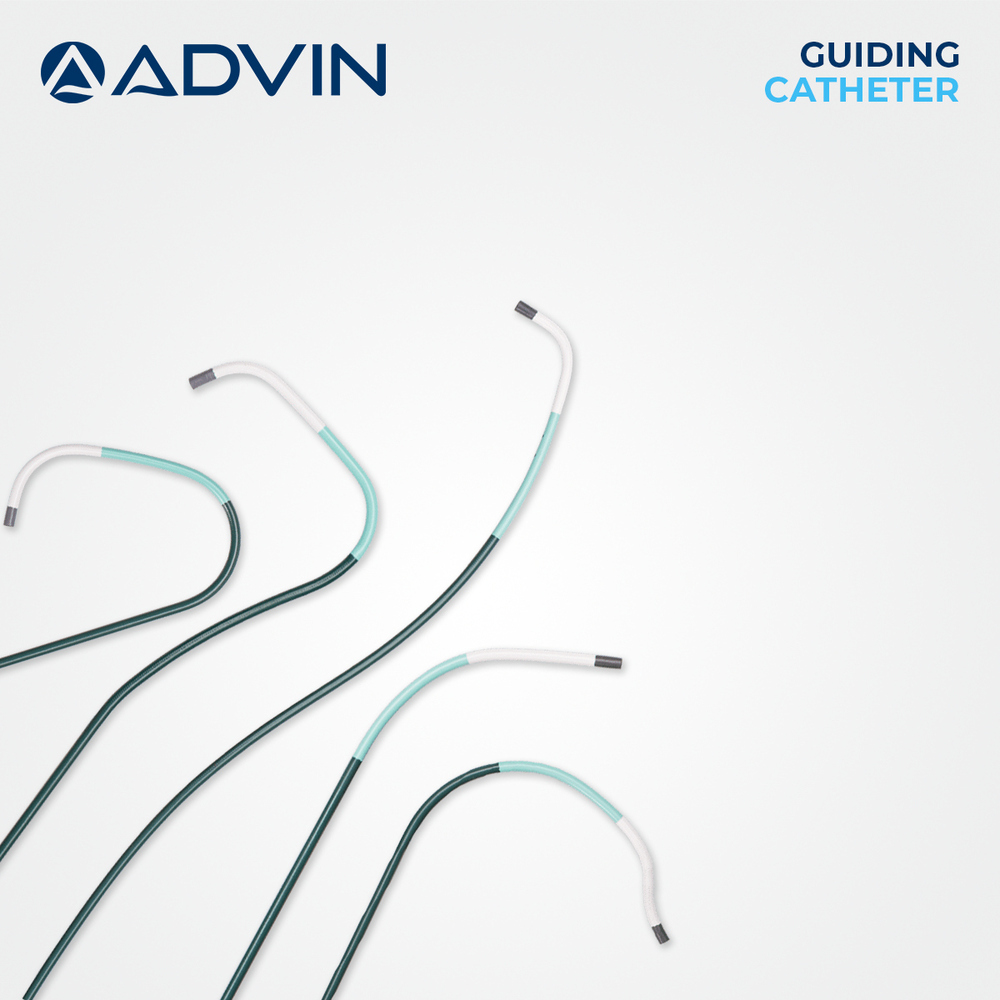
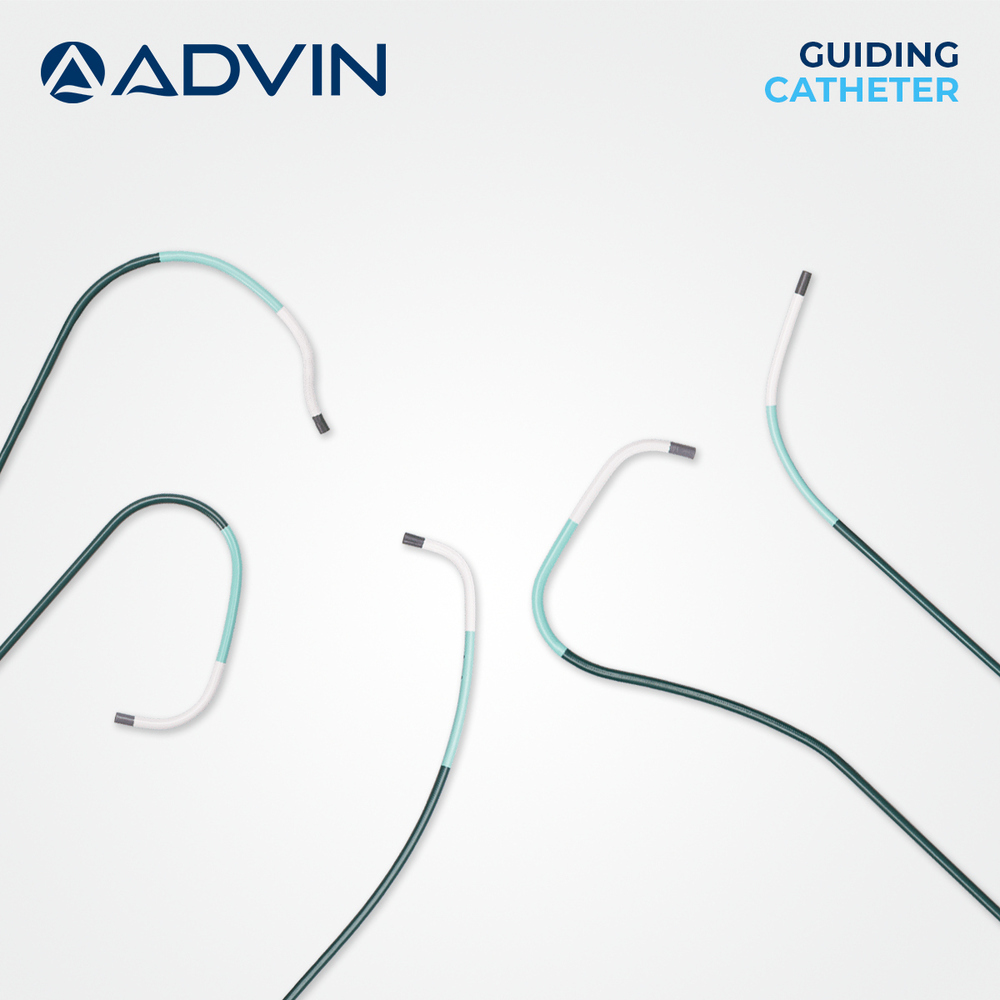
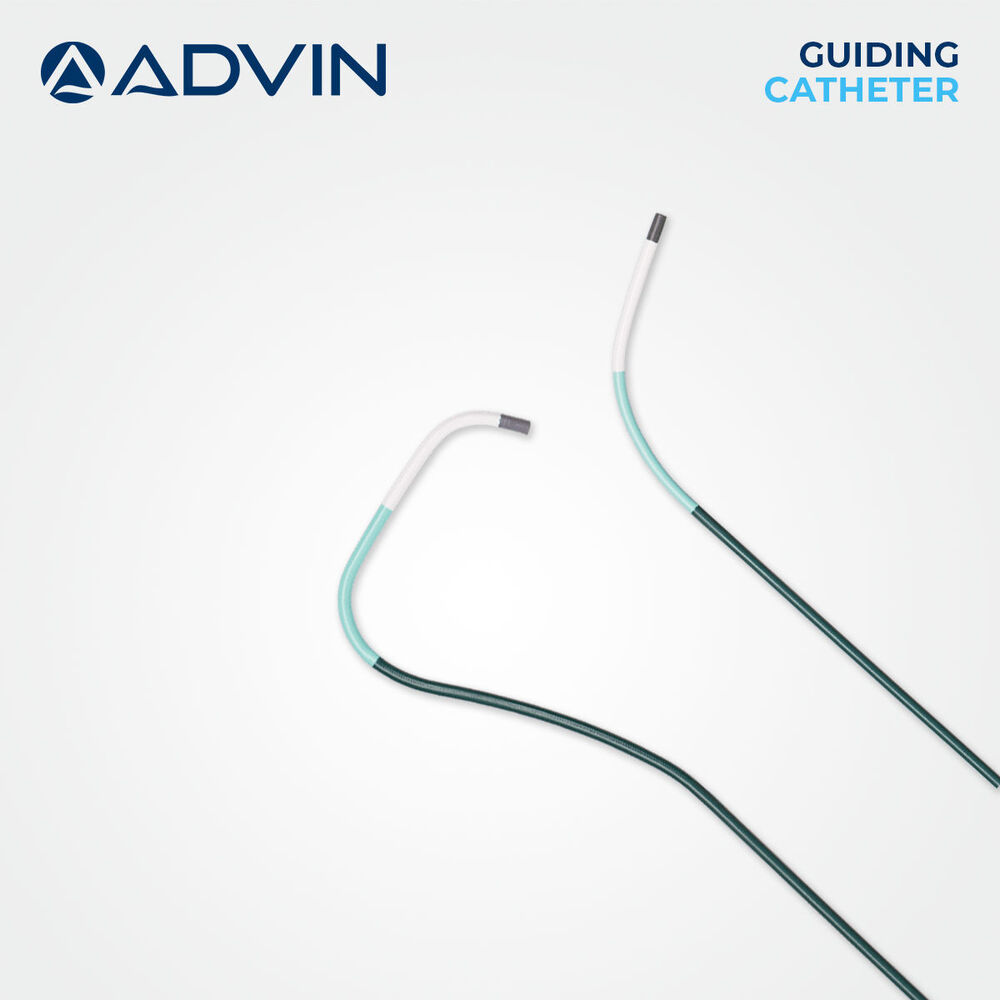
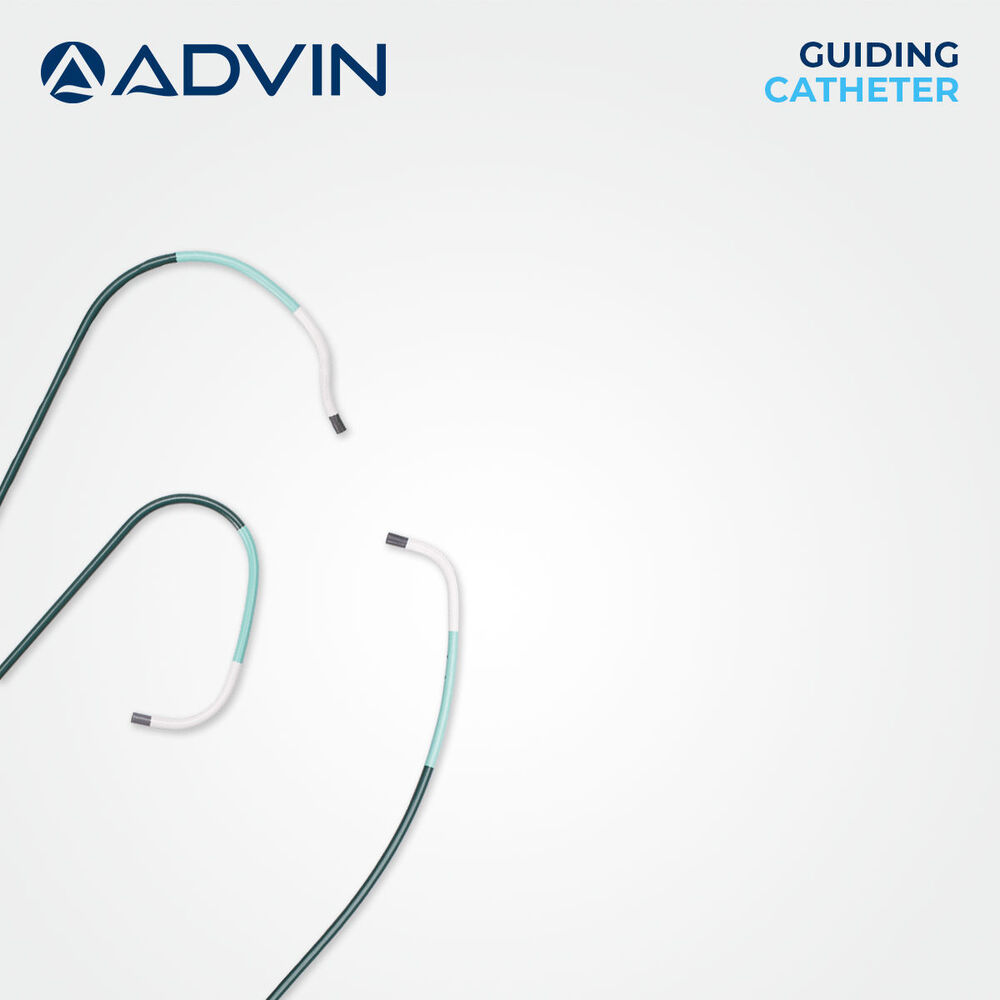
The disposable guiding catheter is designed to support safe and reliable cardiovascular procedures by offering consistent performance during vessel access. Its single-use design helps reduce the risk of cross-contamination and supports infection control protocols. Advin Health Care manufactures this catheter with a strong focus on quality, safety, and dependable clinical performance. The catheter supports efficient procedural workflow and is suitable for a wide range of cardiac and vascular interventions.
Advanced Features
-
Single-use design to support infection control
-
Designed to provide stable vascular access
-
Supports smooth advancement of interventional devices
-
Compatible with standard guide wires and catheterization systems
Product Keywords
Disposable Guiding Catheter, Guiding Catheter, Coronary Guiding Catheter, Angiography Guiding Catheter, PTCA Guiding Catheter, Interventional Support Catheter
U3 aUUUU UU3a U UU U U3 aUUUU U3 aUUUU UU UUU UaU U3 aUUUU UaUU UU1U U UUU U3 aUUUU UaU3U1 U UUU UaU 1U UU UU U3 1U Ua Ua U1UU
1234N342N1 12N2NNN 1 oNNN, 12N2NNN 1 oNNN, o34N3412N12N1 12N2NNN 1 oNNN, 12N2NNN 1 oNNN N 123 343NN , 12N2NNN 1 oNNN N , oNNN N 12NN212N 341212341 34 No .
CatAter guAa desechable, catAter guAa, catAter guAa coronario, catAter guAa para angiografAa, catAter guAa para PTCA, catAter de soporte intervencionista
CathAter guide A usage unique, cathAter guide, cathAter guide coronaire, cathAter guide pour angiographie, cathAter guide pour angioplastie transluminale percutanAe (ATP), cathAter de soutien interventionnelEnhanced Guidewire Passage for PrecisionA PTFE (polytetrafluoroethylene) inner lining ensures a smooth, frictionless pathway for guidewires and interventional devices, supporting quick and accurate advancement during procedures. This feature significantly reduces resistance, streamlining the vascular access process.
Flexible Design for Superior ManeuverabilityBuilt with a high-flexibility shaft and torque control, the guiding catheter allows operators to navigate complex arterial pathways with greater ease. Kink-resistant and lightweight, it provides comfort and stability, aiding reliable performance during coronary and peripheral procedures.
Certified Safe and Ready for UseCleared by CE marking and ISO 13485 certification, this latex-free guiding catheter is both biocompatible and sterile-processed with ethylene oxide and individually packaged. Its three-year shelf life enhances storage convenience and ensures long-term availability for busy cardiology departments.
FAQ's of Single-Use Guiding Catheter:
Q: How is the sterility of the Single-Use Guiding Catheter ensured?
A: The catheter is sterilized using ethylene oxide and comes packaged individually in a sterile pouch. This guarantees that each catheter remains free from contamination until use.
Q: What is the benefit of the PTFE inner lining in the catheter?
A: The PTFE inner lining creates a smooth, low-friction pathway, facilitating easy passage and advancement of guidewires and devices, which reduces procedural time and improves accuracy.
Q: When should this single-use guiding catheter be used?
A: This catheter is suitable for coronary and peripheral vascular procedures, including interventional cardiology and angioplasty, where accurate navigation and access are critical.
Q: Where can the catheter be stored to maintain its quality?
A: Store the unused catheter in a cool, dry place away from direct sunlight to preserve its sterility and extend shelf life.
Q: What process should be followed for catheter disposal after use?
A: After a single use, the catheter should be disposed of according to your institution's biomedical waste protocols to ensure proper handling of medical disposables.
Q: What advantages does the ergonomic, color-coded hub offer?
A: The ergonomic and color-coded hub simplifies identification of catheter size and enhances handling comfort, reducing user fatigue and streamlining procedural workflow.
Q: How does the catheter's flexibility support procedural outcomes?
A: High flexibility and kink resistance enable the catheter to navigate tortuous vessels smoothly, allowing clinicians greater control and minimizing the risk of vascular trauma during interventions.

 Send Inquiry




 Send Inquiry

 Send Inquiry
 English
 Spanish
 French
 German
 Italian
 Chinese (Simplified)
 Japanese
 Korean
 Arabic
 Portuguese