Spine Implants About
Spine Implants are widely used in trauma and reconstructive spinal surgeries for fractures, deformities, and degenerative disorders. They provide stable support to vertebrae, enabling proper alignment and facilitating the healing process. Advin Health Care manufactures Spine Implants with precision, using premium medical-grade materials to ensure reliability, biocompatibility, and long-term performance. Available in various designs and sizes, these implants cater to different surgical techniques and patient anatomies, offering optimal clinical outcomes and improved spinal function.
Advanced Features:
-
Made from premium medical-grade materials for strength, durability, and biocompatibility
-
Provides stable spinal support and maintains proper vertebral alignment
-
Available in multiple designs and sizes to suit various surgical needs
-
Helps reduce pain and restore mobility in trauma or degenerative conditions
-
Suitable for trauma, deformity correction, and reconstructive spinal surgeries
Precision Spine Support for Diverse Surgical NeedsDesigned for use across the cervical, thoracic, and lumbar spine, our implants provide high-precision support and alignment. Micro-textured surfaces enhance bone integration, while radiolucent markers facilitate accurate post-surgical assessment. These features enable surgeons to address a wide range of spinal conditions with confidence and efficiency.
Safety and Compatibility as PrioritiesAll implants are EO sterilized, single-use, and individually packed to maintain sterility until the time of surgery. Compatibility with most surgical systems ensures seamless integration into various clinical settings, supporting hospitals and surgical teams with dependable devices that are ready for immediate use.
Customizable Design for Optimal FitRecognizing the uniqueness of patient anatomy, customization options are available to ensure optimal fit and spinal stabilization. This allows for patient-specific solutions that can contribute to better surgical outcomes and enhanced postoperative recovery.
FAQ's of Spine Implants:
Q: How are spine implants sterilized and packed for use?
A: Each spine implant undergoes EO (ethylene oxide) sterilization, ensuring it is completely sterile and safe for surgical use. Implants are also individually packed and sealed in a sterile environment to prevent contamination before reaching the operating room.
Q: What types of spine implants are available, and where can they be used?
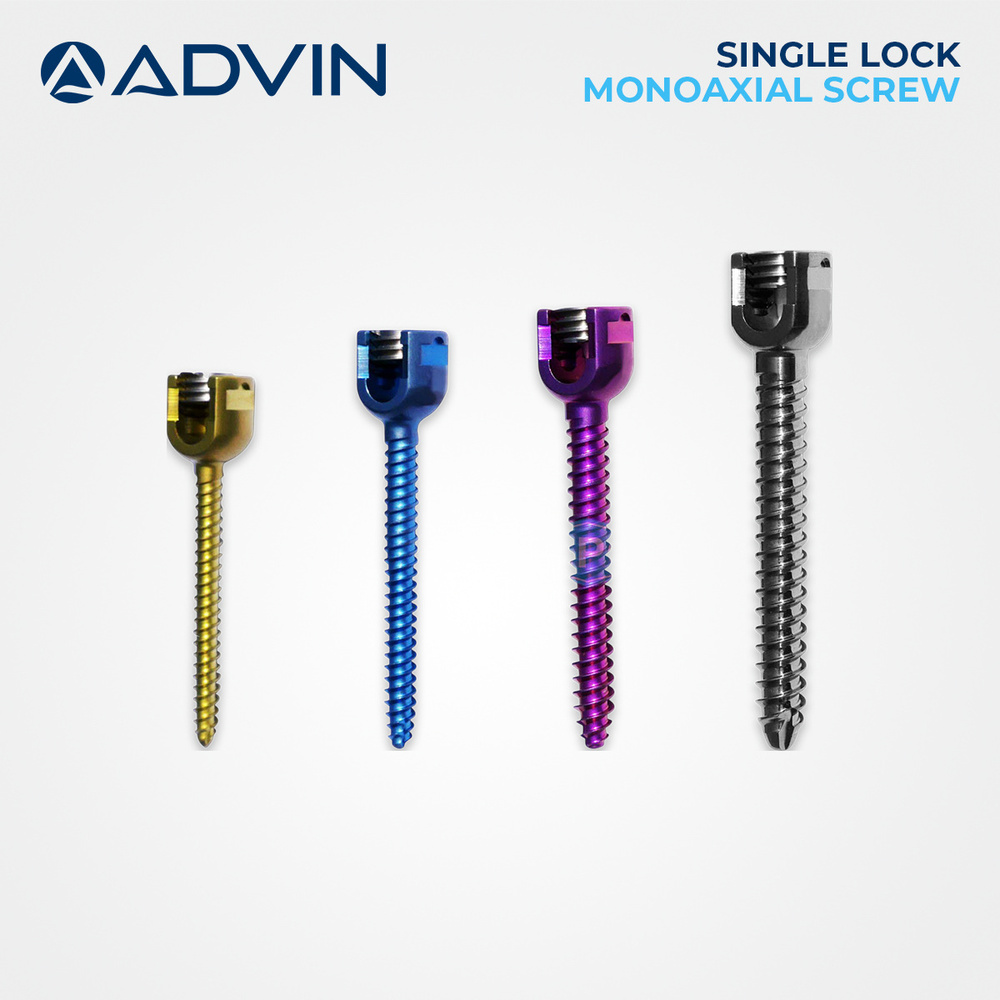
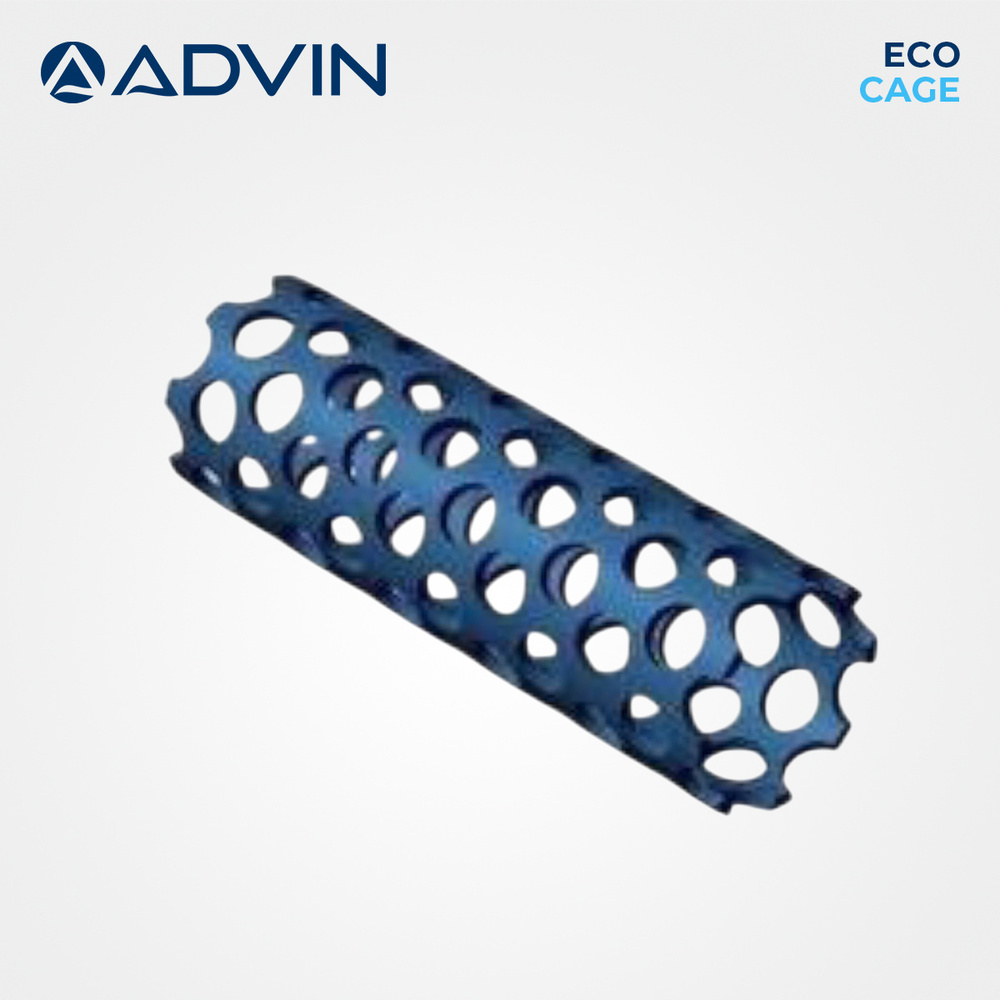
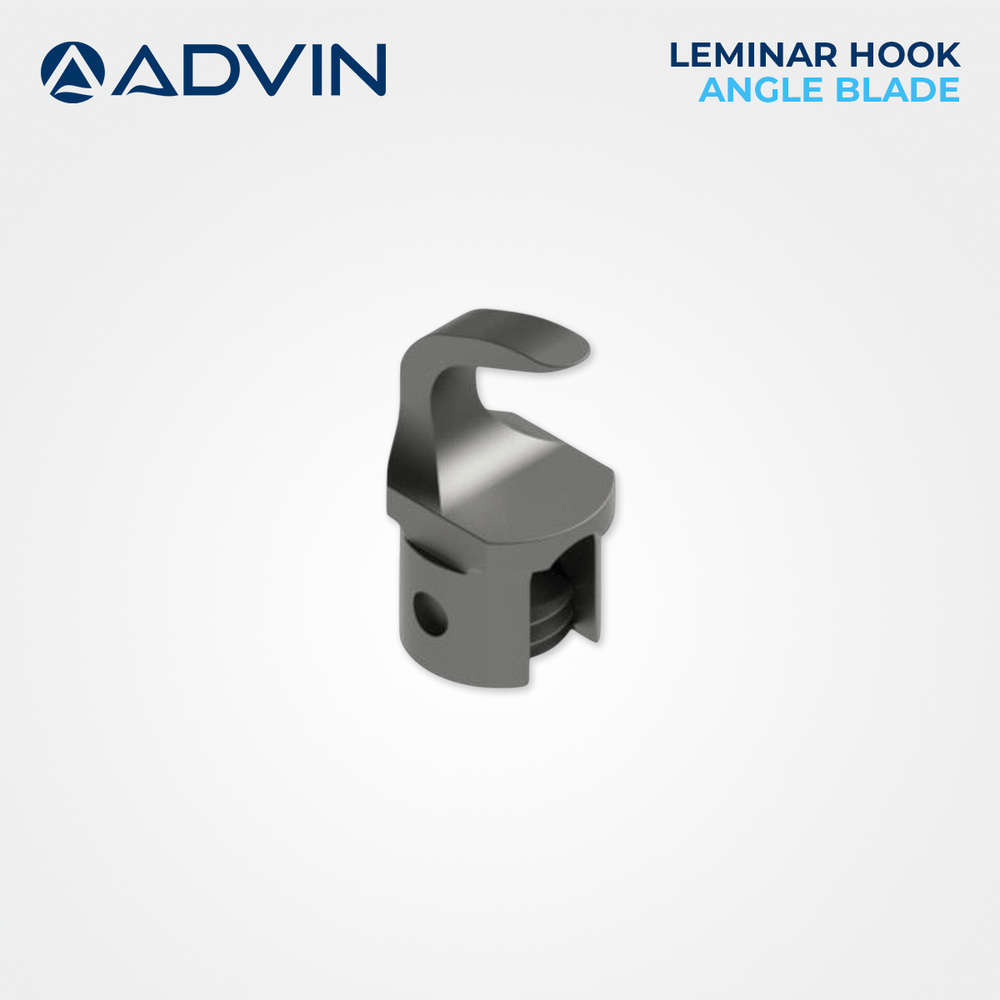
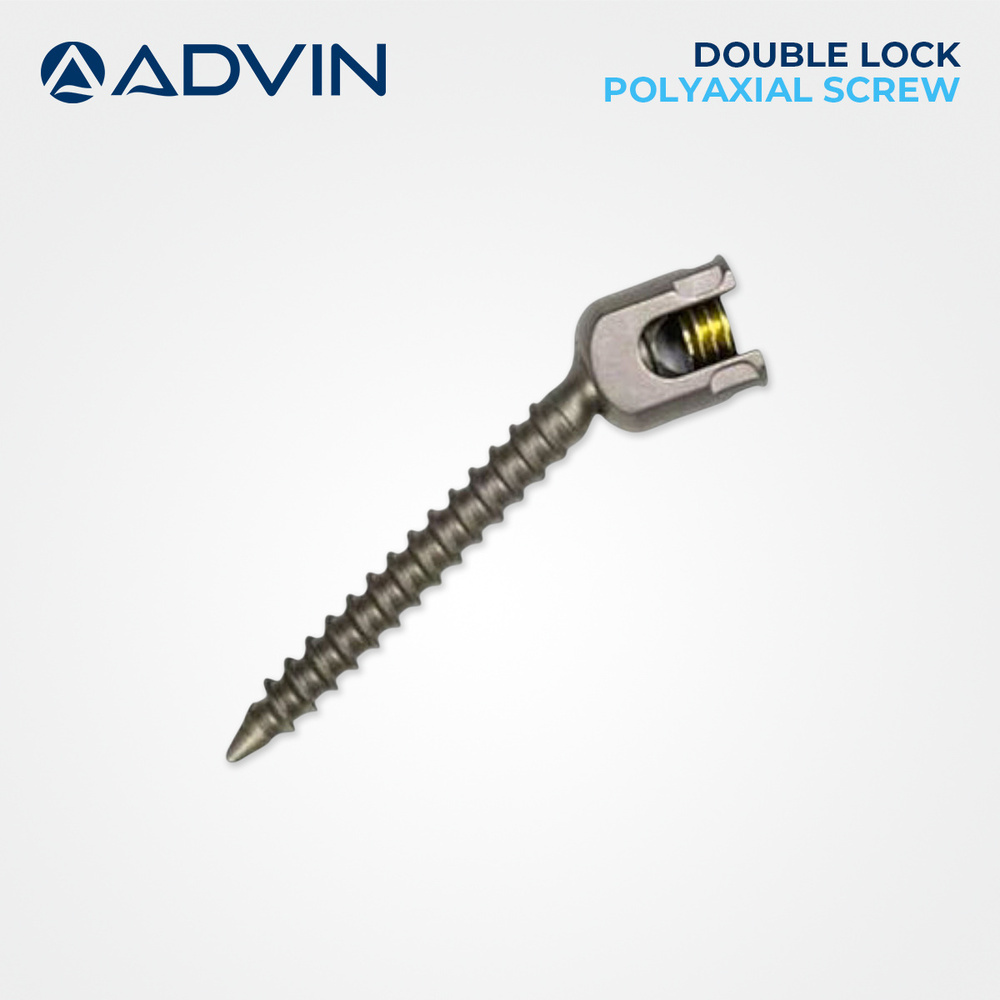
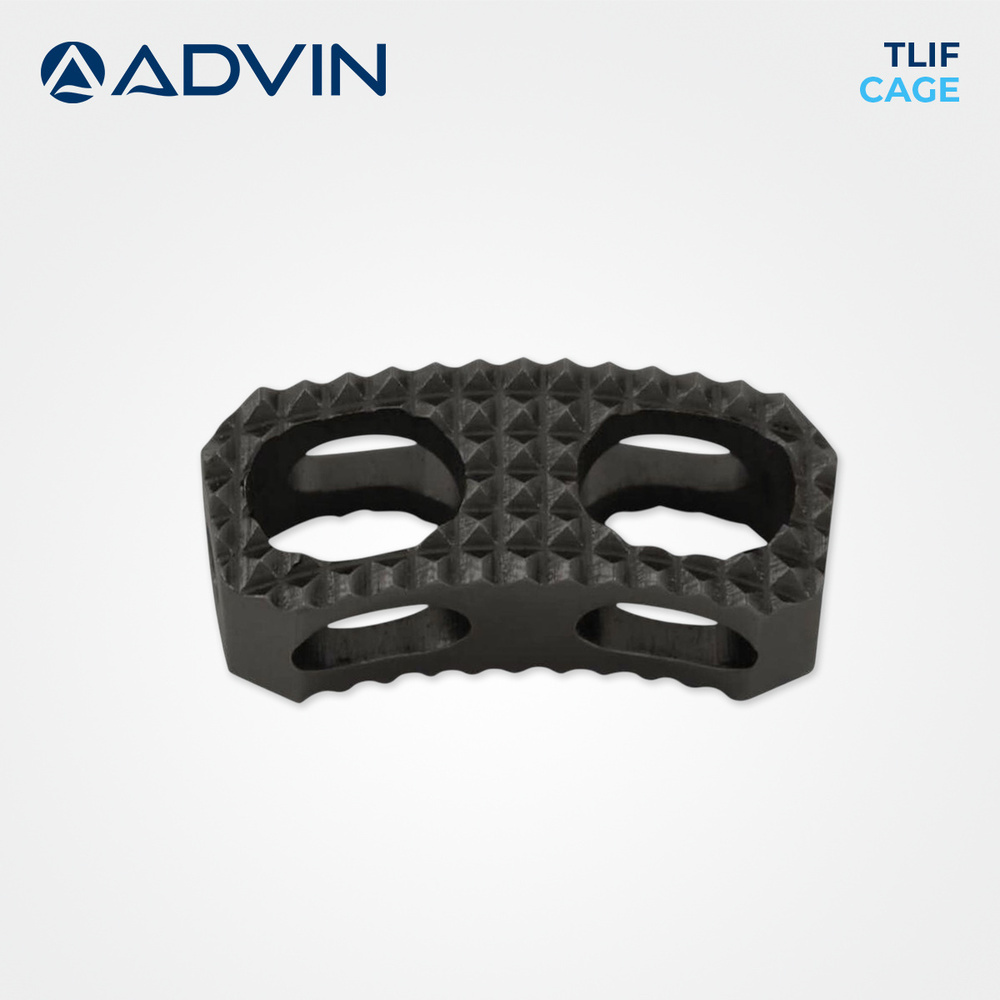
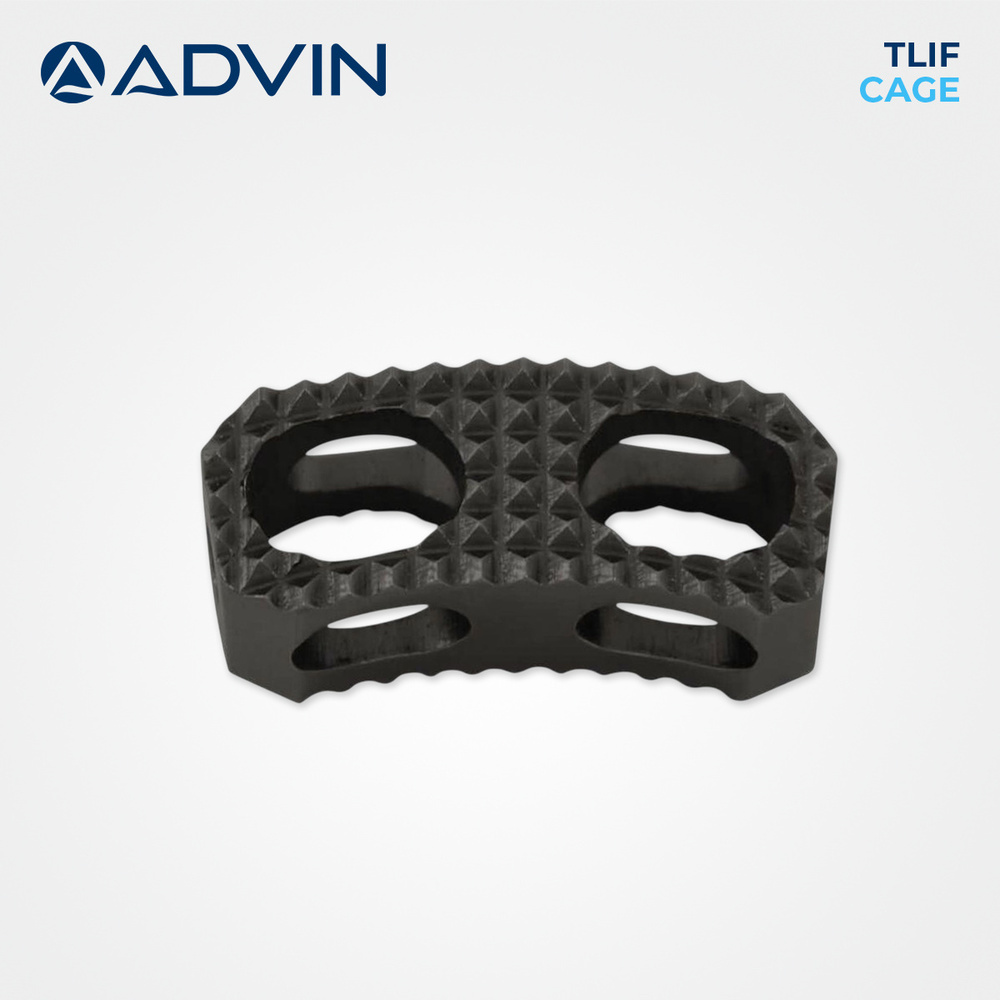
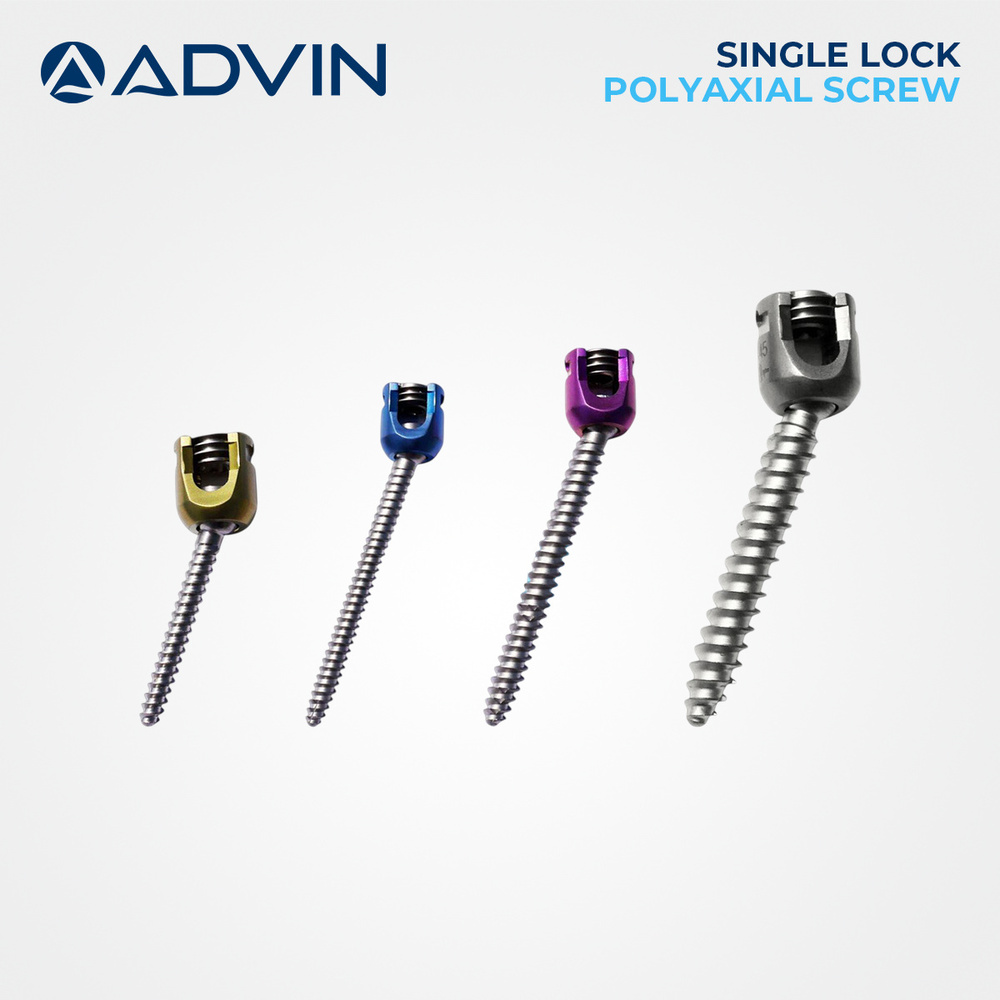
A: Available in a variety of shapes-such as pedicle screws, rods, cages, and plates-these implants are suitable for applications in the cervical, thoracic, and lumbar regions of the spine.
Q: How do radiolucent markers benefit spinal surgery?
A: Radiolucent markers incorporated into the implants enhance their visibility under X-ray imaging, allowing surgeons to verify precise placement during and after spinal procedures.
Q: What is the typical process for selecting and customizing a spine implant?
A: Implants are chosen based on the patient's specific spinal condition and anatomical requirements. Customization services are available to tailor dimensions and features, providing a precise fit and optimizing surgical outcomes.
Q: When should these spinal implants be used, and by whom?
A: These implants are intended for use during spinal stabilization surgeries and should be handled by trained orthopedic and spinal surgeons in clinical or hospital settings.
Q: What materials and features ensure implant longevity and safety?
A: Constructed from titanium alloy, the implants are corrosion-resistant, biocompatible, and designed for strong fixation. Micro-textured or smooth surfaces support bone integration, contributing to long-term stability.
Q: What are storage and handling instructions for the implants?
A: Spine implants should be stored in a dry, sterile environment and kept in their original, sealed packaging until use. They have a shelf life of up to five years when stored properly.

 Send Inquiry





 Send Inquiry

 Send Inquiry
 English
 Spanish
 French
 German
 Italian
 Chinese (Simplified)
 Japanese
 Korean
 Arabic
 Portuguese