About Stainless Steel Guide Wires
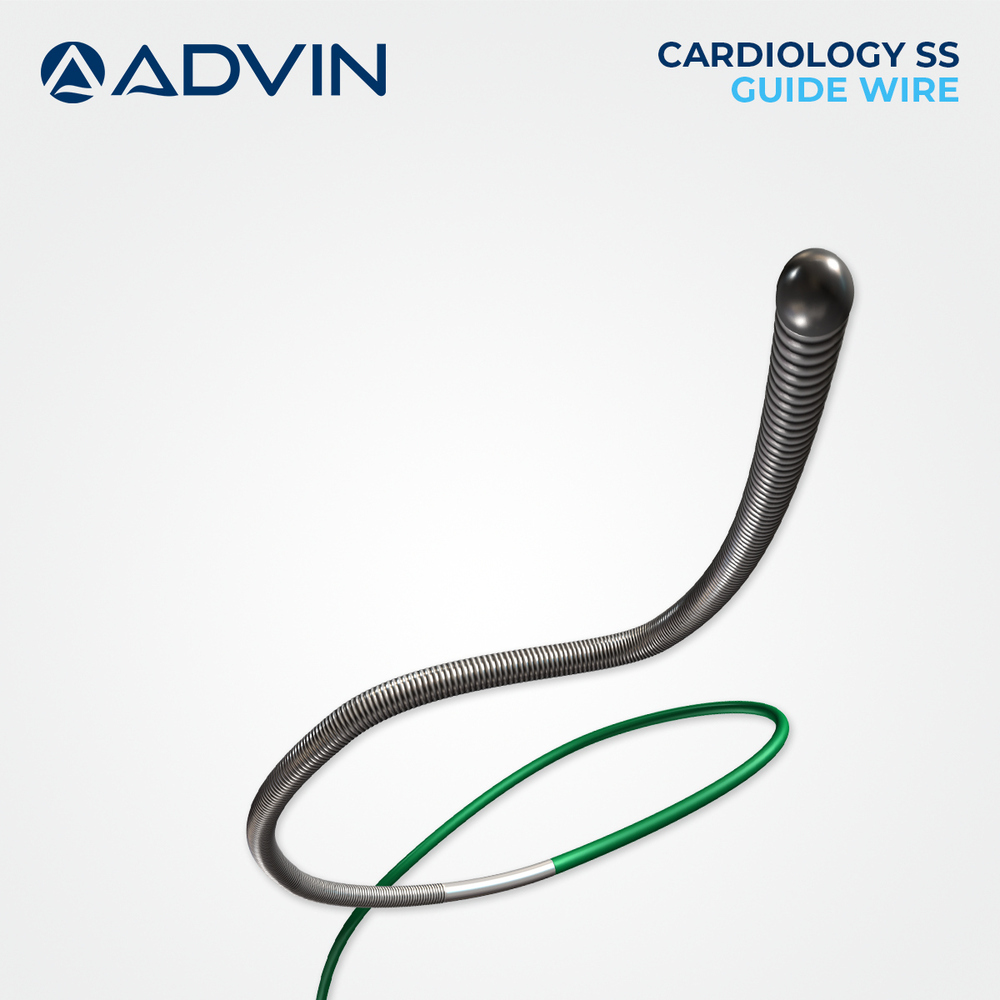
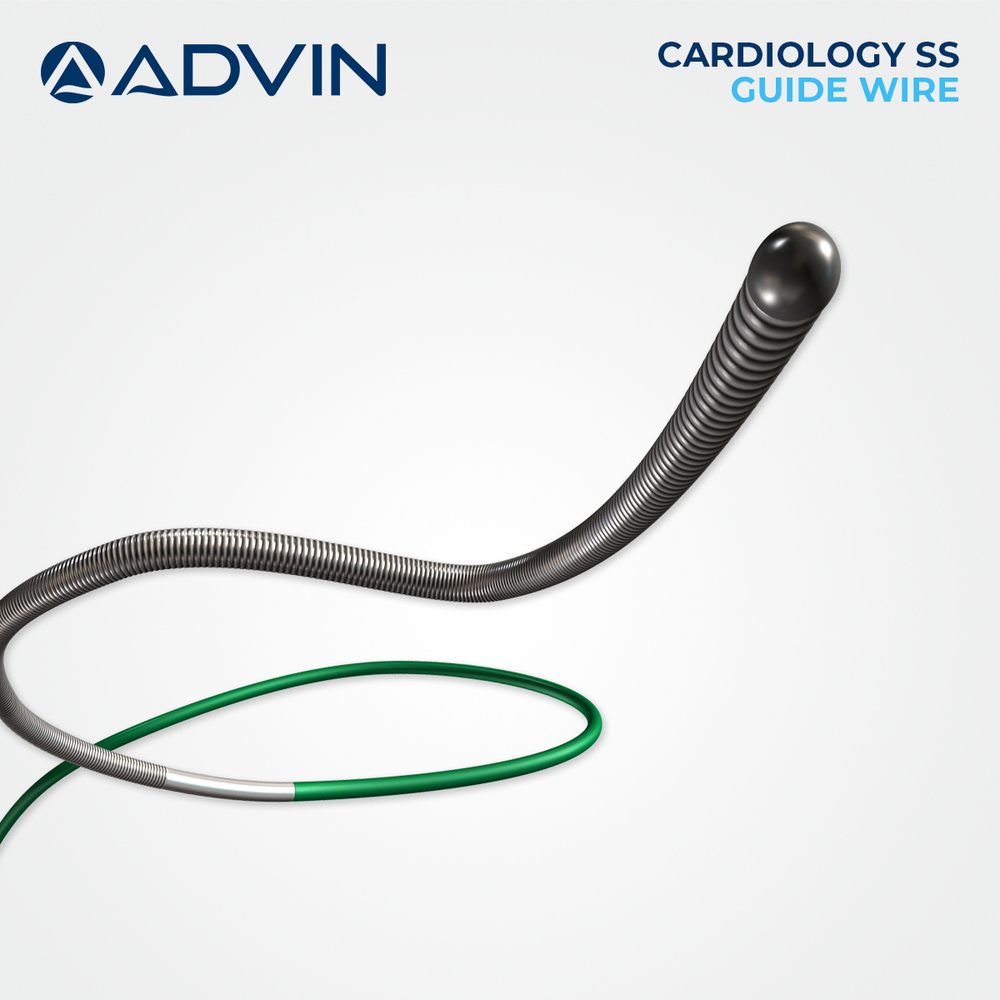
Advin Health Care is a trusted manufacturer of Stainless Steel Guide Wires designed to meet international quality standards. These guide wires are used in vascular and interventional procedures for smooth navigation and reliable support during device placement.
Key Features
- High-quality stainless steel core for strength, durability, and torque control
- Smooth coating for low-friction movement through vessels
- Flexible design for navigating complex vascular anatomy
- Radiopaque tip for accurate positioning under imaging
- Suitable for coronary, peripheral, and interventional applications
Certifications
We are certified with CE, ISO 13485, and ISO 9001 standards.
Product Keywords
Stainless Steel Guide Wires, Vascular Guide Wire, Interventional Guide Wire, Coronary Guide Wire, Torque-Control Guide Wire, Angiography Guide Wire
, , , , ,
Alambres gua de acero inoxidable, alambre gua vascular, alambre gua intervencionista, alambre gua coronario, alambre gua con control de torsin, alambre gua para angiografa
Fils guides en acier inoxydable, fil guide vasculaire, fil guide interventionnel, fil guide coronaire, fil guide contrle de couple, fil guide d'angiographie
Advanced Navigation for Medical ProceduresOur stainless steel guide wires are meticulously crafted to handle the demanding requirements of modern medical interventions, offering clinicians optimal flexibility, smooth navigation, and robust control. Optional coatings like PTFE or hydrophilic reduce friction, further facilitating the smooth passage of catheters through complex vascular pathways. Each wire is radiopaque for instant visibility under fluoroscopy, ensuring enhanced precision during procedures.
Versatile Sizes and Tip OptionsGuide wires are available in standard diameters-0.018", 0.021", 0.025", 0.035", and 0.038"-as well as custom lengths to meet the specific procedural needs. Tip configurations, including straight, angled, or J-tip, cater to varying anatomical challenges. These features support broad usage across specialties like cardiology, urology, and interventional radiology.
Reliable, Safe, and Easy to UseSterilized and individually packed, each guide wire is ready for immediate use, reducing the risk of infection or contamination. Their resistance to corrosion, kinking, and bending guarantees reliable performance, while being lightweight and portable for use in any clinical environment. Comprehensive shelf life of up to five years ensures readiness whenever required.
FAQ's of Stainless Steel Guide Wires:
Q: How are stainless steel guide wires used during medical procedures?
A: Stainless steel guide wires are inserted into blood vessels to facilitate the navigation and placement of catheters or other medical instruments. Physicians use them to guide instruments safely through vascular pathways during procedures in cardiology, urology, or gastroenterology.
Q: What are the benefits of PTFE or hydrophilic coatings on guide wires?
A: PTFE or hydrophilic coatings minimize friction, allowing smoother advancement of the wire and associated devices through vessels. This reduces the risk of vessel trauma and enhances maneuverability, improving patient outcomes and procedural efficiency.
Q: When should I choose straight, angled, or J-tip configurations?
A: The choice of tip depends on the intended application and anatomy. Straight tips suit straightforward navigation, angled tips aid in maneuvering through tortuous vessels, and J-tips are ideal for minimizing vessel trauma in curves or branches.
Q: Where are these guide wires typically applied?
A: These guide wires are widely used in hospitals and specialized medical centers during procedures such as angiography, catheterization, endoscopy, and other interventions in cardiology, urology, gastroenterology, and interventional radiology.
Q: What process ensures the sterility and safety of the guide wires?
A: Each guide wire is EO (ethylene oxide) sterilized and packaged individually. This process ensures the product remains sterile until opened for use, significantly reducing the risk of infection or cross-contamination.
Q: How does radiopacity benefit medical navigation with these guide wires?
A: Radiopaque guide wires are visible under fluoroscopy, enabling real-time visualization during procedures. This helps clinicians precisely track the wire's position, ensuring accurate guidance of instruments and reducing procedural risks.

 Send Inquiry






 Send Inquiry

 Send Inquiry
 English
 Spanish
 French
 German
 Italian
 Chinese (Simplified)
 Japanese
 Korean
 Arabic
 Portuguese