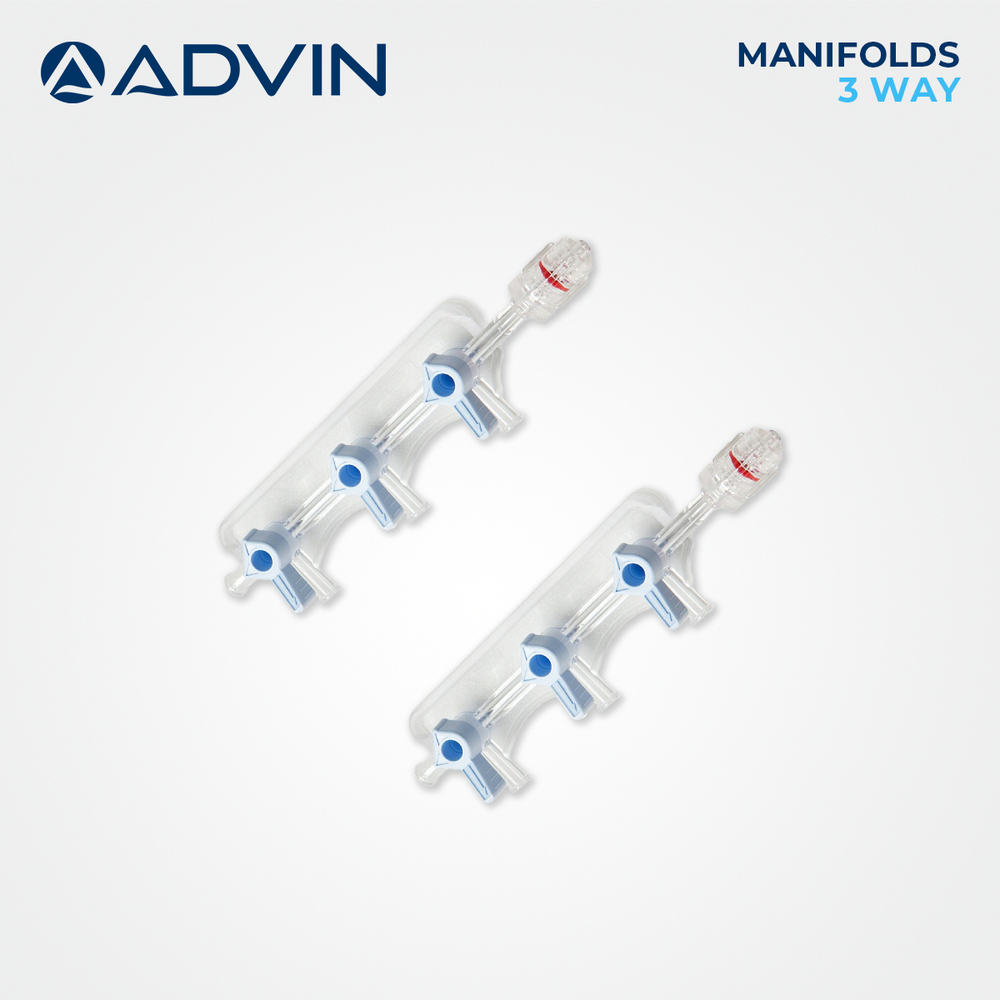
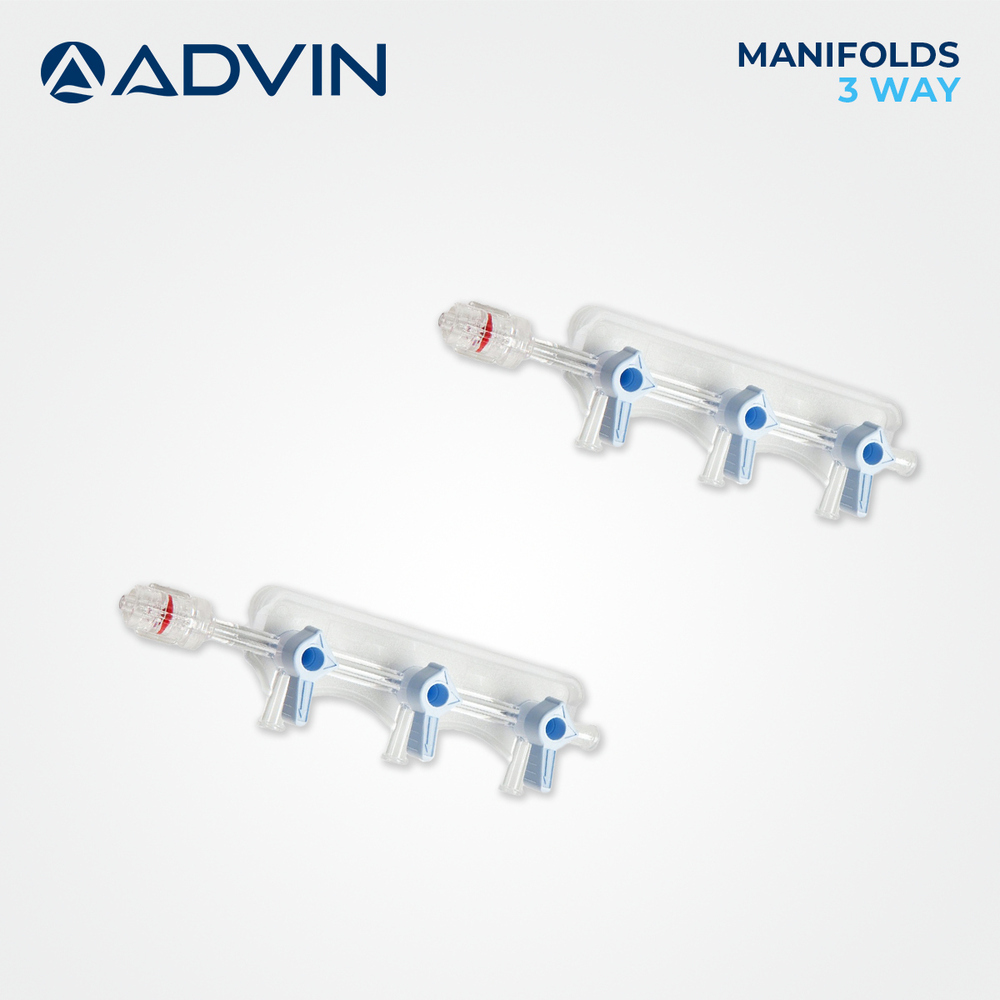
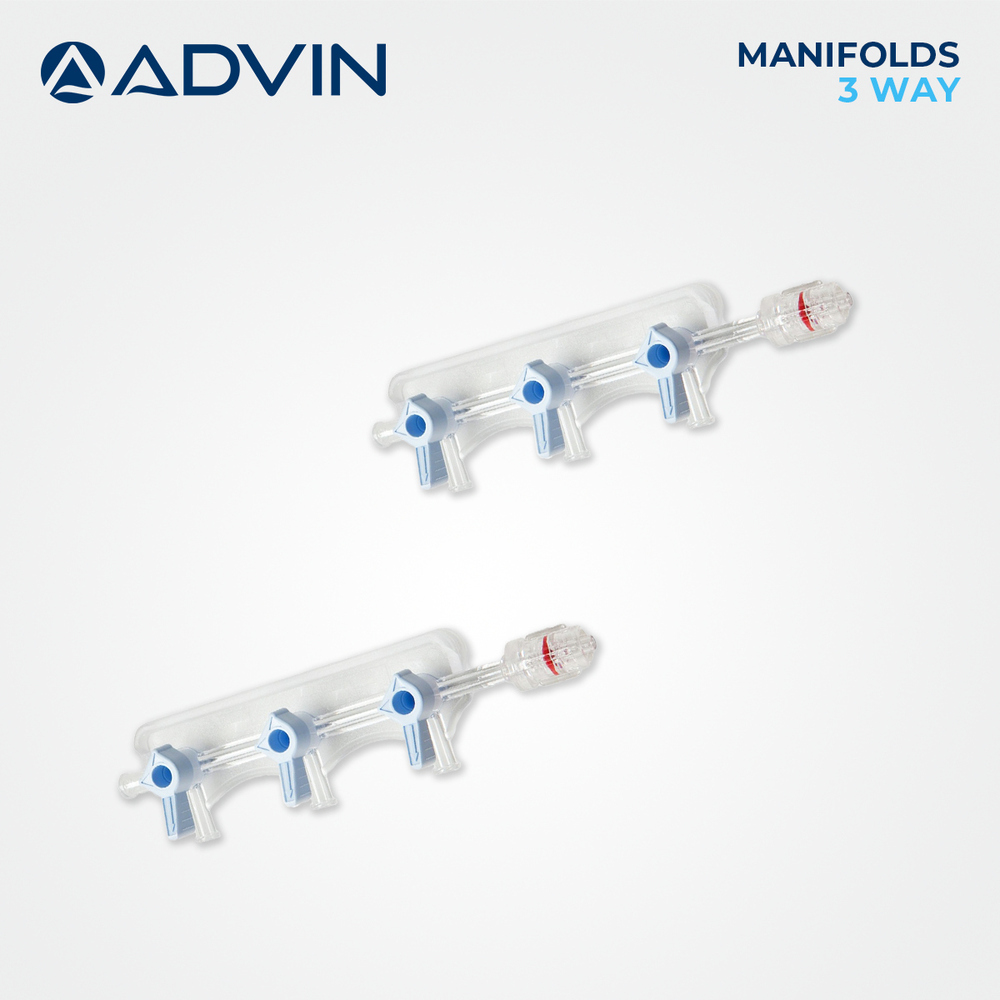
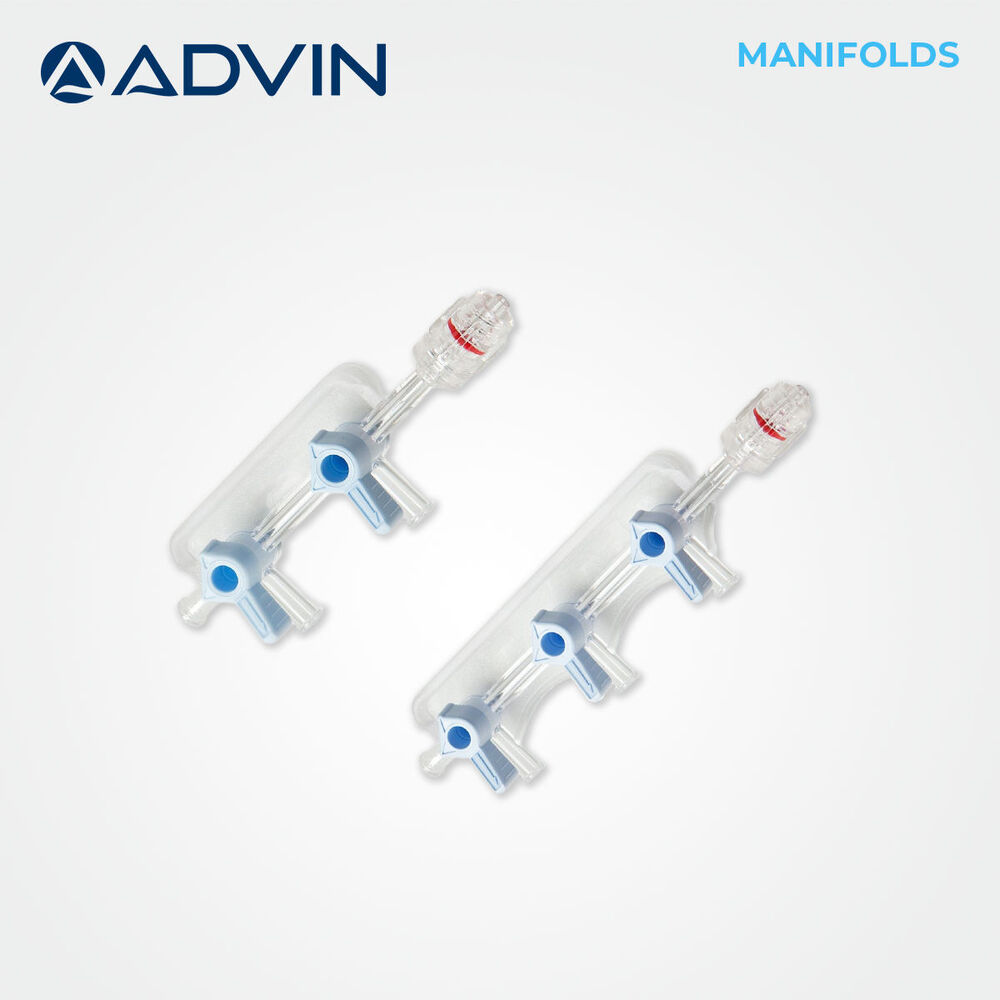
About Three Way Manifolds
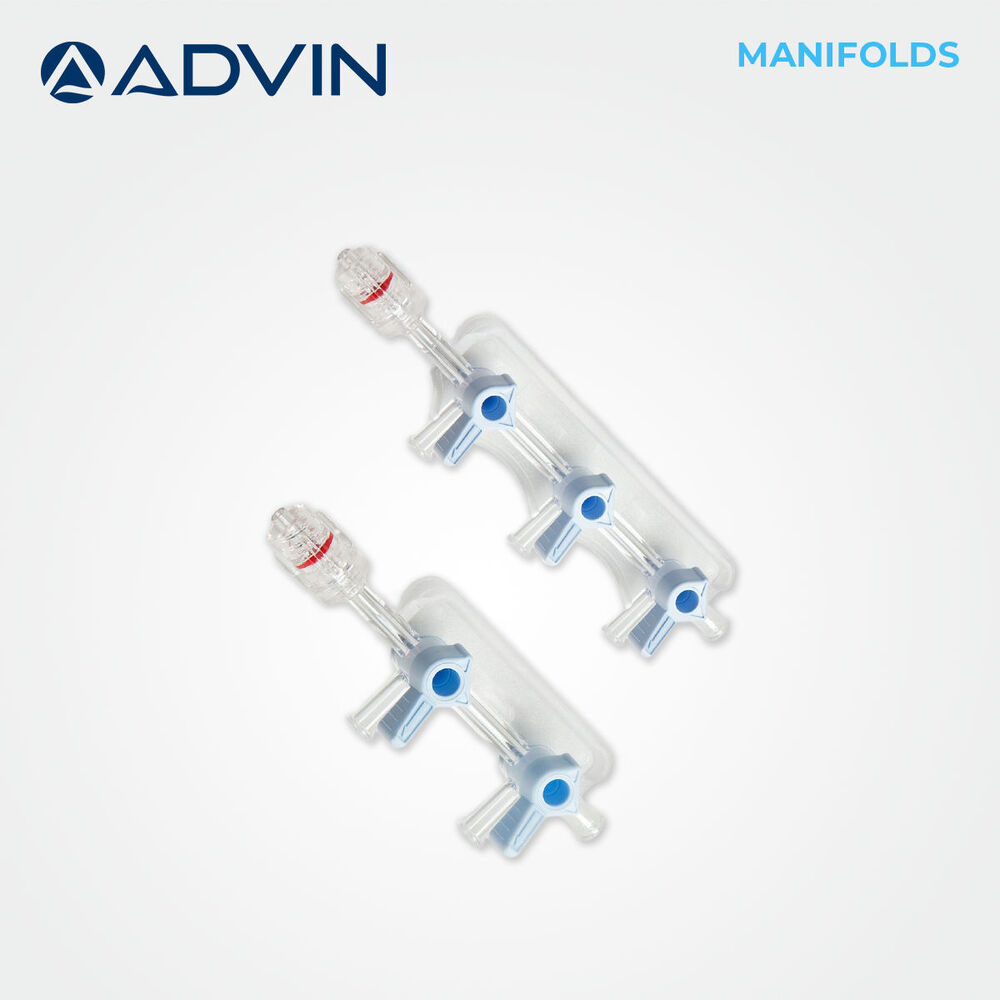
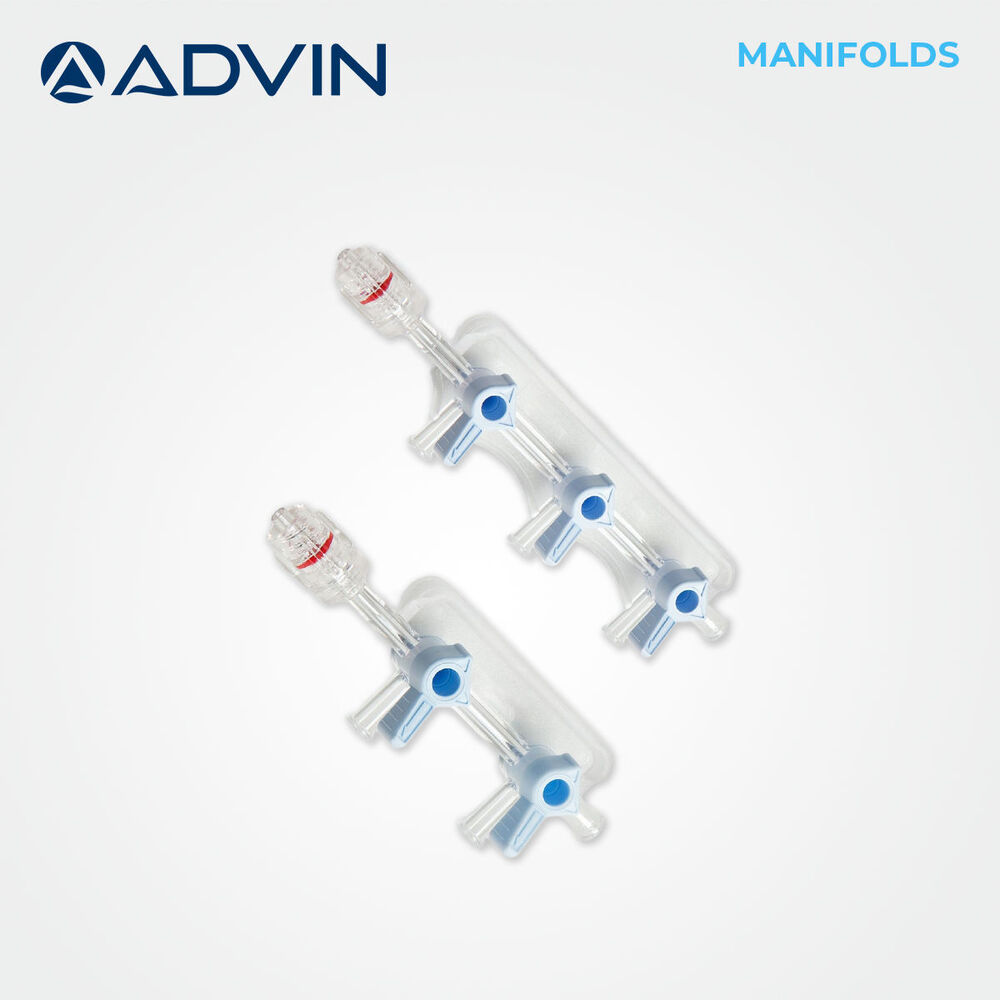
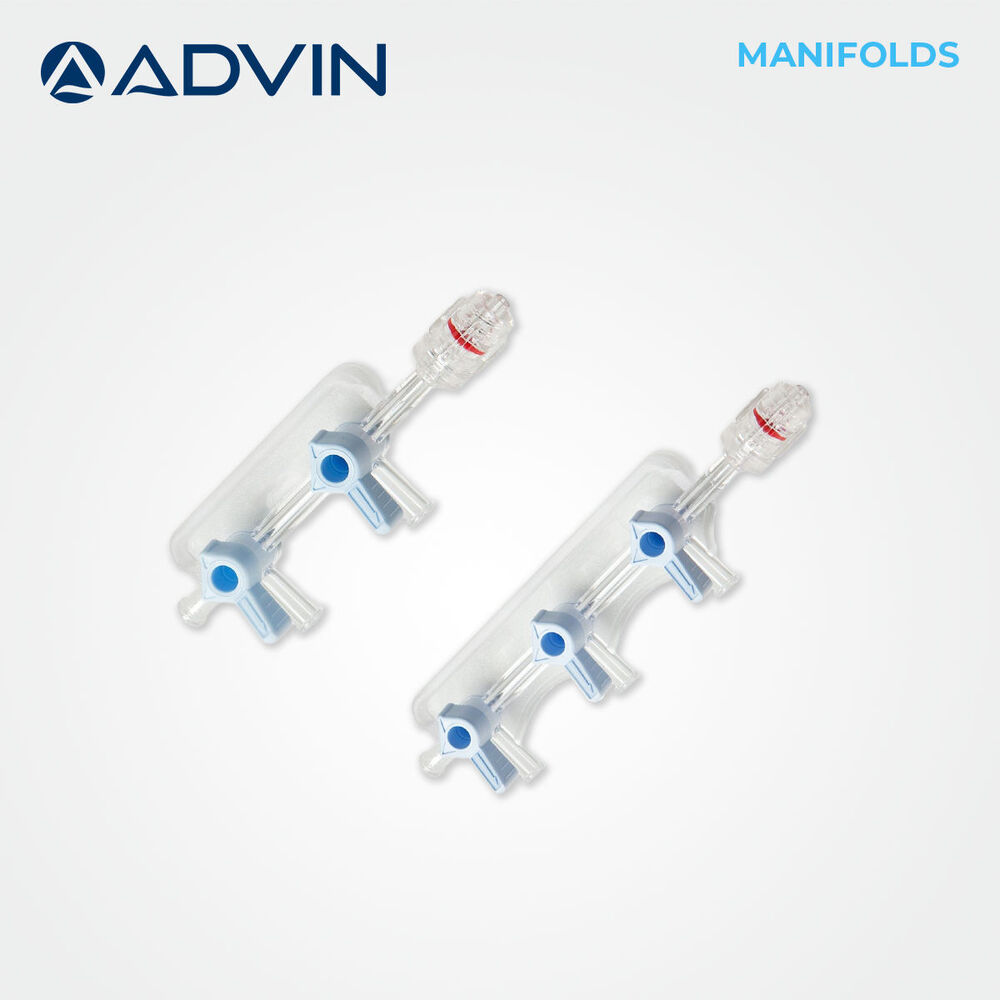
The manifolds now used in cardiac catheterization and coronary angiography have several deficiencies. By using a holder and plastic disposable stopcocks, the problems of air leakage, fluid leakage, and stopcock adjustment are virtually eliminated.
Advanced Features
- Made in Clean poly carbonate material
- Easy visibility
- Smooth controlling
- Pressure endurance
- Leak Free
- Sterile ETO
Precision and Efficiency in Fluid ControlOur Three Way Manifolds offer hospital staff precise yet simple fluid direction management. Designed to operate manually, they provide instant control, supporting real-time patient needs. The sturdy plastic construction ensures both durability and chemical resistance, making them a perfect fit for busy hospital settings. Their modular design also facilitates easy integration with existing medical equipment.
Tailored for Healthcare EnvironmentsSpecifically engineered for hospital use, these manifolds meet strict healthcare standards. Their wall-unmounted feature allows versatile placement, freeing up vital wall space and streamlining workflows. Whether for new projects or replacements, their reliability supports a wide range of medical applications, enhancing overall efficiency and patient care.
FAQs of Three Way Manifolds:
Q: How are these three way manifolds typically installed in a hospital setting?
A: These three way manifolds are designed to be wall-unmounted, providing flexible installation options on stands or equipment trolleys to suit a variety of hospital layouts and procedural needs.
Q: What materials are used in the construction of the manifold, and what are the benefits?
A: Constructed from high-grade plastic, these manifolds offer durability, chemical resistance, and lightweight handling. This material is ideal for hospital settings, ensuring long-lasting service and ease of sterilization.
Q: When should hospitals consider using a three way manifold?
A: Hospitals should use these manifolds when multiple fluid channels need to be controlled manually in real time, such as during intravenous therapies, medication delivery, or other fluid management procedures.
Q: Where do these manifolds perform best in hospital operations?
A: They are most effective in critical care areas, operating rooms, and wards where precise management of fluid flow is essential, allowing medical staff to quickly adjust and control fluid direction.
Q: What is the process for operating a manual three way manifold?
A: Operations involve physically adjusting the manual levers or switches to guide or restrict fluid flow between the desired channels, enabling immediate and secure configuration changes during clinical procedures.
Q: How do these manifolds benefit healthcare providers and patients?
A: By enabling efficient and accurate fluid management, these manifolds reduce the potential for errors and procedural delays, thereby improving clinical outcomes and supporting high standards of patient care.

 Send Inquiry






 Send Inquiry

 Send Inquiry
 English
 Spanish
 French
 German
 Italian
 Chinese (Simplified)
 Japanese
 Korean
 Arabic
 Portuguese