About Transradial Cardiac Catheterization
Advin Transradial Cardiac Catheterization is a specialized approach for performing coronary procedures through the radial artery. It enhances patient comfort, reduces recovery time, and minimizes access site complications compared to femoral access. This method is widely used in diagnostic angiography and interventional cardiology procedures.Advanced Features:
-
Enables coronary procedures via the radial artery
-
Reduces recovery time and enhances patient comfort
-
Minimizes access site complications compared to femoral access
-
Supports both diagnostic and interventional cardiology procedures
-
Designed for safety, precision, and procedural efficiency
Advanced Design and MaterialsThis catheterization system utilizes cutting-edge materials, including medical-grade polymer and stainless steel, delivering both flexibility and durability. The hydrophilic coated surface minimizes friction, enhancing the catheters trackability while decreasing the risk of vessel trauma. The soft, atraumatic tip further safeguards vascular integrity during navigation.
Clinical Precision and SafetyEngineered with high radiopacity, the catheter ensures clear visualization under imaging, crucial for accurate placement. Its latex-free composition and EO gas sterilization promote sterility and patient safety, with each catheter individually packed to prevent contamination. The system strictly complies with CE and ISO 13485 standards, guaranteeing optimal performance in clinical settings.
Usage and Operational EfficiencyDesigned for single-use in transradial procedures, the catheter supports both manual and assisted operation modes. Cardiologists can rely on the devices smooth insertion and optimized pushability, reducing procedure time and increasing patient comfort. Instructions for use are included with each unit, making the system accessible and straightforward for medical professionals.
FAQs of Transradial Cardiac Catheterization:
Q: How is the Transradial Cardiac Catheterization System used during coronary angioplasty?
A: The catheter is inserted through the radial artery in the wrist and navigated to the coronary arteries, allowing precise deployment of angioplasty tools or stents. Its hydrophilic coating aids smooth passage, while the soft tip minimizes vessel trauma, ensuring safer and more efficient procedures.
Q: What are the benefits of using a soft, atraumatic tip on this catheter?
A: The soft, atraumatic tip reduces the risk of arterial injury, vessel spasm, and patient discomfort during navigation, particularly important in delicate coronary interventions. This design enhances patient safety and improves overall procedural outcomes.
Q: When should this catheterization system be utilized?
A: This system is intended for use in minimally invasive procedures such as transradial coronary angiography and stenting, typically performed when diagnosing or treating blockages in the coronary arteries. It is suitable for single-use applications as directed by a qualified cardiologist or interventional specialist.
Q: Where should the catheters be stored to maintain their sterility and longevity?
A: Catheters should be stored in a cool, dry environment, away from direct sunlight, as per the provided storage instructions. Proper storage helps preserve sterility and maximizes the devices shelf life of 35 years.
Q: What makes this catheter system compatible with standard guidewires?
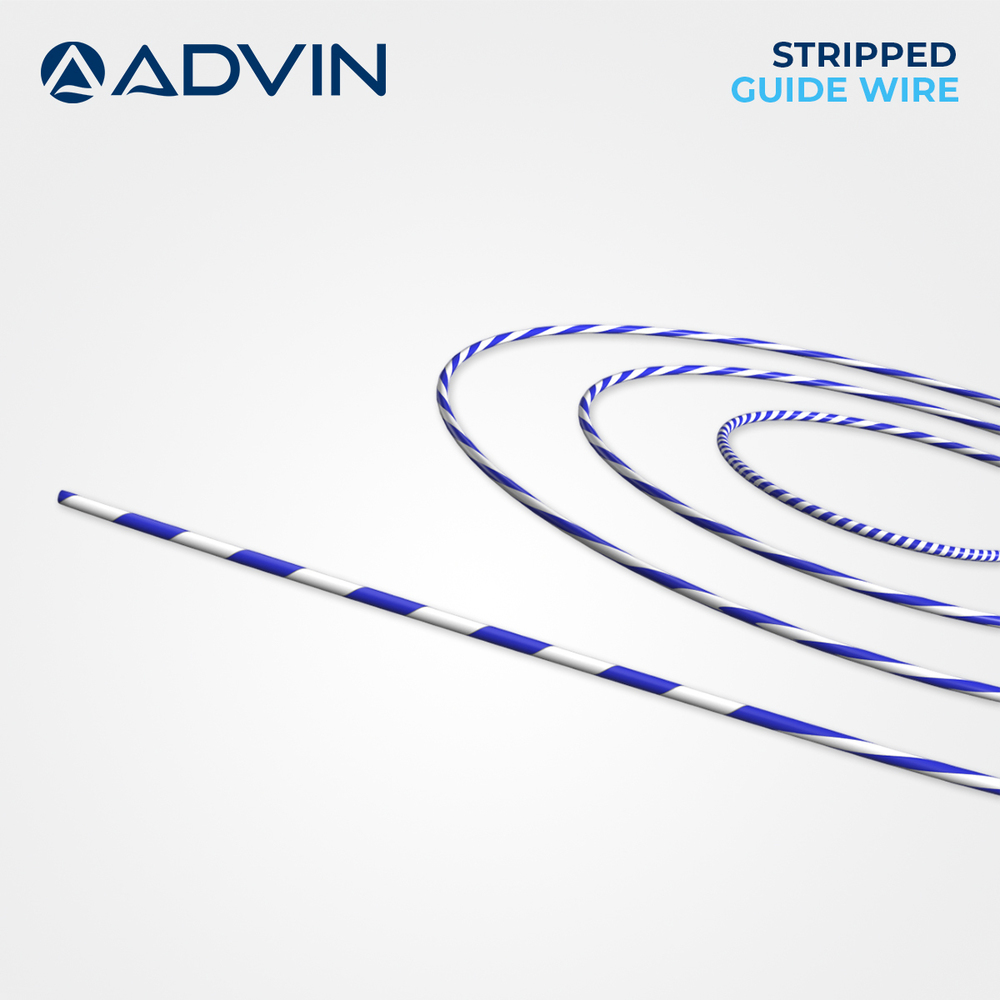
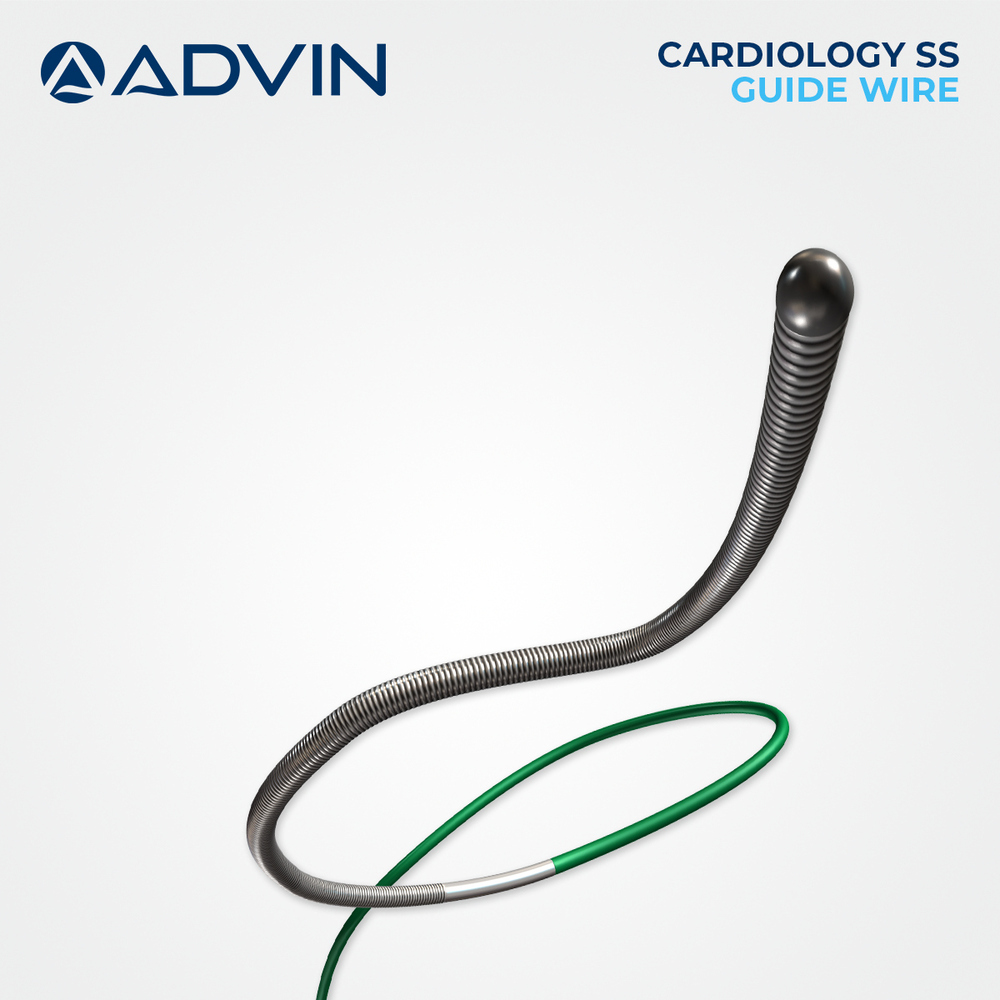
A: The internal lumen diameter of the catheter is specifically engineered to accommodate standard 0.035-inch guidewires, ensuring seamless guidewire passage and catheter control during coronary interventions.
Q: How does the device ensure patient safety and compliance with international standards?
A: The system is manufactured from latex-free materials and EO gas sterilized, minimizing allergic reactions and infection risks. It is also CE and ISO 13485 certified, reflecting strict adherence to international medical device quality and safety standards.

 Send Inquiry



 Send Inquiry

 Send Inquiry
 English
 Spanish
 French
 German
 Italian
 Chinese (Simplified)
 Japanese
 Korean
 Arabic
 Portuguese