
Call: 07315121789
 Send Inquiry
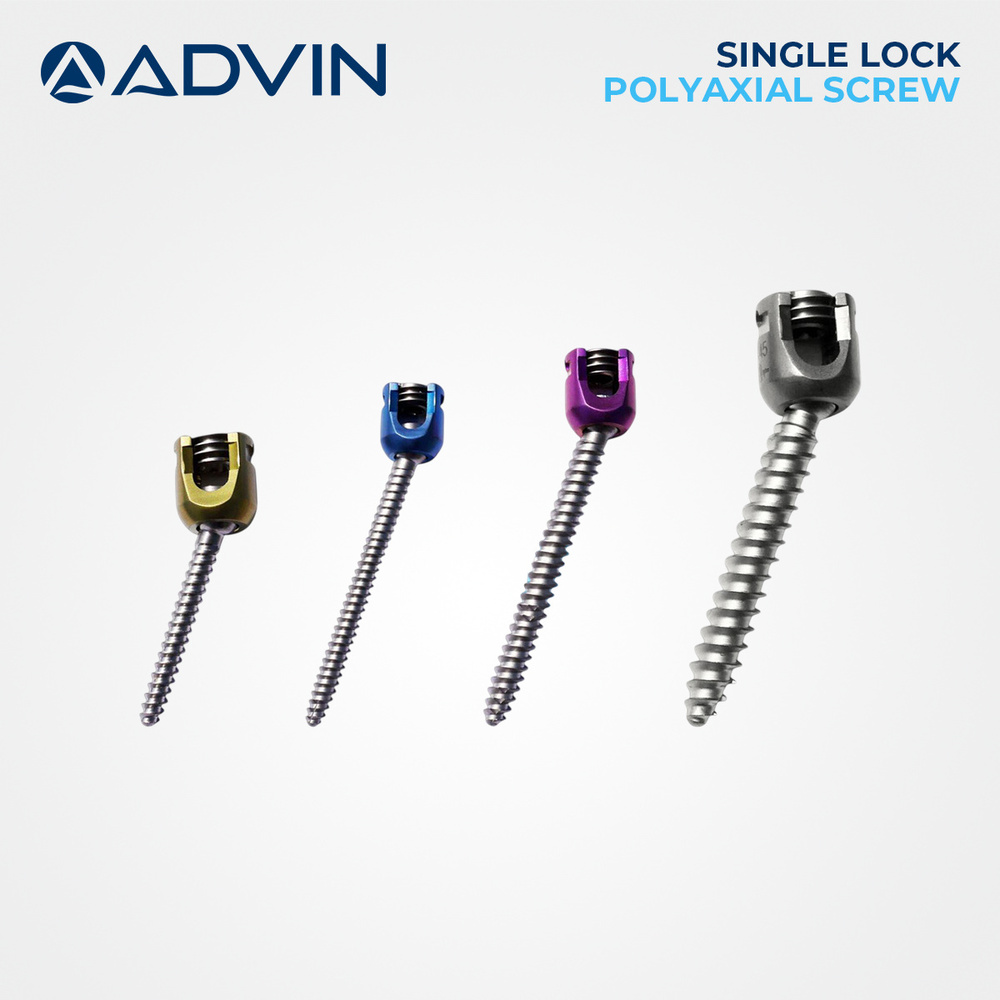
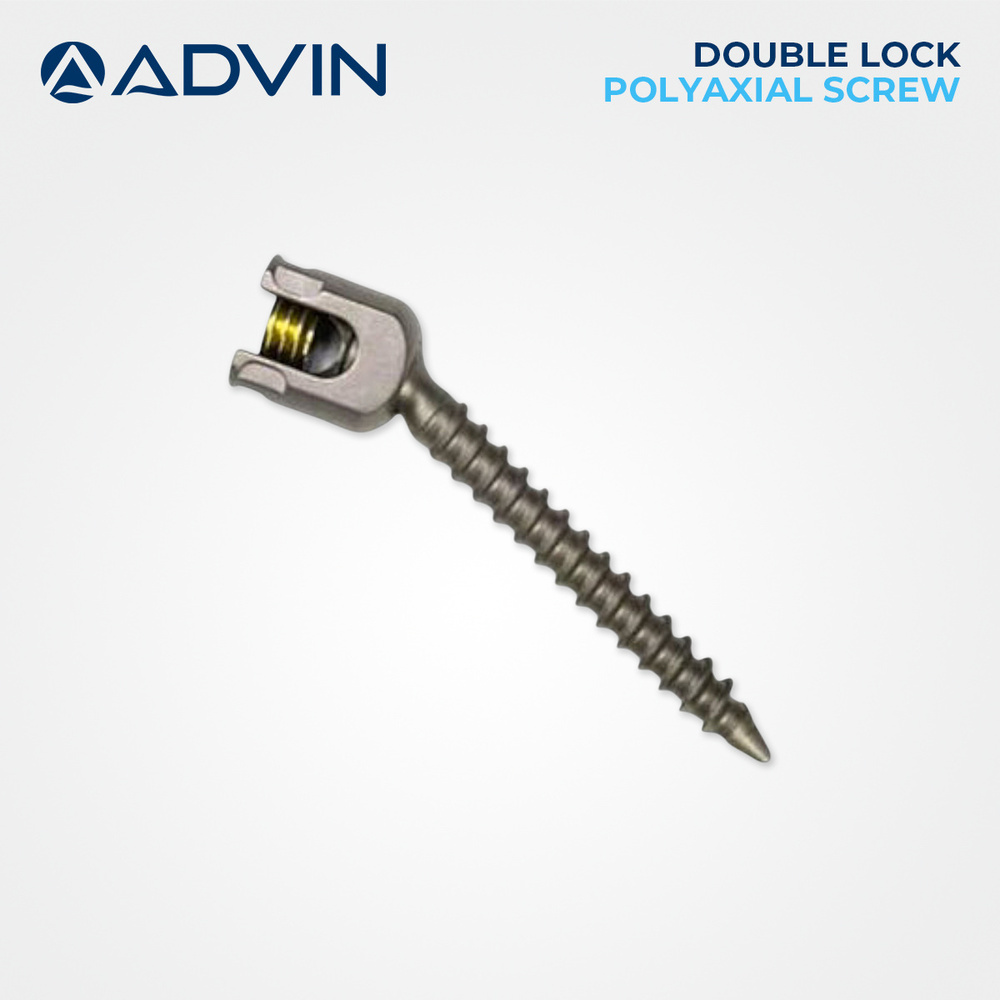
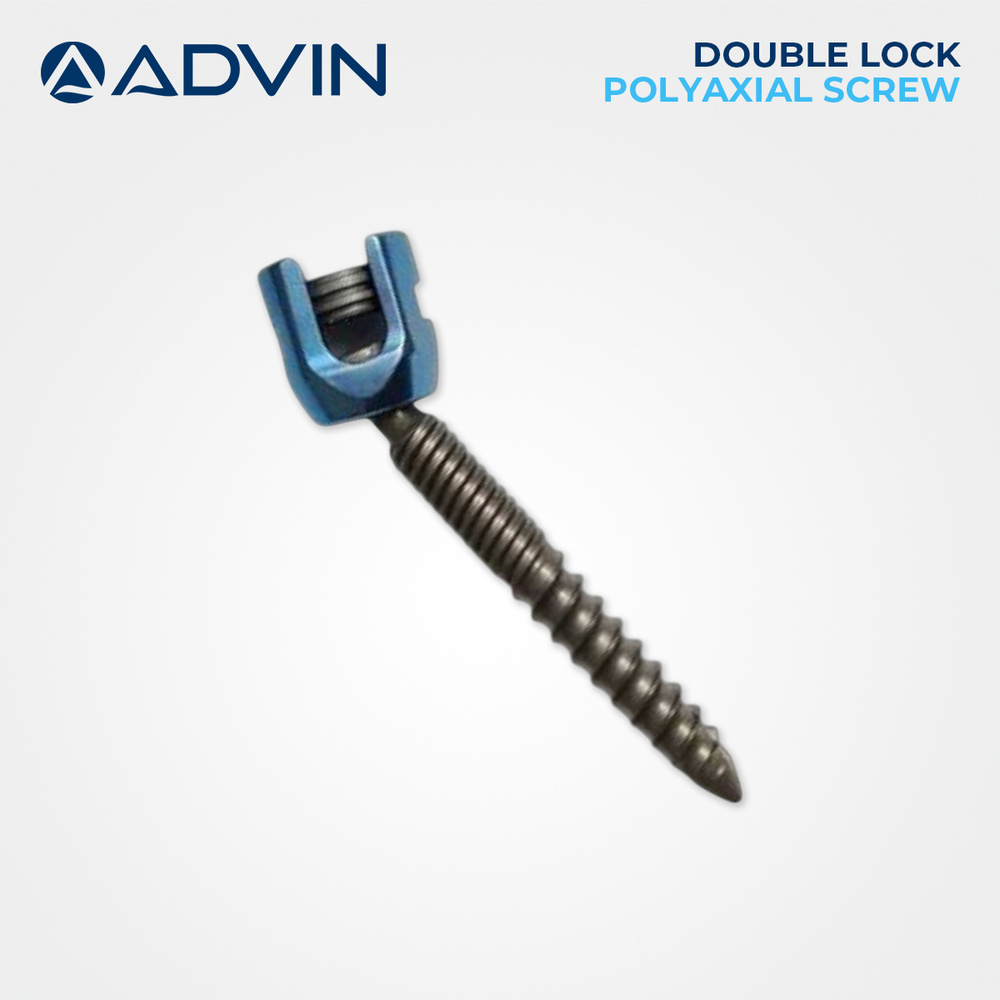
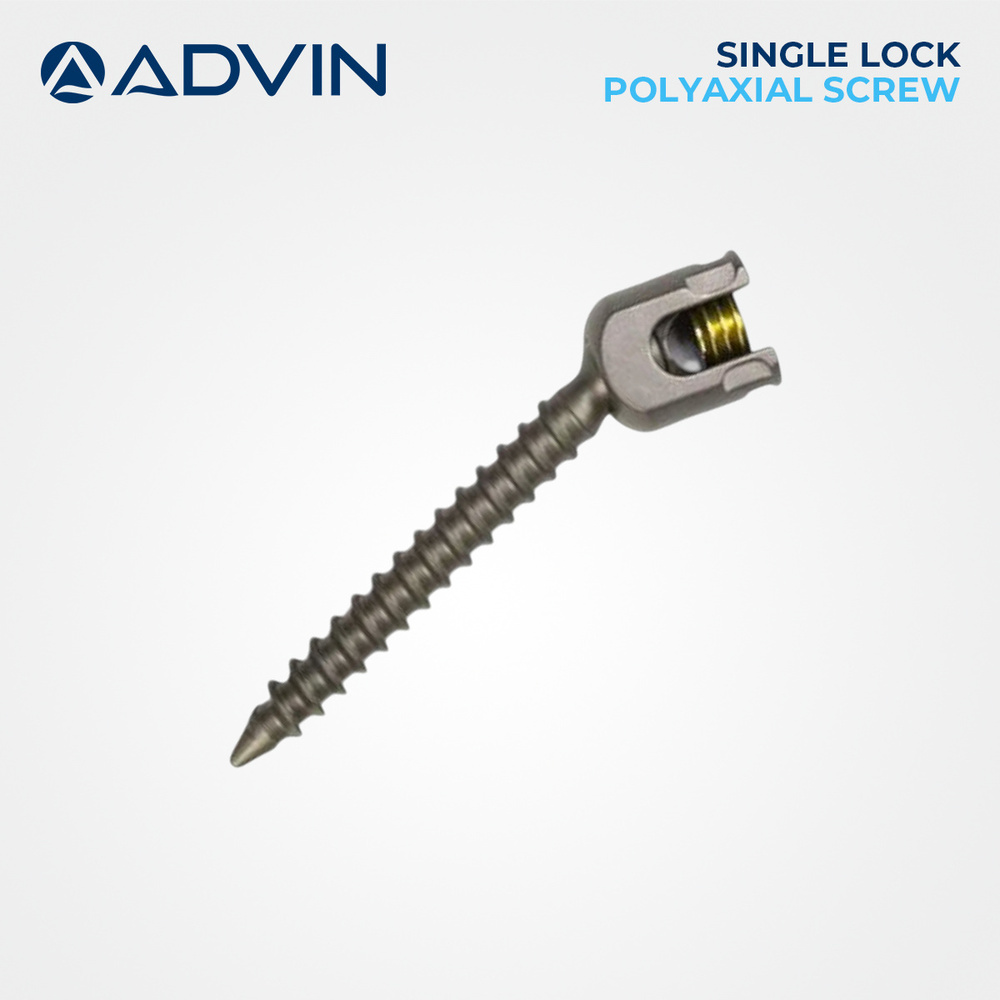
Polyaxial Screws are widely used in trauma orthopedic and spinal surgeries to stabilize vertebrae while allowing controlled mobility for rod attachment. Their swivel head design enables surgeons to achieve precise vertebral alignment, accommodating variations in anatomy. Advin Health Care manufactures Polyaxial Screws with premium medical-grade materials, ensuring biocompatibility, corrosion resistance, and long-term reliability. Available in multiple diameters and lengths, these screws are compatible with spinal rods and connectors, providing secure fixation and improved patient outcomes.
Made from premium medical-grade materials for strength, durability, and biocompatibility
Multi-directional head for flexible rod placement and alignment
Available in various diameters and lengths for versatile surgical applications
Compatible with rods and connectors in spinal fixation systems
Suitable for trauma, deformity correction, and reconstructive spinal surgeries

Price:
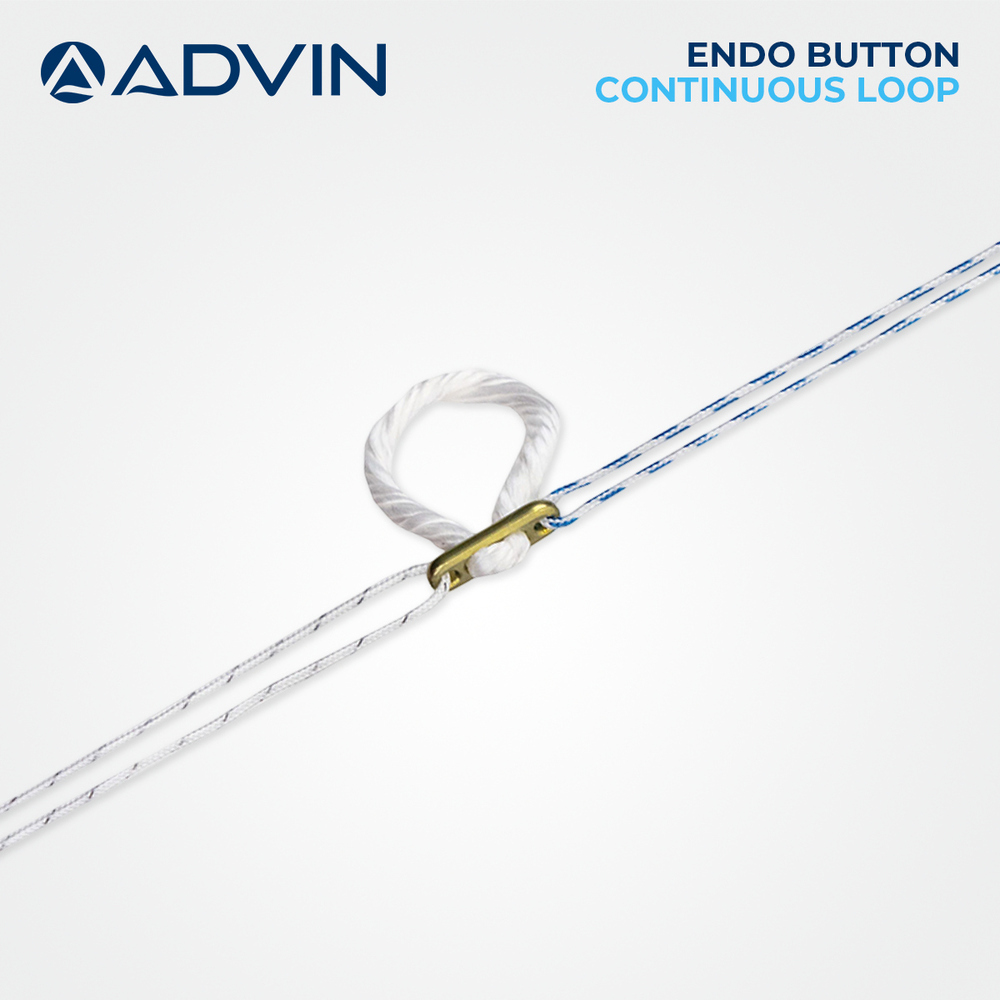
Price 4 USD ($) / Piece
Minimum Order Quantity : 1 Piece
Storage Instructions : Store in dry, sterile conditions
Weight : 5 gm (approx.)
Color : Silver
Shelf Life : 5 Years
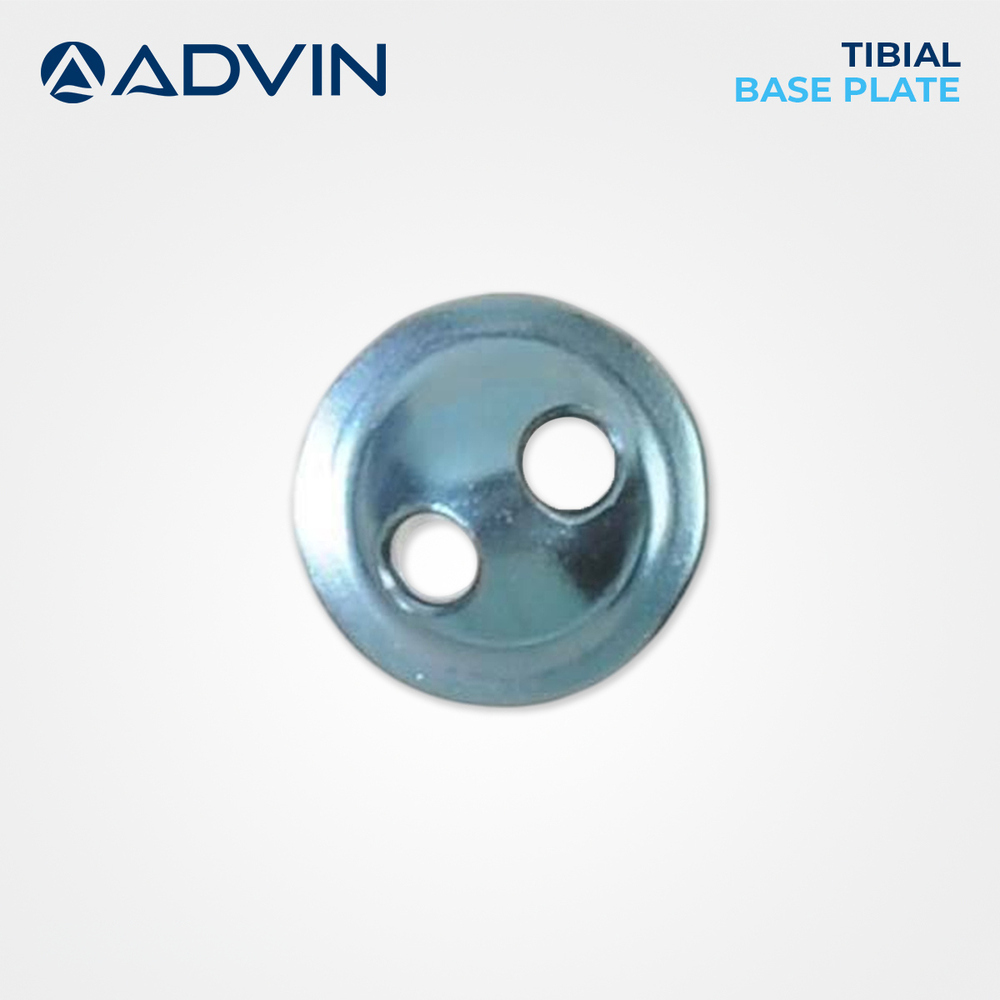
Price 3.5 USD ($) / Piece
Minimum Order Quantity : 1 Piece
Storage Instructions : Store in Dry, Sterile Conditions
Weight : Varies by Size
Color : Metallic / Polished / Satin Finish
Shelf Life : 5 Years (Unopened Sterile Packaging)
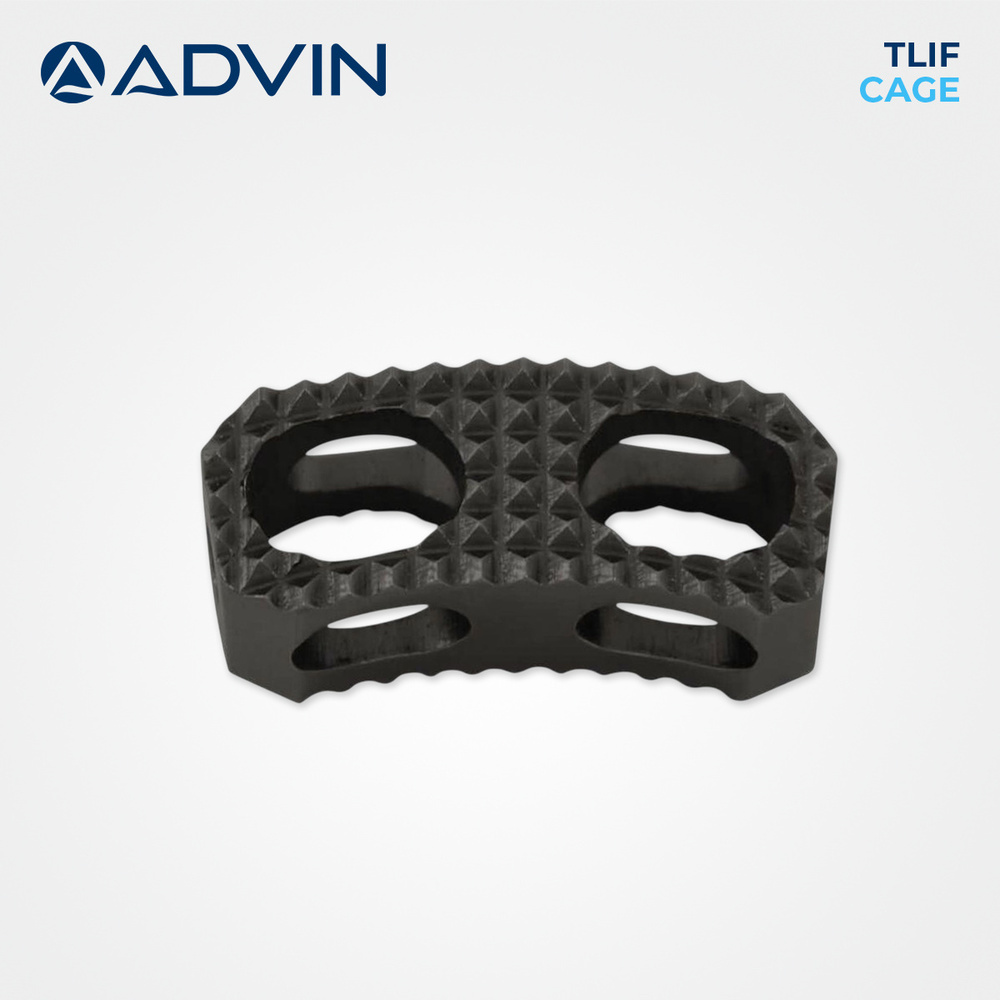
Price 6 USD ($) / Piece
Minimum Order Quantity : 1 Piece
Storage Instructions : Keep in dry, sterile conditions at recommended temperature
Weight : Lightweight (<20g per cage)
Color : Metallic (Silver/Grey)
Shelf Life : 5 years (if stored unopened and properly)
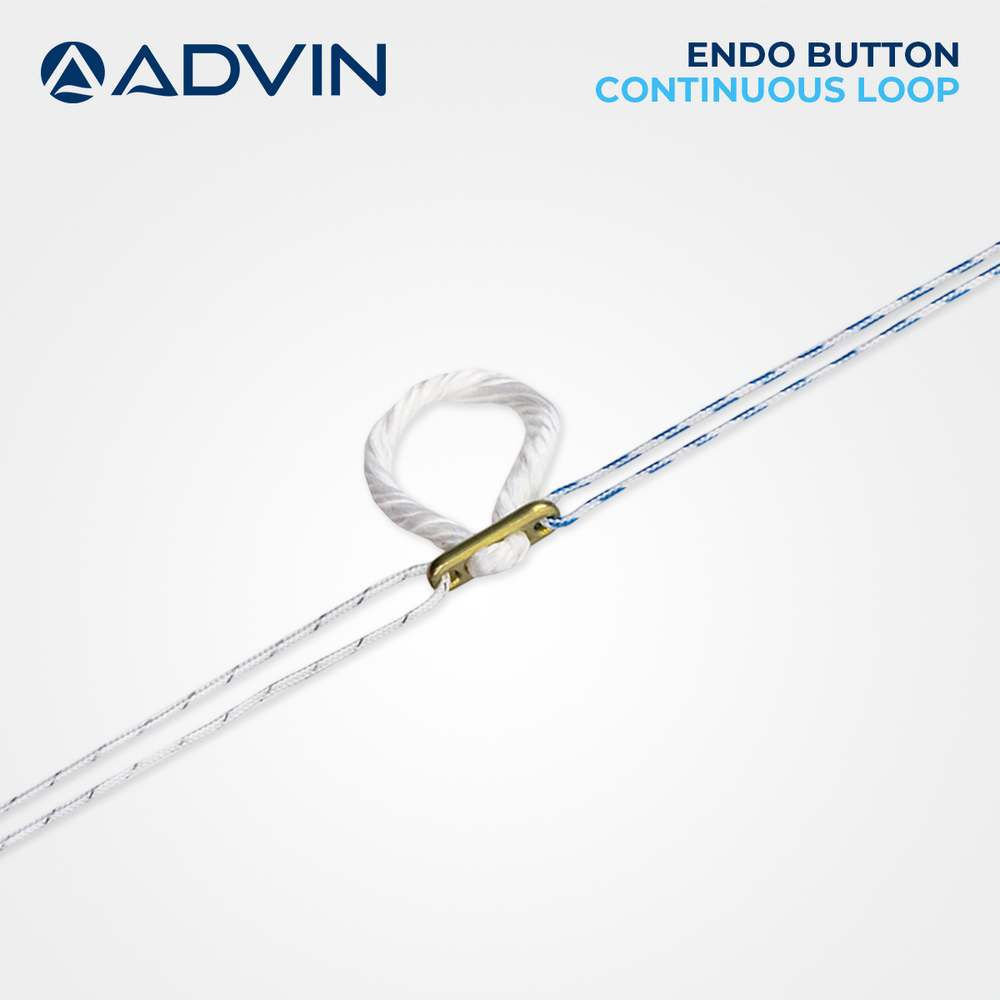
Price 2 USD ($) / Piece
Minimum Order Quantity : 1 Piece
Storage Instructions : Store in cool, dry, and sterile environment
Weight : Approx. 24 grams (unit based)
Color : White loop (suture), metallic finish (button)
Shelf Life : 5 Years
GST : 24CTVPS5589L1ZE


 Send Inquiry

 Send Inquiry
 English
 Spanish
 French
 German
 Italian
 Chinese (Simplified)
 Japanese
 Korean
 Arabic
 Portuguese