About Ultra Flexible Navigation Wire
Advin Health Care Ultra Flexible Navigation Wire is engineered to provide exceptional flexibility and smooth navigation through complex vascular pathways. It enables precise control, atraumatic advancement, and reliable performance during diagnostic and interventional procedures.
Key Features:
- Ultra flexible design for navigating tortuous anatomy
- Smooth tracking for effortless vessel passage
- Excellent control for precise positioning
- Atraumatic tip for enhanced patient safety
- Compatible with standard interventional systems
Certifications:
CE, ISO 13485, ISO 9001 Certified
Product Keywords:
Ultra Flexible Navigation Wire, Guidewire, Vascular Guidewire, Interventional Guidewire, Flexible Navigation Wire
, , , ,
Cable de navegacin ultra flexible, gua, gua vascular, gua intervencionista, cable de navegacin flexible
Fil de navigation ultra-flexible, fil guide, fil guide vasculaire, fil guide interventionnel, fil de navigation flexible
Ultra High Flexibility and Kink ResistanceBuilt with cutting-edge technology and premium materials, this navigation wire boasts ultra flexibility and exceptional resistance to kinking. Its smooth surface minimizes friction, enabling effortless movement through complex vascular pathways during cardiac procedures. The advanced coatings further enhance its glide, making navigation swift and controlled.
Precision and Visibility for Confident ProceduresEquipped with enhanced radiopacity through strategically placed markers, the wire offers clear, real-time visibility under fluoroscopy. The high precision manufacturing process ensures accurate tip placement, supporting clinicians in achieving optimal outcomes in a variety of cardiology interventions.
Sterile, Convenient, and Versatile PackagingEach wire is EO sterilized and individually packed in blister packaging, which maintains sterility until the point of use. This feature, alongside its lightweight, portable design, ensures readiness and safety with every procedure. Multiple sizes, coatings, and tip styles cater to diverse medical requirements.
FAQ's of Ultra Flexible Navigation Wire:
Q: How is the Ultra Flexible Navigation Wire used in cardiology procedures?
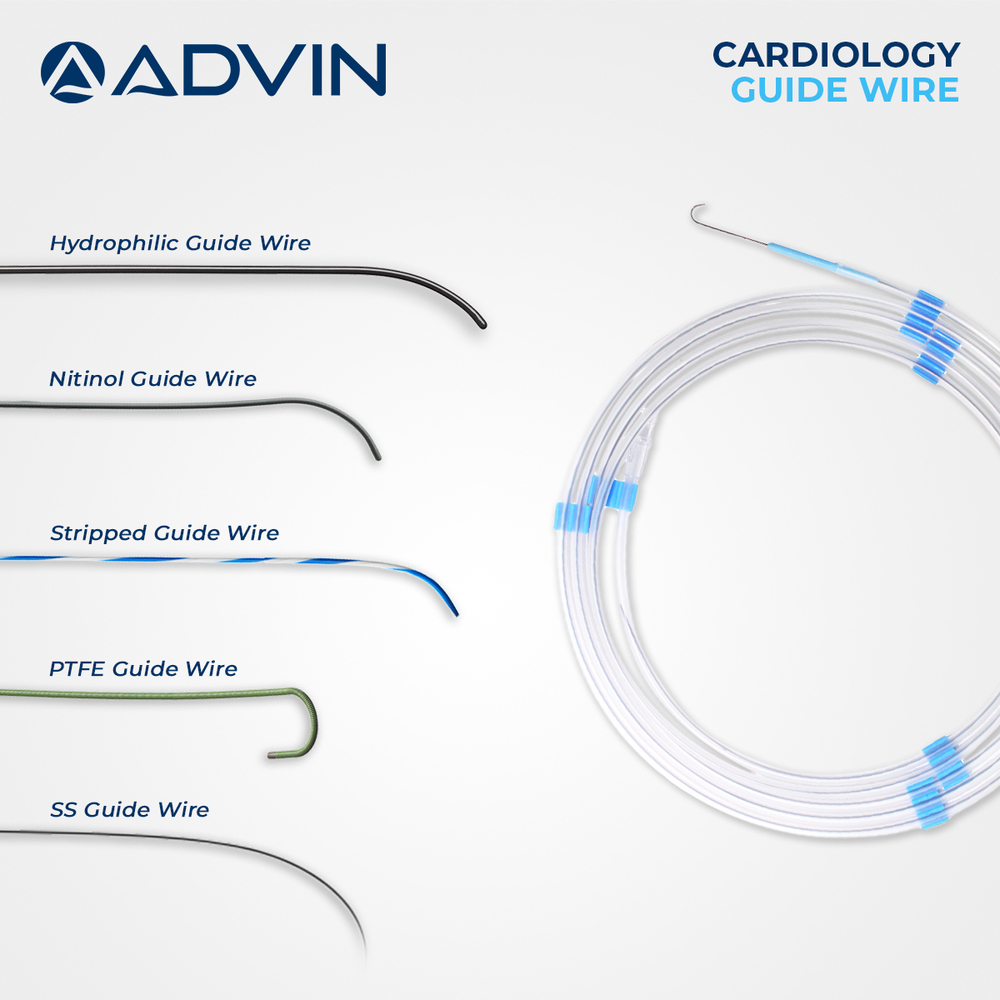
A: This guide wire is used to gain and maintain access in blood vessels during angioplasty, PTCA, and other interventional cardiology procedures. Its superior flexibility and smooth surface help clinicians navigate tortuous anatomy, facilitating the advanced placement of catheters or other interventional devices.
Q: What benefits does the enhanced radiopacity provide?
A: The enhanced radiopacity, achieved through high-visibility markers, allows for precise visualization under fluoroscopy. This ensures accurate tracking and positioning of the wire during complex procedures, helping clinicians make informed decisions and improving patient safety.
Q: When should I choose a specific tip style or coating for the guide wire?
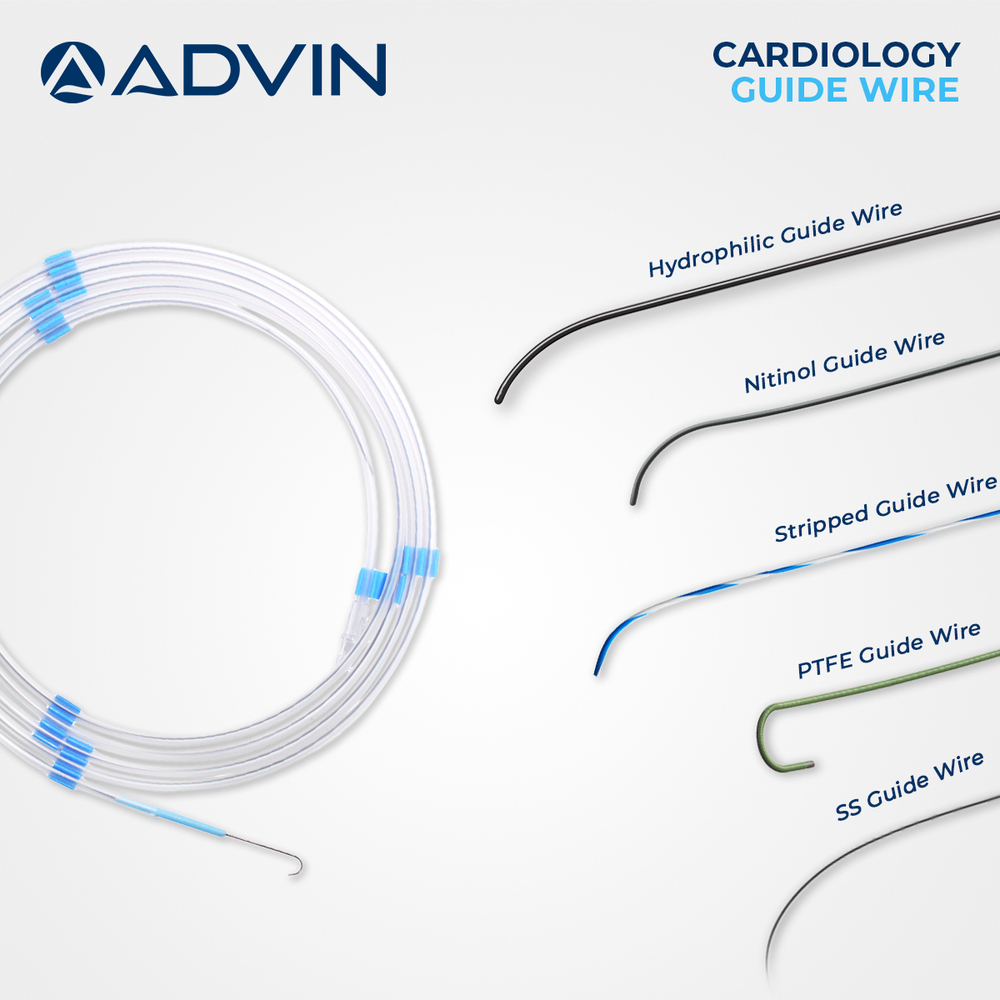
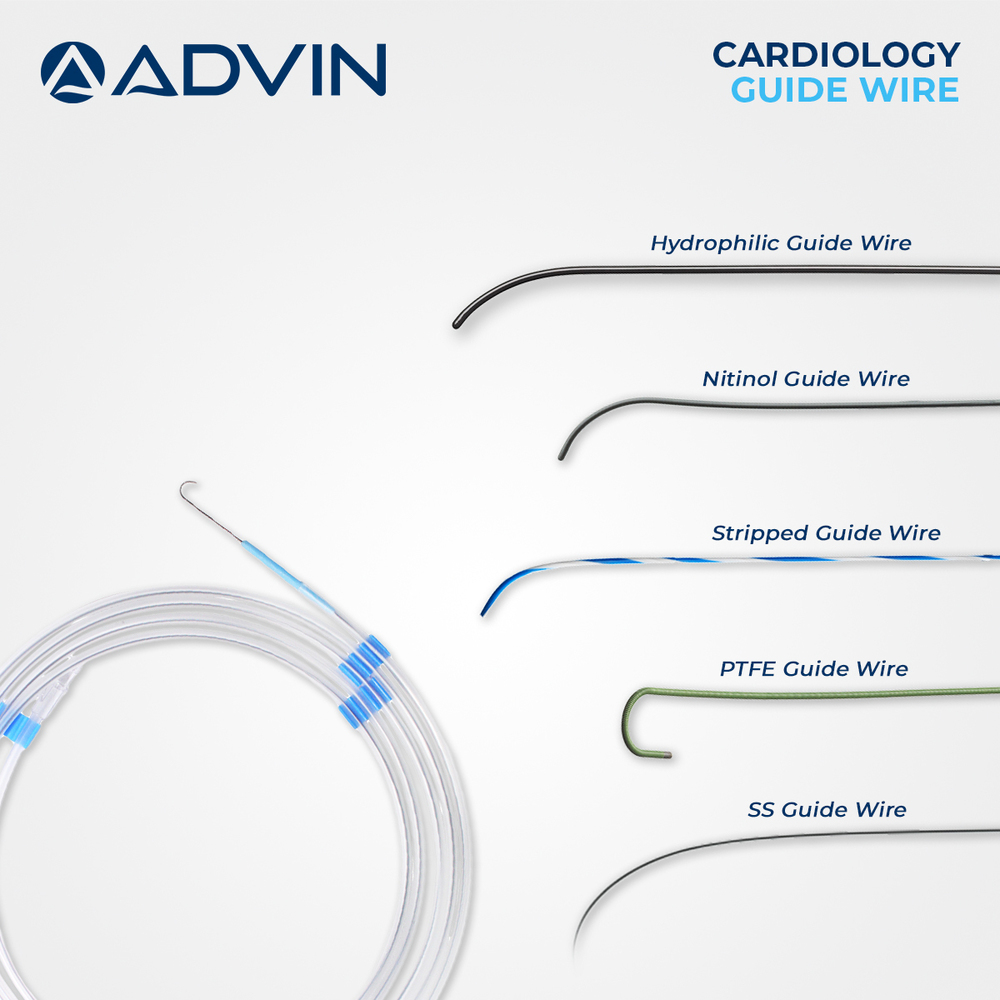
A: Tip style (straight, angled, J-tip, soft tip) and coatings (hydrophilic, PTFE, stripped, nitinol) are selected based on the procedure and vessel anatomy. For instance, hydrophilic coating and soft tips are preferred for extremely tortuous vessels, while PTFE-coated or stiffer tips may be useful for negotiating tight lesions.
Q: Where do these guide wires demonstrate optimal compatibility?
A: These wires are designed to be compatible with a wide range of diagnostic and interventional catheters commonly used in cardiology. Their versatile dimensions and coatings support seamless integration in various cardiac catheterization labs and interventional suites.
Q: What is the process for ensuring safe use and sterility?
A: Each wire is EO (ethylene oxide) sterilized and individually packed in a sterile blister, ensuring safety and protection until opened. The product is intended for single use and should be stored in a cool, dry place to preserve its 3-year shelf life.
Q: What is the advantage of ultra flexibility and superior kink resistance?
A: Ultra flexibility and superior kink resistance enable smooth, controlled navigation through challenging cardiovascular anatomies, reducing the risk of procedural complications and device failure. This delivers more reliable performance and enhances procedural efficiency.

 Send Inquiry



 Send Inquiry

 Send Inquiry
 English
 Spanish
 French
 German
 Italian
 Chinese (Simplified)
 Japanese
 Korean
 Arabic
 Portuguese