About Vascular Access Navigation Wire
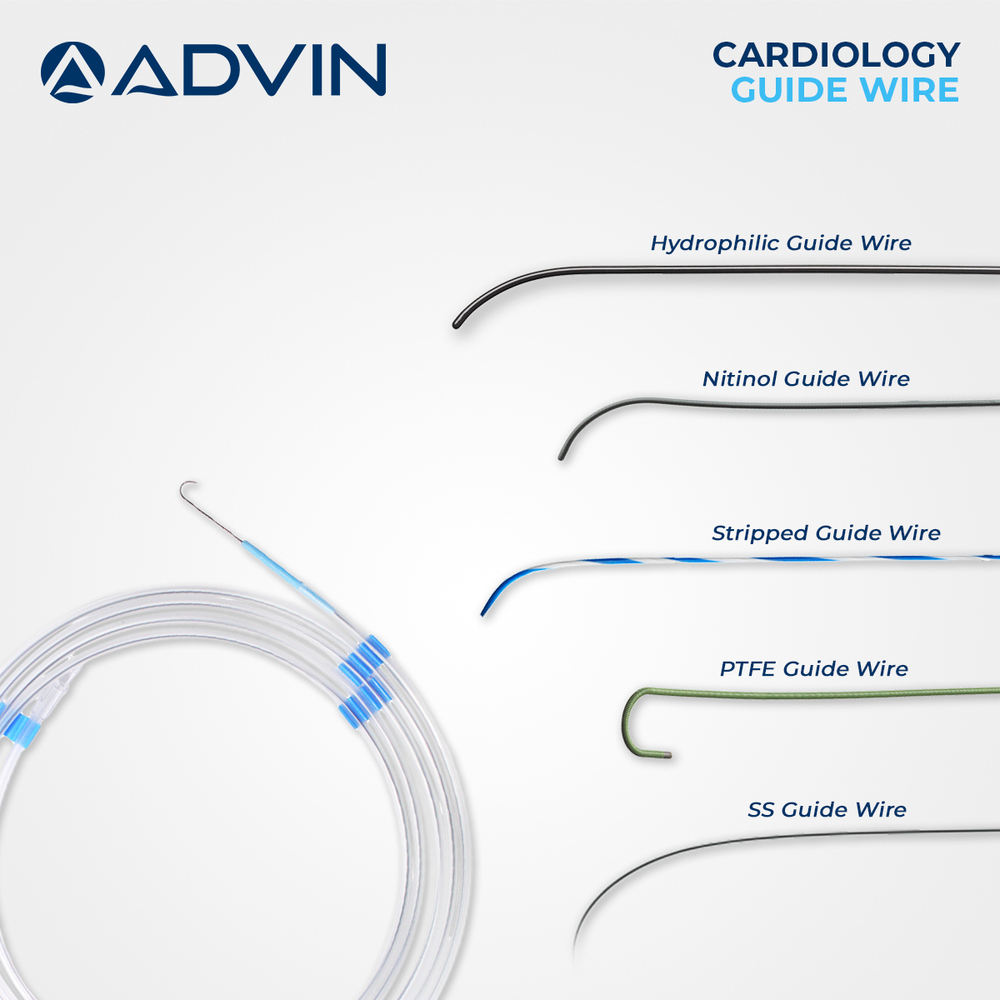
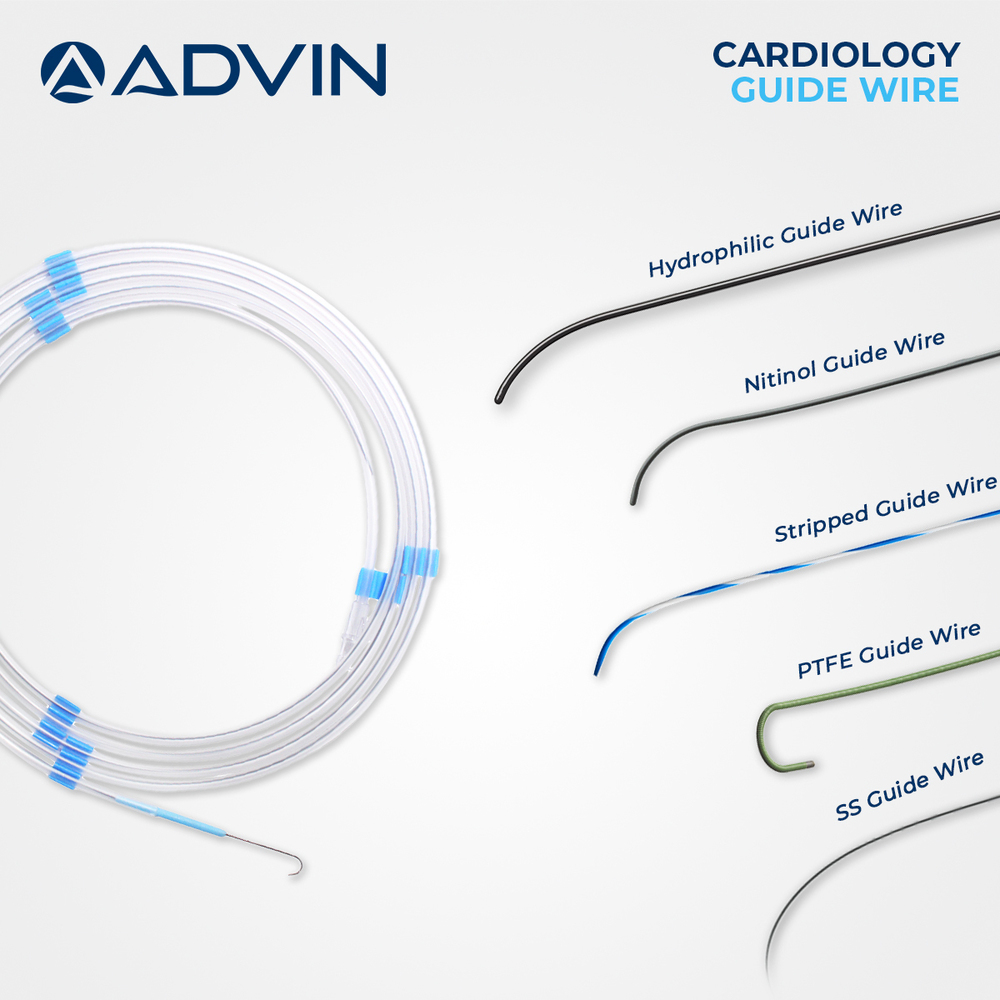
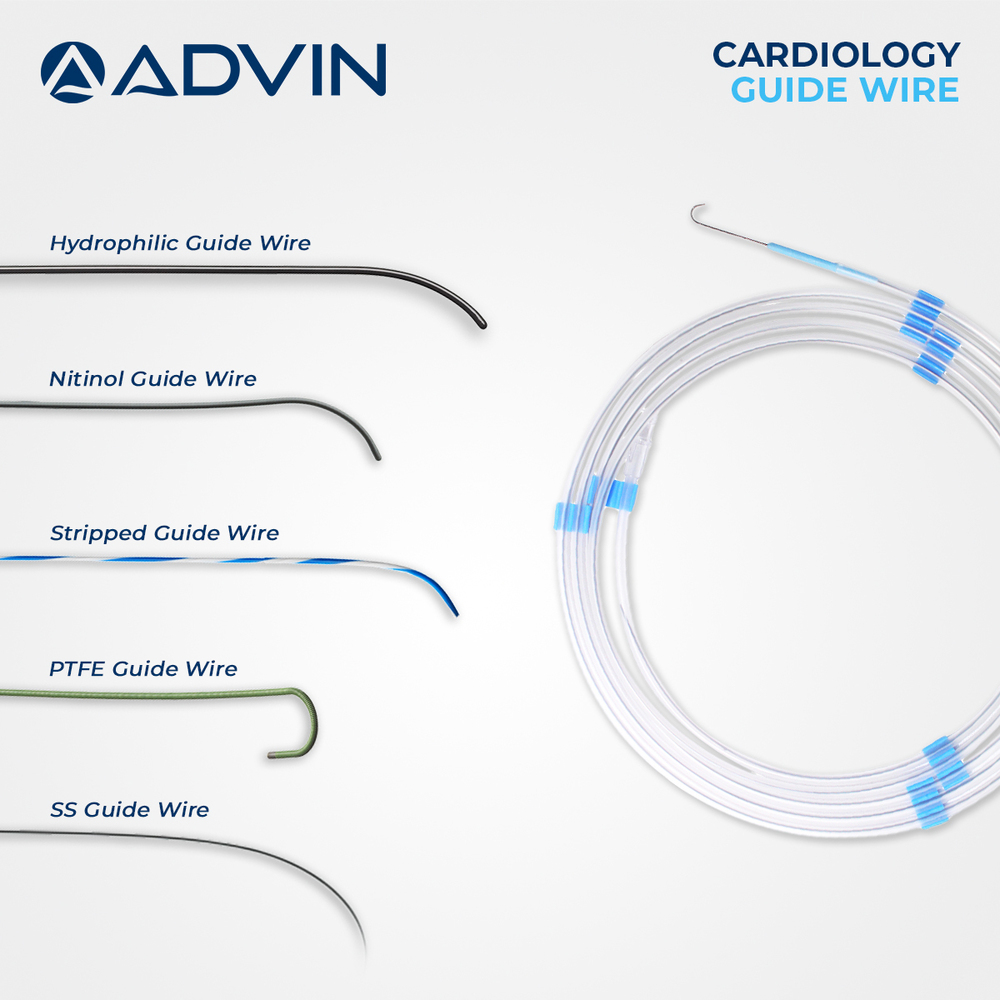
Advin Health Care Vascular Access Navigation Wire is designed to provide smooth and reliable access through vascular pathways during diagnostic and interventional procedures. It ensures precise navigation, controlled maneuverability, and consistent performance in complex anatomy.
Key Features:
- Designed for accurate vascular access and navigation
- Smooth tracking through complex vessel pathways
- Excellent torque control for precise maneuvering
- Atraumatic tip for enhanced vessel safety
- Compatible with standard interventional systems
Certifications:
CE, ISO 13485, ISO 9001 Certified
Product Keywords:
Vascular Access Navigation Wire, Guidewire, Vascular Guidewire, Interventional Guidewire, Navigation Wire
, , ,
Cable gua para acceso vascular, cable gua vascular, cable gua intervencionista, cable de navegacin
Fil guide d'accs vasculaire, fil guide vasculaire, fil guide interventionnel, fil de navigation
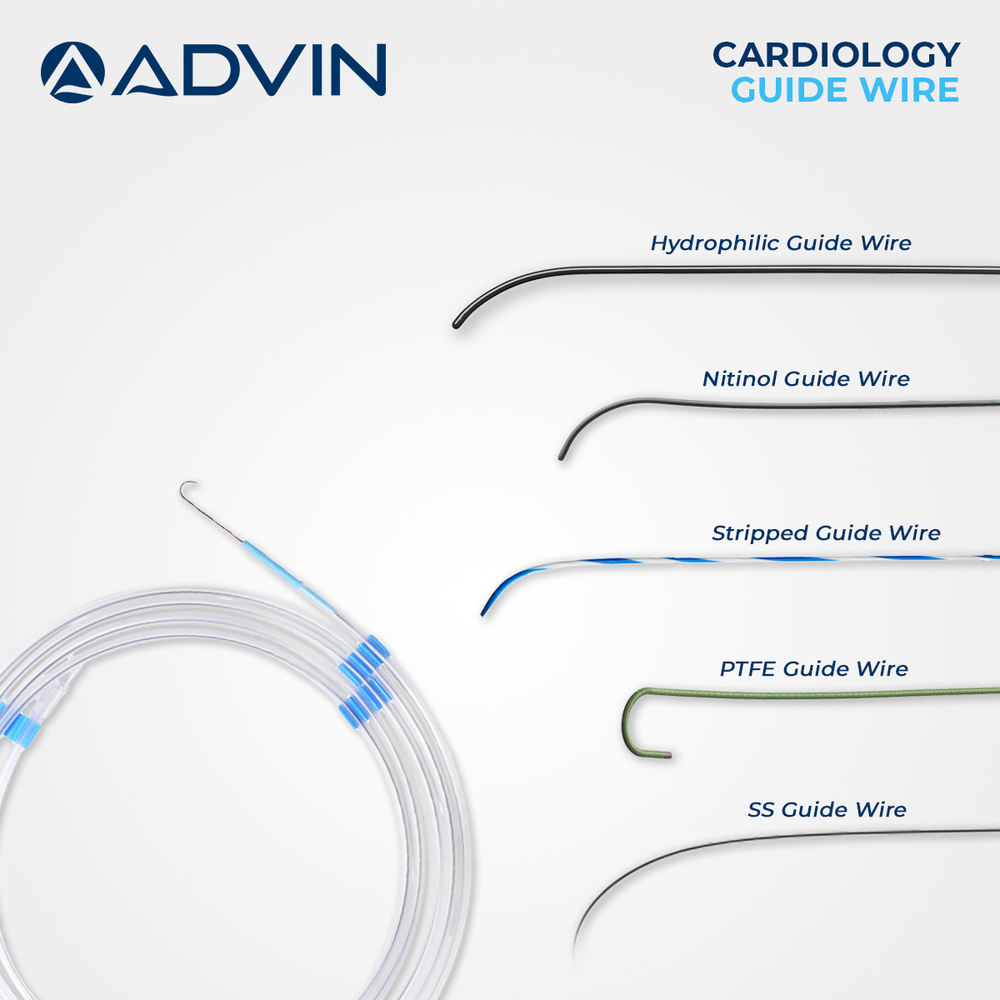
Advanced Engineering for Superior PerformanceUtilizing innovations from mechanical engineering and material science, this navigation wire features a high-flexibility shaft and hydrophilic or PTFE coatings. This combination minimizes friction and enhances control, ensuring precise and reliable navigation within complex vascular anatomy.
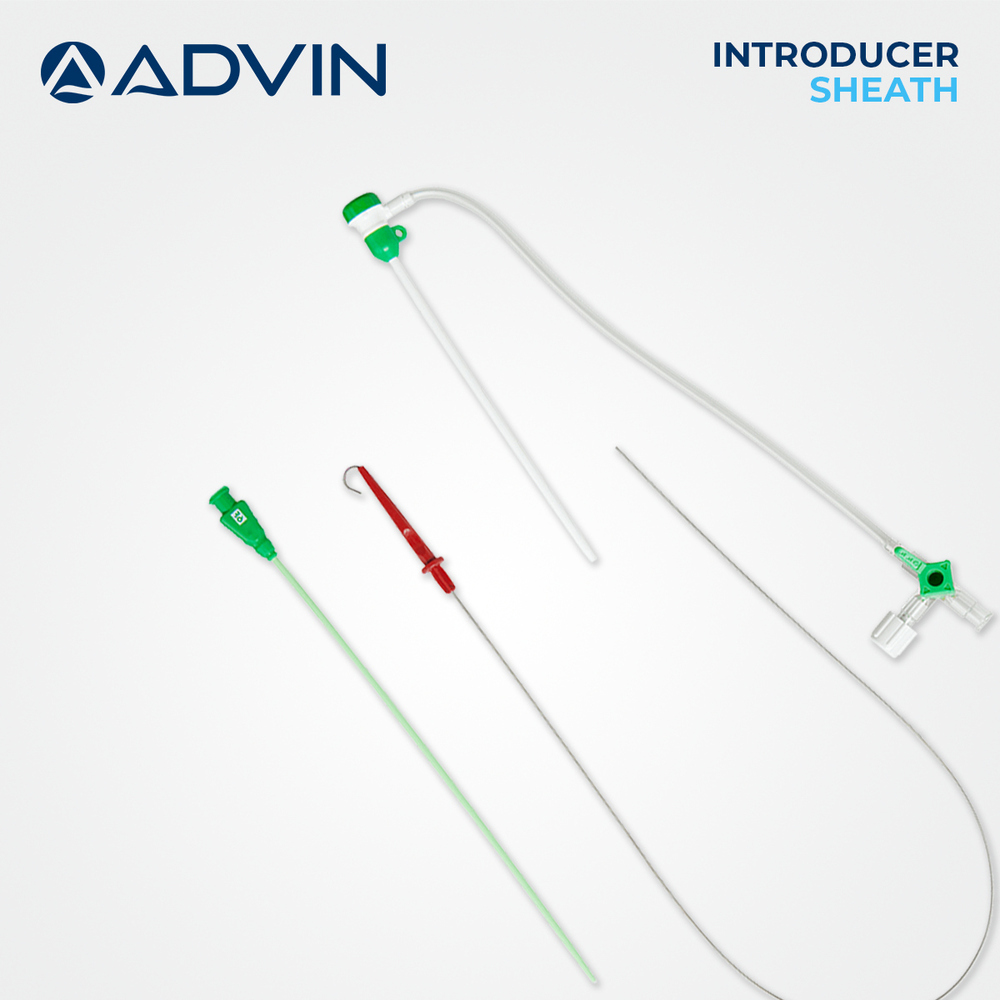
Reliable Radiopacity and CompatibilityDesigned to provide real-time fluoroscopic visibility, the guide wire guarantees accurate positioning during procedures. Its compatibility with all standard catheters makes it a versatile choice for clinicians across cardiology, radiology, and urology specialties.
Safety, Sterility, and ConvenienceEthylene oxide sterilization and single-use packaging ensure that each wire arrives sterile and ready for immediate use. Storage is straightforward-just keep the sealed pack in a cool, dry place. Lightweight and silent, it supports both mobility and workflow efficiency in critical care settings.
FAQ's of Vascular Access Navigation Wire:
Q: How does the hydrophilic or PTFE coating benefit vascular navigation procedures?
A: Hydrophilic and PTFE coatings significantly reduce surface friction, allowing the guide wire to glide smoothly through blood vessels. This facilitates easier navigation, minimizes trauma to vessel walls, and enhances the overall safety and efficiency of catheter placement.
Q: What is the process for using this vascular access navigation wire?
A: The wire is inserted manually into the vascular system to guide catheters through vessels. Its high torque response and flexible design provide clinicians with precise control, and the radiopaque construction allows real-time tracking under fluoroscopy for accurate placement.
Q: Where can this navigation wire be applied clinically?
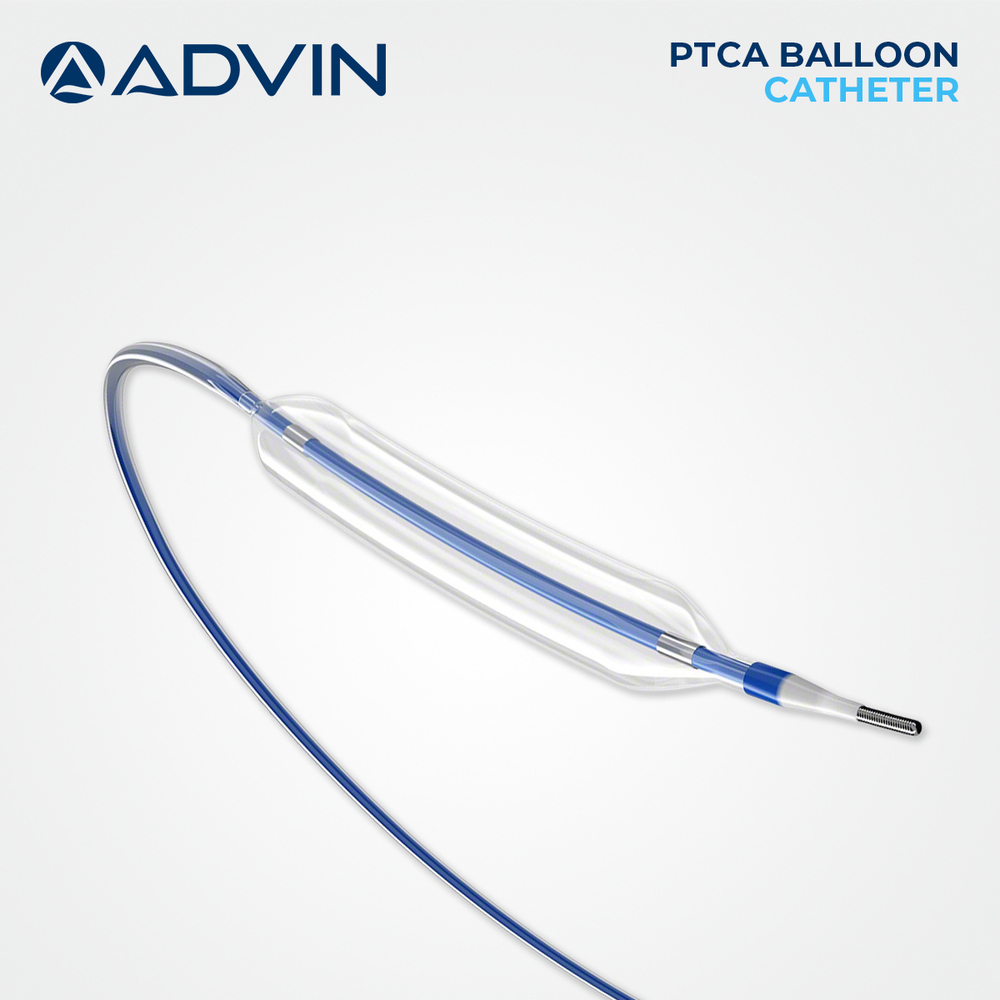
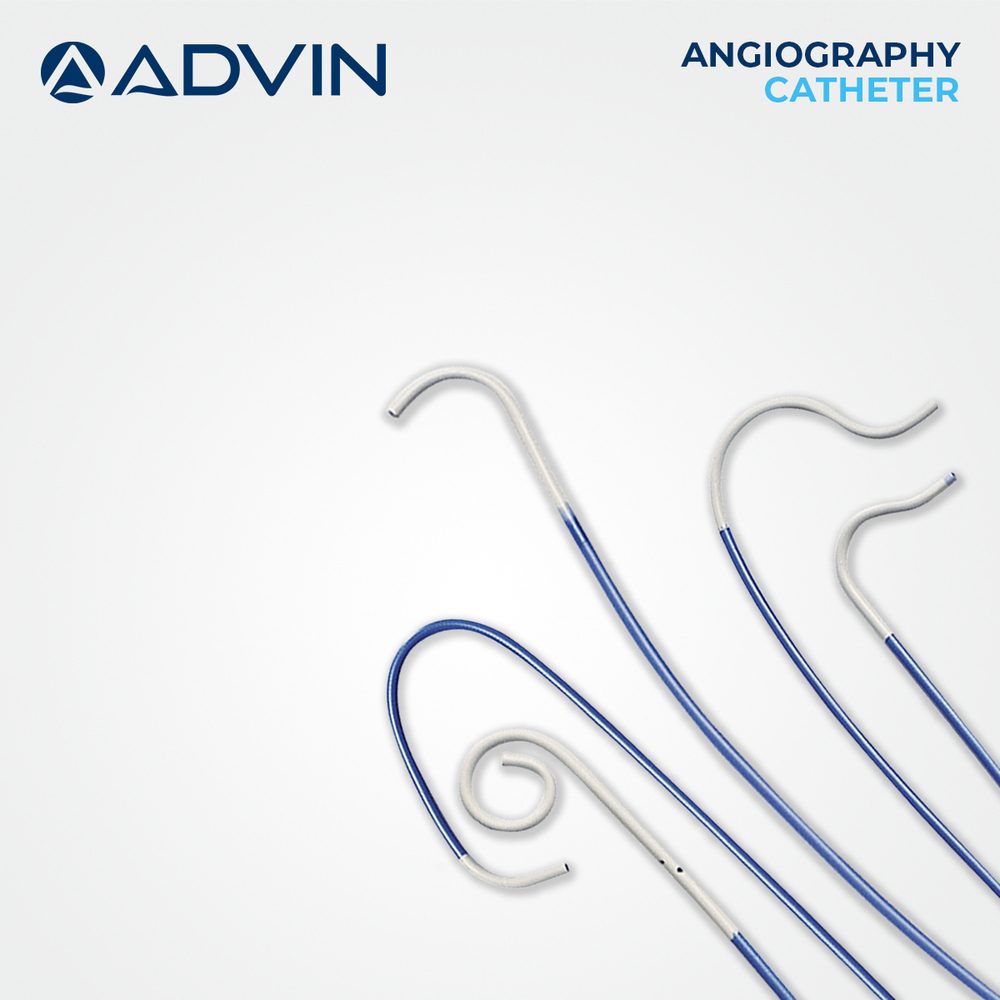
A: It is suitable for a wide range of interventional procedures including cardiology, angiography, PTCA, and urology. The wire supports vascular navigation and catheter guidance in both diagnostic and therapeutic settings, ensuring broad applicability across hospital departments.
Q: When should a clinician choose between straight, angled, soft tip, or tapered tip styles?
A: The choice of tip style depends on the vascular anatomy and procedure complexity. Straight tips work well for straightforward paths, while angled or soft tips are preferred for negotiating tortuous vessels. Tapered tips assist with delicate or narrow vessel entry.
Q: What are the storage and shelf life requirements for this product?
A: Store the navigation wire in a cool, dry place away from direct sunlight. When kept in its sealed, sterile packaging, the product offers a shelf life of 3-5 years, maintaining sterility and performance over time.
Q: How does this guide wire ensure accurate and safe catheter placement?
A: Its high flexibility, torque control, and radiopaque properties allow healthcare professionals to navigate precisely within the vascular system, reducing the risk of vessel injury and ensuring optimal catheter positioning under real-time fluoroscopy.

 Send Inquiry



 Send Inquiry

 Send Inquiry
 English
 Spanish
 French
 German
 Italian
 Chinese (Simplified)
 Japanese
 Korean
 Arabic
 Portuguese