About Vascular Stainless Steel Wire
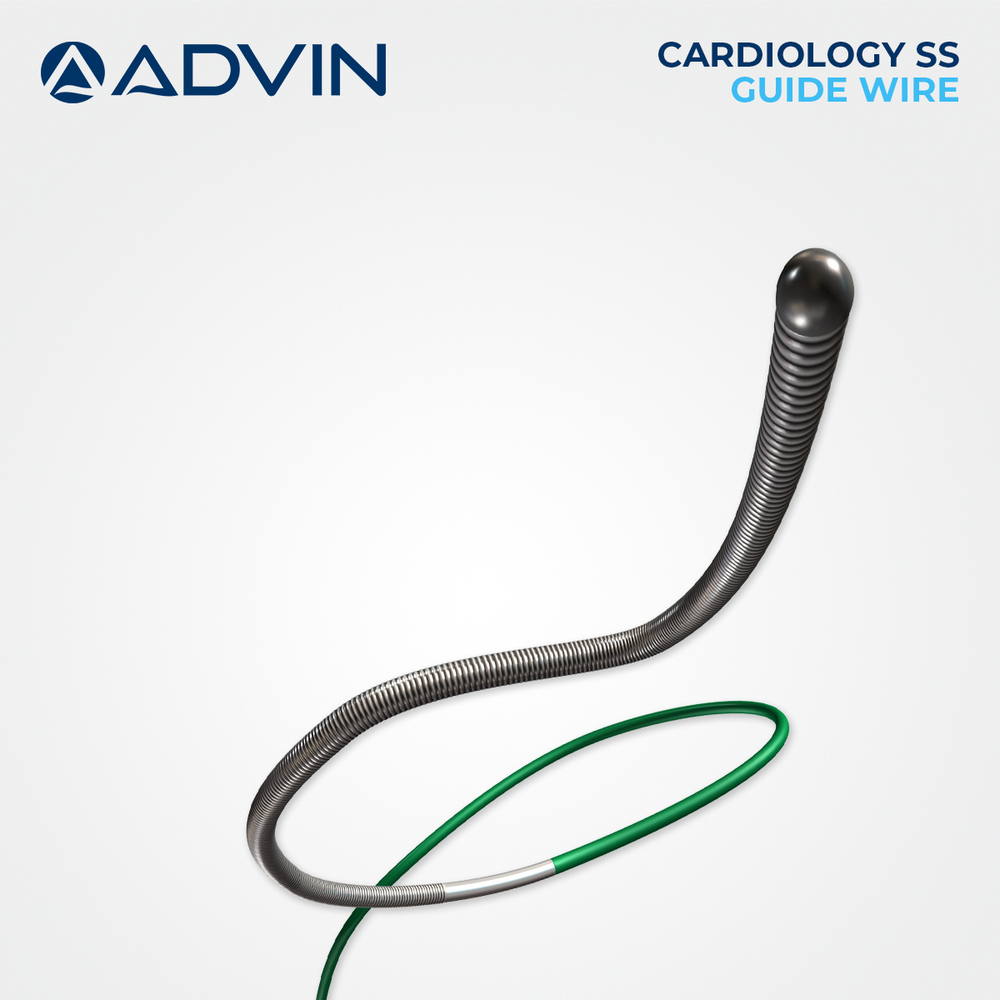
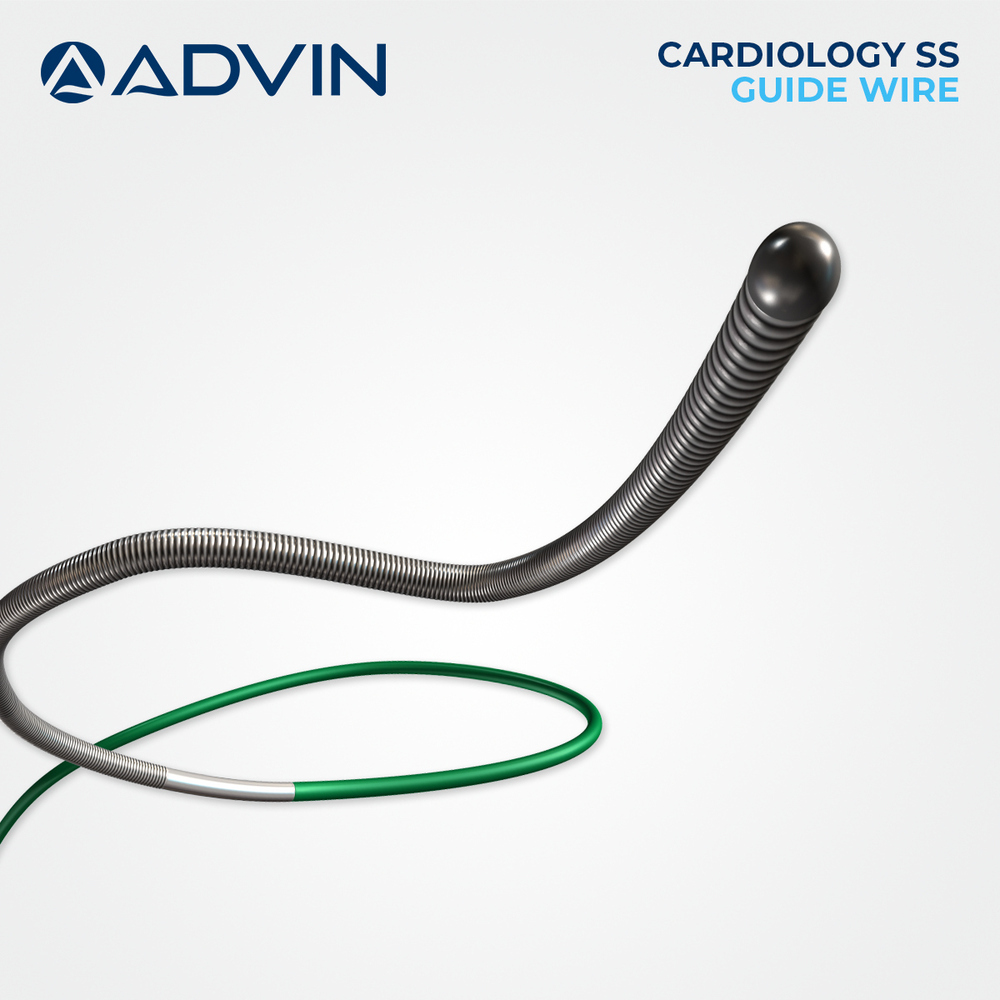
Advin Health Care is a trusted manufacturer of Vascular Stainless Steel Wires designed to meet international quality standards. These guide wires are made from high-grade stainless steel, offering excellent strength, pushability, and torque control for precise navigation and stable device placement during vascular access and interventional procedures.
Key Features
- High-strength stainless steel construction for durability
- Excellent pushability for smooth catheter advancement
- Superior torque control for accurate navigation
- Smooth surface for efficient device tracking
- Atraumatic tip design for safe vascular access
Specifications
- Type: Vascular Stainless Steel Wire
- Material: Medical-grade Stainless Steel
- Surface: Standard / PTFE-coated options available
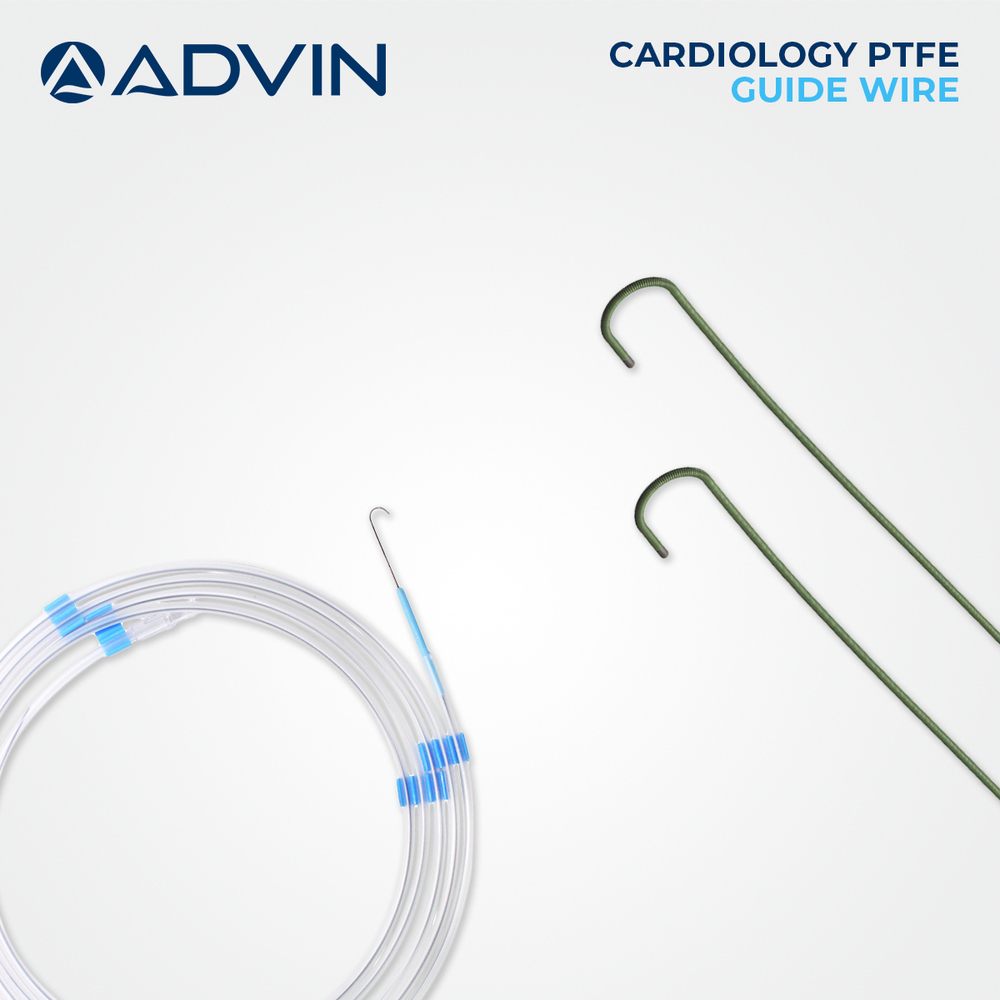
- Tip Options: Straight / J-tip
- Usage: Single-use / Sterile
- Application: Vascular access and interventional procedures
Certifications
CE, ISO 13485, and ISO 9001 certified
Product Keywords
Vascular Stainless Steel Wire, Stainless Steel Guidewire, Medical Guide Wire, Access Guide Wire, Interventional Guidewire
, , , ,
Alambre vascular de acero inoxidable, alambre gua de acero inoxidable, alambre gua mdico, alambre gua de acceso, alambre gua intervencionista
Fil guide vasculaire en acier inoxydable, fil guide en acier inoxydable, fil guide mdical, fil guide d'accs, fil guide interventionnel
Engineered for Precision and SafetyManufactured using advanced cold drawn technology, our vascular stainless steel wire ensures high dimensional accuracy and consistency. Each wire undergoes stringent quality checks and adheres to internationally recognized standards, including ISO 13485 and CE marking. Optimal surface finish and biocompatibility reduce the risk of vessel trauma, supporting safe and reliable clinical outcomes during delicate vascular procedures.
Versatile Applications Across SpecialtiesSuitable for diverse interventional procedures, this guide wire meets the specific needs of coronary, peripheral, and neurovascular interventions. Its customizable tip configurations-straight, J-tip, or custom-enable physicians to select the ideal wire for each case, ensuring compatibility with a wide variety of devices and procedural requirements. Available sterile or non-sterile as per clinical protocols.
FAQ's of Vascular Stainless Steel Wire:
Q: How does the ultra-smooth, polished surface of the stainless steel wire benefit vascular procedures?
A: The ultra-smooth, polished surface minimizes friction during navigation, aiding in seamless advancement through vessels and reducing the risk of trauma, making procedures safer and more efficient.
Q: What tip configurations are available for this vascular guide wire, and how do they assist clinicians?
A: The guide wire is available with straight, J-tip, or custom tip configurations. These options support clinicians in selecting the most suitable wire for vessel anatomy and the specific intervention, improving procedural precision.
Q: Where can the vascular stainless steel wire be used in clinical practice?
A: This guide wire is suitable for coronary, peripheral, neurovascular, and other interventional procedures, allowing broad versatility across cardiovascular and neurovascular specialties.
Q: What is the process for ensuring sterility and conformity to regulatory standards?
A: Each wire can be supplied sterile or non-sterile as required, using validated sterilization processes, and it is manufactured under ISO 13485-certified and CE-marked conditions to guarantee compliance with international safety standards.
Q: How should the wire be stored to maintain its quality and integrity?
A: Store the stainless steel wire in a dry and clean environment to prevent contamination or corrosion, preserving its biocompatibility and performance for up to five years of shelf life.
Q: What is the primary benefit of having radiopaque markers or coating on the wire?
A: Radiopaque markers or coating enhance visibility under imaging techniques, allowing real-time tracking and accurate placement of the wire during interventional procedures.

 Send Inquiry



 Send Inquiry

 Send Inquiry
 English
 Spanish
 French
 German
 Italian
 Chinese (Simplified)
 Japanese
 Korean
 Arabic
 Portuguese